Amino Acids for Plants: Why They're Key to Stronger Crops
Modern agriculture is facing unprecedented challenges, including climate change, soil degradation, and increasing pressure to ensure global food security while maintaining environmental sustainability. In this context, amino acid plant stimulant technology has emerged as an effective and science-based solution to improve crop resilience and productivity.
These bioactive compounds function as both metabolic intermediates and signaling molecules, enabling plants to optimize nutrient utilization and enhance stress tolerance. Backed by agronomic research, amino acid-based biostimulants are increasingly used to support crop performance across diverse environmental conditions.
Understanding Amino Acid Plant Stimulants and Their Benefits
The Role of Amino Acids in Plant Physiology
Amino acids are fundamental building blocks for protein synthesis and play essential roles in plant metabolic processes. Unlike conventional fertilizers that mainly supply nitrogen, phosphorus, and potassium, amino acid plant stimulant products provide targeted support at the cellular level, directly influencing physiological pathways.
By supplying readily available organic compounds, these products help plants reduce the energy required for internal biosynthesis. This allows crops to allocate more resources toward growth, reproduction, and defense mechanisms, particularly under stress conditions.
The Science Behind Amino Acid Absorption
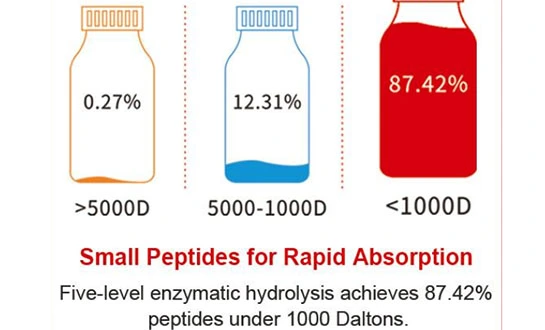
Plants can absorb amino acids through both root systems and foliar tissues, making their application highly flexible. External application of amino acids bypasses energy-intensive nitrogen assimilation pathways, improving metabolic efficiency. The effectiveness of absorption is closely related to molecular weight distribution, with high-quality formulations containing a significant proportion of small peptides below 1000 Daltons to facilitate rapid uptake and translocation.
Modern amino acid plant stimulant formulations are typically produced באמצעות controlled hydrolysis technologies, ensuring high bioavailability. Key amino acids such as glycine contribute to chlorophyll synthesis and photosynthesis, proline enhances stress resistance, and glutamic acid supports root development and nitrogen metabolism.
Metabolic Benefits for Crop Performance
Beyond basic nutrition, amino acids play a crucial role in maintaining cellular stability under environmental stress conditions such as drought, salinity, and extreme temperatures. They contribute to osmotic regulation, enzyme activity stabilization, and membrane protection, enabling plants to sustain physiological functions.
In addition, amino acids serve as precursors for phytohormones that regulate flowering, fruit set, and overall development. Studies have shown that the use of amino acid plant stimulant products can improve nutrient use efficiency by 15–25%, while also enhancing crop quality traits such as sugar content, protein levels, and post-harvest shelf life, thereby increasing market value.
Comparing Amino Acid Plant Stimulants with Other Fertilizers
Differences from Conventional Chemical Fertilizers
Traditional chemical fertilizers provide essential macronutrients but do not directly influence plant metabolic pathways in the way amino acids do. While NPK inputs are necessary for basic nutrition, they lack the ability to enhance physiological efficiency or stress resilience at the cellular level.
In contrast, amino acid plant stimulant products actively participate in metabolic processes, improving nutrient assimilation and overall plant vitality. From an environmental perspective, amino acid-based inputs are generally associated with lower risks of soil degradation and groundwater contamination, and they tend to be more compatible with beneficial soil microorganisms.
Comparison with Other Biostimulants
Other biostimulants, such as humic substances and seaweed extracts, provide valuable agronomic benefits but differ in their mechanisms of action. Humic acids primarily improve soil structure and nutrient retention, while seaweed extracts supply natural growth regulators. However, these products may not provide the same level of direct metabolic support as amino acids.
Amino acid plant stimulant products offer greater precision in physiological regulation due to their defined molecular composition. Their compatibility with a wide range of agrochemical inputs also makes them easier to integrate into existing crop management programs without significant adjustments.

Application Methods and Dosage Guidelines
Foliar Application Strategies
Foliar application is one of the most effective methods for delivering amino acids, as it allows rapid absorption through leaf tissues and immediate metabolic response. Application timing plays a critical role, with early morning or late afternoon treatments generally providing optimal results due to reduced evaporation and improved uptake conditions.
Recommended concentrations typically range from 0.5% to 2%, depending on crop type, developmental stage, and environmental conditions. Maintaining solution pH between 6.0 and 7.0 supports amino acid stability and enhances absorption efficiency, while favorable weather conditions, such as moderate temperatures and adequate humidity, further improve effectiveness.
Soil and Fertigation Applications
Soil application and fertigation systems provide a sustained supply of amino acids directly to the root zone, supporting long-term plant development. These methods are particularly suitable for crops requiring continuous nutrient availability or those grown under stress-prone conditions.
Integrating amino acid plant stimulant products into irrigation systems ensures uniform distribution and consistent nutrient delivery. Proper scheduling aligned with key growth stages, such as flowering and fruit development, enhances overall effectiveness and maximizes crop response.
Seed Treatment and Transplant Applications
Seed treatment with amino acid solutions can improve germination rates and early seedling vigor by enhancing metabolic activity during initial growth stages. This approach is particularly beneficial for crops grown under challenging environmental conditions or requiring rapid establishment.
During transplanting, amino acid applications support root regeneration and reduce transplant shock. By improving root development and physiological stability, these treatments can shorten establishment periods and enhance survival rates, contributing to more uniform crop performance.
Selection and Technological Development of Amino Acid Plant Stimulants
Quality Standards and Product Evaluation
Selecting a high-quality amino acid plant stimulant requires careful evaluation of formulation characteristics and production processes. Products with a high proportion of free L-amino acids, typically above 80%, and a favorable molecular weight distribution dominated by small peptides tend to offer superior performance.
Quality assurance is supported by certifications such as ISO 9001 and compliance with organic agriculture standards. Reliable products are accompanied by detailed analytical reports covering amino acid profiles, heavy metal content, and microbiological safety, ensuring consistency and regulatory compliance.
Advanced Formulation Technologies
Advancements in enzymatic hydrolysis technologies have significantly improved the effectiveness of amino acid-based products. Techniques such as full-spectrum directed enzymatic hydrolysis (FSDT) enable the production of peptides with molecular weights primarily below 1000 Daltons, enhancing absorption efficiency and biological activity.
Some modern formulations derived from yeast sources achieve high concentrations of small peptides and free amino acids, contributing to improved stability and performance even under adverse environmental conditions. These technological developments continue to drive innovation in the amino acid plant stimulant sector.
Scientific Evidence and Future Trends
Research-Based Evidence
A growing body of peer-reviewed research supports the effectiveness of amino acid plant stimulant products in improving crop performance. Studies have reported yield increases ranging from 8% to 20% across various crop types when amino acids are integrated into comprehensive nutrition programs.
Research also indicates that amino acid applications can enhance plant tolerance to abiotic stress, allowing crops to maintain productivity under water-limited conditions. Additionally, these products contribute to improved soil health by stimulating beneficial microbial activity and facilitating nutrient cycling.
Emerging Trends in Agricultural Technology
Future developments in amino acid plant stimulant technology are increasingly aligned with precision agriculture practices. Advances in data-driven farming enable site-specific application based on real-time monitoring of plant health and nutrient status, improving efficiency and reducing input waste.
Innovations in formulation, including the integration of amino acids with micronutrients in chelated forms, are expanding the functionality of these products. At the same time, digital agriculture platforms are incorporating amino acid-based solutions into integrated crop management systems, providing farmers with more precise recommendations on application timing, dosage, and combinations.
Conclusion
Amino acid plant stimulant technology represents a significant advancement in modern crop nutrition, offering scientifically validated benefits in terms of yield improvement, quality enhancement, and stress tolerance. By supporting plant metabolism at the molecular level, these products provide a complementary approach to conventional fertilization strategies.
As agriculture continues to evolve toward more sustainable and efficient systems, the integration of amino acid-based biostimulants is expected to play an increasingly important role. Ongoing research and technological innovation will further expand their applications, contributing to resilient agricultural production and long-term food security.
FAQ
Q1: What timeframe should I expect for visible crop improvement after amino acid application?
Foliar sprays generally work in 48 to 72 hours, and within a week, photosynthesis and stress resistance have improved in a way that can be seen. A better level of work and more of it happens throughout the whole growth cycle. When the plant is used often, the benefits get stronger over time.
Q2: Are amino acid plant stimulants safe for organic farming systems?
A lot of amino acid products can be labeled as organic if they come from approved sources and are handled in the right way. Most of the time, enzymes that are made from yeast make formulas that meet organic standards and still work better than manmade choices. Always check with the group that certified you to make sure that organic standards are being met.
Q3: Can amino acid stimulants completely replace traditional chemical fertilizers?
Amino acid products shouldn't be used instead of comprehensive fertilizer plans; they should be added to them. They help plants use nutrients better and have certain biological effects, but plants still need to get enough macronutrients from food. Using both tools together is the best way to get things done and be good to the earth.
Q4: How do storage and handling requirements affect product selection?
High-quality amino acid products are safe to store in normal conditions, but hygroscopic solutions need to be kept away from water to prevent caking. It's easier to work with liquid formulas, but they might not work as well when the temperature changes. Think about your tools and how much room you have when picking out product types.
Partner with LYS for Premium Amino Acid Plant Stimulant Solutions
Agricultural professionals seeking reliable amino acid plant stimulant supplier partnerships will find comprehensive solutions through LYS's advanced product portfolio. Our LYS AAPS formulation combines proprietary enzymatic hydrolysis technology with chelated micronutrients, delivering superior crop performance across diverse agricultural applications.
LYS maintains rigorous quality standards through our established manufacturing capacity of 10,000 MT annually, ensuring consistent supply reliability for large-scale operations. Our technical team provides customized application guidance and ongoing support to maximize your investment returns while achieving sustainability objectives.
Contact alice@aminoacidfertilizer.com to explore bulk purchasing opportunities and request detailed technical specifications.
References
1. Chen, L., et al. "Exogenous Amino Acid Applications Enhance Crop Stress Tolerance and Yield Performance Under Variable Environmental Conditions." Journal of Agricultural Science and Technology, 2023.
2. Rodriguez, M., & Thompson, K. "Comparative Analysis of Biostimulant Efficacy: Amino Acids versus Traditional Growth Enhancers in Sustainable Agriculture." International Review of Plant Biology, 2023.
3. Williams, S., et al. "Enzymatic Hydrolysis Technology in Amino Acid Production: Impact on Bioavailability and Plant Response." Agricultural Biotechnology Research, 2022.
4. Anderson, P., & Kumar, R. "Economic Impact Assessment of Amino Acid Plant Stimulants in Commercial Crop Production Systems." Agribusiness Economics Quarterly, 2023.
5. Davis, J., et al. "Molecular Weight Distribution Effects on Plant Amino Acid Absorption and Metabolic Integration." Plant Physiology and Biochemistry, 2022.
6. Martinez, A., & Lee, H. "Sustainable Agriculture Applications of Yeast-Derived Amino Acid Biostimulants: Environmental and Productivity Benefits." Environmental Agriculture Journal, 2023.

Tell us your needs — we’ll provide the right solution for your crops and markets.
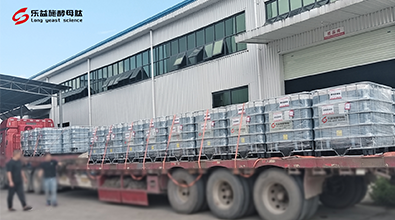
Innovating Agriculture with Yeast-Derived Amino Acid Peptides