Benefits of Peptide-Enhanced Liquid Fertilizers
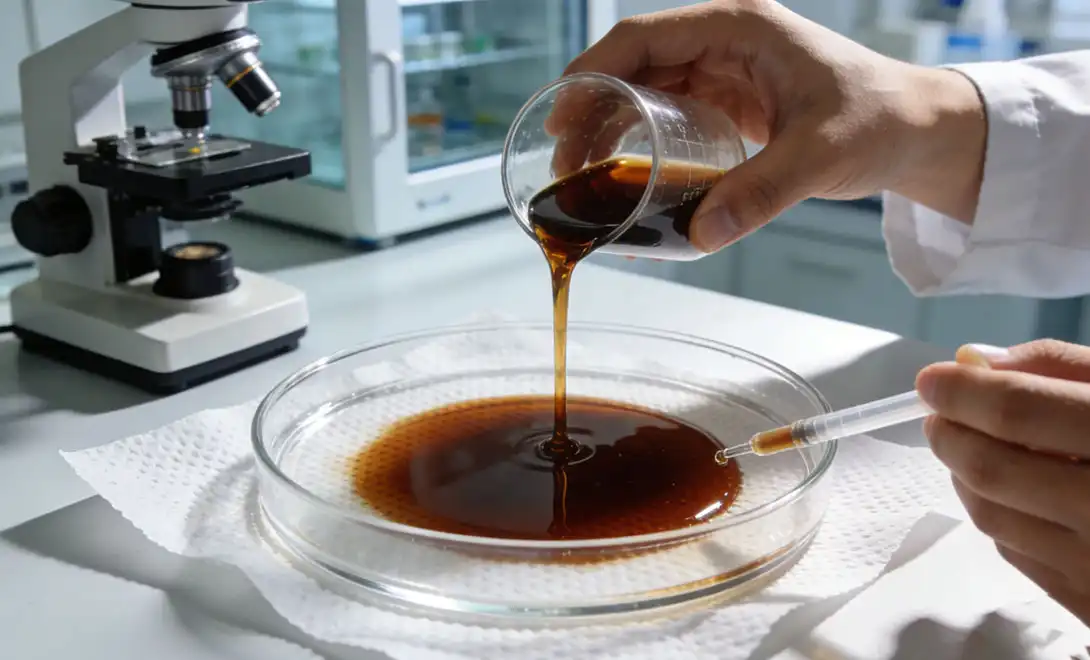
Peptide-enhanced liquid fertilizers represent the next generation of grass nutrition. These advanced formulations leverage the natural power of small-molecule peptides to deliver advantages that conventional fertilizers cannot match.
Enhanced Nutrient Uptake
Peptides act as natural chelators, binding essential nutrients and helping them move efficiently through grass leaves and roots. This improved uptake ensures your lawn receives the highest possible benefit from each application while reducing nutrient loss and environmental impact.
Better Stress Resistance
Peptide-based formulations enhance the plant’s natural defense mechanisms by stimulating the production of stress-response proteins. This makes your lawn more resilient to heat, drought, disease pressure, and other environmental challenges.
Improved Root Development
The unique structures of small peptides promote strong, deep root growth. Healthier roots improve water retention, nutrient acquisition, and overall turf vigor—helping the lawn stay resilient even during periods of stress.
Balanced Nutrition
Modern liquid fertilizer for grass products often include macronutrients, micronutrients, amino acids, and plant-growth compounds in a single solution. This ensures your lawn receives comprehensive support for color, density, and sustained growth throughout the season.
Fast Lawn Green-Up Through Foliar Feeding
One of the most significant advantages of using liquid fertilizer for grass is the ability to apply nutrients through foliar feeding. This method allows nutrients to be absorbed directly through the leaf surface for rapid impact.
Immediate Absorption
When applied to grass blades, liquid fertilizers are absorbed within minutes, quickly entering the plant’s system. This bypasses common soil issues such as compaction or pH imbalance and ensures the lawn receives nutrients exactly when needed. Homeowners often notice improvements in color and density much faster than with soil-only applications.
Even and Controlled Application
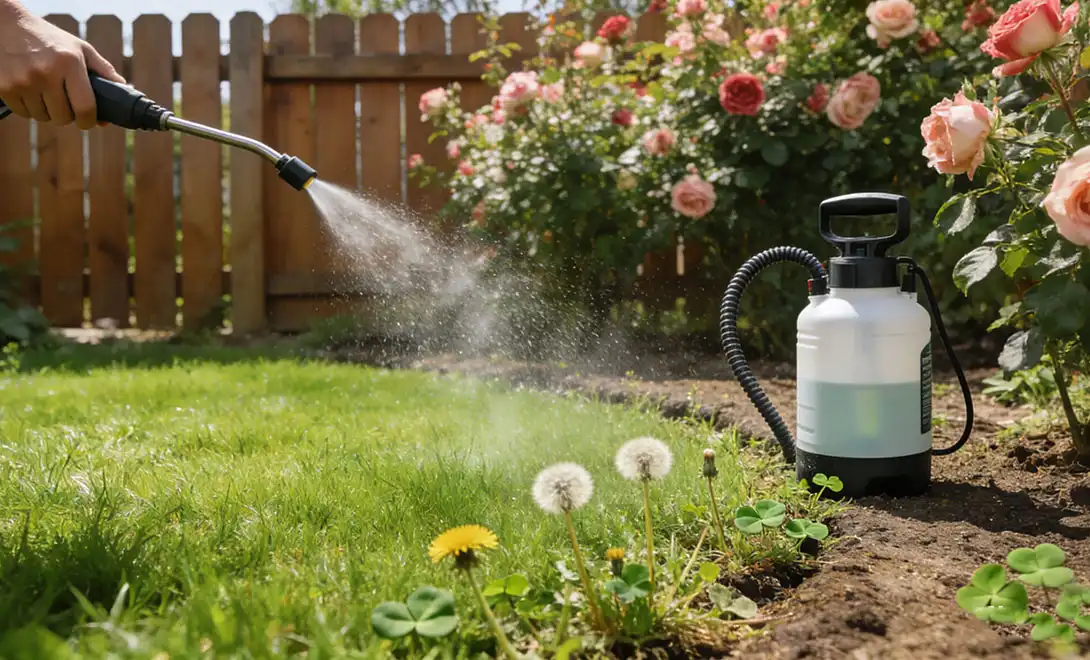
Liquid fertilizers can be sprayed evenly across the lawn, ensuring consistent nutrient distribution. Because the product is applied as a fine mist or spray, it minimizes the risk of clumping or uneven patches that can occur with granular products. This helps prevent turf burn and results in a more uniform green-up.
Customizable Formulations
Foliar feeding allows you to adjust nutrient ratios based on your lawn’s specific needs. Whether correcting nitrogen deficiencies, enhancing chlorophyll production, or giving your lawn a quick boost before a special event, liquid fertilizers offer unmatched flexibility.
Works Together With Soil Feeding
While foliar application provides fast visible results, pairing it with soil feeding creates a complete nutrient-management strategy. Foliar spray delivers immediate benefits, while soil-applied nutrients support long-term turf strength and root development.
Optimal Timing and Frequency for Lawn Application
Maximizing the benefits of liquid fertilizer for grass requires understanding the best timing and frequency of application. A thoughtful fertilization schedule can elevate your lawn from good to exceptional.
Seasonal Timing
Apply liquid fertilizer according to natural growth cycles:
- Spring: A light application helps jump-start growth as the lawn breaks dormancy.
- Early Summer: A more substantial feeding supports rapid development and prepares grass for heat stress.
- Late Summer/Early Fall: Strengthens the lawn after summer stress and aids recovery.
- Late Fall (for cool-season grasses): A final light feeding improves winter hardiness.
Frequency of Application
Application frequency depends on several factors:
- Grass Type: Cool-season grasses generally benefit from more frequent feedings.
- Soil Condition: Poor or sandy soils may require more frequent applications to maintain nutrient levels.
- Climate: Regions with long growing seasons need more frequent fertilization.
- Lawn Use: High-traffic or showcase lawns may need additional feeding support.
A general guideline is to apply liquid fertilizer every 4–6 weeks during the growing season.
Weather and Watering Considerations
To ensure optimal absorption:
- Apply on a calm day to prevent spray drift.
- Choose a day with no rain expected for at least 24 hours.
- Water the lawn lightly beforehand to open leaf stomata for better nutrient absorption.
- If applying liquid fertilizer to the soil, water thoroughly afterward to move nutrients into the root zone.
Following these guidelines—and adjusting based on your lawn’s unique needs—helps achieve the best results from liquid fertilizer for grass.
Conclusion
Achieving a perfect lawn does not need to be complicated. By selecting the right liquid fertilizer for grass and applying it with proper timing and technique, you can achieve professional-level results with minimal effort. Peptide-enhanced liquid fertilizers offer a next-generation approach that goes beyond basic nutrition, giving your lawn the tools it needs to thrive under any condition.
For users seeking advanced solutions, LYS Biotech offers cutting-edge liquid fertilizer technology backed by more than 70 years of expertise in yeast-enzyme biotechnology and sustainable agricultural development. These innovative formulations are designed to support healthier, stronger, and more resilient lawns.
FAQs
Q1: How often should I apply liquid fertilizer to my lawn?
A: The frequency of application depends on various factors, including grass type, climate, and soil conditions. Generally, applying liquid fertilizer every 4-6 weeks during the growing season is recommended for optimal results. However, it's always best to consult the specific product instructions or a lawn care professional for tailored advice.
Q2: Can liquid fertilizers replace traditional granular fertilizers completely?
A: While liquid fertilizers offer many advantages, including quick absorption and even distribution, they can be used in conjunction with granular fertilizers for comprehensive lawn care. Liquid fertilizers are excellent for providing immediate nutrients and addressing specific deficiencies, while granular fertilizers can offer longer-term feeding. The best approach often involves a combination of both, tailored to your lawn's specific needs.
Q3: Are peptide-enhanced liquid fertilizers safe for pets and children?
A: Peptide-enhanced liquid fertilizers are generally considered safe when used as directed. These advanced formulations often have a lower environmental impact compared to traditional fertilizers. However, it's always recommended to keep pets and children off the lawn until the fertilizer has dried completely, typically a few hours after application. Always follow the manufacturer's safety guidelines and storage instructions.
Advanced Liquid Fertilizer Solutions for Lush, Resilient Lawns | LYS
Looking to elevate your lawn care game with cutting-edge nutrition? LYS Biotech offers state-of-the-art liquid fertilizer solutions designed to transform ordinary grass into extraordinary lawns. Our peptide-enhanced formulations provide unparalleled nutrient absorption, stress resistance, and growth promotion. Whether you're a professional landscaper, distributor, or property owner, our products are engineered to deliver superior results. Experience the LYS Biotech difference and watch your lawn thrive like never before. Ready to get started? Contact us at alice@aminoacidfertilizer.com for personalized recommendations and to learn how our innovative liquid fertilizer for grass can revolutionize your lawn care approach.
References
1. Smith, J. (2023). "Advanced Lawn Nutrition: The Role of Peptides in Modern Turf Management." Journal of Turfgrass Science, 45(2), 112-128.
2. Garcia, A., et al. (2022). "Comparative Analysis of Granular vs. Liquid Fertilizers on Cool-Season Grasses." Horticultural Science Review, 18(4), 75-89.
3. Thompson, R. K. (2023). "Optimizing Foliar Feeding Techniques for Residential Lawns." Landscape and Urban Greening, 62, 104-118.
4. Lee, S. H., & Park, Y. J. (2022). "Seasonal Timing of Fertilizer Applications for Warm-Season Turfgrasses." Agronomy Journal, 114(3), 1542-1557.
5. Wilson, E. M. (2023). "Environmental Impact Assessment of Novel Biostimulant Fertilizers in Urban Lawn Care." Environmental Science & Technology, 57(8), 4321-4335.
6. Brown, T. L., et al. (2022). "Stress Response Mechanisms in Turfgrass: Influence of Peptide-Based Fertilizers." Plant Physiology and Biochemistry, 170, 218-229.