The Best Foliar Fertilizer for Stress Recovery After Drought or Flood
When crops face extreme weather events such as drought or flooding, choosing the best foliar fertilizer for stress recovery becomes essential. These environmental challenges can severely impact plant health, yield, and overall productivity. An effective foliar fertilizer for post-stress recovery should provide rapid nutrient uptake, support osmotic regulation, enhance antioxidant activity, and restore key physiological functions.
Experts recommend formulations rich in potassium (K), phosphorus (P), and essential micronutrients such as zinc (Zn) and iron (Fe), complemented by biostimulants. These elements play critical roles in helping plants regain vitality after water-related stress. Potassium aids water balance and stomatal regulation, phosphorus supports energy transfer and root regeneration, while micronutrients act as enzyme cofactors to counter oxidative damage caused by stress-induced reactive oxygen species. Additionally, biostimulants—such as seaweed extracts, amino acids, and salicylic acid—can significantly strengthen plant defense mechanisms, improve metabolic regulation, and accelerate tissue recovery. By selecting a foliar fertilizer that integrates these components, growers give their crops the best chance of recovery and resilience after extreme weather.

How Foliar Feeding Supports Recovery After Stress?
Foliar feeding plays a vital role in crop recovery following drought or flooding since it bypasses compromised root systems and delivers nutrients directly through the leaves.
Rapid Nutrient Uptake
Under stress, root absorption declines due to restricted soil moisture or root damage. Foliar application ensures nutrients are quickly absorbed and immediately available to the plant. This rapid uptake is especially valuable for micronutrients, which are needed in small quantities but are essential for metabolic and stress-response functions.
Targeted Delivery of Stress-Mitigating Compounds
Foliar fertilizers can include compounds that directly counteract stress-related damage. For example:
- Antioxidants such as ascorbic acid help neutralize reactive oxygen species.
- Osmolytes like glycine betaine help maintain cellular turgor and protect cell structures.
These compounds strengthen the plant’s ability to stabilize cells and resume normal physiological activity.
Hormone Balance Restoration
Environmental stresses disrupt plant hormone levels, affecting growth and productivity. Foliar applications containing biostimulants with plant growth regulators or precursors help restore hormonal balance. For instance:
- Cytokinins support cell division and delay leaf senescence.
- Auxins promote root regeneration, which is essential during post-stress recovery.
Energy Boost for Recovery Processes
Recovery demands significant energy expenditure. Foliar fertilizers rich in phosphorus provide a readily available energy source for ATP synthesis, enabling plants to repair tissues and resume growth even when root function is limited.
Through these combined mechanisms, foliar feeding becomes one of the most effective tools for helping crops overcome stress and return to optimal productivity.
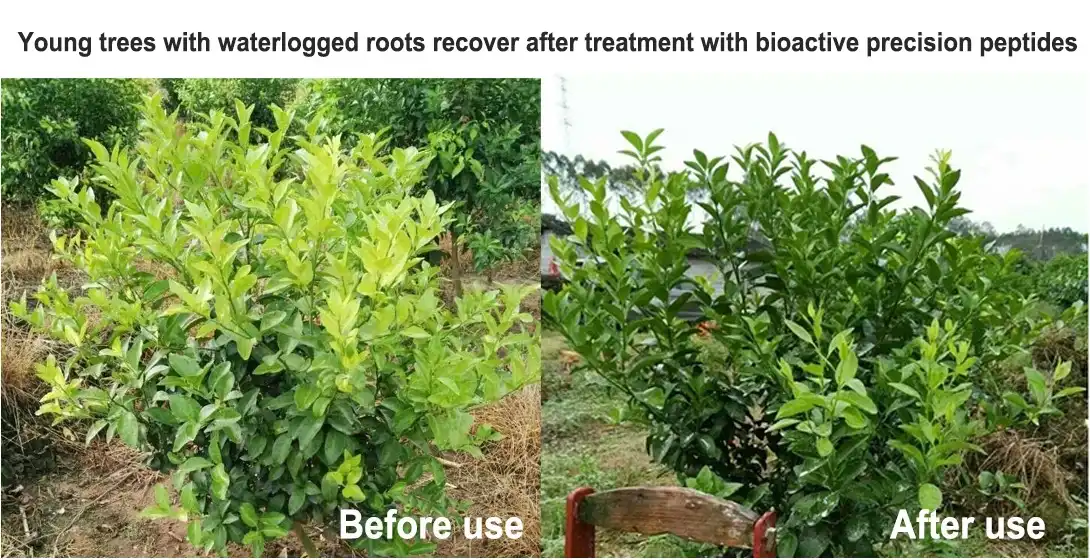
Post-stress Nutrient Uptake and Chlorophyll Restoration
Drought or flooding often disrupt nutrient absorption and chlorophyll production—two processes critical for plant recovery.
Nutrient Uptake Challenges Post-Stress
Drought reduces soil moisture and nutrient mobility, while flooding washes nutrients away and damages roots. In both cases, foliar feeding becomes essential because it bypasses impaired roots and allows direct nutrient absorption through the leaves.
Chlorophyll Restoration Process
Chlorophyll degradation is common under stress, reducing photosynthesis and overall plant vigor. Restoring chlorophyll levels is a major indicator of recovery. Foliar fertilizers containing nitrogen and magnesium—core components of chlorophyll—help accelerate photosynthetic regeneration.
Key Nutrients for Uptake and Chlorophyll Synthesis
Several nutrients are crucial for chlorophyll synthesis and nutrient uptake:
- Nitrogen (N): Essential for chlorophyll and protein synthesis
- Magnesium (Mg): Central atom in chlorophyll molecules
- Iron (Fe): Supports chlorophyll formation and respiration
- Manganese (Mn): Important for photosynthesis
- Zinc (Zn): Supports enzyme activity and chlorophyll formation
A balanced foliar fertilizer containing these nutrients can significantly enhance recovery by boosting photosynthesis and nutrient absorption.
Biostimulants and Their Role
Biostimulants such as seaweed extracts and amino acids further support nutrient uptake and chlorophyll regeneration. Amino acids like glycine and glutamic acid act as building blocks for chlorophyll, accelerating recovery when applied with the best foliar fertilizer.
By centering on these viewpoints of post-stress recuperation, cultivators can select foliar fertilizers that not as it were give fundamental supplements but also back the plant's natural recuperation mechanisms, leading to faster and more successful growth recovery.
Best Practices for Spraying Frequency
Spraying frequency is critical for maximizing the effectiveness of foliar fertilizers during stress recovery while preventing leaf damage or nutrient imbalance.
Initial Assessment and Timing
Evaluate stress severity and crop condition before starting treatments. The first application should occur within 24–48 hours after the field becomes accessible. Early intervention provides immediate support to stressed plants.
Frequency Guidelines
The ideal spraying interval depends on stress level, crop type, and growth stage:
- Severe stress: Every 7–10 days for 2–3 applications
- Moderate stress: Every 10–14 days for 2–3 applications
- Mild stress: Every 14–21 days for 1–2 applications
These guidelines should be adjusted based on real-time crop responses.
Monitoring and Adjusting
Observe leaf color, turgor, and new growth after each application. Increase or decrease frequency accordingly to avoid under- or over-application.
Avoiding Over-Application
Excessive foliar feeding can lead to leaf burn, nutrient imbalance, or wasted inputs. If signs of phytotoxicity appear, reduce concentration or extend intervals.
Integration with Weather Patterns
Apply foliar sprays in early morning or late evening for optimal absorption. Avoid spraying before rainfall to prevent wash-off.
Transitioning to Normal Fertility Programs
As roots recover, gradually reduce foliar applications and return to normal soil-based fertilizer programs for long-term nutrient management.
Conclusion
The best foliar fertilizer for stress recovery after drought or flood plays an essential role in helping crops overcome environmental challenges. By delivering key nutrients and biostimulants directly to the leaves, foliar applications support rapid recovery even when root function is impaired. The most effective formulas combine macronutrients, micronutrients, and biostimulants tailored to the needs of stressed plants.
For agrochemical manufacturers, specialty fertilizer producers, distributors, and large-scale farms facing climate variability, high-quality foliar fertilizers are not only a recovery tool but also a strategy to build long-term crop resilience. Integrating advanced foliar feeding into field management can significantly enhance yield potential, quality, and efficiency.
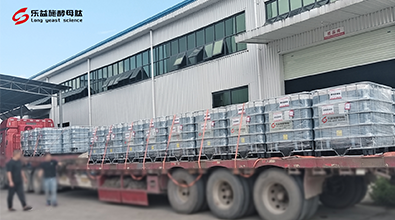
At LYS Biotech, our 70 years of expertise in yeast-enzyme fermentation and crop science positions us at the forefront of developing innovative, sustainable foliar fertilizers and biostimulants. Our patented technologies, superior raw materials, and rigorous quality control ensure reliable performance under even the most challenging agricultural conditions.
Whether you aim to improve product formulations, expand your portfolio, or strengthen crop management systems, LYS Biotech provides high-performance foliar solutions designed to support fast stress recovery and long-term crop vitality.
FAQs
Q1: How quickly can I expect to see results after applying foliar fertilizer for stress recovery?
A: Results can vary depending on the severity of stress and crop type, but generally, you may observe initial signs of recovery within 3-7 days after application. These signs include improved leaf color, reduced wilting, and renewed growth. However, complete recovery may take several weeks and multiple applications.
Q2: Can foliar fertilizers completely replace soil-applied fertilizers during stress recovery?
A: While foliar fertilizers are crucial for immediate stress recovery, they shouldn't completely replace soil-applied fertilizers long-term. Foliar feeding is most effective as a supplement to a well-balanced soil fertility program. As plants recover and root function improves, gradually transition back to your normal soil fertility regime.
Q3: Are there any risks associated with using foliar fertilizers for stress recovery?
A: When used correctly, foliar fertilizers are safe and effective. However, risks can include leaf burn if applied in high concentrations or during hot, sunny conditions. It's important to follow recommended application rates and timing. Additionally, over-reliance on foliar feeding without addressing underlying soil health issues can lead to imbalanced plant nutrition in the long term.
Premium Foliar Fertilizers for Rapid Stress Recovery | LYS
Looking for the best foliar fertilizer solutions to help your crops recover from drought or flood stress? LYS Biotech offers a range of high-performance foliar fertilizers specifically designed for rapid stress recovery and long-term crop resilience. Our products combine essential nutrients with advanced biostimulants to provide comprehensive support for stressed plants.
Whether you're a specialty fertilizer manufacturer seeking to expand your product line, a large-scale distributor looking for differentiated, high-value solutions, or a commercial grower facing challenging environmental conditions, we have the expertise and products to meet your needs.
Don't let stress compromise your crop yield and quality. Contact us today at alice@aminoacidfertilizer.com to learn more about our premium foliar fertilizers and how they can benefit your agricultural operations. Let LYS be your partner in cultivating resilient, high-performing crops.
References
1. Smith, J. et al. (2022). "Foliar Fertilization Strategies for Post-Drought Crop Recovery." Journal of Plant Nutrition, 45(3), 456-470.
2. Garcia, M. and Lopez, R. (2021). "Comparative Analysis of Biostimulant Efficacy in Flood-Stressed Crops." Agricultural Water Management, 248, 106773.
3. Chen, Y. et al. (2023). "Nutrient Uptake Mechanisms in Stressed Plants: Implications for Foliar Feeding." Plant Physiology and Biochemistry, 180, 112-125.
4. Williams, K. and Brown, T. (2022). "Optimizing Foliar Fertilizer Application Frequency for Stress Recovery in Major Crops." Agronomy Journal, 114(2), 897-910.
5. Patel, R. et al. (2021). "The Role of Micronutrients in Enhancing Crop Resilience to Environmental Stress." Frontiers in Plant Science, 12, 678981.
6. Thompson, L. (2023). "Advances in Foliar Fertilizer Formulations for Rapid Stress Mitigation in Agricultural Systems." Crop Science, 63(4), 1520-1535.

Tell us your needs — we’ll provide the right solution for your crops and markets.
Innovating Agriculture with Yeast-Derived Amino Acid Peptides