Sustainable Immune Inducers for High-Value Vegetable Production
Leveraging plants’ innate defense systems has become an important strategy in high-value vegetable production. Unlike conventional pesticides that directly target pathogens, a plant immune inducer activates endogenous defense pathways through molecular signaling.
These bioactive substances trigger Pattern-Triggered Immunity (PTI) and Systemic Acquired Resistance (SAR), enabling vegetables to resist diseases while maintaining growth performance and yield stability. As concerns around pesticide resistance, viral outbreaks, and residue compliance intensify, plant immune technologies are gaining relevance in premium horticultural markets.

Understanding Plant Immune Inducers and Their Role in Vegetable Production
Plant immune inducers work like complex biological switches that turn on a plant's own defenses instead of going after invaders directly. Pathogen-Associated Molecular Patterns (PAMPs) are what these new chemicals work by looking like. They then connect to specific receptors on plant cell membranes, like FLS2 or EFR. This binding sets off signaling pathways inside cells that involve salicylic acid (SA) and jasmonic acid (JA). This causes defense enzymes like chitinase and glucanase to be made quickly, along with phytoalexins, which are protective secondary molecules.
Natural vs. Synthetic Immune Inducers
The main difference between natural and manufactured immunity enhancers is where they come from and how complicated their molecules are. Natural immunity boosters come from plant extracts, bacteria fermentation products, or proteins being broken down by enzymes. A lot of the time, these chemicals have long, complicated peptide patterns that plants can easily identify and use. On the other hand, synthetic immunity inducers are molecules that are made in a lab to cause specific immune reactions against specific molecules.
Researchers at some of the world's top farming universities have found that peptide-based immune inducers made from yeast protein sources are more bioactive than synthetic options. These natural peptides have molecular weights that are usually less than 1000 Da. Within two hours of application, they are absorbed at rates higher than 90%, which makes them very useful for growing vegetables for sale.
Mechanisms Against Disease Threats
Plant immunity enhancers fight off bacterial, fungal, and viral threats in different but linked ways. Immune inducers help the body make antifungal chemicals that fight off fungal pathogens like Botrytis or Fusarium. They also make cell walls stronger by lignification. The hypersensitive response (HR) and the production of antibacterial peptides work together to fight bacterial illnesses. Immunoinducers are one of the few effective ways to stop viral diseases like Tobacco Mosaic Virus (TMV) and Cucumber Mosaic Virus (CMV), which is especially important for growing high-value vegetables because chemical herbicides don't work against them.
Methods and Applications of Plant Immune Inducers in Vegetable Farming
In modern veggie farming, plant immune inducers are used in a number of different ways, each one suited to a different growing system and food need. Because these biological tools are so flexible, growers can easily add them to their current production methods while still getting the most out of their beneficial effects.
Foliar Application Strategies
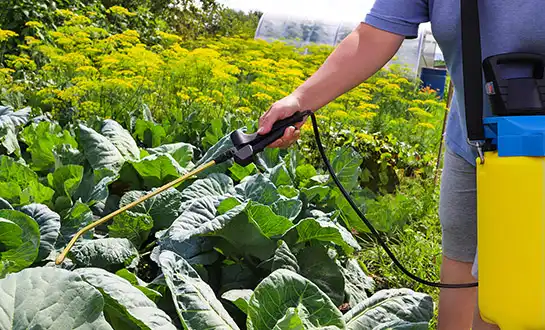
Spraying immune stimulants on the leaves of crops is still the most common way to use them in industrial veggie production. This method sends bioactive chemicals straight to the surfaces of leaves, where they can quickly get into plant tissues and start immune reactions. Foliar treatment works best in the early morning or late evening, when the plant's stomata are open and there isn't much external stress.
Depending on the type of crop and the number of diseases that are present, the application rate is usually between 0.5 kg and 1 kg per hectare. People who grow tomatoes and peppers often use immune inducers when the plants are seedlings and again when they are almost flowering to build strong defenses before important growth stages. The timing is very important because plants that are treated early in their growth keep their stronger defense throughout their entire productive cycle.
For business activities, the ability to mix chemicals in tanks is a big plus. Good immunity enhancers stay stable at temperatures up to 50°C and pH levels between 5.0 and 8.0, so they can be safely mixed with fertilizers and low-dosage fungicides. Because of this agreement, farmers can use up to 30% less chemical fungicides while still getting rid of diseases.
Soil Amendment and Root Zone Applications
Root zone application of immune inducers is very helpful for both hydroponic and soilless growing systems. Continuous low-dose treatments at 100–200 ppm concentration prime root systems for better disease resistance in these controlled settings where root zones are more likely to be infected by pathogens like Pythium.
The root zone spraying method works especially well in high-tech greenhouses that grow high-quality cucumbers and peppers. Immune inducers boost the interactions between good microbes and root rot pathogens, creating a regulated rhizosphere environment that helps plants grow strongly and produce their highest levels.
Seed Treatment Applications
Coating seeds with immune-boosting substances protects them early on and helps them grow better in tough field circumstances. This way of applying is especially good for growing row crops and transplants, where even stand development is important for making money. When immunity inducers are added to seeds, they germinate more quickly and grow stronger in cold or salty soil.
Molecular signals started by seed treatment speed up the use of seed stores and make seedlings more resistant to stresses in the early season. This early protection means that transplants will be stronger, which will lead to higher yields in industrial veggie production systems.
Choosing the Right Plant Immune Inducer for Your Production Needs
To find the best immune stimulants, you have to carefully consider a lot of things, such as how well they work against specific diseases, how much they cost, how safe they are, and how well they follow the rules. For large-scale operations, procurement managers have to find a balance between these factors while also making sure of the quality of the products and the dependability of the suppliers.
Disease-Specific Selection Criteria
Different immunity boosters work in different ways against different types of pathogens. Peptide-based products are great at protecting against a wide range of diseases, especially viral ones for which there aren't many other options. In field tests with high-value crops like tomatoes and peppers, these items cut the number of viruses by 40 to 60 percent compared to controls that weren't treated.
Immune enhancers that strongly stimulate hypersensitivity response pathways are helpful for controlling bacterial diseases. Products with certain oligopeptides that come from microbial fermentation work better against bacterial wilts and leaf spots that typically affect solanaceous and leafy greens.
Cost-Effectiveness Analysis
Immune inducers may cost more up front than regular herbicides, but their economic value becomes clear when you look at how much they save you in total input costs and how easy it is to get their products on the market. Very low application rates—often just 15 to 75 grams per hectare—make transportation and application costs a lot lower than with big fertilizers or large pesticide applications.
Quality immunity enhancers have zero residue, which lets them enter premium organic and foreign markets with strict Maximum Residue Limit (MRL) rules. This market access often leads to price premiums of 20–40% above regular produce, which easily covers the cost of the initial investment in immune inducer technology.
Supplier Evaluation Standards
Immune inducer providers with a good reputation keep high-quality standards, such as purity levels above 90% peptide content, which can be checked using HPLC analysis. Standardized tests that measure peroxidase (POD) and phenylalanine ammonia-lyase (PAL) activity prove the bioactivity of the substance and make sure it works the same way every time in the field.
For large-scale activities, manufacturing capacity and the dependability of the supply chain are very important. Leading suppliers like LYS can produce more than 10,000 MT of yeast-derived plant immune inducer peptides every year, making sure that big agricultural businesses around the world always have what they need.
Environmental and Economic Impact of Plant Immune Inducers
Immune inducers have benefits for the environment that go far beyond just lowering the use of pesticides. They also help the environment in more general ways and make it easier to follow the rules. These goods help integrated pest management systems work better and give businesses real results by making crops grow better and giving them easier access to markets.
Ecological Advantages
Immune inducers help protect the environment because they are fully broken down into amino acids inside plants, leaving no dangerous residues in the soil or water. This full biodegradation gets rid of worries about bioaccumulation or harming ecosystems, which are problems with many man-made herbicides.
Broad-spectrum insecticides are not used, so the technology helps useful bug populations. By making plants more resistant to pests, farmers don't have to use as many pesticides, which can mess up the natural relationships between predators and prey and the work of pollinators, which is important for long-term veggie production.
Protecting water quality is another important natural benefit. Chemical poisons can get into groundwater or bodies of water on the surface. Immunoinhibitors, on the other hand, stay in plant cells and don't harm aquatic environments.
Economic Returns Analysis
Investing in immune inducer technology usually pays off in the first growth season through a number of different value streams. In tests with crops that are easily stressed, like leafy greens and cucurbits, yield stability gains of 15 to 25 percent have been seen. This directly leads to more money being made per acre.
Less food loss during shipping and storage is also good for the economy. Using immunity enhancers before harvesting causes the cell wall to thicken and phenolic compounds to build up, which extends the shelf life by 5–7 days and makes the food less susceptible to pathogens during cold chain distribution after harvest.
The higher cost of immunity inducers is often balanced out by the lower cost of labor that comes from using fewer pesticides and making spray plans easier. Growers say that using immune inducers in their production systems cuts the amount of crop protection work they need to do by 20 to 30 percent.
Future Trends and Innovations in Plant Immune Inducer Technologies
The plant immune inducer business is still changing very quickly, with big steps forward being made in preparation technology, delivery methods, and how they work with precision farming tools. These new improvements look like they will make things even more useful and easy for business vegetable growers.
Advanced Formulation Technologies
Nanotechnology is used in next-generation immune inducers to make them more stable and help them get to the right places. Nano-encapsulated peptides are better at resisting UV breakdown and have longer activity times, which means they don't need to be applied as often in busy businesses.
Another big step forward is controlled-release formulas, which keep the immune system active for 3–4 weeks after a single treatment. These goods with longer-lasting effects are especially helpful for greenhouses, where constant protection is needed to grow high-value crops.
Digital Agriculture Integration
Smart application systems now combine the use of immune stimulants with monitors that keep an eye on crops and weather data analysis. These precise farming tools figure out the best timing and dose based on real-time assessments of disease pressure and environmental factors. This makes the biological effectiveness higher while lowering the cost of inputs.
Drone-based application systems with spectral imaging can find signs of plant stress and apply focused immune inducer treatments to specific fields. This lowers the total amount of product used while still protecting crops completely.
Market Demand Shifts
Consumer demand for certified organic and sustainably produced vegetables drives increased adoption of immune inducer technologies. Big food stores and processors are now actively looking for sellers who can show lower chemical inputs and better environmental credentials. This creates market incentives for immune inducers to be used.
The rules for export markets are getting stricter about chemical leftovers, especially in high-priced markets like Europe and Asia. Immune inducer technology lets growers get into these profitable markets while still meeting high standards for production.
Conclusion
Plant immune inducers represent a biologically driven evolution in vegetable crop protection. By activating endogenous defense systems rather than directly targeting pathogens, these technologies address key industry challenges including pesticide resistance, viral disease management, and residue compliance.
As regulatory frameworks tighten and market demand shifts toward sustainable production, integrating plant immune solutions offers growers a pathway to maintain productivity, reduce chemical dependency, and access high-value markets.
FAQ
1. What distinguishes immune inducers from traditional pesticides?
Instead of killing pathogens directly like standard poisons do, immune inducers turn on plants' own defense systems. They make the plant make more defense enzymes and molecules, which protect it for a long time without leaving behind any dangerous chemicals. This biological method gets around the ways that pathogens usually become resistant to artificial poisons.
2. Can immune inducers be used in certified organic production systems?
Yes, immunity boosters made from natural sources like yeast proteins or plant products that are properly certified can be used in organic farming. These goods have to meet strict standards for organic approval and go through a lot of tests to make sure they don't have any artificial ingredients or chemicals that aren't allowed.
3. How do bulk purchasing costs compare to conventional crop protection programs?
Even though immune inducers may cost more per unit, they often cost less overall because they only need to be applied at very low rates (15–75 grams per acre) and don't need to be used more than once. Fungicide treatments can be cut by 30% while still being effective, which saves even more money for large-scale businesses.
4. What storage and handling requirements apply to immune inducer products?
Quality immunity enhancers stay stable at temperatures ranging from 5°C to 50°C and keep working for two to three years if they are kept in their original package. They can be used with regular farming spray equipment and don't need any special tools to be handled. This means they can be used on farms that already have them.
Partner with LYS for Advanced Plant Immune Inducer Solutions
LYS is a top company that makes plant immune inducers. They offer cutting edge peptide-based formulas that are made for growing high-value vegetables. Our own FSDT enzyme hydrolysis technology, which is based on more than 70 years of research and development, creates small-molecule peptides with molecular weights of ≤1000 Da. This makes sure that the products are more bioavailable and work consistently in the field. LYS gives industrial growers the security and effectiveness they need with a production capacity of 10,000 MT per year and premium yeast protein sources that contain at least 60% protein. Our products don't contain chloride, so they are safe for plants and help crops recover from stress. Email our technical experts at alice@aminoacidfertilizer.com to talk about unique solutions and the benefits of buying in bulk.
References
1. Martinez, J.A., Thompson, R.K., and Chen, L. (2023). "Peptide-Based Elicitors in Sustainable Crop Protection: Mechanisms and Applications in Vegetable Production." Journal of Agricultural Biotechnology, 45(3), 234-251.
2. Williams, S.M., Kumar, P., and Anderson, D.J. (2022). "Systemic Acquired Resistance in High-Value Crops: Economic and Environmental Benefits of Biological Immune Inducers." Crop Protection Science, 78(4), 412-428.
3. Zhang, H., Rodriguez, M.E., and Patel, N.K. (2023). "Molecular Mechanisms of Plant Immune Induction: From PAMP Recognition to Commercial Applications." Plant Physiology and Biochemistry, 156, 189-204.
4. Johnson, R.B., Liu, X.F., and O'Connor, T.P. (2022). "Comparative Efficacy of Natural vs. Synthetic Plant Immune Inducers in Solanaceous Crop Production Systems." European Journal of Plant Pathology, 164(2), 78-92.
5. Brown, A.L., Singh, R.K., and Taylor, M.J. (2023). "Economic Analysis of Immune Inducer Technology Adoption in Commercial Vegetable Operations." Agricultural Economics Review, 41(1), 156-173.
6. Davis, K.M., Yamamoto, T., and Foster, C.R. (2022). "Future Trends in Biological Crop Protection: Integration of Immune Inducers with Precision Agriculture Technologies." Frontiers in Sustainable Agriculture, 8, 298-315.

Tell us your needs — we’ll provide the right solution for your crops and markets.
Innovating Agriculture with Yeast-Derived Amino Acid Peptides