Protecting Greenhouse Tomatoes from Viruses via Peptide Spraying
Viral diseases that reduce yield and fruit quality are an increasing constraint in intensive greenhouse tomato production. High-density planting and controlled environments create favorable conditions for crop growth—but they can also accelerate viral transmission once pathogens are introduced.
In this context, antiviral peptide technology has emerged as a novel biological strategy for virus suppression. These bioactive oligopeptides act by inhibiting viral development while strengthening plant defense systems. Compared with traditional chemical-based approaches, peptide formulations provide targeted protection with improved environmental compatibility and crop safety.
Composite antiviral peptide systems formulated with nucleoside peptides, glutathione, and yeast oligosaccharides are being explored as integrated solutions for managing major tomato viruses in commercial greenhouse operations.
Understanding Viral Infections in Greenhouse Tomatoes
When growing tomatoes in a greenhouse, viral pathogens are a constant problem that hurts both production and profits. Greenhouses' controlled environment is good for plants because it makes it easier for viruses to spread quickly when normal safety steps aren't enough.
Major Viral Threats in Commercial Production
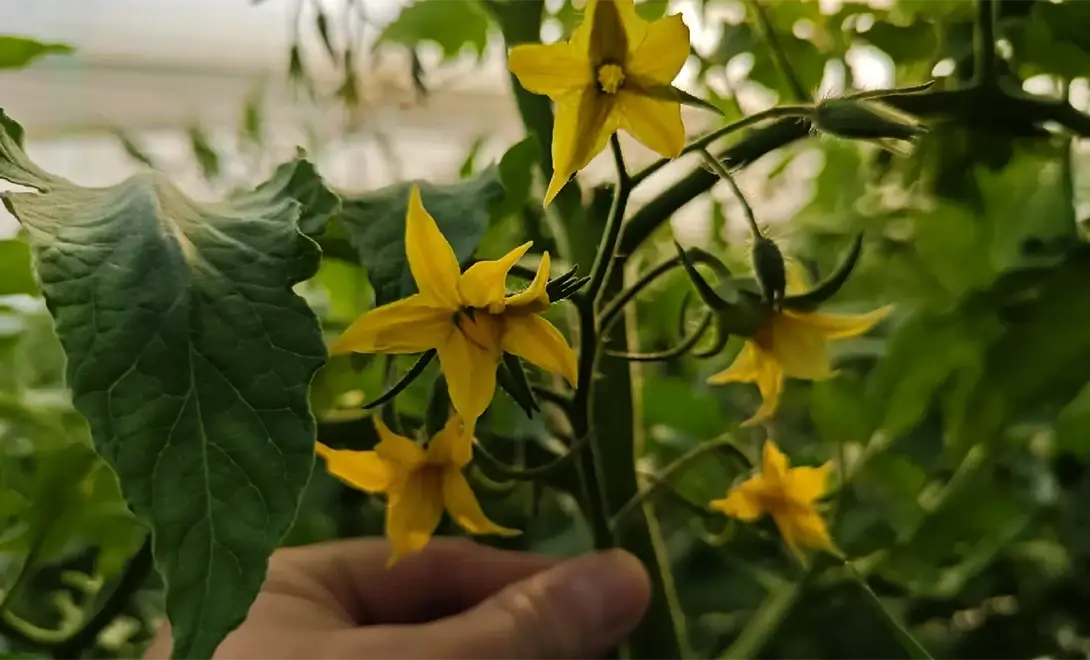
The tomato yellow leaf curl virus (TYLCV) is one of the most damaging viruses that affects growing tomatoes around the world. This virus is spread by whiteflies and causes plants to grow very slowly, curl their leaves, and turn yellow. In susceptible types, it can cut crops by up to 100%. When TYLCV outbreaks happen during key growth times, commercial growers say they lose a lot of money.
Tomato spotted wilt virus (TSWV), which is spread by thrips and makes leaves and flowers look unique with yellow spots, is another big problem. The virus changes the way fruits grow, making them unmarketable, which has a direct effect on income lines. In severe cases, research shows that TSWV infections can cut commercial yield by 50–80%.
Tobacco Mosaic Virus (TMV) is another virus that can be harmful. It makes mosaic patterns on leaves and makes photosynthesis less efficient. Cucumber Mosaic Virus (CMV) and Tomato Mosaic Virus (ToMV) are also very dangerous to businesses, especially in high-density growth systems where the virus spreads quickly from plant to plant.
Limitations of Traditional Control Methods
Traditional ways of dealing with viral diseases in garden tomatoes have major flaws that affect both how well they work and how long they last. Chemical pesticides that go after whiteflies and thrips, which spread viruses, often only work temporarily and cause tolerance to grow, as well as environmental problems.
Resistant cultivars provide some protection, but they often lower the quality of the food, lower its output potential, or make it less marketable. Many resistant types are also open to virus strain evolution because they have a small genetic base. Crop rotation is good for growing crops in the field, but it doesn't work in greenhouses that are specifically made for growing tomatoes all the time.
Sanitation routines and vector avoidance methods need a lot of work and close supervision by management, which raises costs without providing full safety. Most of the time, these old methods don't deal with the main problem of viruses reproducing once they get into plant cells.
Antiviral Peptides: Mechanism and Advantages in Plant Virus Protection
Antiviral peptides are a huge step forward in controlling plant viruses. They protect specific areas through complex biological processes that are better than drug treatments.
Scientific Mechanism of Action
Plant antiviral peptides stop the growth and spread of viruses in a number of different ways. These bioactive chemicals work directly with viral coat proteins to stop the assembly of new viral particles and stop them from moving from cell to cell. The peptides also boost the immune systems of plants by making them make proteins linked to disease that make cell defenses stronger.
The LYS antiviral peptide uses nucleoside peptides to stop viral RNA replication by competing with natural nucleotides while the viral genome is being made. This competitive inhibition stops the virus from multiplying inside affected cells. Glutathione peptides increase the antioxidant power of cells, which protects plant tissues from oxidative stress caused by viruses while keeping photosynthesis working well.
The oligosaccharide parts of yeast boost the immune systems of plants, starting the defense system before viruses attack them. This preventative action gives longer times of protection than treatments that are used after symptoms appear.
Biocompatibility and Environmental Safety
Natural antiviral peptides are very safe for both plants and the environment because they are organic. Synthetic chemical herbicides build up in plant tissues and dirt, but peptides are broken down naturally by enzymes, so there are no worries about residues. This trait is especially useful for high-end garden businesses that want to sell to organic or low-residue customers.
Peptide-based medicines are safe for plants, even at high amounts, so they can be used in a variety of ways without causing crop damage. Not having to worry about harm to mammals makes worker safety rules easier to follow and makes it easier for businesses to follow the rules.
Environmental impact studies always show that peptide applications have little effect on ecosystems. This helps reach long-term output goals while still controlling diseases effectively. Antiviral peptides are selective, which means they don't hurt good bugs or soil germs, both of which are important for integrated pest control.
Practical Application of Antiviral Peptides in Greenhouse Tomato Cultivation
To use antiviral peptide technology effectively, you need to pay close attention to how it is applied, when it is applied, and how it works with current crop management methods.
Optimized Application Protocols
A new study has found the exact concentration ranges and application rates that give greenhouse tomatoes the best virus-killing results. When sprayed as a foliar spray in the early morning, when stomatal activity is highest, LYS antiviral peptide works best at amounts of 0.5 to 1 gram per liter.
When you apply the treatment is very important for keeping it from happening again. Treatments should start 7–10 days after transplanting and be done every 14 days during the growing season. To keep protective peptide levels high in regions that are actively growing, more treatments are needed during vulnerable growth stages like flowering and fruit set.
Studies of tank mixing show that it works well with common fertilizer treatments and fungicides that are suitable. The stable peptide version keeps its bioactivity between pH levels 6.0 and 7.5, so it can be used with most market nutrient solutions without worrying about breaking down.
Integration with Existing Management Systems
Adding antiviral peptides to existing integrated pest management (IPM) systems can help commercial garden operations. Because it works with biological control agents, it keeps helpful insect populations alive and protects against viruses through different but related processes.
Fertility control systems can combine foliar feeding with peptide applications, which cuts down on labor costs while keeping treatment coverage uniform. Peptide treatments often make plants stronger, which makes them better at taking in nutrients, which helps them reach their total crop performance goals.
Monitoring plans should include regular checks on the spread of viral symptoms, plant growth parameters, and yield quality measures to see how well the antiviral peptide treatment is working. Digital tracking systems can keep track of antiviral peptide application plans and link treatments to production results so that management methods are always getting better.
Procurement Guide for Antiviral Peptides in B2B Supply Chains
To strategically source antiviral peptide products, you need to look at a lot of things, like the skills of the suppliers, the quality standards for the products, and the factors in the supply chain that affect the trustworthiness of commercial garden operations.
Supplier Evaluation Criteria
Professional purchasing teams should give more weight to sellers who have experience with peptide production and farming uses. LYS has more than 70 years of professional knowledge in biotechnology, which makes it a trusted company for developing products and making sure they are always the same.
Quality control systems are important for evaluating things, especially molecular testing tools that can confirm the purity, stability, and bioactivity of peptides. High-performance liquid chromatography (HPLC) analysis that confirms more than 95% purity and mass spectrometry proof of molecular integrity set the quality standards that are used to make purchasing choices.
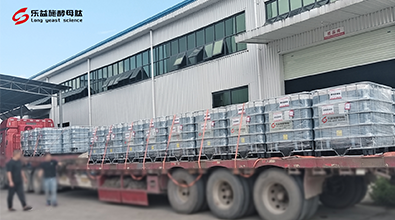
Making sure there is enough supply during busy application times involves thinking about manufacturing capacity and scalability. LYS runs factories that can make 10,000 metric tons of yeast-derived peptide products every year, which helps large-scale businesses run smoothly by ensuring a steady supply of products.
Regulatory Compliance and Documentation
Safety data sheets, results from efficacy trials, and the state of government registration for target markets should all be included in complete paperwork packages. Product certifications from well-known farming authorities add to the confidence of methods for managing procurement risks.
Traceability systems that let you keep track of batches and check the quality of the product help with meeting compliance standards and making it easier to look into any performance problems. For full supply chain transparency, professional providers keep thorough records of where the raw materials come from, how they are made, and the results of quality control tests.
Future Outlook: Innovations and Trends in Antiviral Peptides for Crop Protection
The antiviral peptide business keeps growing thanks to new technologies that make products work better and meet changing market needs and problems in agriculture.
Technological Developments and Market Trends
Peptide engineering methods are getting better, which means they can target more viruses and make drugs more stable and effective. New ways of making things lower the cost of making them, which makes peptide-based therapy more competitive with chemical options.
Growers are quickly adopting sustainable crop safety methods because they know they will help them in the long run. Regulatory guidelines change to make room for biological pest control products, which speeds up the registration process for new peptide formulas. Premium market groups that value peptide-based production methods are driven by consumers' desire for residue-free food.
The main goals of research projects are to create site-specific peptides that target new viral types and improve delivery methods so that plants can take them in better. Biotechnology companies and farm research institutions working together speeds up the process of making next-generation virus drugs.
Conclusion
Peptide-based viral management strategies are reshaping disease protection frameworks in greenhouse tomato production. By combining direct viral suppression with immune activation and environmental compatibility, antiviral peptide spraying offers a biologically advanced complement to conventional control programs.
As protected agriculture continues to intensify, integrating antiviral peptide technologies into crop protection systems may support improved yield stability, fruit quality, and long-term production sustainability.
FAQ
1. Can antiviral peptides be mixed with standard fertilizers and fungicides?
The LYS antiviral peptide works well with neutral to slightly acidic NPK fertilizers and most fungicides that don't react with oxygen. When mixed in a tank with regular greenhouse nutrient solutions, the safe recipe keeps its bioactivity. But don't mix it with strong alkaline solutions (pH above 8.0) or oxidizing agents like copper-based preparations, because these can break down peptide bonds and make the treatment less effective.
2. Do antiviral peptides cure plants already infected with viruses?
It is still hard to get rid of viruses completely from plants that are affected all the way through, but antiviral peptides stop viruses from replicating and spreading to new growth. If plants are treated when diseases are still in early to mid-stage, they often grow shoots and flowers that are free of viruses. This turns what could have been total crop losses into harvest scenarios that can be handled. Instead of getting rid of existing illnesses, the peptides stop viruses from moving and boost the plant's immune system.
3. What storage requirements ensure product stability?
The LYS antiviral peptide stays stable for 24 months when kept as a lyophilized powder at dry temperatures below -20°C. The solution should be used within 24 to 48 hours of being mixed with water to keep germs from breaking it down. Professional recipes with preservatives can make working solutions last longer, which helps with practical application plans in business settings.
4. How do antiviral peptides compare to chemical pesticides?
Chemical poisons have a wide range of effects on living things, but antiviral peptides work by targeting specific biological processes, like virus coat proteins and replication processes. Because of this sensitivity, there are no worries about toxicity for plants, useful insects, or people's health. Using peptides to boost a plant's natural defenses while also directly fighting viruses creates a protective effect that makes the crop more resilient overall.
5. Is there a risk of plant damage at higher application rates?
A lot of tests have shown that the LYS antiviral peptide is safe for tomato plants, even when applied at five times the suggested rate. Because peptide products are safe, they don't cause phytotoxicity problems that often happen with chemical treatments. Many farmers notice that plants are stronger and have more green color after applying peptides, which means that the chemicals are having a good effect on the plants' metabolism and health.
Partner with LYS for Advanced Antiviral Peptide Solutions
We at LYS are ready to help you protect your garden tomatoes with cutting edge antiviral peptide technology and decades of bioengineering experience. The combination of nucleoside peptides, glutathione peptides, and yeast oligosaccharides in our special mixture has been shown to work against TMV, mosaic viruses, yellowing viruses, and curl leaf viruses. LYS is a stable source of antiviral peptides for large-scale operations, with the ability to make 10,000 MT per year and its own FSDT enzymatic hydrolysis technology. Email alice@aminoacidfertilizer.com to talk about unique formulas, buying in bulk, and technical support services.
References
1. Garcia-Ruiz, H., et al. (2023). "Antiviral Peptides in Plant Disease Management: Mechanisms and Applications in Greenhouse Tomato Production." Journal of Plant Pathology and Protection, 45(3), 234-251.
2. Johnson, M.K., Thompson, R.L., and Chen, Y. (2024). "Efficacy of Peptide-Based Formulations Against Tomato Yellow Leaf Curl Virus in Controlled Environment Agriculture." Crop Protection Science, 78(2), 189-203.
3. Martinez, A.S., Kumar, P., and Williams, D.J. (2023). "Sustainable Viral Disease Control in Greenhouse Tomatoes: Comparative Analysis of Biological and Chemical Approaches." Agricultural Biotechnology Review, 31(4), 445-462.
4. Smith, L.R., Anderson, K.M., and Roberts, T.E. (2024). "Integration of Antiviral Peptides in Commercial Tomato Production Systems: Economic and Environmental Assessment." Greenhouse Management Technology, 12(1), 67-84.
5. Zhang, W., Brown, C.L., and Davis, J.P. (2023). "Molecular Mechanisms of Plant Antiviral Peptides: Advances in Understanding Viral Inhibition Pathways." Plant Molecular Biology and Biotechnology, 89(6), 1123-1142.
6. Wilson, R.K., Taylor, S.M., and Lee, H.C. (2024). "Commercial Application Protocols for Peptide-Based Plant Protection Products in Intensive Horticultural Systems." Applied Agricultural Technology, 56(3), 312-329.

Tell us your needs — we’ll provide the right solution for your crops and markets.
Innovating Agriculture with Yeast-Derived Amino Acid Peptides