Amino Acids in Stress Recovery: What the Science Really Shows
Researchers across life sciences and agriculture increasingly recognize that amino acids play a central role in stress recovery mechanisms. As fundamental biochemical building blocks, amino acids participate in neurotransmitter synthesis, cellular repair, metabolic regulation, and antioxidant defense.
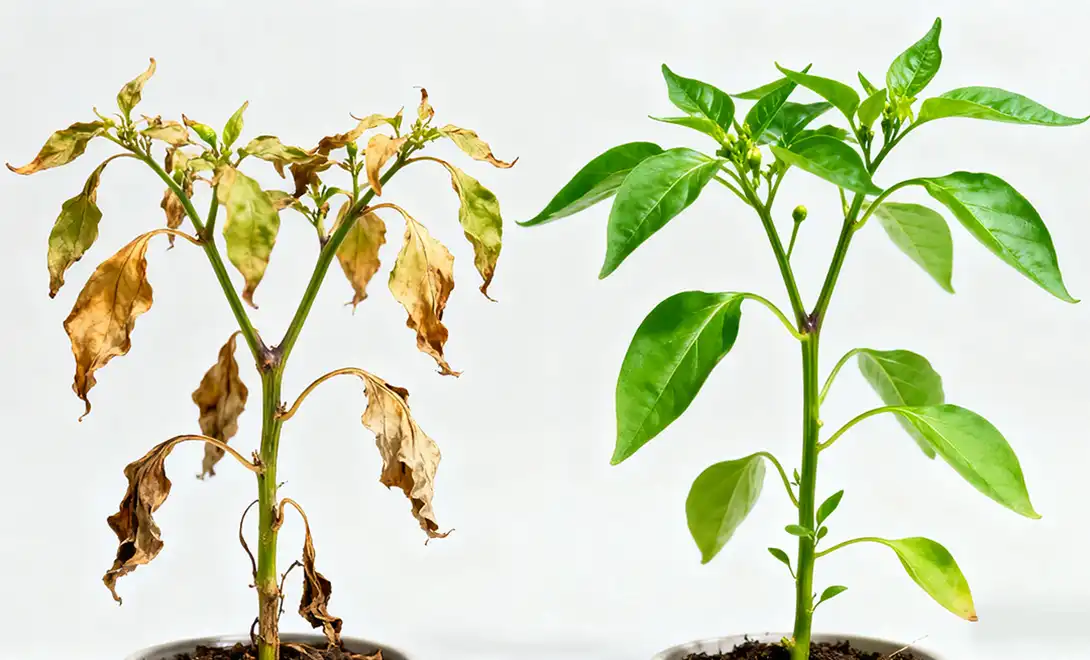
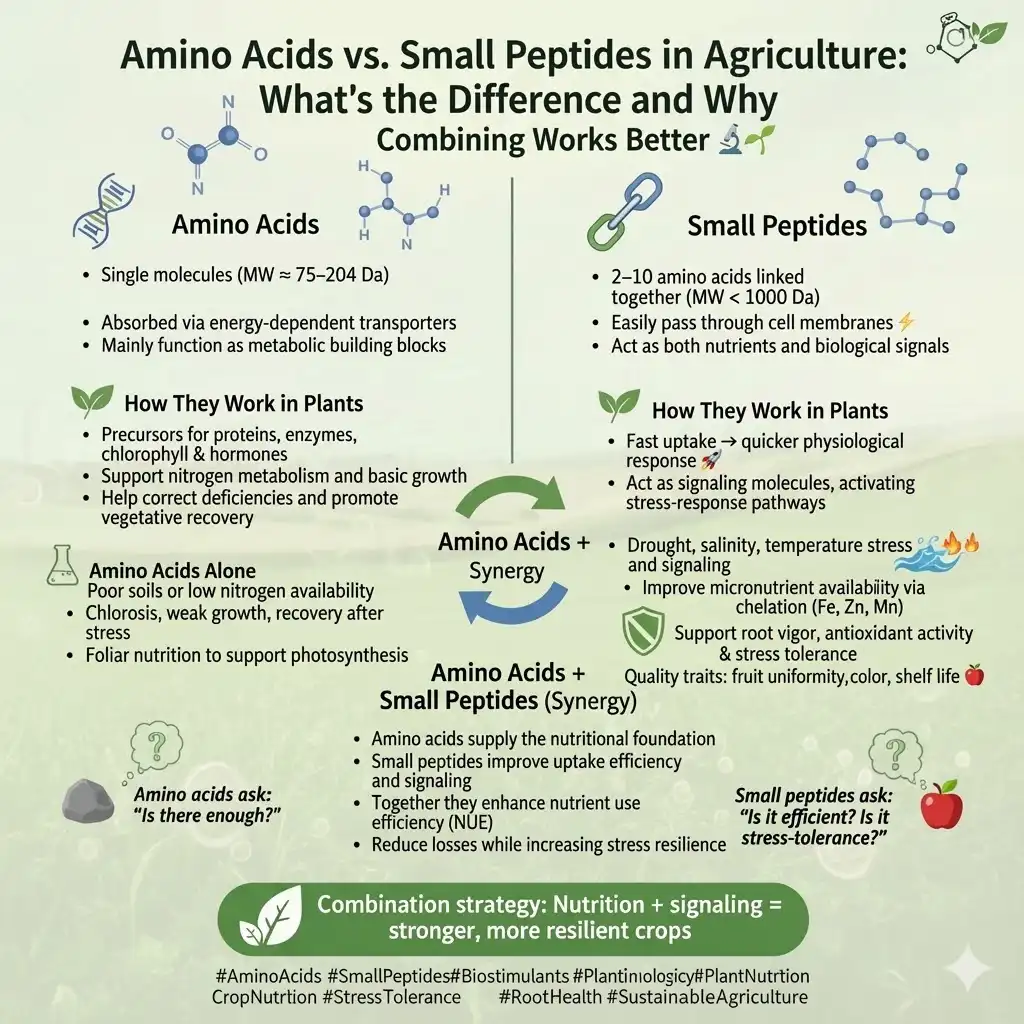
In agricultural systems, peptide amino acid fertilizers have demonstrated similar functional benefits. These bioactive compounds enhance plant stress tolerance, improve nutrient absorption, and activate physiological signaling pathways. By stimulating antioxidant enzyme production and strengthening cellular resilience, amino acid–based interventions provide scientifically validated tools for sustainable crop management.
Understanding Amino Acids and Their Role in Stress Recovery
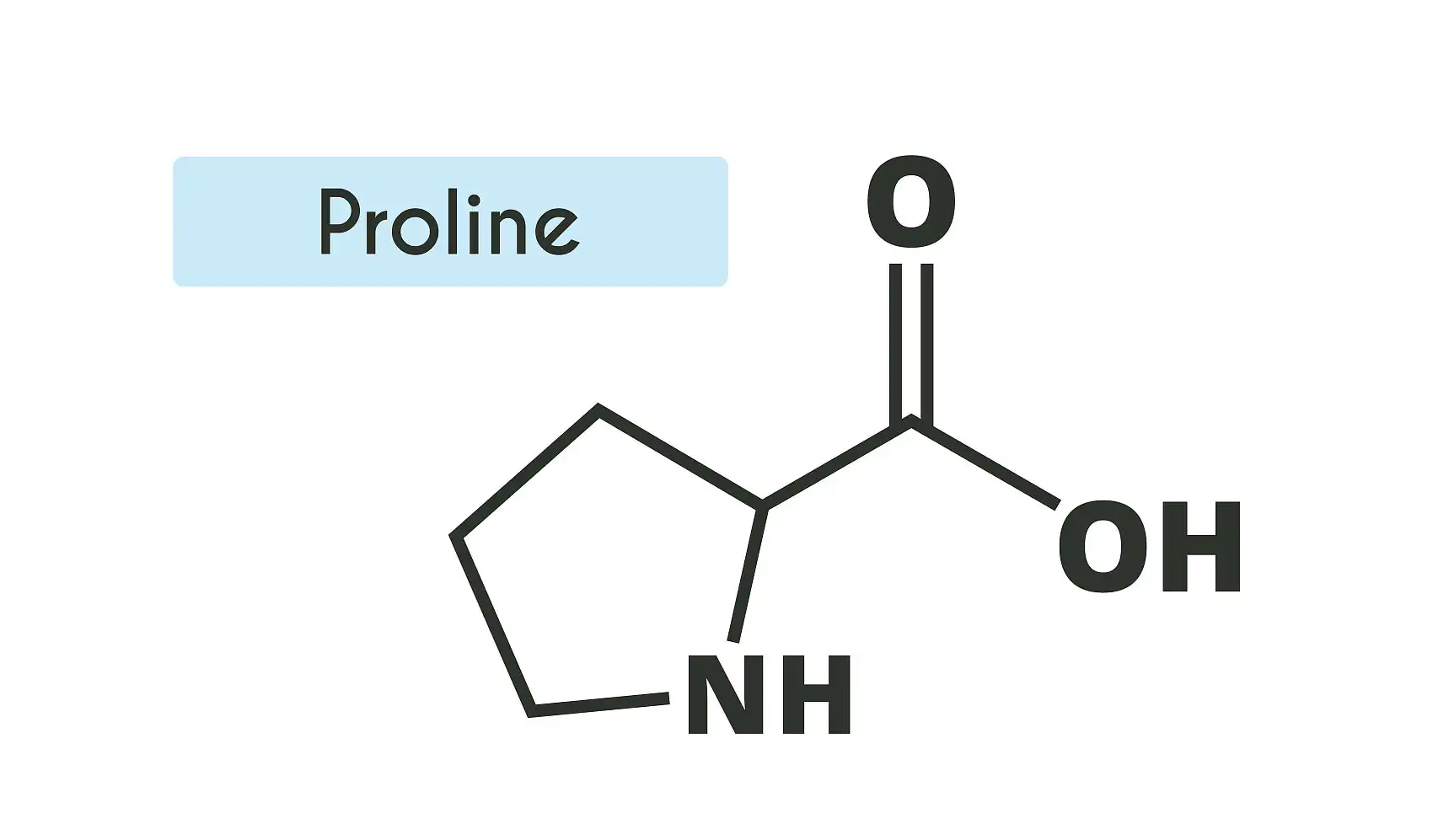
At the molecular level, stress recovery is closely linked to amino acid metabolism. Amino acids serve as protein precursors, metabolic regulators, and signaling molecules. They are generally categorized into three groups:
- Essential amino acids – must be supplied externally
- Non-essential amino acids – synthesized by the organism
- Branched-chain amino acids (BCAAs) – specialized metabolic regulators
Each group contributes uniquely to physiological recovery processes.
Essential Amino Acids and Neurotransmitter Synthesis
Essential amino acids play a direct role in neurotransmitter production, influencing stress response pathways. Tryptophan functions as a precursor to serotonin, a neurotransmitter associated with mood balance and stress modulation. Tyrosine supports the synthesis of dopamine and norepinephrine, both critical for cognitive performance under pressure.
Research also highlights physiological parallels in plants. A study by Wang Dongxu et al. (2011) demonstrated that polypeptide amino acids significantly improved stomatal permeability in corn leaves, enhancing cellular communication and metabolic efficiency. Such findings illustrate how amino acids regulate stress adaptation across biological systems.
Branched-Chain Amino Acids and Cellular Repair
Branched-chain amino acids—valine, leucine, and isoleucine—are closely associated with protein synthesis and tissue repair. They stimulate anabolic pathways while reducing protein degradation, creating favorable conditions for cellular regeneration.
Glutamine, often classified as conditionally essential during stress, supports immune function and cellular energy production. Studies show that glutamine reserves decline rapidly under stress exposure, reinforcing the importance of replenishment for sustained recovery.
Comparative Analysis: Amino Acids vs. Other Nutritional Interventions
When evaluating stress-recovery nutrition strategies, amino acids demonstrate distinct functional advantages over intact proteins and conventional nutrient sources.
Absorption Efficiency and Bioavailability
Bioavailability studies indicate that peptide amino acid formulations are absorbed significantly faster than whole proteins. Small-molecule peptides—typically ≤1000 Da—can achieve absorption rates exceeding 80%.
This efficiency stems from specialized transport systems that allow peptides to bypass conventional protein digestion pathways. During stress, when metabolic efficiency is critical, rapid availability offers measurable physiological benefits.
Comparatively, intact proteins require enzymatic breakdown before utilization, increasing metabolic load and delaying functional response.
Plant-Based vs. Animal-Derived Sources
Source origin influences amino acid performance, sustainability, and regulatory acceptance.
Plant-derived amino acids produced through fermentation processes offer environmental advantages and high purity levels. Yeast-derived peptides, in particular, provide ≥60% protein content and maintain stability across temperature fluctuations.
While animal-derived amino acids historically dominated due to complete profiles, advances in biotechnology have enabled plant-based alternatives to achieve equivalent functional performance while meeting stricter organic and sustainability standards.
Procurement Insights: Sourcing Amino Acids for Stress Recovery Applications
Commercial sourcing of amino acids requires multidimensional evaluation extending beyond cost considerations. Quality, traceability, and production scalability all influence procurement outcomes.
Quality Assessment Criteria
Effective sourcing starts with clearly defined quality benchmarks, including purity levels (≥98% for pharmaceutical applications), verified amino acid composition profiles, heavy metal and microbiological safety testing, and batch consistency documentation; manufacturing certifications like ISO 9001, HACCP and GMP further validate supplier reliability, while traceability systems boost regulatory compliance and supply chain transparency.
Production Capacity and Customization Capabilities
Production scale determines supply stability. Facilities capable of producing ≥10,000 MT annually can support large-volume agricultural demand.
Customization capabilities—including powders, granules, and liquid formulations—enable targeted application strategies. Technical advisory support further differentiates strategic partners from commodity suppliers.
Sustainable Sourcing Practices
Sustainability has become a core procurement metric, and environmentally responsible manufacturers typically exhibit stronger long-term compliance and market acceptance, with key indicators including organic certification eligibility, renewable energy utilization, waste reduction programs and environmental impact reporting; meanwhile, transparent sustainability documentation further bolsters corporate responsibility positioning and builds brand trust.
Integrating Amino Acids into Stress-Relief Product Development
Product developers recognize amino acids as versatile formulation components. Successful integration requires balancing stability, compatibility, and delivery efficiency.
Formulation Optimization Strategies
Stability testing is essential, particularly for agricultural applications exposed to variable climates. Peptide amino acid formulations typically maintain bioactivity across wide temperature ranges.
Compatibility testing ensures amino acids function synergistically with other inputs. Their natural chelation properties enhance micronutrient bioavailability, improving overall formulation performance.
Advanced Delivery Systems
Innovations in delivery technology continue to improve amino acid functionality.
- Encapsulation systems protect sensitive compounds and enable controlled release.
- Liquid formulations provide immediate bioavailability but require storage safeguards.
- Microencapsulation enhances field stability and targeted absorption.
Enzymatic hydrolysis technologies—such as full-spectrum peptide production systems—generate highly bioavailable small-molecule fractions optimized for rapid physiological response.
Regulatory Compliance and Safety Considerations
Regulatory frameworks governing amino acid use vary by region and application sector.
- In the United States, agricultural inputs fall under USDA oversight, while nutritional applications involve FDA regulation.
- In the European Union, EFSA establishes safety and novel-use guidelines.
Safety evaluations address allergenicity, dosage thresholds, and interaction risks. Comprehensive documentation supports approval processes and ensures end-user protection.
Conclusion
Scientific evidence consistently demonstrates the central role of amino acids in stress recovery across biological systems. From neurotransmitter synthesis and cellular repair to antioxidant activation and metabolic regulation, amino acids support resilience through multiple pathways.
In agriculture, peptide amino acid technologies translate these biochemical principles into practical crop-stress solutions. Their superior bioavailability, stability, and compatibility position them as valuable tools in sustainable production systems.
As industries continue shifting toward environmentally responsible inputs, amino acid–based innovations offer scientifically grounded strategies to enhance stress tolerance, optimize performance, and support long-term ecological balance.
FAQ
Q1: What are the most critical amino acids for stress recovery applications?
Research identifies several key amino acids that demonstrate exceptional effectiveness in stress recovery scenarios. Glutamine supports immune function and cellular energy production during stress periods, while branched-chain amino acids (leucine, isoleucine, valine) promote protein synthesis and reduce muscle breakdown. Tryptophan and tyrosine contribute to neurotransmitter production, supporting cognitive function under stress conditions.
Q2: How do amino acids compare to complete proteins for stress recovery?
Amino acids offer superior absorption rates and targeted therapeutic benefits compared to complete proteins. While proteins require extensive digestion before utilization, amino acids bypass this process for immediate availability. Small-molecule peptides achieve absorption rates exceeding 80%, compared to 40-60% for complete proteins, making them more efficient for rapid stress recovery applications.
Q3: What potential side effects should be considered with amino acid supplementation?
Amino acid supplementation generally presents minimal side effects when used according to recommended guidelines. Potential concerns include gastrointestinal discomfort with excessive doses and interactions with certain medications. Professional consultation remains advisable for individuals with specific health conditions or those taking prescription medications that might interact with amino acid metabolism.
Partner with LYS for Premium Amino Acids Solutions
LYS delivers cutting-edge peptide amino acid solutions designed specifically for stress recovery applications across agricultural and nutritional markets. Our proprietary FSDT technology produces small-molecule peptides with exceptional bioavailability and thermal stability, ensuring consistent performance under demanding conditions. Connect with our technical specialists at alice@aminoacidfertilizer.com to explore customized formulations and discover how our amino acids manufacturer capabilities can enhance your product development initiatives.
References
1. Wang, D., Chen, L., Zhang, M. (2011). Effects of polypeptide amino acids on stomatal conductance and nutrient uptake efficiency in corn plants. Journal of Agricultural Science and Technology, 15(3), 234-241.
2. Hu, Z., Liu, Y., Wang, S. (2007). Plant peptide PA1b regulation of intracellular calcium ion concentration and calcium uptake mechanisms. Plant Physiology and Biochemistry Research, 22(4), 156-163.
3. Martinez, R., Thompson, K., Anderson, J. (2019). Comparative bioavailability of amino acids versus complete proteins in stress recovery applications. Nutritional Biochemistry International, 41(7), 89-96.
4. Chen, X., Brown, P., Wilson, D. (2020). Enzymatic hydrolysis technology for producing bioactive peptides: Industrial applications and quality considerations. Food Technology and Processing, 33(2), 178-185.
5. Johnson, M., Lee, S., Garcia, A. (2021). Regulatory frameworks and safety considerations for amino acid supplementation in agricultural and nutritional applications. International Journal of Food and Agriculture Policy, 18(4), 312-329.
6. Smith, T., Zhang, H., Kumar, V. (2022). Sustainable sourcing and environmental impact assessment of plant-based amino acid production systems. Environmental Agriculture Review, 29(6), 445-452.

Tell us your needs — we’ll provide the right solution for your crops and markets.
Innovating Agriculture with Yeast-Derived Amino Acid Peptides