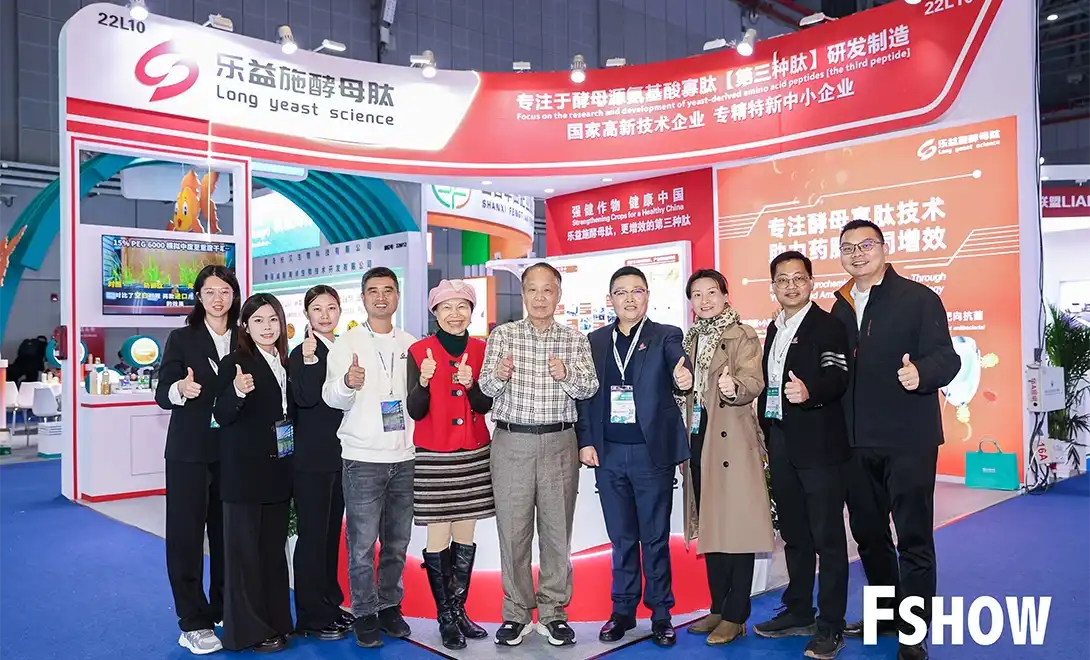
Amino Acid Biostimulants: Beyond Basic Plant Nutrition
For many years, amino acid products in agriculture have primarily been evaluated based on one indicator: total amino acid content.However, as biostimulant technology advances, formulators and agronomists have come to realize that not all amino acid products deliver the same biological response. Two products may contain similar amino acid levels, yet yield vastly different results in the field.The difference lies in how plants perceive and utilize these compounds.
Modern amino acid biostimulants are no longer viewed simply as nutrient supplements. Instead, they are increasingly regarded as metabolic regulators capable of influencing nutrient assimilation, stress adaptation, and crop performance at the cellular level.
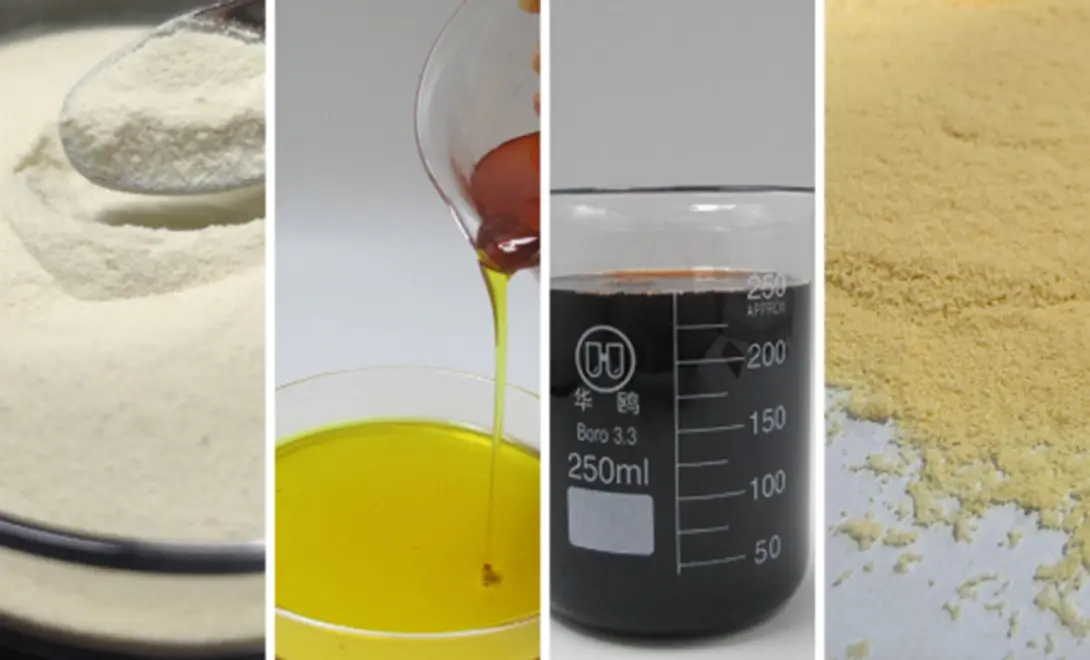

What Makes Amino Acid Biostimulants Different?
Traditional fertilizers supply nutrients that plants must absorb, transport, and convert into usable biological compounds.Amino acid biostimulants operate differently.Rather than serving solely as nutrient sources, they provide compounds that already participate in plant metabolic pathways. This reduces the energy plants must invest in synthesizing essential molecules from scratch.
Under favorable conditions, plants continuously produce amino acids to support protein synthesis, enzyme formation, and growth. During stress, however, a significant portion of metabolic energy is redirected toward survival.Providing amino acids and peptides externally can partially relieve this metabolic burden, allowing plants to allocate more resources to growth, flowering, fruit development, and recovery.
This is one reason amino acid biostimulants often perform best during periods of physiological stress rather than under ideal growing conditions.
Why Molecular Structure Matters
A common misconception is that higher amino acid content automatically means better performance.In reality, molecular composition is often more important than total concentration.
Amino acid biostimulants generally contain three categories of compounds:
Free Amino Acids
Free amino acids are the smallest building blocks of proteins.They can be absorbed directly by plants and participate in various metabolic processes. Certain amino acids also play specific physiological roles. For example, proline contributes to osmotic regulation, while glutamic acid is central to nitrogen metabolism.
Although valuable, free amino acids are not always the most efficient form for plant uptake.
Small Peptides
Small peptides consist of several amino acids linked together through peptide bonds.Research increasingly suggests that low-molecular-weight peptides possess biological functions beyond simple nutrition.Many peptides can interact with plant signaling systems, influencing root development, nutrient transport, and stress-response pathways.
Because plants possess dedicated peptide transport mechanisms, peptide-rich formulations often demonstrate greater bioactivity than products dominated by free amino acids alone.
Nucleotides and Associated Metabolites
Advanced fermentation-derived products may also contain nucleotides and other bioactive compounds.These molecules participate in cellular repair, energy transfer, and gene regulation processes.
For formulators developing premium biostimulants, the combination of peptides and nucleotides offers opportunities to create more sophisticated products that target both nutrition and physiological performance.
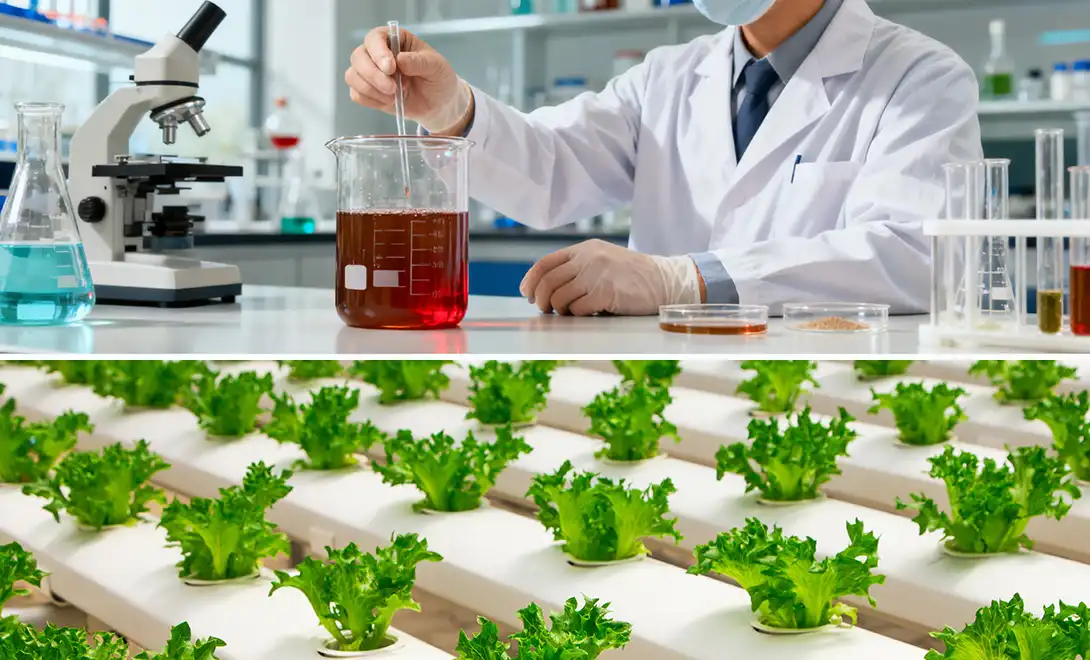
How Amino Acid Biostimulants Influence Crop Metabolism
The effects of amino acid biostimulants extend far beyond nitrogen supplementation.
Supporting Nitrogen Assimilation
Nitrogen absorbed from fertilizers must be converted into amino acids before it can be incorporated into proteins.External amino acids help simplify this process by supplying preformed organic nitrogen compounds.As a result, plants can often utilize available nitrogen more efficiently, particularly during periods of rapid growth.
Enhancing Enzyme Activity
Plant metabolism depends on thousands of enzyme-driven reactions.Many amino acids serve as enzyme precursors or metabolic intermediates. Their presence can support biochemical processes involved in photosynthesis, respiration, carbohydrate metabolism, and nutrient transport.Improved enzymatic activity often translates into stronger vegetative growth and more efficient nutrient utilization.
Facilitating Stress Recovery
Environmental stress frequently triggers oxidative damage within plant tissues.Amino acids and peptides contribute to the synthesis of antioxidant compounds that help neutralize reactive oxygen species.This protective function becomes particularly valuable following drought, heat stress, salinity exposure, transplant shock, or pesticide injury.Rather than preventing stress entirely, amino acid biostimulants help plants recover more rapidly and maintain metabolic activity under challenging conditions.
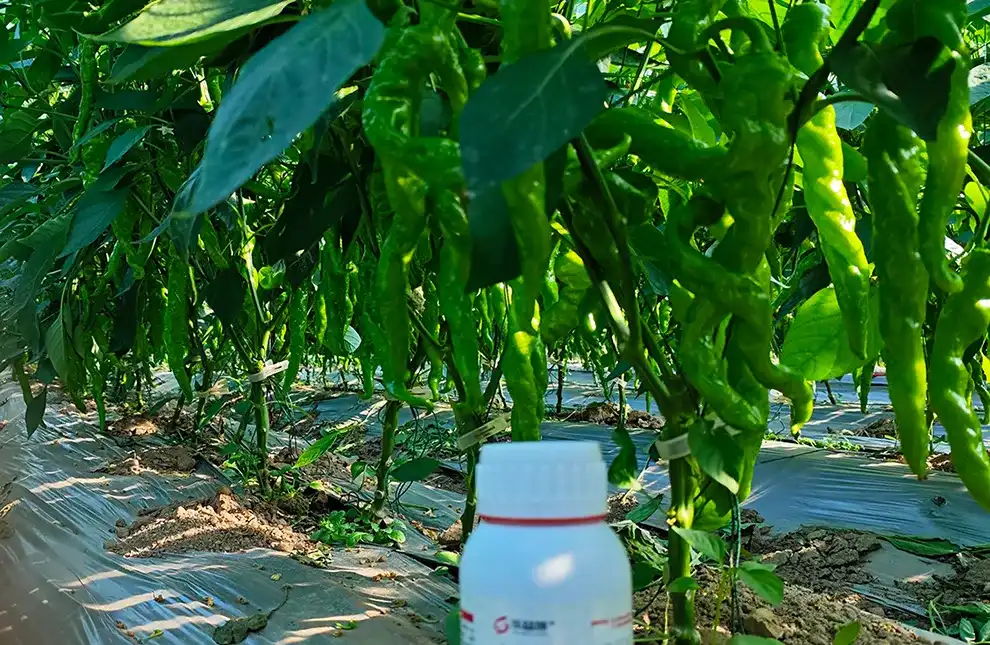
Choosing the Right Amino Acid Biostimulant
For formulators and procurement professionals, product selection requires more than comparing amino acid percentages.Several technical factors deserve closer attention.
Source Material
The biological profile of a biostimulant depends heavily on its raw material source.Plant hydrolysates, animal proteins, and yeast-derived materials each produce distinct amino acid and peptide compositions.Yeast-derived products are receiving increasing attention because they naturally contain peptides, amino acids, nucleotides, vitamins, and fermentation metabolites within a single ingredient.
Hydrolysis Technology
Manufacturing technology directly affects peptide quality.Harsh acid hydrolysis often generates large quantities of free amino acids but may destroy sensitive bioactive compounds.
Enzymatic hydrolysis offers greater control over peptide size distribution and helps preserve functional molecules.For advanced formulations, peptide profile is often more important than total amino acid content.
Molecular Weight Distribution
Low-molecular-weight fractions generally exhibit higher biological activity.Many formulators consider the proportion of peptides below 1000 Da an important quality indicator because these molecules are more readily absorbed and utilized by plants.
Formulation Compatibility
Compatibility remains critical for commercial applications.Amino acid biostimulants should remain stable in liquid fertilizers, suspension concentrates, soluble powders, and tank-mix systems.Products with low salt content and excellent solubility are often easier to incorporate into complex formulations.
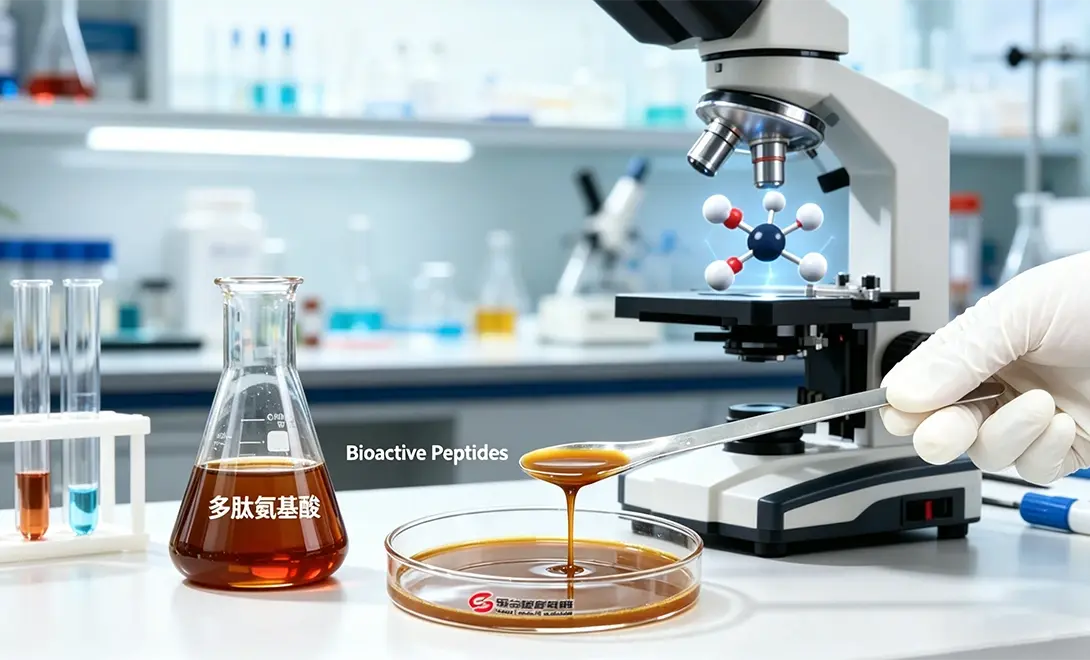
The Future of Amino Acid Biostimulants
The next phase of biostimulant development is moving away from simple nutrient replacement and toward targeted biological functionality.Researchers are increasingly focusing on identifying specific peptide fractions that trigger measurable physiological responses.At the same time, advances in fermentation technology, enzymatic processing, and molecular characterization are enabling manufacturers to develop more consistent and specialized products.
Future formulations are likely to combine peptides, nucleotides, microbial metabolites, and other bioactive compounds into integrated biostimulant systems designed for specific crops and production goals.For formulators, this shift represents an opportunity to create differentiated products that deliver benefits beyond conventional nutrition.
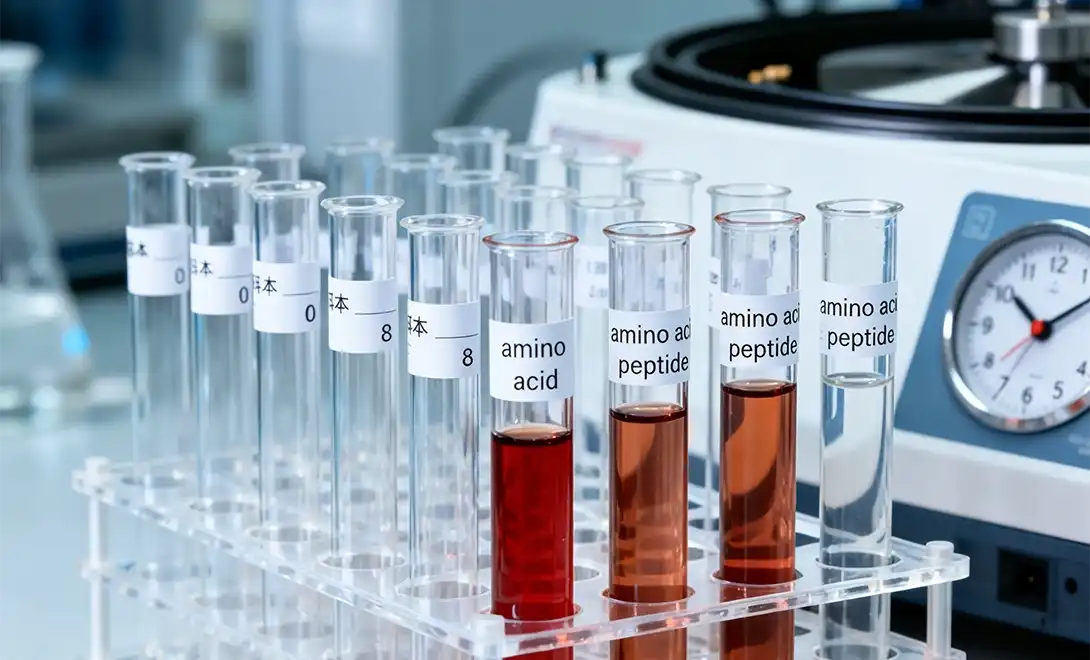
Conclusion
Amino acid biostimulants have evolved from simple nutrient supplements into sophisticated tools for improving plant metabolism and crop performance.
Their value does not come solely from supplying amino acids. Instead, it comes from their ability to support metabolic processes, improve nutrient utilization, enhance stress recovery, and influence plant physiology at multiple levels.
As the biostimulant industry continues to mature, understanding peptide composition, production technology, and biological functionality will become increasingly important for both formulators and procurement professionals seeking high-performance raw materials.
FAQ
Q1: What role do amino acid biostimulants play in sustainable agriculture?
Amino acid biostimulants help sustainable farming by making better use of nutrients, lowering the need for chemicals, and making plants more resistant to weather pressures. By using less fertilizer and better soil health care, these goods help farmers keep or boost their crop yields while having less of an impact on the environment.
Q2: How can I verify the quality of amino acid biostimulant suppliers?
As part of quality control, manufacturing certificates should be reviewed, analysis data on molecular weight distribution and purity levels should be requested, and field trial results should be looked at. Reliable providers give full technical paperwork, make sure they follow all the rules, and offer ongoing agronomic help to make sure the products work as well as they can.
Q3: Are amino acid biostimulants compatible with organic farming methods?
A lot of amino acid biostimulants are safe for organic certification, especially those that come from natural sources like yeast fermentation. Products that don't have any added chemicals or synthetic hormones are usually okay to use organically, but the exact standards for certification depend on the area and the group doing the certification.
Partner with LYS for Advanced Crop Metabolism Booster Solutions
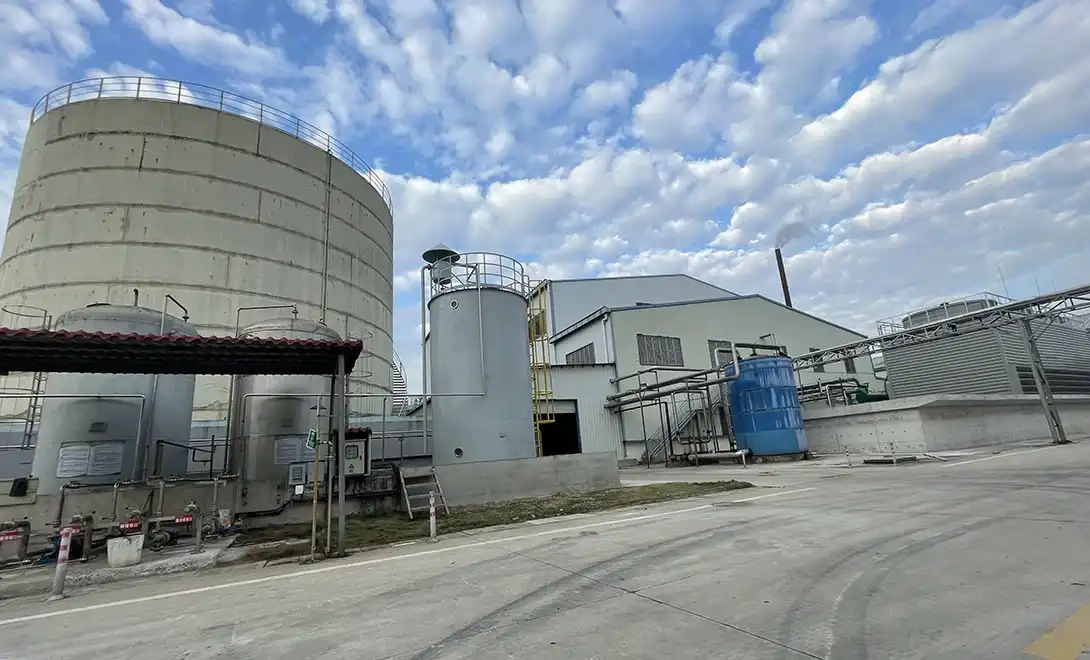
LYS Yeast Peptide amino acid biostimulants use cutting-edge enzymatic hydrolysis technology to help plants grow better. Our unique FSDT enzymatic hydrolysis system, which was created after 70 years of technological progress, makes bioavailable peptides that have been shown to work well in a wide range of farming settings. We keep our annual production at 10,000 MT and use modern filter and purification methods to make sure the quality stays the same. Our goods are very stable, compatible, and safe for the earth. Our full expert help, reasonable pricing, and reliable supply chain management are all good for agricultural distributors and large-scale farming businesses. Get in touch with alice@aminoacidfertilizer.com to talk about your Crop Metabolism Booster supply needs and find out how LYS can improve your farming success with biostimulant solutions that are based on cutting-edge science.
References
1. Chen, L. et al. "Enzymatic Hydrolysis Technologies in Yeast-Derived Agricultural Biostimulants: Process Optimization and Product Characterization." Journal of Agricultural Biotechnology, 2023.
2. Rodriguez, M. and Thompson, K. "Amino Acid Biostimulants in Sustainable Agriculture: Mechanisms, Applications, and Environmental Impact Assessment." International Review of Plant Nutrition, 2023.
3. Williams, J.A. "Peptide-Nucleotide Complexes in Plant Metabolism: Transport Efficiency and Biological Activity Enhancement." Plant Physiology and Biochemistry Research, 2024.
4. European Biostimulants Industry Council. "Regulatory Framework and Market Analysis for Amino Acid-Based Plant Biostimulants in European Agriculture." EBIC Technical Report, 2023.
5. Zhang, H. et al. "Comparative Analysis of Biostimulant Technologies: Performance Evaluation in Stress-Prone Agricultural Systems." Agricultural Technology Review, 2023.
6. Anderson, P.R. and Kumar, S. "Economic Impact Assessment of Metabolic Enhancement Technologies in Commercial Agriculture: Cost-Benefit Analysis and ROI Projections." Agricultural Economics Quarterly, 2024.

Tell us your needs — we’ll provide the right solution for your crops and markets.
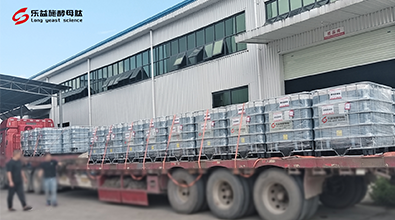
Innovating Agriculture with Yeast-Derived Amino Acid Peptides