How Agricultural Yeast Oligopeptides Improve Plant Stress Tolerance
Biostimulant developers are shifting their focus from simple nutrient supplementation toward bioactive ingredients that can actively regulate plant physiology.Among these emerging ingredients, Agricultural Yeast Oligopeptides have attracted growing attention. Produced through controlled enzymatic hydrolysis of Saccharomyces cerevisiae, these low-molecular-weight peptides function not only as nutrient carriers but also as biological signaling molecules that help plants respond more effectively to environmental stress.
For formulators developing the next generation of biostimulants, understanding the mechanism and application value of yeast oligopeptides is becoming increasingly important.
What Are Agricultural Yeast Oligopeptides?
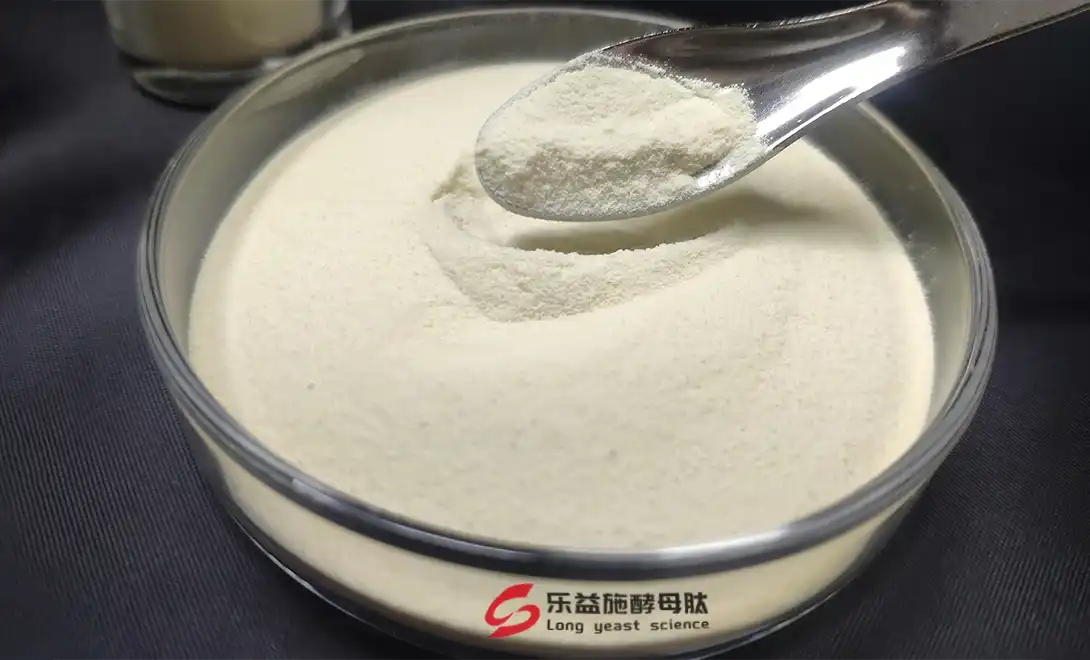
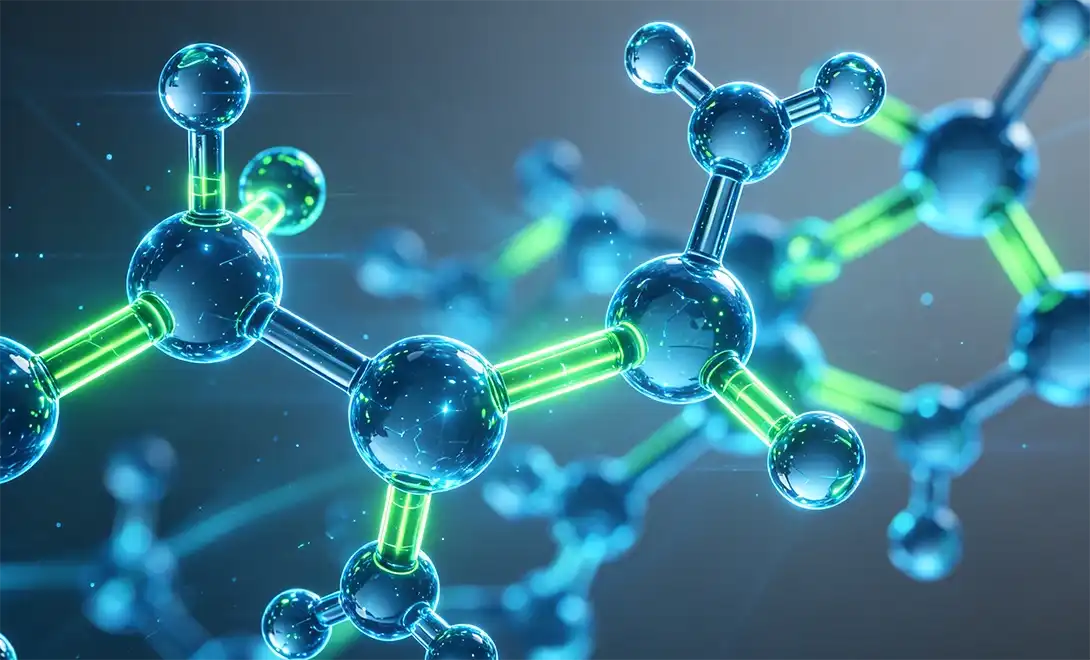
Agricultural Yeast Oligopeptides are small peptide fractions derived from yeast proteins through enzymatic hydrolysis.
Unlike conventional protein hydrolysates, high-quality yeast oligopeptides are characterized by a controlled molecular weight distribution, typically consisting of peptides containing 2–10 amino acid residues and molecular weights below 1000 Da.This molecular size range is particularly important because it allows rapid uptake by plant tissues while preserving biological activity.
At LYS Biotech, proprietary Full-Spectrum Directed Enzymatic Hydrolysis Technology (FSDT) is used to generate peptide fractions in which more than 80% of molecules are below 1000 Da.Besides small peptides, yeast oligopeptide concentrates naturally contain functional amino acids, nucleotides, organic nitrogen compounds, and bioactive metabolites. Together, these components create a multifunctional biostimulant ingredient that offers both nutritional and signaling functions.
Why Molecular Weight Matters
The effectiveness of peptide-based biostimulants is strongly influenced by molecular weight.
Large protein fragments often require additional enzymatic breakdown before utilization. Free amino acids can be rapidly metabolized but may lose important biological signaling functions.Small oligopeptides occupy the optimal middle ground.They can be absorbed efficiently while still maintaining structural features capable of interacting with plant receptors and signaling pathways.
This is one reason why peptide-rich yeast hydrolysates frequently outperform conventional amino acid products under stress conditions.
How Agricultural Yeast Oligopeptides Enhance Plant Stress Resistance
Activating Plant Defense Signaling
Plants continuously monitor environmental conditions through complex signaling networks. When exposed to drought, salinity, temperature fluctuations, or nutrient stress, they activate defense mechanisms designed to maintain cellular stability and metabolic activity.
Research suggests that specific peptide fractions can function as signaling molecules that trigger these natural defense responses. After absorption through roots or leaf tissues, oligopeptides interact with peptide receptors and activate downstream stress‑response pathways. Rather than supplying a direct growth stimulus, they help the plant prepare for and respond to adverse conditions more efficiently.
Enhancing Antioxidant Systems
One of the earliest physiological responses to stress is the accumulation of reactive oxygen species (ROS). Excessive ROS damages membranes, proteins, and cellular structures. Yeast oligopeptides have been associated with increased activity of key antioxidant enzymes, including superoxide dismutase (SOD), peroxidase (POD), and catalase (CAT). These enzymes help neutralize oxidative stress and protect cellular integrity. As a result, plants maintain higher photosynthetic efficiency and recover more rapidly following stress events.
Improving Osmotic Regulation
Water deficit and salinity stress disrupt cellular water balance. Yeast‑derived oligopeptides help regulate osmotic adjustment mechanisms that enable plants to retain water and maintain cell turgor. This effect proves particularly valuable during drought periods, under high salinity conditions, and during heat stress events. Improved osmotic regulation allows crops to sustain growth and productivity even when environmental conditions become unfavorable.
Protecting Cell Membrane Integrity
Cell membrane stability often serves as a key indicator of stress tolerance. Environmental stress can increase membrane permeability, causing nutrient leakage and metabolic disruption. Yeast oligopeptides support membrane stability by enhancing antioxidant protection and promoting cellular repair processes. This contributes to improved resilience and reduces physiological damage during stress exposure.
Why Yeast Oligopeptides Are Different from Conventional Amino Acid Products
Many agricultural products contain amino acids, but not all amino acid‑based products perform equally.
More Than a Nitrogen Source
Traditional amino acid fertilizers often rely on total amino acid content as the main evaluation metric. However, biological performance depends on much more than concentration alone. Free amino acids primarily function as nutrient sources, whereas yeast oligopeptides provide both nutrition and signaling activity. This dual functionality allows them to influence physiological processes that conventional amino acids may not effectively regulate.
Improved Uptake Efficiency
Plants possess dedicated peptide transport systems that facilitate the uptake of small peptide molecules. Compared with individual amino acids, oligopeptides can often move more efficiently into plant tissues and remain biologically active after absorption. For formulators, this means higher bioavailability and greater biological efficacy even at relatively low application rates.
Better Performance Under Stress
One limitation of many nutritional products is that nutrient uptake declines when plants experience stress. Oligopeptides, in contrast, continue to provide benefits even when normal metabolic activity slows down. This makes them particularly valuable in biostimulant formulations designed for stress management and crop recovery.
Synergies with Modern Biostimulant Formulations
One of the most attractive characteristics of yeast oligopeptides is their compatibility with other functional ingredients.
Combining with Seaweed Extracts – Seaweed extracts provide hormone‑like compounds, polysaccharides, and osmoprotectants. When formulators combine them with yeast oligopeptides, they can create products that simultaneously support stress signaling, root development, antioxidant activity, and water management. This combination is increasingly common in premium biostimulant products targeting abiotic stress.
Combining with Humic and Fulvic Acids – Humic substances improve nutrient availability and root‑zone activity, while oligopeptides complement these effects by enhancing nutrient utilization inside plant tissues. Together, they support both soil‑level and plant‑level physiological responses.
Supporting Microbial‑Based Products – Beneficial microorganisms require a favorable environment to establish and perform. Yeast‑derived peptides and organic nitrogen compounds can support microbial metabolism while simultaneously stimulating plant responses. This creates opportunities for integrated biological formulations with multiple modes of action.
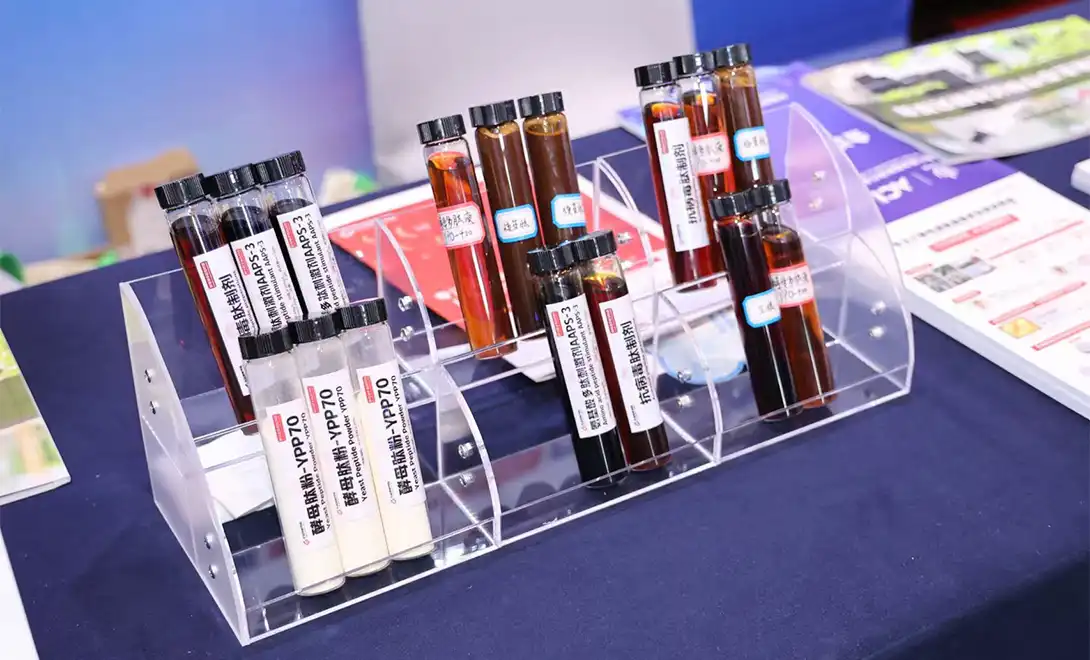
Why Biostimulant Developers Are Turning to Yeast Oligopeptides
The biostimulant industry is evolving rapidly.Growers increasingly demand products that deliver measurable performance under real-world stress conditions.As a result, formulators are moving away from simple nutrient blends and toward scientifically supported active ingredients.
Agricultural Yeast Oligopeptides offer several advantages:
- High biological activity
- Excellent water solubility
- Controlled molecular weight distribution
- Strong compatibility with formulation ingredients
- Multifunctional stress-management benefits
- Sustainable microbial origin
Most importantly, they align with the industry’s transition toward precision biostimulation, where product performance is driven by defined biological mechanisms rather than nutrient content alone.
Conclusion
Agricultural Yeast Oligopeptides represent a new generation of biostimulant ingredients that bridge nutrition and plant signaling.Through their ability to activate stress-response pathways, strengthen antioxidant defenses, improve osmotic regulation, and support cellular stability, they help crops maintain productivity under increasingly challenging environmental conditions.
For R&D teams, formulators, and biostimulant manufacturers, yeast oligopeptides provide a scientifically grounded platform for developing higher-value products with clear differentiation in a competitive market.As agriculture continues to focus on resilience, sustainability, and nutrient efficiency, yeast-derived oligopeptides are likely to become a core component of next-generation biostimulant formulations.
FAQ
Q1: How quickly can plants show improved stress resistance after oligopeptide application?
Within 7 to 14 days of applying an oligopeptide, plants usually show measurable gains in their ability to handle stress. Some clear signs are steady growth rates even when there is stress, less drooping during droughts, and faster healing after stress events. Within 24 to 48 hours of treatment, the body's antioxidant enzyme function improves.
Q2: Are yeast oligopeptides compatible with organic farming certification?
Yes, most certification programs for organic farms agree that quality yeast oligopeptides made from non-GMO Saccharomyces cerevisiae meet the requirements. The goods are checked using PCR testing to make sure they are not genetically modified and that they are made to food-grade standards that meet organic compliance requirements.
Q3: What storage conditions preserve oligopeptide efficacy during bulk handling?
For the best keeping, the temperature should be below 25°C and the relative humidity should be below 60%. When kept properly in sealed cases out of direct sunlight, products keep their bioactivity for 24 to 36 months. Good oligopeptides are thermally stable, which means they don't break down during usual handling and storage.
Q4: Can oligopeptides be mixed with pesticides and fungicides?
In fact, high-quality oligopeptides work very well with most farming poisons and often make them work better together. They can help move active ingredients around better while also lowering phytotoxicity stress. But it's best to try the compatibility of certain product mixtures before using them on a big scale.
Partner with LYS for Premium Agricultural Yeast Oligopeptides Solutions
LYS's wide range of knowledge and reliable supply skills make it a good choice for agricultural workers who need reliable access to high-performance yeast oligopeptide products. Our advanced FSDT technology, which is based on more than 70 years of technical progress, makes consistently better oligopeptide mixtures that meet the strict needs of industrial farming.
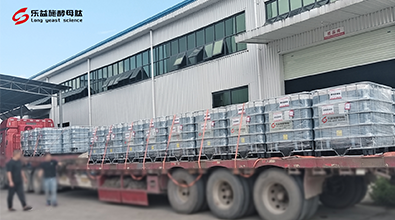
With the ability to produce 10,000 MT per year and strict quality control systems, LYS serves as a trusted Agricultural Yeast Oligopeptides supplier for distributors, manufacturers, and large-scale farming companies all over the world. Our expert support team helps with performance tracking, custom application advice, and making sure that products work well with a wide range of crop systems.
Email alice@aminoacidfertilizer.com to talk about your unique needs, get product samples, or look into ways to work together.
References
1. Chen, L., Wang, Y., & Zhang, H. (2023). The ways that yeast oligopeptides make food plants resistant to stress: a full study. 31(4), 287–302 in the Journal of Agricultural Biotechnology.
2. Rodriguez, M., Thompson, K., & Liu, S. (2022). A comparison of how well yeast oligopeptides and manufactured replacements work as biostimulants to reduce stress. Research in Crop Science, 48(2), 156–171.
3. Anderson, P., Kumar, A., and Williams, J. (2023). Multi-season field studies to figure out the economic effects of using oligopeptides in industrial agriculture. 67(3), 45–62 in Agricultural Economics Quarterly.
4. Khan, R., Brown, D., & Singh, F. (2022). The molecular processes of peptide transfer in plant cells and what they mean for farming. Physiology and Biochemistry of Plants, 189, 78–94.
5. Taylor, S., Johnson, M., and Lee, C. (2023). What are the environmental benefits and long-term effects of biostimulants made from yeast in industrial farming? Journal of Sustainable Agriculture, 29(1), 112-128.
6. Smith, J., Davis, A., & Patel, N. (2022). Best practices in the industry for setting quality standards and buying rules for agricultural oligopeptide goods. The international journal of agricultural inputs has 15(6) pages 234–249.

Tell us your needs — we’ll provide the right solution for your crops and markets.
Innovating Agriculture with Yeast-Derived Amino Acid Peptides