How Low Molecular Weight Peptides Improve Nutrient Use Efficiency in Crops
Modern crop production is increasingly challenged by declining nutrient use efficiency. In many farming systems, a significant portion of applied nitrogen, phosphorus, and micronutrients never reaches the plant. Instead, nutrients may become fixed in the soil, volatilize into the atmosphere, or be lost through leaching.As fertilizer costs continue to rise and environmental regulations become stricter, improving nutrient utilization has become a major objective for growers, fertilizer manufacturers, and biostimulant developers.
Among emerging biostimulant technologies, Low Molecular Weight Peptides (LMW Peptides) have attracted growing attention. Rather than serving as conventional nutrient sources, these peptides act as metabolic activators that help plants absorb, transport, and utilize nutrients more efficiently.For formulators and agricultural input companies, understanding how these peptides interact with plant physiology is increasingly important when developing next-generation nutrient efficiency products.
What Are Low Molecular Weight Peptides?
Definition and Molecular Characteristics
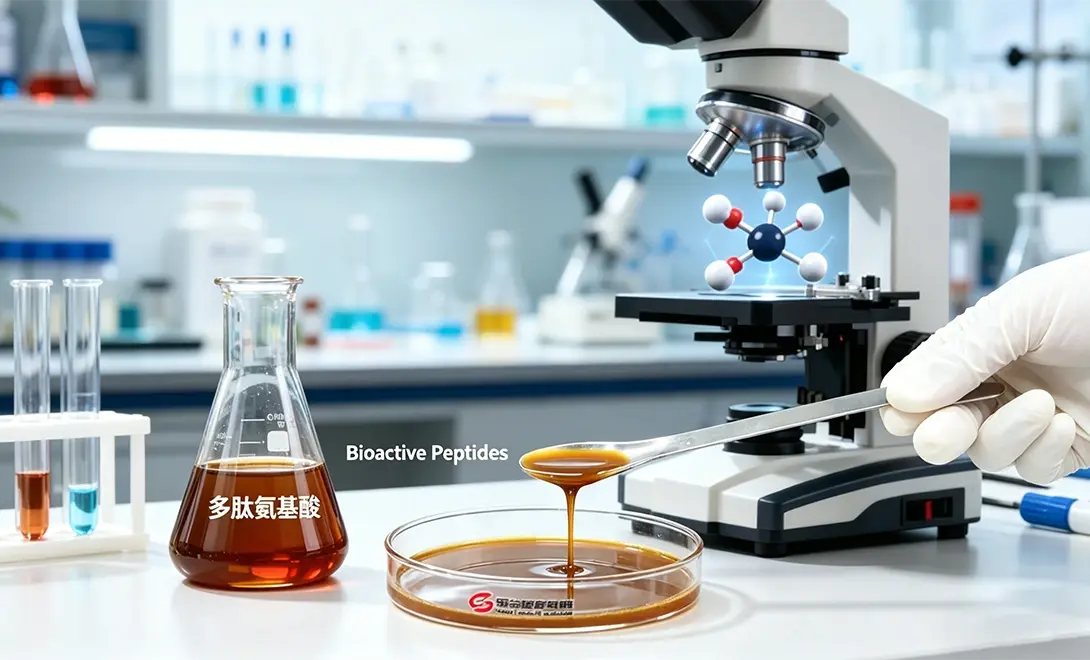
Low molecular weight peptides are short chains of amino acids that typically contain 2–10 amino acid residues and have molecular weights below 1,000 Daltons. Manufacturers usually produce them through controlled enzymatic hydrolysis of proteins derived from yeast, plants, or animal sources.
Compared with intact proteins, these peptides offer higher water solubility, faster biological availability, better mobility within plant tissues, and greater physiological activity. Their small size allows them to move through plant tissues more efficiently than larger protein fragments.
Why Molecular Weight Matters
Not all protein hydrolysates perform equally. The biological activity of peptide products depends strongly on their molecular weight distribution. Research has shown that smaller peptide fractions generally exhibit higher uptake efficiency, faster physiological responses, and stronger signaling activity. This explains why many advanced peptide biostimulants focus on maximizing the peptide fractions below 1,000 Da rather than simply increasing total amino acid content.
For formulators, molecular weight distribution often serves as a more meaningful quality indicator than total protein concentration.
How Low Molecular Weight Peptides Enhance Nutrient Use Efficiency
Facilitating Nutrient Uptake
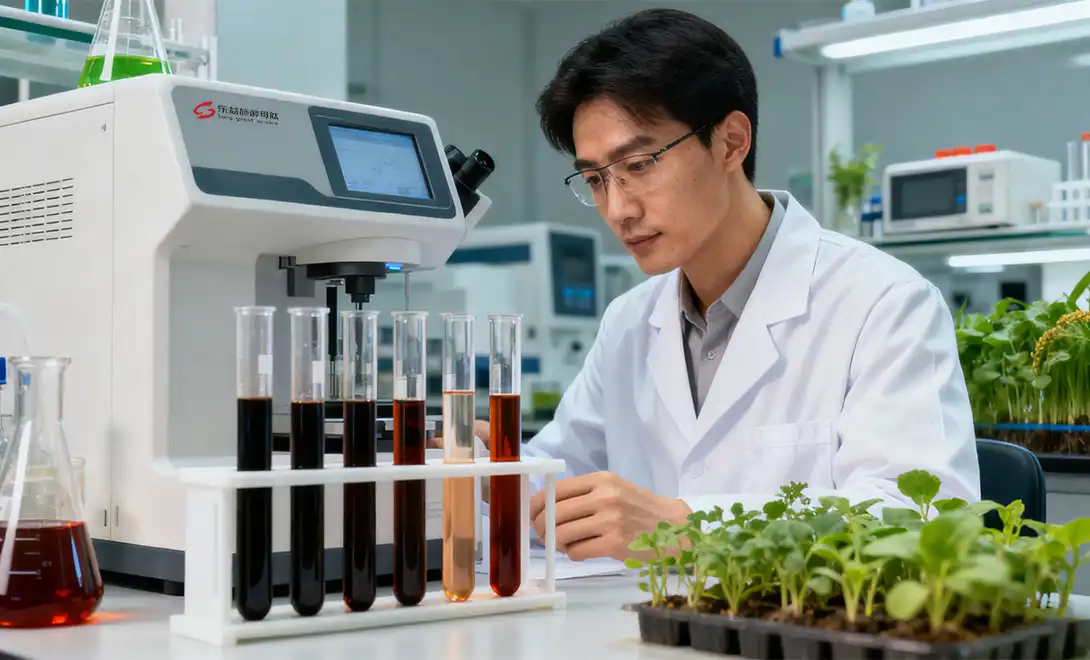
Plant roots absorb nutrients through specialized transport systems located on root cell membranes. However, under environmental stress or poor soil conditions, these transport systems often become less efficient. Low molecular weight peptides support nutrient acquisition in several important ways: they stimulate root development, increase root surface area, promote root hair formation, and enhance transporter activity. A larger and more active root system allows plants to explore a greater soil volume and capture nutrients more effectively. This proves particularly important for relatively immobile nutrients such as phosphorus, zinc, and iron.
Improving Nutrient Mobility Within Plants
Absorption is only the first step. Once nutrients enter the plant, they must travel to actively growing tissues. Certain peptide fractions can function as natural chelating agents; they form soluble complexes with micronutrients, which helps maintain nutrient mobility within plant tissues. Improved translocation leads to more uniform nutrient distribution, reduces nutrient accumulation in older leaves, and delivers nutrients more effectively to growing points, flowers, and fruits. As a result, plants use absorbed nutrients more efficiently throughout the growing cycle.
Supporting Nitrogen Metabolism
Nitrogen utilization involves multiple enzymatic reactions inside plant cells. Low molecular weight peptides may support these key metabolic pathways by supplying readily available amino acid precursors. Studies have reported increased activity of enzymes associated with nitrogen assimilation, including nitrate reductase, glutamine synthetase, and glutamate synthase. Enhanced enzyme activity can accelerate the conversion of absorbed nitrogen into proteins, enzymes, and structural compounds. Therefore, rather than merely increasing nitrogen uptake, peptide biostimulants improve how efficiently plants transform nitrogen into biomass.
Beyond Nutrition: Peptides as Biological Signals
More Than Building Blocks
One common misconception is that peptides function only as nitrogen sources. In reality, many peptides also act as signaling molecules. Plants naturally produce peptide signals to regulate root development, cell division, stress responses, nutrient sensing, and defense activation. External peptide applications may interact with these signaling networks and trigger physiological responses that extend well beyond nutrition. This signaling role explains why relatively small application rates can generate measurable biological effects.
Activating Stress Response Pathways
Nutrient efficiency and stress tolerance are closely connected. When plants experience drought, salinity, heat, or cold stress, nutrient uptake often declines sharply. Low molecular weight peptides may help maintain metabolic activity during these periods by stimulating stress‑response mechanisms. Research has linked peptide applications with increased antioxidant enzyme activity, reduced oxidative damage, improved membrane stability, and better osmotic regulation. By maintaining cellular function under stress, plants can continue absorbing and utilizing nutrients more effectively.
Enhancing Recovery After Stress
Stress recovery is often overlooked in crop management. Following heat stress, herbicide injury, transplant shock, or drought events, plants require significant metabolic resources to rebuild damaged tissues. Peptides provide readily available amino acid fragments that support protein synthesis, enzyme regeneration, and cellular repair processes. Faster recovery often translates into less yield loss and more stable crop performance.
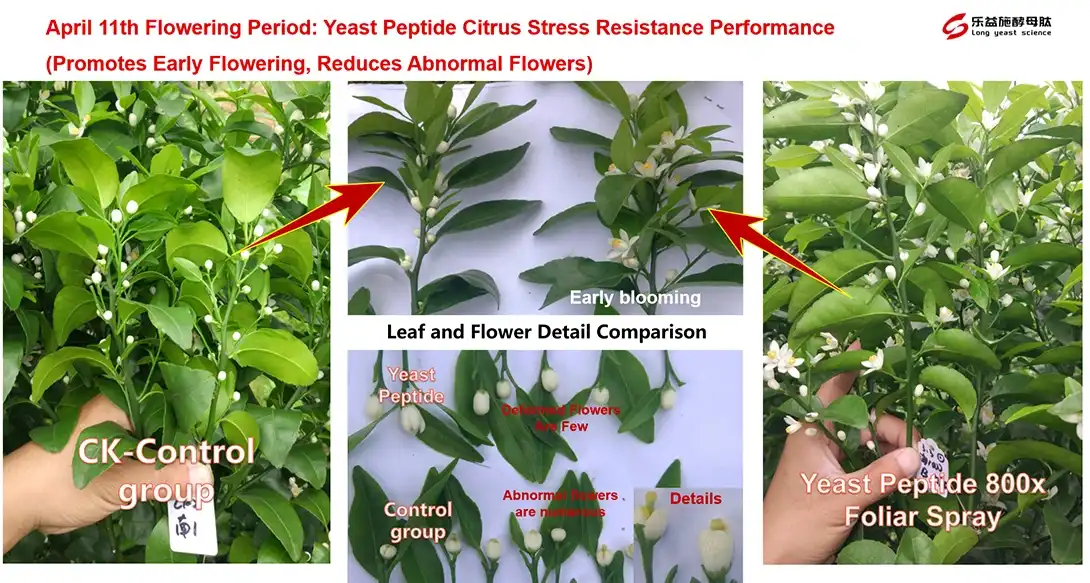
Why Peptide-Based Biostimulants Differ from Conventional Fertilizers
Fertilizers Supply Nutrients
Traditional fertilizers primarily deliver nutrients, and their effectiveness depends largely on application rate and nutrient availability. However, supplying nutrients does not guarantee efficient utilization. Large quantities of fertilizer may still escape through leaching, volatilization, or soil fixation.
Peptides Improve Nutrient Efficiency
Low molecular weight peptides work differently. Rather than increasing nutrient supply, they improve how plants use the nutrients already available. This distinction is becoming increasingly important as agriculture shifts toward reduced fertilizer inputs, sustainable production systems, carbon reduction targets, and regenerative farming practices. For many growers, improving nutrient efficiency may offer more economic value than simply applying more fertilizer.
Synergy with Existing Fertility Programs
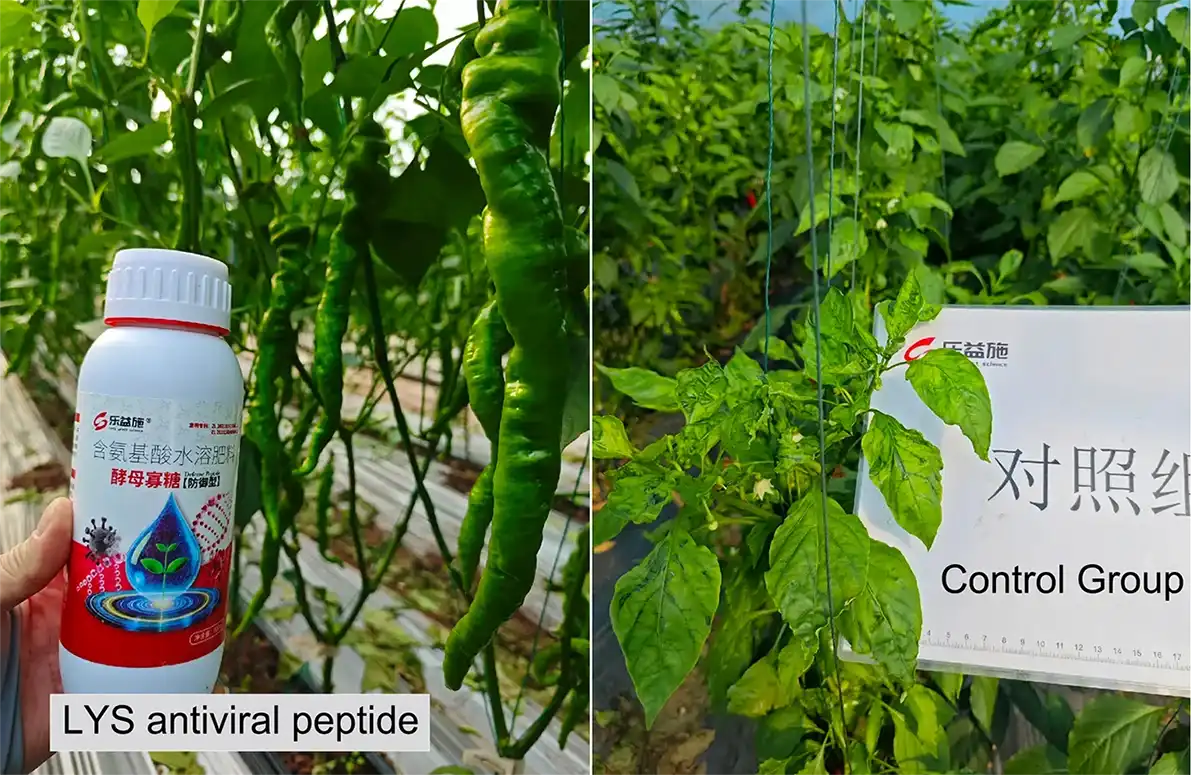
Peptide biostimulants are not designed to replace fertilizers; instead, they complement existing fertility programs. Common formulation strategies include combining peptides with micronutrients, seaweed extracts, humic substances, beneficial microbes, and specialty fertilizers. Such combinations can create multi‑functional products that support nutrient uptake, stress tolerance, and crop quality simultaneously. For fertilizer manufacturers, peptides increasingly serve as value‑added functional ingredients rather than standalone nutrients.
What Should Formulators and Procurement Managers Evaluate?
Molecular Weight Distribution
One of the first parameters to review is peptide size distribution. Products that contain a higher proportion of peptides below 1,000 Da generally provide greater biological activity. Requesting molecular weight analysis can help you distinguish high‑quality peptide ingredients from conventional protein hydrolysates.
Raw Material Source
Peptide performance also depends on the source material. Common sources include yeast, soy protein, animal protein, and fermentation‑derived biomass. Among these, yeast‑derived peptides have become increasingly popular in agricultural biostimulants because they naturally contain additional bioactive compounds such as nucleotides, vitamins, and functional amino acids. These components may contribute extra physiological benefits beyond peptide activity alone.
Manufacturing Technology
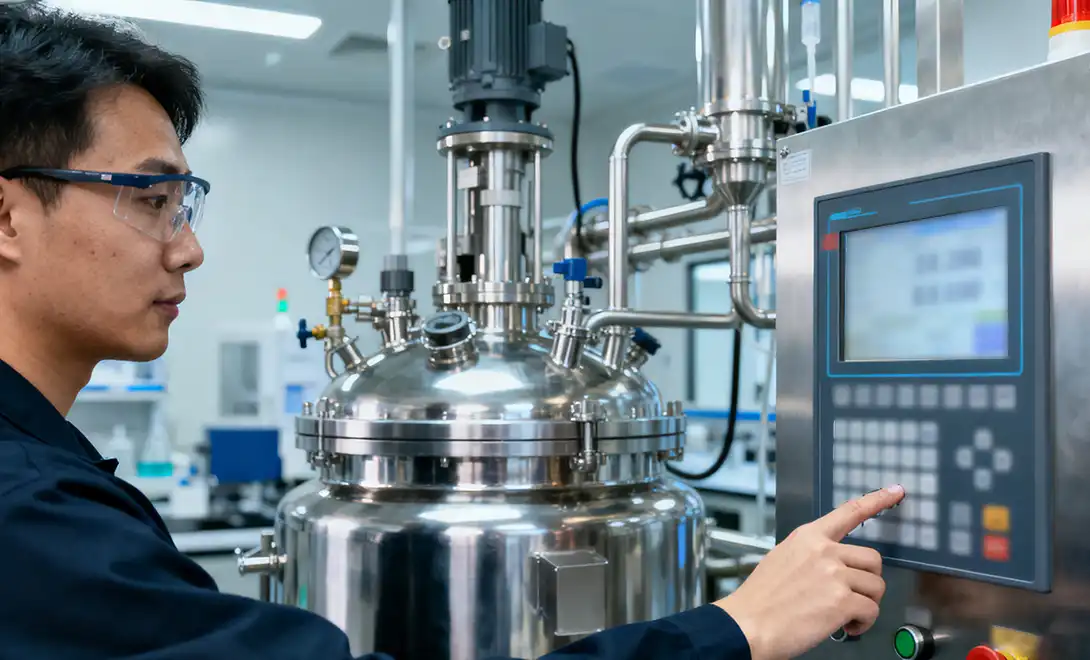
Production methods significantly affect final product quality. Controlled enzymatic hydrolysis generally preserves peptide functionality better than harsh acid hydrolysis. Key factors to consider include peptide integrity, molecular weight consistency, solubility, and batch‑to‑batch stability. For R&D teams, manufacturing technology often matters as much as the peptide source itself.
Future Outlook for Low Molecular Weight Peptides
The role of low molecular weight peptides is expanding rapidly within the biostimulant industry.Current research is increasingly focused on:
• Peptide signaling mechanisms
• Nutrient transporter regulation
• Stress-response activation
• Plant-microbiome interactions
Advances in analytical technologies are making it possible to identify specific bioactive peptide sequences responsible for particular physiological responses.This trend is likely to move the industry beyond generic protein hydrolysates toward more targeted peptide-based biostimulants.
For fertilizer companies, crop input manufacturers, and formulation developers, low molecular weight peptides represent an important platform technology for improving nutrient use efficiency while supporting sustainable agricultural production.
Conclusion
Improving nutrient use efficiency is becoming one of the most important goals in modern agriculture. Rising fertilizer costs, environmental pressures, and increasing yield expectations all demand smarter approaches to crop nutrition.Low molecular weight peptides offer a unique solution. Rather than simply supplying nutrients, they help plants absorb, transport, and utilize nutrients more effectively through a combination of metabolic activation and physiological signaling.
For biostimulant developers, specialty fertilizer manufacturers, and agricultural formulators, peptide technology provides opportunities to create next-generation products that deliver measurable agronomic value. As research continues to uncover the mechanisms behind peptide activity, low molecular weight peptides are likely to become an increasingly important component of advanced crop nutrition strategies.
FAQ
Q1: Are low molecular weight peptides better than free amino acids?
Not necessarily better in every situation, but they function differently. Free amino acids mainly serve as nutritional building blocks, while low molecular weight peptides can provide both nutritional and signaling functions. Due to their peptide structure, they may be absorbed through dedicated peptide transport systems and can participate in plant signaling pathways that regulate nutrient utilization, growth, and stress responses.
Q2: What molecular weight range is considered optimal for agricultural peptides?
Most research and commercial biostimulant formulations focus on peptides below 1,000 Da. Within this range, short-chain peptides generally exhibit higher solubility, faster mobility within plant tissues, and stronger biological activity. However, effectiveness depends not only on molecular weight but also on amino acid composition, peptide sequence, and production technology.
Q3: Can low molecular weight peptides replace conventional fertilizers?
No. Low molecular weight peptides are biostimulants rather than primary nutrient sources. They help plants absorb and utilize nutrients more efficiently but cannot fully replace nitrogen, phosphorus, potassium, or other essential elements required in large quantities. The most effective strategy is to combine peptide biostimulants with balanced fertilization programs to maximize nutrient use efficiency and crop performance.
Partner with LYS for Premium Small Peptides Solutions
LYS stands at the forefront of peptide technology innovation, offering pharmaceutical-grade small peptides backed by over 70 years of technical expertise and proven FSDT enzymatic hydrolysis technology. Our Amino Acid Peptide Stimulant delivers unmatched bioavailability with 80% molecular weight under 1,000 Daltons, ensuring rapid absorption and sustained bioactivity. With an annual production capacity of 10,000 MT and comprehensive quality assurance, LYS serves as your trusted small peptides supplier for large-scale agricultural operations. Contact alice@aminoacidfertilizer.com right away to explore custom formulations and bulk procurement opportunities that transform your crop production capabilities.
References
1. Colla, G., Rouphael, Y., Canaguier, R., et al. (2014). Biostimulant action of protein hydrolysates: Unraveling their effects on plant physiology and metabolism. Scientia Horticulturae, 196, 28–38.
2. du Jardin, P. (2015). Plant biostimulants: Definition, concept, main categories and regulation. Scientia Horticulturae, 196, 3–14.
3. Ertani, A., Pizzeghello, D., Francioso, O., et al. (2009). Biological activity of vegetal extracts containing peptides and their influence on nitrogen metabolism in maize. Journal of Plant Nutrition and Soil Science, 172(2), 237–244.
4. Matsubayashi, Y. (2014). Post-translationally modified small-peptide signals in plants. Annual Review of Plant Biology, 65, 385–413.
5. Tavallali, V., Rahemi, M., Eshghi, S., et al. (2018). Peptide-based biostimulants and their effects on plant growth, nutrient uptake, and stress tolerance. Plant Physiology and Biochemistry, 127, 344–356.
6. Van Oosten, M. J., Pepe, O., De Pascale, S., et al. (2017). The role of biostimulants and bioeffectors in agriculture. Frontiers in Plant Science, 8, 2041.
7. Yakhin, O. I., Lubyanov, A. A., Yakhin, I. A., et al. (2017). Biostimulants in plant science: A global perspective. Frontiers in Plant Science, 7, 2049.

Tell us your needs — we’ll provide the right solution for your crops and markets.
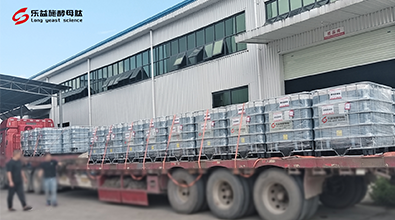
Innovating Agriculture with Yeast-Derived Amino Acid Peptides