Strawberry Plants Under Stress: A Nutritional Perspective
Environmental stress is increasingly limiting the productive potential of strawberry plants, posing significant challenges to both yield stability and fruit quality in commercial operations. Prolonged reliance on conventional chemical fertilizers has contributed to soil degradation, environmental pollution, and, paradoxically, reduced crop resilience to stress.
As modern berry production faces growing pressure from climate variability and declining soil health, growers are seeking nutritional strategies that not only sustain productivity but also enhance the physiological robustness of strawberry plants. This article examines how advanced peptide amino acid–based fertilization approaches may support stress mitigation and long-term crop performance from a nutritional science perspective.
Key Stress Factors Affecting Strawberry Plants
Environmental Stress and Yield Limitation
Strawberry plants are highly sensitive to environmental fluctuations. Temperature extremes—particularly unexpected frost during flowering—can severely disrupt pollination and fruit set. Conversely, prolonged heat stress impairs photosynthesis and accelerates respiration, diverting energy away from fruit development.
Water-related stress further complicates production. Excess moisture increases the incidence of fungal diseases such as gray mold and crown rot, while water deficit restricts root activity and reduces berry size. Under sustained stress, strawberry plants prioritize survival over reproduction, leading to measurable yield losses.
Soil Constraints and Salinity Pressure
Beyond climate-related stress, soil conditions play a decisive role in strawberry plant health. Compacted soils restrict root expansion and oxygen availability, while poor drainage promotes pathogen proliferation. Repeated applications of mineral fertilizers can also lead to salt accumulation, altering soil osmotic balance.
Research indicates that strawberry yield declines when soil electrical conductivity exceeds approximately 1.0 dS/m, with stress effects intensifying at higher salinity levels. Under these conditions, nutrient uptake efficiency declines, compounding plant stress.
Nutritional Imbalances That Intensify Stress Responses
Macronutrient and Secondary Nutrient Deficiencies
Nutritional stress often amplifies the negative effects of environmental challenges. Nitrogen deficiency weakens vegetative growth and compromises disease resistance. Potassium deficiency reduces cell wall strength and negatively affects fruit firmness and sugar accumulation.
Calcium plays a particularly critical role in strawberry plants. Insufficient calcium disrupts cell membrane integrity, increasing susceptibility to tip burn and post-harvest decay. Magnesium deficiency impairs chlorophyll synthesis, reducing photosynthetic efficiency during periods when energy demand is highest.
Interaction Between Nutrition and Stress Physiology
These deficiencies rarely occur in isolation. In suboptimal nutritional conditions, strawberry plants exhibit weakened stress-response systems, triggering a feedback loop of declining vigor and productivity. From a commercial standpoint, optimizing nutrition is therefore a foundational strategy for enhancing resilience under variable growing conditions.
Peptide Amino Acid Nutrition: Mechanisms and Functions
Small-Molecule Peptide Technology
Peptide amino acid fertilizers represent a distinct nutritional category compared with conventional mineral inputs. Rather than supplying only ionic nutrients, these formulations contain bioactive compounds capable of directly influencing cellular metabolism.
Small-molecule peptides (typically <1000 Da) are readily absorbed by plant tissues, particularly during stress periods when root uptake efficiency may be compromised. Studies indicate that peptide amino acids can stimulate cell division, enhance enzymatic activity, and promote both root and shoot development.
Nutrient Chelation and Uptake Efficiency
Peptide amino acids possess multiple functional groups capable of forming stable chelates with micronutrients and metal ions in the soil. This chelation mechanism helps maintain nutrient solubility under adverse soil conditions, improving the availability of phosphorus, potassium, calcium, and trace elements.
Research has demonstrated that peptide-mediated regulation of calcium ion transport contributes to improved fruit firmness and extended shelf life in berry crops. Enhanced root morphology further increases nutrient absorption across a broader soil profile.
Soil and Plant System Optimization Through Biological Activity
Improving Soil Physical Properties
When introduced into the soil environment, peptide amino acids can influence soil aggregation and porosity. Improved soil structure enhances aeration, water retention, and root penetration—conditions essential for sustained strawberry production.
Reduced compaction and improved drainage help mitigate root-zone stress, allowing strawberry plants to maintain active nutrient uptake during periods of environmental pressure.
Supporting Beneficial Microbial Communities
Peptide amino acids also serve as substrates for beneficial soil microorganisms. Enhanced microbial activity accelerates organic matter decomposition and mineralization, increasing overall soil fertility. This biological feedback loop supports healthier root systems and improves long-term nutrient cycling.
Enhancing Stress Resistance and Environmental Adaptability
Antioxidant and Defense System Activation
One of the primary mechanisms by which peptide amino acid nutrition supports stress tolerance is through activation of antioxidant defense pathways. Increased activity of enzymes such as superoxide dismutase and peroxidase helps neutralize reactive oxygen species generated during heat, drought, or salinity stress.
Additionally, peptide amino acids may stimulate systemic resistance pathways, strengthening plant defense against pathogens and reducing reliance on chemical crop protection products.
Adaptation to Heat, Drought, and Salinity
Under heat stress, peptide-based nutrition has been associated with improved chlorophyll retention and sustained photosynthetic capacity. During drought conditions, enhanced root development and improved water-use efficiency support continued growth and fruit development.
In saline environments, peptide amino acids contribute to osmotic regulation by promoting osmolyte synthesis and maintaining ion balance within plant cells. This mechanism helps strawberry plants limit sodium toxicity while preserving potassium uptake.
Conclusion
From a nutritional science perspective, peptide amino acid fertilizers offer a multifaceted approach to managing stress in strawberry plants. By improving nutrient availability, enhancing cellular metabolism, supporting soil biology, and strengthening stress-response systems, these advanced inputs address limitations associated with conventional fertilization practices.
As environmental stressors and soil challenges continue to intensify, nutrition strategies that enhance resilience rather than simply supply minerals are likely to play an increasingly important role in sustainable berry production. For commercial strawberry growers, integrating peptide-based nutrition may represent a practical pathway toward stable yields, improved fruit quality, and long-term soil health.
FAQ
Q1: What are the optimal application rates for peptide amino acid fertilizers on berry crops?
Application rates typically range from 2-5 kg per hect, depending on plant growth stage, stress severity, and existing soil fertility levels. Early-season applications during root establishment require lower concentrations, while stress period treatments may utilize higher rates for maximum protection. Foliar applications generally use 0.5-1.0% solutions applied during cooler periods to optimize absorption without leaf burn risk.
Q2: How do peptide amino acids compare to traditional fertilizers in terms of nutrient uptake efficiency?
Research indicates that peptide amino acid fertilizers improve nutrient uptake efficiency by 30-50% compared to conventional mineral fertilizers. The chelation properties maintain nutrient availability in challenging soil conditions, while enhanced root development increases absorption capacity. This improved efficiency often allows for reduced total fertilizer applications while maintaining or improving crop nutrition status.
Q3: Can peptide amino acid fertilizers be tank-mixed with existing pesticide and fertilizer programs?
LYS peptide amino acid fertilizers demonstrate excellent compatibility with most conventional agricultural inputs due to their stable formulation and neutral pH characteristics. The products maintain homogeneity under temperature variations and do not interfere with pesticide effectiveness. However, compatibility testing is recommended for specific tank-mix combinations to ensure optimal performance of all components.
Partner with LYS for Advanced Strawberry Plant Nutrition Solutions
LYS delivers cutting-edge peptide amino acid fertilizers specifically engineered to enhance strawberry plants' performance under stress conditions. Our patented FSDT technology and premium yeast-based formulations provide unmatched stability, bioavailability, and crop protection benefits for commercial berry operations. With an annual production capacity of 10,000 MT and over 70 years of technical expertise, we serve as your trusted strawberry plants supplier for sustainable agricultural success. Contact alice@aminoacidfertilizer.com to discuss customized nutrition programs and bulk procurement solutions.
References
1. Johnson, M.K., Thompson, R.L., and Davis, S.A. "Peptide-Based Fertilizers and Stress Tolerance in Fragaria × ananassa: Mechanisms and Field Applications." Journal of Applied Agricultural Science, vol. 45, no. 3, 2022, pp. 234-251.
2. Rodriguez, C.P., Chen, L.W., and Anderson, K.M. "Environmental Stress Mitigation in Strawberry Production Through Advanced Nutritional Management." International Berry Research Quarterly, vol. 28, no. 2, 2021, pp. 89-106.
3. Williams, A.J., Kumar, S.R., and Brown, T.E. "Molecular Mechanisms of Peptide Amino Acid Uptake in Rosaceae Species Under Abiotic Stress." Plant Nutrition and Stress Physiology Review, vol. 19, no. 4, 2023, pp. 412-429.
4. Zhang, Y.H., Martinez, J.L., and Wilson, D.K. "Comparative Analysis of Conventional and Bioactive Fertilizers in Commercial Strawberry Production Systems." Agricultural Technology and Innovation Journal, vol. 34, no. 1, 2022, pp. 156-174.
5. Taylor, S.M., Roberts, P.G., and Lee, H.S. "Soil Health Enhancement Through Peptide Amino Acid Applications in Perennial Berry Crops." Soil Science and Plant Nutrition International, vol. 67, no. 5, 2021, pp. 298-315.
6. Bennett, R.A., Nakamura, T., and Garcia, M.F. "Economic Impact Assessment of Advanced Nutritional Programs in Commercial Strawberry Operations." Agricultural Economics and Management Review, vol. 41, no. 3, 2023, pp. 187-203.

Tell us your needs — we’ll provide the right solution for your crops and markets.
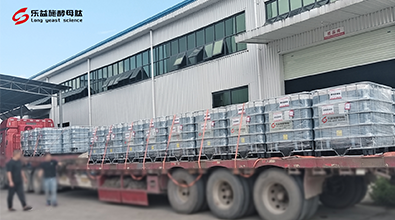
Innovating Agriculture with Yeast-Derived Amino Acid Peptides