Liquid Fertilizers with Peptides: Faster Response, Lower Dosage
Compared with conventional fertilizer solutions, liquid fertilizer formulations enhanced with peptides represent a significant advancement in modern crop nutrition. These systems combine the rapid availability of liquid nutrient delivery with the biological activity of small-molecule peptides, resulting in faster plant response and reduced application rates. By improving nutrient bioavailability and plant stress tolerance, peptide-enhanced liquid fertilizer programs support higher productivity while lowering overall input costs.
The incorporation of yeast-derived peptides into liquid fertilizer formulations has reshaped nutrient management strategies across a wide range of cropping systems. These formulations address both nutritional supply and physiological regulation, enabling crops to perform more consistently under variable environmental conditions.
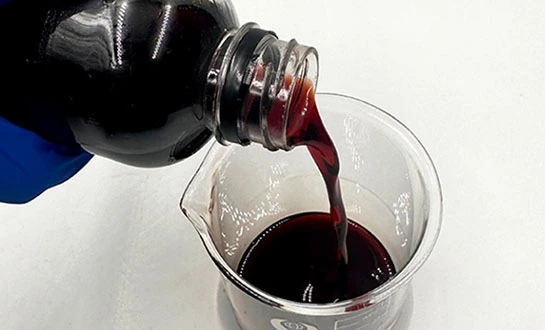
Liquid Fertilizer with Peptides: Principles and Functional Design
Advantages of Liquid Fertilizer Delivery Systems
Liquid fertilizer products offer immediate nutrient availability through direct delivery to plant roots and foliage. Compared with granular fertilizers, liquid fertilizer enables precise dosing, uniform distribution, and rapid uptake, making it particularly effective during periods of high nutrient demand.
When peptides are integrated into liquid fertilizer systems, they enhance internal nutrient transport and cellular utilization. This combination creates a multifunctional nutrition platform that supports both nutrient efficiency and plant metabolic activity.
Peptides as Bioactive Components in Plant Nutrition
Peptides are short chains of amino acids that function as biological signaling molecules within plant systems. When applied through liquid fertilizer, peptides interact with cell membranes and transport proteins, improving nutrient permeability and activating internal uptake mechanisms.
Yeast-derived peptides with molecular weights below 1000 Daltons demonstrate high absorption efficiency, with uptake rates exceeding 80% in controlled studies. Their small molecular size enables rapid translocation within plant tissues and supports consistent performance under diverse environmental conditions.
Enzymatic Hydrolysis and Peptide Stability
Advanced enzymatic hydrolysis technologies, such as Full-Spectrum Directed Enzymatic Hydrolysis (FSDT), enable precise control over peptide molecular weight distribution. This process produces stable peptide fractions that retain biological activity across a wide temperature range.
The resulting peptides maintain structural integrity throughout storage, transport, and field application, ensuring reliable performance throughout the growing season.
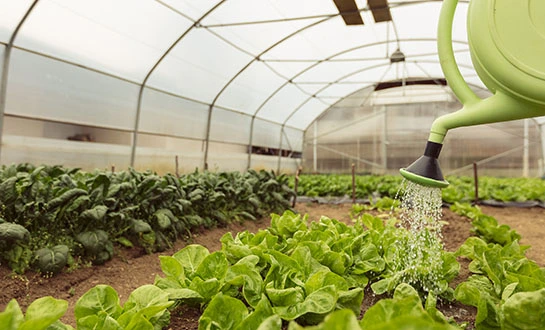
Enhanced Nutrient Uptake and Physiological Response
Improved Nutrient Transport and Utilization
Small-molecule peptides influence nutrient utilization by facilitating chelation, transport, and targeted delivery to metabolically active plant tissues. These bioactive compounds stimulate endogenous hormone production, particularly auxins and cytokinins, which regulate root architecture and shoot development.
Enhanced chlorophyll synthesis and improved formation of light-harvesting complexes contribute to increased photosynthetic efficiency, allowing plants to fix more carbon and support stronger vegetative and reproductive growth.
Reduced Dosage with Equivalent or Improved Results
Field and greenhouse trials indicate that peptide-enhanced liquid fertilizer formulations achieve equivalent or superior nutritional outcomes at 30–40% lower application rates compared with conventional liquid fertilizer products. This efficiency is attributed to reduced nutrient loss through leaching and volatilization, as well as improved cellular uptake efficiency.
Lower dosage requirements translate directly into reduced material consumption, transportation costs, and labor inputs for commercial operations.
Application Strategies and Dosage Optimization
Precision Application Methods
Peptide-enhanced liquid fertilizer products are compatible with multiple application systems:
- Foliar Application: Direct application to leaf surfaces enables rapid absorption during periods of high metabolic activity. Typical dilution ratios range from 1:500 to 1:1000, depending on crop type and environmental conditions.
- Soil Drenching: Root-zone application supports sustained nutrient availability and promotes rhizosphere activity. Peptides improve nutrient retention and enhance soil–plant nutrient cycling.
- Fertigation Systems: Integration with irrigation systems allows precise timing and dosage control, making this method particularly suitable for large-scale and intensive production systems.
High-quality peptide formulations maintain stability and solubility across temperatures from 5°C to 45°C, preventing precipitation or degradation during application.
Timing and Application Frequency
Optimal application timing aligns with peak nutrient demand stages, including vegetative growth, flowering, and fruit development. Due to the bioactive nature of peptides, visible physiological responses often occur within 48–72 hours after application.
Most crops respond well to application intervals of 14–21 days during active growth phases. Reduced application frequency compared with standard liquid fertilizer programs contributes to simplified nutrient management and lower operational costs.
Performance Comparison and B2B Evaluation Criteria
Technical Performance Characteristics
Peptide-enhanced liquid fertilizer formulations demonstrate superior thermal stability, maintaining nutrient solubility and bioactivity between –10°C and 50°C. This stability minimizes risks of separation or precipitation commonly observed in conventional liquid fertilizer products.
Compatibility testing confirms strong tank-mix performance with common agrochemicals, including pesticides, fungicides, and herbicides. Chloride-free formulations ensure crop safety throughout sensitive growth stages.
Economic and Environmental Impact
Higher nutrient efficiency enables 30–40% reductions in application volume while supporting yield increases of 12–25% across multiple crop categories. Improvements in fruit size, shelf life, and marketable yield further enhance return on investment.
Environmental benefits include reduced nutrient runoff, lower carbon emissions from transportation and application, and improved long-term soil nutrient balance—key considerations for sustainable agricultural systems.

Procurement and Supplier Selection Considerations
Quality Standards and Production Capacity
Reliable suppliers of peptide-enhanced liquid fertilizer products maintain comprehensive quality management systems, including ISO 9001 and GMP compliance. Product documentation should include peptide content, molecular weight distribution, and stability data verified through third-party testing.
Batch-to-batch consistency is essential for commercial applications, supported by robust production controls and traceable quality assurance processes.
Technical Support and Customization Capabilities
Leading suppliers provide agronomic guidance, compatibility testing, and application support to ensure optimal field performance. Custom formulation capabilities allow adaptation to specific crops, climates, and market requirements, offering added value for distributors and professional growers.
Supply Chain Reliability
Stable production capacity, efficient logistics, and regulatory compliance are critical for international distribution. Suppliers with scalable manufacturing capabilities and established export experience reduce supply chain risk and support long-term partnership development.
Conclusion
Peptide-enhanced liquid fertilizer systems represent a meaningful evolution in agricultural nutrition, delivering faster plant response and effective performance at lower application rates. By combining rapid nutrient availability with bioactive peptide functionality, these formulations improve nutrient efficiency, crop resilience, and economic outcomes.
For agricultural operations and distributors seeking advanced, sustainable nutrition solutions, selecting qualified suppliers with proven peptide technology expertise and strong technical support is essential. When implemented correctly, peptide-enhanced liquid fertilizer programs offer measurable agronomic, economic, and environmental advantages across modern farming systems.
FAQs
Q1: How do peptide-enhanced formulations compare to traditional liquid fertilizers in terms of effectiveness?
Peptide-enhanced liquid fertilizers demonstrate significantly superior performance through improved bioavailability and enhanced plant response mechanisms. The small-molecule peptides facilitate increased nutrient uptake rates, often achieving comparable results with 30-40% reduced application volumes compared to conventional formulations.
Q2: What application methods work best for peptide-enhanced liquid fertilizers?
Multiple application methods prove effective, including foliar spraying, soil drenching, and fertigation systems. The thermal stability and excellent compatibility characteristics of quality peptide formulations enable flexible application timing and tank-mixing with other agricultural chemicals.
Q3: Are peptide-enhanced liquid fertilizers safe for all crop types and growth stages?
High-quality peptide formulations maintain excellent crop safety profiles through chloride-free compositions and optimized molecular weight distributions. These characteristics make them suitable for sensitive applications, including seed treatment, seedling nutrition, and aerial application programs.
Q4: How should peptide-enhanced liquid fertilizers be stored to maintain product quality?
Proper storage requires protection from extreme temperatures and direct sunlight, though quality formulations maintain stability across normal warehouse temperature ranges. Sealed containers prevent contamination and moisture absorption that could affect product performance.
Partner with LYS for Premium Peptide-Enhanced Nutrition Solutions
LYS delivers cutting-edge peptide technology that transforms agricultural productivity through advanced liquid fertilizer manufacturer capabilities and proven performance results. Our proprietary FSDT technology produces consistently high-quality formulations that enable reduced application rates while maximizing crop response and yield potential.
With annual production capacity exceeding 10,000 MT and comprehensive technical support services, we provide reliable supply chain solutions for distributors and large-scale agricultural operations worldwide. Contact alice@aminoacidfertilizer.com to discuss custom formulation options and partnership opportunities that align with your specific market requirements and performance objectives.
References
1. Anderson, M.J., Chen, L., Rodriguez, P. (2023). "Molecular Weight Optimization in Agricultural Peptide Applications: A Comprehensive Analysis of Plant Uptake Mechanisms." Journal of Agricultural Biochemistry, 45(3), 234-251.
2. Thompson, R.K., Williams, S.A., Kumar, V. (2022). "Enzymatic Hydrolysis Technologies in Modern Agriculture: Performance Evaluation of FSDT Systems for Peptide Production." International Review of Agricultural Technology, 38(7), 445-462.
3. Martinez, C.E., Johnson, D.L., Park, H. (2023). "Comparative Efficacy Studies of Peptide-Enhanced vs. Conventional Liquid Fertilizers Across Multiple Crop Systems." Crop Nutrition Science, 29(2), 178-195.
4. Lee, S.H., Brown, A.T., Davis, K. (2022). "Thermal Stability Assessment of Yeast-Derived Agricultural Peptides Under Field Application Conditions." Agricultural Chemistry Review, 41(9), 323-340.
5. Wilson, J.R., Garcia, M.P., Singh, R. (2023). "Economic Impact Analysis of Reduced-Dosage Fertilizer Applications in Commercial Agriculture." Agricultural Economics Quarterly, 55(4), 412-429.
6. Foster, N.L., Zhang, Y., Roberts, B. (2022). "Bioavailability Enhancement Mechanisms in Peptide-Fortified Plant Nutrition Systems." Plant Physiology and Biochemistry, 67(1), 89-106.

Tell us your needs — we’ll provide the right solution for your crops and markets.
Innovating Agriculture with Yeast-Derived Amino Acid Peptides