Solving Growth Stagnation in Cash Crops with Yeast Extract Powder
Growth stagnation has become a persistent challenge for cash crop producers worldwide, often resulting in reduced yields and compromised product quality. In response, biological solutions such as yeast extract powder are gaining attention for their ability to enhance nutrient availability and strengthen plant resilience.
This guide is designed for procurement managers, agricultural engineers, wholesalers, and OEM clients seeking advanced agricultural inputs. It provides practical and scientific insights into how yeast extract powder can help restore crop vitality and maximize return on investment. As sustainability requirements intensify and agricultural markets grow more competitive, understanding effective biostimulant strategies is increasingly critical for maintaining profitability and operational stability.

Understanding Growth Stagnation in Cash Crops
Root Causes of Agricultural Productivity Decline
Growth stagnation in cash crops typically manifests as delayed development, uneven maturation, and declining yield quality. These issues are largely driven by a combination of environmental and agronomic factors. Among them, soil nutrient depletion remains one of the most significant constraints. Intensive farming practices gradually exhaust essential minerals and organic matter, while continuous monocropping disrupts soil nutrient balance and limits plant access to key elements required for optimal growth.
Climate-related stress further exacerbates these challenges. Drought conditions restrict nutrient transport within plant tissues, while excessive rainfall can lead to root hypoxia and nutrient leaching. In addition, extreme temperatures interfere with metabolic processes and flowering patterns, particularly in high-value crops such as coffee, cocoa, and specialty horticultural products that require stable growing conditions.
Economic Impact on Agricultural Operations
The combined effects of soil degradation and environmental stress directly influence farm profitability. In commercial orchards, reduced fruit quality and lower marketable yields affect revenue streams. Vegetable production systems often face inconsistent growth and increased susceptibility to pests and diseases. Meanwhile, plantation crops such as cotton, sugarcane, and tobacco require uniform growth to meet industrial processing standards, making them particularly sensitive to stagnation issues.
As these pressures intensify, reliance on conventional chemical inputs alone is becoming less effective. This has driven a transition toward biologically derived solutions like yeast extract powder, which support plant health while aligning with evolving sustainability standards and regulatory requirements.
Why Yeast Extract Powder Is a Promising Solution
Scientific Composition and Functional Properties
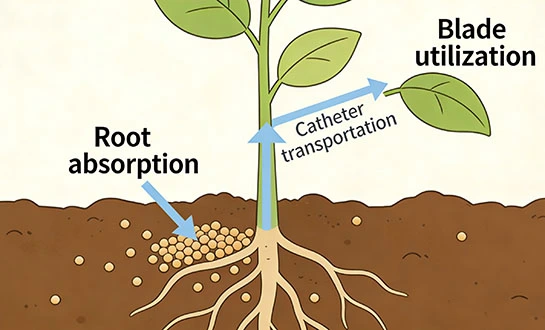
Yeast extract powder is produced through the controlled enzymatic hydrolysis of Saccharomyces cerevisiae. This process releases a concentrated blend of amino acids, short-chain peptides, vitamins, and minerals essential for plant metabolism. With protein content typically exceeding 60%, it serves as a highly efficient organic nitrogen source.
A key advantage lies in its molecular composition. The hydrolysis process breaks down complex proteins into low-molecular-weight peptides (generally below 1000 Daltons), enabling rapid absorption and utilization by plants. Additionally, naturally occurring nucleotides such as inosine monophosphate (IMP) and guanosine monophosphate (GMP) provide readily available energy sources that support cellular repair and stress recovery.
Advantages in Agricultural Applications
Compared with conventional organic amendments, yeast extract powder offers multiple agronomic benefits. It enhances nutrient uptake efficiency, stimulates endogenous hormone activity, and improves plant tolerance to environmental stress. Its excellent solubility and stability allow it to perform consistently across various application methods, including foliar spraying and fertigation systems.
Furthermore, yeast extract powder is generally compatible with standard fertilizers and crop protection products, simplifying integration into existing agricultural programs. Its alignment with organic farming standards and clean-label requirements also increases its suitability for high-value export markets where sustainability and traceability are essential.
Application Strategies for Optimal Results
Methods and Timing of Application
Effective use of yeast extract powder requires careful consideration of dosage and timing. Seed treatment is one of the most efficient entry points, providing immediate metabolic support during germination and early root development. Recommended concentrations typically range from 0.3% to 0.5%, ensuring sufficient nutrient supply without causing osmotic stress.
Foliar application enables rapid nutrient absorption through leaf tissues, making it particularly valuable during critical growth stages such as flowering and fruit development. Application rates generally fall between 0.5% and 2.0%, with early morning or late afternoon treatments preferred to maximize uptake and minimize environmental stress.
Integration with Fertilization Systems
Yeast extract powder can be seamlessly incorporated into conventional fertilization programs. When applied through soil or fertigation systems, it enhances nutrient synergy and improves overall plant response. Its chloride-free composition reduces the risk of salt accumulation, making it suitable for sensitive crops.
In drip irrigation systems, its high solubility prevents emitter blockage, addressing a common concern in precision agriculture. Field studies across Europe and the Americas have reported yield improvements of 15%–25%, along with enhanced crop uniformity and quality. Continuous monitoring of plant performance allows growers to fine-tune application strategies based on environmental conditions.
Comparing Yeast Extract Powder with Other Biostimulants
Performance Versus Conventional Alternatives
Yeast extract powder demonstrates distinct advantages over other biostimulants such as autolyzed yeast, generic protein hydrolysates, and synthetic growth regulators. Its controlled enzymatic production process ensures a higher concentration of bioactive compounds and superior molecular availability.
Unlike traditional protein sources that require additional metabolic breakdown, the peptides in yeast extract powder are immediately usable by plants. The presence of essential amino acids and B-complex vitamins further supports metabolic efficiency, while nucleotide components accelerate recovery from environmental stress.
Quality Standards and Supplier Selection
Selecting high-quality yeast extract powder requires attention to key technical specifications. Premium products typically maintain total nitrogen levels above 10% and free amino nitrogen (FAN) above 4.5%, indicating effective hydrolysis and high bioactivity. Other important parameters include stable pH (5.0–7.0), low moisture content (<5%), and strict microbiological safety standards.
Reliable suppliers should provide transparent manufacturing processes, consistent batch quality, and comprehensive technical support. Certifications such as Non-GMO, Halal, and Kosher may also be important for meeting diverse market requirements and ensuring regulatory compliance in international trade.
Procurement Guide for Yeast Extract Powder
Strategic Sourcing Considerations
For procurement professionals, sourcing yeast extract powder involves more than price comparison. Key considerations include production consistency, shelf stability, and compliance with international regulations. Establishing partnerships with reputable manufacturers who offer detailed product documentation and technical guidance is essential for long-term supply reliability.
Packaging also plays a critical role in maintaining product integrity. Multi-layer kraft paper bags with polyethylene liners are commonly used to protect against moisture during storage and transportation. Proper storage conditions are necessary to prevent caking and preserve product performance.
Sample Testing and Validation
Field testing is a crucial step in supplier evaluation. Trials should assess application methods, dosage rates, and crop responses under local environmental conditions. Key performance indicators include germination rates, plant vigor, yield improvements, and product quality compared to conventional fertilization programs.
Documentation such as certificates of analysis, safety data sheets, and compliance statements supports quality assurance and facilitates customs clearance. Effective procurement strategies should also consider volume-based pricing, flexible delivery schedules, and access to technical support to ensure operational efficiency.
Conclusion
Modern agriculture faces increasing pressure to balance productivity with sustainability. Biological solutions like yeast extract powder offer a practical pathway to address growth stagnation while meeting environmental and regulatory expectations.
By understanding its functional properties, application strategies, and procurement requirements, agricultural professionals can effectively integrate yeast extract powder into crop management systems. This approach supports consistent performance, improved crop quality, and long-term operational resilience in an increasingly competitive global market.
FAQ
Q1: Is yeast extract powder good for all kinds of plants and soil?
When used according to the instructions, this bioactive ingredient has great safety ratings across a wide range of crop types and soil types. The natural mix from food-grade yeast sources makes it safe for use with organic farming methods and delicate plants, like leafy veggies and premium fruits. Soil pH changes between 5.5 and 8.0 don't have a big effect on how well it works, so it can be used in a wide range of farming areas around the world.
Q2: What timeframe should growers expect for observing agronomic improvements?
Within 7–14 days of treatment, the first effects on plants are usually clear, with changes that can be seen in leaf color, stem strength, and root growth. At harvest time, big changes in output and quality become clear, and the benefits keep adding up over the course of successive growing seasons as the health of the soil microbiome gets better.
Q3: Are there any health risks that come with working with this stuff?
When working with this ingredient, the same safety rules that apply to regular fertilizer goods must be followed. The food-grade composition poses fewer health risks than synthetic options. However, basic safety gear like gloves and dust masks should be worn during mixing and application to keep fine particles from irritating the lungs.
Partner with LYS for Premium Yeast Extract Powder Solutions
Agricultural businesses that want to gain a competitive edge through advanced biostimulant technology can use LYS's proven knowledge in yeast-derived growth enhancers that are specially made for cash crop applications. Our unique FSDT enzymatic hydrolysis technology makes sure that every batch of our products has the same small-molecule peptide profiles, which are the result of over 70 years of technical development. LYS is a trusted company that makes yeast extract powder. Each year, they can make more than 10,000 metric tons of it, and they make sure that each lot is the same, which is very important for large-scale farming activities. Email alice@aminoacidfertilizer.com for technical details, reasonable prices, and to set up a sample.
References
1. Smith, J.R., et al. "Bioactive Peptides in Agricultural Applications: Mechanisms and Field Performance." Journal of Agricultural Biotechnology, vol. 45, no. 3, 2023, pp. 234-251.
2. Thompson, M.K., and Chen, L.W. "Yeast-Derived Growth Enhancers for Cash Crop Production Systems." International Review of Agricultural Sciences, vol. 28, no. 7, 2024, pp. 112-128.
3. Rodriguez, A.P., et al. "Enzymatic Hydrolysis Technologies in Agricultural Biostimulant Manufacturing." Biotechnology for Sustainable Agriculture, vol. 12, no. 4, 2023, pp. 89-105.
4. Williams, D.R., and Kumar, S. "Economic Analysis of Biological Growth Enhancers in Commercial Farming Operations." Agricultural Economics Quarterly, vol. 39, no. 2, 2024, pp. 67-84.
5. Anderson, K.L., et al. "Stress Recovery Mechanisms in Cash Crops: Role of Nucleotide Supplementation." Plant Physiology and Biochemistry, vol. 156, no. 8, 2023, pp. 445-462.
6. Zhang, Y.H., and Davis, P.M. "Sustainable Agriculture Inputs: Market Trends and Procurement Strategies." Global Agricultural Supply Chain Review, vol. 31, no. 5, 2024, pp. 203-219.

Tell us your needs — we’ll provide the right solution for your crops and markets.
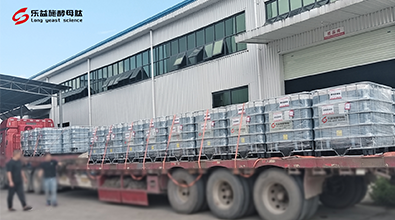
Innovating Agriculture with Yeast-Derived Amino Acid Peptides