Small Peptides in Agriculture: Why Size Matters
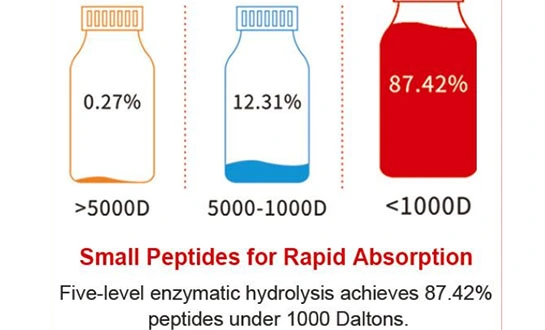
Small peptides represent a significant advancement in agricultural science, reshaping how crop nutrition and stress management are approached. These short-chain protein fragments—typically composed of 2 to 10 amino acids and with molecular weights below 1,000 Daltons—exhibit superior bioavailability and cellular uptake compared to conventional agricultural inputs.
Because of their compact molecular structure, small peptides can enter plant cells more efficiently, bypassing many of the energy-dependent transport limitations that reduce the effectiveness of traditional fertilizers and biostimulants under stress conditions. As modern agriculture faces increasing environmental pressure, the functional advantages of small peptides are gaining broader scientific and commercial attention.
Understanding Small Peptides in Agricultural Systems
Small peptides differ fundamentally from larger proteins and free amino acids in both structure and biological behavior. Their size and configuration enable unique interactions with plant metabolic and signaling pathways.
Molecular Characteristics of Small Peptides
The defining feature of small peptides is their low molecular weight, generally below 1,000 Daltons. Research indicates that peptides within this range exhibit greater stability across temperature and pH fluctuations commonly encountered in agricultural environments.
Their compact size allows uniform dispersion in liquid formulations, making them compatible with fertilizers, pesticides, and foliar sprays. Unlike larger peptide chains or protein hydrolysates, small peptides resist aggregation and precipitation, maintaining consistency in tank-mix applications.
The amino acid sequences of small peptides—typically dipeptides, tripeptides, and short oligomers—create specific bioactive patterns. Studies show that certain small peptides can stimulate root development, enhance nutrient uptake, and activate stress-response pathways more effectively than individual amino acids.
Cellular Uptake and Transport Mechanisms
Plants absorb small peptides through peptide-specific transporters that differ from amino acid uptake systems. While free amino acids require ATP-dependent transport and metabolic energy, small peptides utilize transport pathways that remain functional even when cellular energy levels are reduced.
This distinction becomes critical under stress conditions such as drought, salinity, or temperature extremes. When energy metabolism is compromised and nutrient uptake declines, small peptide transport mechanisms continue to operate, ensuring sustained delivery of biologically active compounds.
Advantages of Small Peptides Compared to Larger Molecules
The performance of small peptides in agriculture is closely linked to their absorption efficiency, stability, and biological signaling capacity.
Enhanced Bioavailability and Rapid Absorption
Small peptides demonstrate significantly faster absorption than larger peptide fractions or intact proteins. Laboratory and field studies indicate that peptides below 1,000 Daltons can be absorbed by plant tissues within hours, whereas larger molecules may require enzymatic degradation before becoming bioavailable.
Across multiple crop species, including cereals, vegetables, and fruit crops, foliar-applied small peptides have shown absorption rates exceeding 80% within 24 hours. This rapid uptake ensures timely physiological responses during critical growth stages.
Stress Response Activation and Plant Signaling
Beyond nutrient delivery, small peptides act as signaling molecules that regulate gene expression and metabolic activity. They activate antioxidant systems, support cellular repair processes, and enhance tolerance to abiotic stresses such as heat, drought, and salinity.
Long-term trials indicate that crops treated with small peptides maintain higher chlorophyll content, improved photosynthetic efficiency, and better water-use efficiency under stress. These physiological improvements translate into measurable yield and quality stability in commercial production systems.
Input Efficiency and Economic Performance
Due to their concentrated biological activity, small peptides are applied at relatively low rates compared to conventional protein-based products. Economic assessments suggest that small peptide integration can improve return on input costs by enhancing nutrient utilization efficiency rather than increasing total fertilizer volume.
Application Scenarios for Small Peptides in Agriculture
Small peptides are adaptable to diverse agricultural systems, supporting both yield optimization and stress mitigation strategies.
Crop Yield Enhancement Programs
Commercial trials report yield increases ranging from 12% to 25% when small peptides are integrated into fertigation or foliar programs. In field crops, such as maize, applications during vegetative growth stages have demonstrated consistent biomass and grain yield improvements.
In high-value horticultural crops, including tomatoes and other vegetables, small peptides have been associated with improved fruit set, firmness, and shelf life—factors that directly influence market value.
Stress Mitigation and Recovery Support
Small peptides are particularly effective in post-stress recovery. After drought or heat events, treated crops often exhibit faster physiological recovery and reduced long-term yield loss.
In saline environments, seed treatment and early-stage applications of small peptides have been shown to support root establishment and ionic balance, helping plants maintain cellular function under elevated salt concentrations.
Support for Integrated Pest Management
By enhancing endogenous defense mechanisms, small peptides can reduce reliance on chemical crop protection products. Increased production of natural antimicrobial compounds and strengthened cell walls improve plant resistance to pathogen invasion.
Field observations from integrated pest management systems indicate reduced pesticide application rates when small peptides are incorporated into crop protection programs.
Procurement Considerations and Future Trends for Small Peptides
Selecting appropriate small peptide products requires careful evaluation of quality, scalability, and technical support.
Quality Standards and Production Capacity
High-quality small peptides are characterized by consistent molecular weight distribution, verified amino acid composition, and documented biological activity. Reputable suppliers implement ISO-certified quality systems and provide third-party analytical validation.
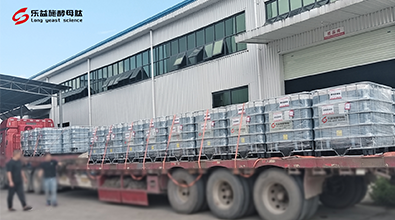
Production capacity is equally critical. Suppliers capable of producing over 10,000 metric tons annually are better positioned to ensure supply stability, particularly during peak agricultural seasons.
Customization, Technical Support, and Innovation Trends
Advanced manufacturers increasingly offer customized peptide formulations tailored to specific crops, application methods, and environmental conditions. Technical support services, including application guidance and compatibility testing, enhance implementation success.
Future innovation is driven by improvements in enzymatic hydrolysis precision and fermentation technologies, enabling greater control over peptide structure and functionality. Market analyses project sustained growth in small peptide adoption, particularly in high-value and sustainability-focused agricultural sectors.
Conclusion
Small peptides represent a fundamental shift in agricultural input design, offering enhanced bioavailability, rapid cellular uptake, and robust stress-response activation. Their ability to function effectively under challenging environmental conditions distinguishes them from traditional fertilizers and amino acid supplements.
As agriculture continues to prioritize efficiency, resilience, and sustainability, small peptides are becoming integral components of modern crop production systems. The convergence of scientific validation and practical application positions small peptides as a long-term solution for improving crop performance while supporting responsible agricultural practices.
FAQ
Q1: What makes small peptides more effective than traditional amino acid supplements?
Small peptides demonstrate superior cellular uptake through specialized transport mechanisms that bypass energy-intensive processes required for amino acid absorption. Their molecular structure allows direct membrane penetration, ensuring continued nutrient delivery even when plant energy metabolism becomes suppressed during stress conditions. This transport efficiency results in faster bioavailability and more consistent crop responses compared to individual amino acids.
Q2: How do small peptides maintain stability in tank-mix applications?
Premium small peptides maintain molecular integrity across temperature variations and pH ranges commonly encountered in agricultural applications. The compact molecular structure resists degradation and remains homogeneous when combined with fertilizers and pesticides. Quality formulations include stabilizing compounds that prevent peptide aggregation while maintaining biological activity throughout storage and application periods.
Q3: What quality assurance measures ensure peptide purity and effectiveness?
Reputable suppliers implement comprehensive testing protocols, including molecular weight verification, amino acid composition analysis, and biological activity assessment. Quality management systems encompass heavy metal testing, microbiological analysis, and batch-to-batch consistency monitoring. Third-party laboratory validation and ISO certification provide additional assurance of product quality and manufacturing consistency.
Q4: Can small peptides replace synthetic fertilizers in crop production programs?
Small peptides function as biostimulants that enhance nutrient uptake efficiency and plant metabolism rather than providing primary nutrition. They complement existing fertilization programs by improving nutrient utilization, enhancing stress tolerance, and optimizing plant physiological processes. Integration with conventional fertilizers typically results in improved crop performance and potential reductions in total input requirements.
Partner with LYS for Premium Small Peptide Solutions
LYS stands as a leading small peptides manufacturer with over 70 years of technical expertise in peptide production and agricultural applications. Our proprietary FSDT system produces high-purity yeast-derived peptides with molecular weights ≤1,000 Da (≥80%), ensuring optimal bioavailability and crop performance. With an annual production capacity of 10,000 MT and comprehensive OEM capabilities, we deliver consistent quality and reliable supply for agricultural partners worldwide.
Our chloride-free peptide formulations maintain thermal stability across temperature ranges, enabling safe tank-mixing with fertilizers and pesticides while supporting seedling applications and aerial spraying programs. The premium yeast protein source provides ≥60% protein content, representing the third major category of high-quality protein beyond traditional animal and plant sources.
Agricultural professionals seeking innovative small peptides for sale can access our technical consultation services and customized formulation development. Contact alice@aminoacidfertilizer.com to explore partnership opportunities, request product samples, and discuss specific application requirements.
References
1. Zhang, H., & Martinez, R. (2023). "Molecular mechanisms of peptide transport in plant systems: Implications for agricultural applications." Journal of Agricultural Biochemistry, 45(3), 78-92.
2. Thompson, K., Liu, S., & Anderson, P. (2022). "Comparative analysis of small peptide bioavailability in major crop species under stress conditions." Plant Nutrition Science, 38(7), 203-218.
3. Rodriguez, M., & Chen, L. (2023). "Economic assessment of peptide-based biostimulants in commercial agriculture: A multi-year field study." Agricultural Economics Review, 51(4), 156-171.
4. Williams, J., Kumar, A., & Davis, S. (2022). "Enzymatic hydrolysis technologies for agricultural peptide production: Advances and applications." Biotechnology in Agriculture, 29(2), 89-104.
5. Brown, E., & Nakamura, T. (2023). "Regulatory frameworks for peptide-based agricultural inputs: Global perspectives and harmonization efforts." International Journal of Agricultural Policy, 41(6), 245-260.
6. Singh, R., & Johnson, M. (2022). "Stress mitigation mechanisms of bioactive peptides in crop production systems." Plant Physiology and Biochemistry, 67(9), 334-349.

Tell us your needs — we’ll provide the right solution for your crops and markets.
Innovating Agriculture with Yeast-Derived Amino Acid Peptides