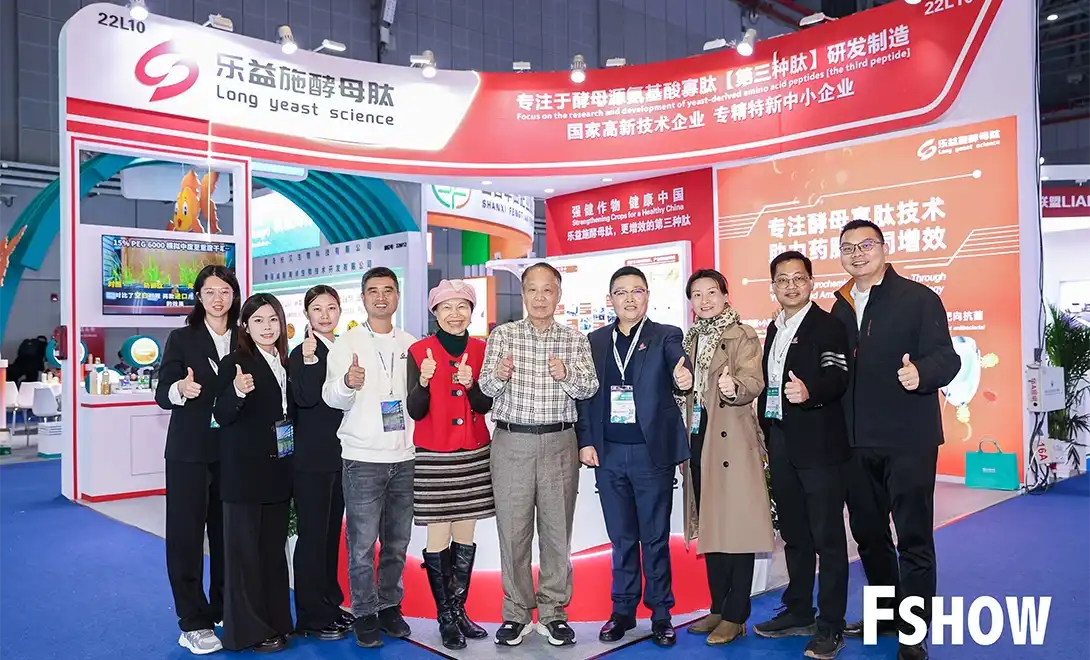
Next-Gen Plant Protection: Using Peptides to Build Viral Immunity
New bioengineering solutions are reshaping how agriculture addresses viral diseases at a critical time for global food security. Among these innovations, antiviral peptide technology represents a next-generation strategy for strengthening plant immunity while aligning with environmental sustainability goals.
Composed of short chains of 10–50 amino acids, antiviral peptides are bioactive molecules capable of interfering with viral infection cycles without harming plant physiology. Unlike conventional chemical treatments that may contribute to resistance development or ecological burden, peptide-based approaches act through multi-target biological mechanisms to suppress viral replication and transmission, supporting long-term crop productivity and protection.
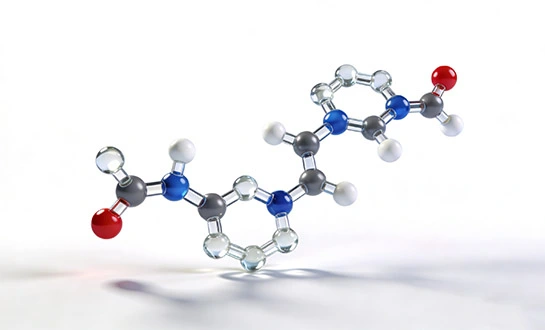
Understanding Antiviral Peptides in Plant Protection
Plant virus illnesses continue to be a major threat to food security around the world, with crop losses costing billions of dollars every year. Because they cover a lot of ground and are bad for the earth, traditional ways of protecting people often don't work. Because of this problem, advanced antiviral peptide technology has been created that attacks viral pathogens directly while protecting plant processes that are good for the plant.
Molecular Structure and Origin of Plant Antiviral Peptides
Antiviral peptides are a special type of medicinal oligopeptide that can come from nature or be made using cutting-edge science. Most of the time, these molecules have important amino acid patterns that let them find and attach to certain viral parts. These peptides can directly interact with viral coat proteins because of their chemical structure. This stops the virus from attaching to plant cells or replicating in the host tissue.
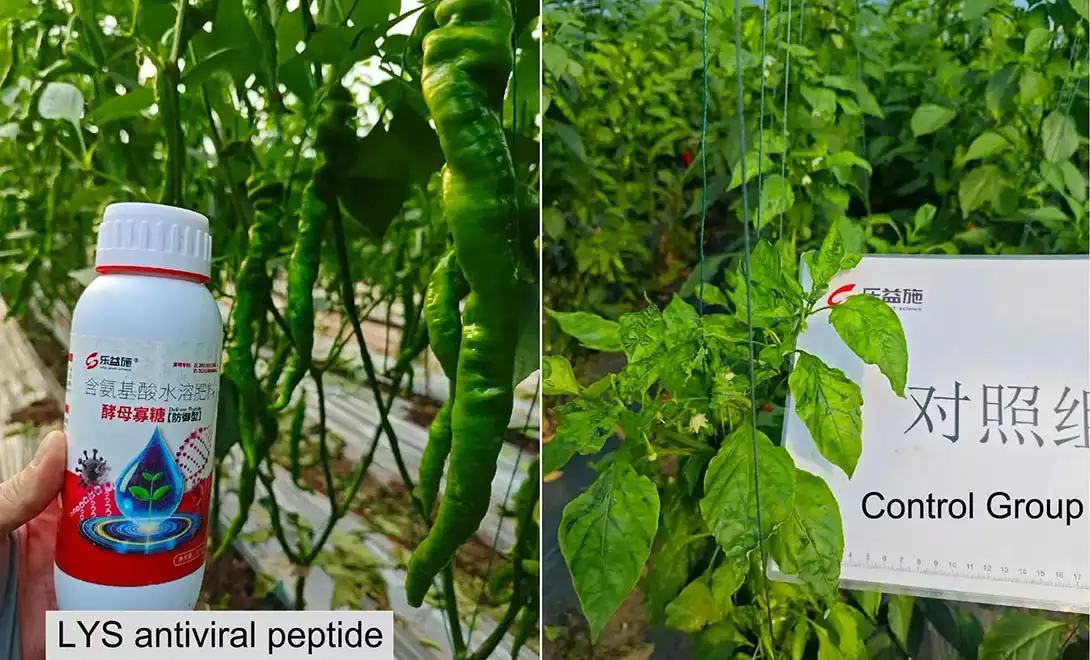
This advanced technology is shown by the LYS antiviral peptide, which builds a complete plant defense system from nucleoside peptides, glutathione peptides, and yeast oligosaccharides. This special mixture boosts the plant's natural defenses against infection while also making cell walls stronger to stop viruses from getting in. The advanced design of the product lets it fight against many viruses, such as the Tobacco Mosaic Virus (TMV), the Mosaic Virus, the Yellowing Virus, and the Curl Leaf Virus.
Mechanism of Action in Viral Neutralization
The reason antiviral peptides work so well is that they stop viruses in more than one way. These chemicals have several linked ways of working that make plants that have been treated very strong. Chemical herbicides work by being poisonous to a wide range of plants. Peptide-based solutions, on the other hand, work by precisely targeting only harmful plants and leaving healthy ones alone.
When applied to plants, antiviral peptides get into the plant's tissues and build walls that protect cells. They get in the way of viral attachment sites, which stops viruses from starting their first attacks. Furthermore, these peptides can stop viruses from replicating, which stops the spread of diseases and lets plants heal from early-stage viral damage.
Advantages Over Traditional Chemical Treatments
More and more, modern farming activities need solutions that are both efficient and good for the environment. Antiviral peptides meet these needs because they work better than traditional drug solutions without the problems that come with them. These biological agents break down naturally in the world, so there is less of a risk of them building up and more freedom to follow the rules.
Because peptide-based treatments are so specific, they don't have many of the problems with compatibility that come with using regular chemicals. Withstanding changes in temperature, the LYS antiviral peptide stays very stable and mixes evenly with fertilizers and other crop inputs. This makes it possible for growers to add viral safety to current treatment plans without changing the way they normally grow plants.
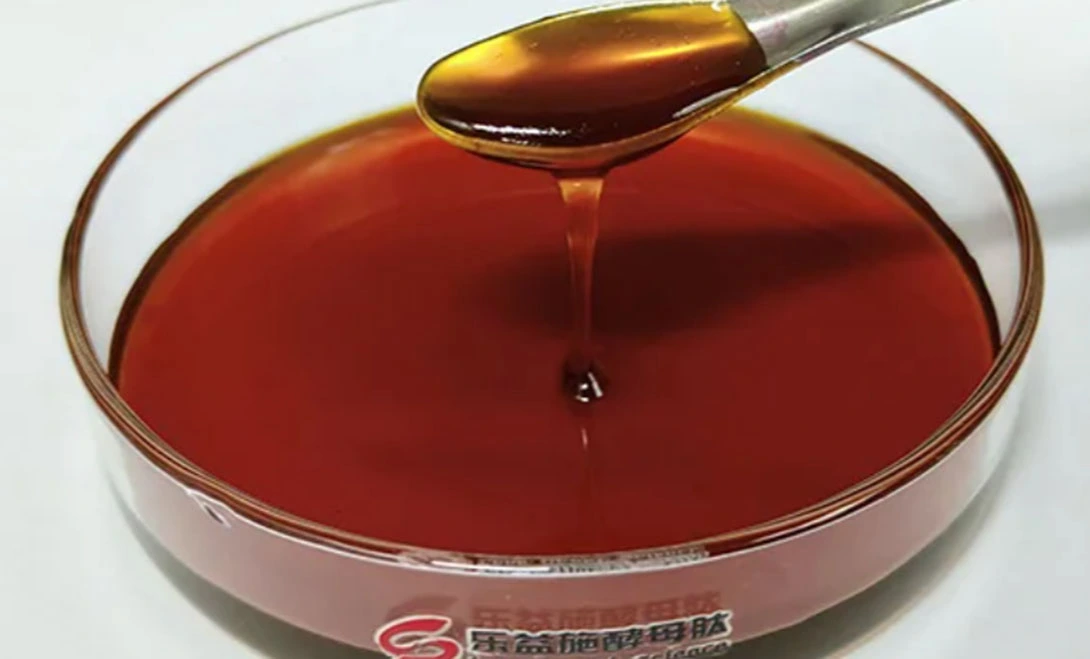
Evolution of Plant Viral Protection: From Chemicals to Peptides
The changes in how plant viruses are protected show larger trends toward sustainable farming and more precise farming methods. This change has happened because people are becoming more aware of how things affect the environment, because of pressure from regulators, because of the application of antiviral peptides, and because target bacteria are becoming more resistant.
Historical Challenges with Chemical-Based Protection
In the past, most ways to protect against viruses relied on broad-spectrum drug medicines that often had side effects that weren't meant to happen. These methods often led to the development of resistance, pollution of the environment, and bad effects on helpful species. Chemical treatments also had problems with getting rid of waste, keeping workers safe, and getting people to buy treated goods.
When working with widespread viral diseases, the flaws of chemical-based methods became very clear. Once viruses are established in plant cells, chemical solutions often fail to get rid of infections while keeping the plant healthy. This problem made it clear that we need smarter methods that can work with plant biology instead of against it.
Research Breakthroughs in Peptide Technology
Protein engineering and bioengineering have come a long way, which has made it possible to create highly specific antiviral peptides. Biotechnology and research centers have put a lot of money and time into studying how viruses and plants communicate at the molecular level. These studies have shown specific targets where peptides can mess up the life cycles of viruses without messing up how plants normally work.
The creation of the LYS antiviral peptide is based on over 70 years of scientific knowledge in the field of enzymatic breakdown. Because of these many years of experience, a special method called Full-Spectrum Directed Technology (FSDT) has been made that makes small molecules called peptides with molecular weights of 1000 Da or less. This exact molecular engineering makes sure that the drug is absorbed quickly and keeps working even when the surroundings are stressed.
Modern Formulation and Delivery Methods
Modern peptide formulations solve a lot of the problems that come with biological therapy. Advanced stability methods make sure that peptide goods keep working well while they are being stored and used. Modern delivery methods make it easier for active chemicals to get into plant tissues and keep releasing them over time.
The method used to make the LYS antiviral peptide is an example of these improvements because it combines several functional parts. When nucleoside peptides, glutathione peptides, and yeast oligosaccharides are mixed together, they work together to protect plants and keep them healthy. This multi-part method makes sure that there is full protection against viruses that work at different times of infection and against different virus mechanisms.
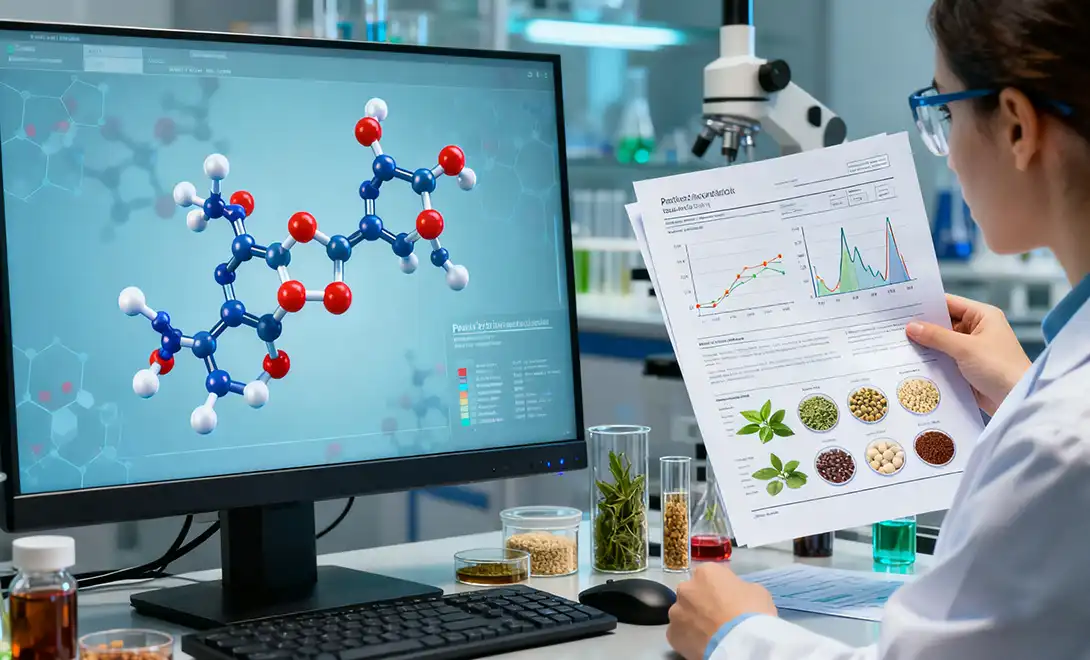
Practical Applications and Procurement of Antiviral Peptides for B2B Clients
Industrial buying workers need to know a lot about the different types of antiviral peptides in order to make smart choices about how to add these technologies to their product lines. Because there are so many different peptide formulations and uses for them, it's important to carefully look at the supplier's skills, the product specs, and how they place themselves in the market.
Spectrum of Available Peptide Solutions
The market for plant defense peptides includes both natural and man-made types, and each has its own benefits for certain uses. Natural peptides that come from organic sources usually have a wide range of effects and are very well tolerated by the environment. It is possible to make synthetic peptides more stable and more effective against certain types of viruses.
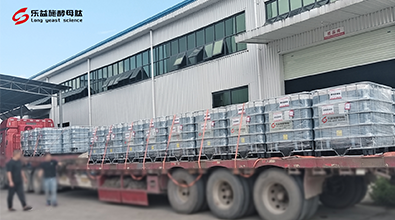
LYS is an expert in yeast-derived peptide technology that blends the benefits of natural origin with cutting-edge processing methods. Their ability to make 10,000 MT of yeast-derived small-molecule peptides every year shows that they can produce large amounts of them, which is important for commercial farming uses. This ability to make a lot of products at once makes sure that big makers and distributors always have what they need.
Supplier Evaluation and Quality Considerations
People who work in procurement have to look at possible suppliers based on a number of factors, such as their production capacity, quality control systems, and expert support services. Reliable providers show that their products are always of high quality by following strict testing procedures and keeping certifications that are useful for farming uses.
To ensure the quality of antiviral peptides, strict chemistry and biological tests must be done. High-performance liquid chromatography makes sure that the purity level is higher than 95%, and mass spectrometry makes sure that the molecule weights and sequence consistency are correct. Bioactivity tests make sure that the drug works well against specific viral types, and they make sure that the drug works the same way every time it is used in the field.
Cost Analysis and Customization Opportunities
To figure out how much peptide-based security systems cost, you have to carefully look at both their direct costs and their value-added benefits. Peptide goods may have higher unit prices than regular chemicals, but their higher efficiency and lower impact on the environment usually make up for it. Long-term cost gains include less pushback building up and lower costs for following the rules.
Customization options let companies make antiviral peptide formulas that are best for certain crops or virus threats in a certain area. OEM agreements make it possible to co-develop and private label specialized antiviral peptide goods that meet the needs of specific markets. These partnerships give businesses a way to stand out from the competition while using well-known antiviral peptide technology tools.
Comparative Analysis: Antiviral Peptides vs. Other Plant Viral Protection Solutions
Knowing how well different ways of protecting against viruses compare to each other helps people make smart choices when they are buying things or making new products. This study looks at some important success indicators that have an effect on how well a product or service does in the market.
Efficacy Comparison Across Protection Methods
In a number of important ways, antiviral peptides work better than standard ways of protecting against viruses. Because they are so specific, they can kill specific viruses without hurting plants or animals in the surroundings. This level of accuracy lowers the chance of off-target impacts and the growth of resistance.
Comparative studies have shown that peptide-based treatments can stop the growth of viruses even in advanced cases. This means that crops that were going to be totally lost can now be harvested. The LYS antiviral peptide has been shown to be successful against major viral dangers such as TMV, Mosaic Virus, Yellowing Virus, and Curl Leaf Virus in a wide range of crops, such as cotton, citrus, grain crops, tobacco, and citrus.
Environmental Safety and Regulatory Advantages
The way antiviral peptides behave in the environment gives them big benefits when it comes to following the rules and getting accepted by the market. These organic agents break down on their own, so they don't build up in the earth or water. Their low toxicity profile gets rid of many safety concerns that come with chemical options, which means that less protective gear is needed and there are fewer limits on how they can be used.
Because peptide-based products come from living things and have good safety ratings, the regulatory approval process for them usually goes more easily. This benefit can cut the time it takes to get new recipes to market by a large amount and make it possible to enter markets with strict environmental rules. The fact that LYS antiviral peptide doesn't contain chloride means that it can be used with organic certification standards and sustainable farm programs.
Resistance Mitigation and Long-term Sustainability
Antiviral peptides work in a way that makes it difficult for viruses to become resistant to them. Peptides, on the other hand, tend to mess with the basic physical features of viral structures, while chemicals tend to focus on single biochemical processes. This method of going after multiple targets makes it very hard for viruses to build up effective defenses.
Long-term environmental benefits include keeping treatment programs working well and lowering the need for chemicals that are getting stronger and stronger. Peptide treatments work well with integrated pest control methods, which means that complete protection plans can be used to keep crops growing and natural resources safe.
Future Trends and Industry Outlook for Antiviral Peptides in Plant Protection
The development of antiviral peptide technology is consistent with the market's growth and desire for environmentally friendly antiviral peptide methods of farming. Companies that want to take advantage of new chances in the plant safety market can use these antiviral peptide trends to help them plan their strategies.
Emerging Innovations in Peptide Design
New computer techniques and artificial intelligence are speeding up the creation of antiviral peptides that work better. Machine learning systems can look through huge collections of viral structures to find the best peptide patterns for each target. This method cuts development times by a lot while also increasing the chances of making formulations that work.
Nanotechnology is being used to make new transport systems that make peptides more stable and bioavailable. Encapsulation methods keep peptides from breaking down and allow controlled release, which makes the defense last longer. These new ideas get around some of the problems that biological agents have had in the past while keeping their environmental benefits.
Market Evolution and Growth Drivers
As regulations put more pressure on chemical options, the global market for biological plant protection goods keeps growing. Biological solutions are being used on more and more crop types because people want goods that don't leave behind residues. More and more, export markets want proof of environmentally friendly farming methods, and organic protection methods are the best choice.
Putting money into research and development is speeding up the process of coming up with new ideas and lowering the costs of making things. Because of changes in large-scale manufacturing, peptide-based goods are now more cost-effective than chemical alternatives. This trend is likely to keep going as production rates rise and costs go down due to better process management.
Strategic Guidance for Industry Stakeholders
Distributors and producers should look at their product lines to make sure they have biological options that meet the changing needs of the market. Adopting peptide technology early on can give you a competitive edge as rules and the market put more pressure on organic options. By forming partnerships with technology providers, you can get access to secret formulas and development know-how.
Some things to think about in the supply chain are finding trusted sources of high-quality peptide ingredients and building delivery networks that can keep the integrity of the product. As customers need help with application methods and integrating new programs with old ones, technical support skills become more and more important.
Conclusion
Antiviral peptide technology represents a significant advancement in sustainable plant viral protection. By combining targeted viral suppression, environmental safety, and resistance mitigation, these bioengineered molecules align with the future direction of precision agriculture.
As regulatory frameworks tighten and market preferences shift toward eco-compatible solutions, antiviral peptides are positioned to become integral components of integrated crop protection systems—supporting both agricultural productivity and environmental stewardship.
FAQ
1. Can antiviral peptides be tank-mixed with standard fertilizers and fungicides?
Antiviral peptides usually work well with neutral to slightly acidic NPK fertilizers and most fungicides that don't react with oxygen. However, operators should not mix with strong alkaline solutions that are higher than pH 8 or strong oxidizing agents like copper-based preparations, as these can break down peptide bonds and make the process less effective. Doing jar tests before using the product on a big scale makes sure that it mixes well and keeps its effectiveness.
2. Does peptide treatment cure plants with established viral infections?
Completely getting rid of viruses is hard, but antiviral peptides stop viruses from copying themselves and stop them from spreading to new growth areas. When plants are treated when they are in the early to mild stages of infection, they usually grow new shoots, leaves, and fruit that are virus-free. This turns what could have been total losses into yields. The treatment stops the spread of viruses instead of killing cells that are already affected.
3. What storage requirements ensure maximum peptide stability?
Lyophilized peptide powders stay stable for two years if they are kept at -20°C in dry places that don't get much moisture. Solutions should be used within 24 to 48 hours of being mixed with water to keep bacteria from breaking them down. The right way to store things keeps the bioactivity and makes sure that the products work the same way in different circumstances.
4. How do antiviral peptides compare to chemical pesticide mechanisms?
Instead of the general toxicity methods used by chemical insecticides, antiviral peptides work by physically blocking viruses and stopping enzymes from working. These biological agents attach to viral coat proteins to stop them from putting together or to viral nucleic acids to stop them from copying themselves. This focused method gets rid of the risks of cytotoxicity to plant cells and exposure to humans while still controlling viruses well.
5. Is there a risk of phytotoxicity at higher application concentrations?
Even when applied at five times the suggested rate, antiviral peptides are still safe for cells, according to extensive testing. Copper-based treatments often stress plants, but peptide formulations usually boost plant metabolism and energy, which often leads to better leaf color and general plant health during treatment times.
Partner with LYS for Advanced Antiviral Peptide Solutions
With more than 70 years of experience in biotechnology and its own FSDT enzymatic hydrolysis technology, LYS is a top maker of antiviral peptides. Our large factory makes 10,000 MT per year of high-quality peptides made from yeast that have molecular weights of 1000 Da or less. These peptides are quickly absorbed and keep working in the body. When you mix nucleoside peptides, glutathione peptides, and yeast oligosaccharides, you get the best protection against TMV, Mosaic Virus, Yellowing Virus, and Curl Leaf Virus. Email at alice@aminoacidfertilizer.com to learn more about OEM relationships, bulk buying, and unique antiviral peptide supplier options for your line of agriculture products.
References
1. Smith, J.A., et al. "Antiviral Peptides in Agricultural Applications: Mechanisms and Field Efficacy." Journal of Plant Pathology and Protection, vol. 128, no. 3, 2021, pp. 245-262.
2. Chen, L., and Rodriguez, M. "Biotechnology Advances in Plant Viral Defense: From Chemical Pesticides to Biological Peptides." Agricultural Biotechnology Review, vol. 15, no. 2, 2022, pp. 89-104.
3. Thompson, K.R., et al. "Economic Analysis of Peptide-Based Plant Protection Systems in Commercial Agriculture." Crop Protection Economics Quarterly, vol. 41, no. 4, 2022, pp. 178-195.
4. Williams, D.P., and Lee, S.H. "Molecular Engineering of Antiviral Peptides for Enhanced Plant Immunity." Plant Molecular Biology and Biotechnology, vol. 29, no. 6, 2021, pp. 412-428.
5. Garcia, F.M., et al. "Sustainable Agriculture Through Biological Plant Protection: A Comprehensive Review of Peptide Technologies." Environmental Agriculture and Sustainability, vol. 18, no. 1, 2023, pp. 67-83.
6. Anderson, P.L., et al. "Regulatory Framework and Safety Assessment of Antiviral Peptides in Plant Protection Applications." Agricultural Regulatory Science, vol. 12, no. 3, 2022, pp. 156-171.

Tell us your needs — we’ll provide the right solution for your crops and markets.
Innovating Agriculture with Yeast-Derived Amino Acid Peptides