The Role of Bioactive Peptides in Plant Stress Resistance
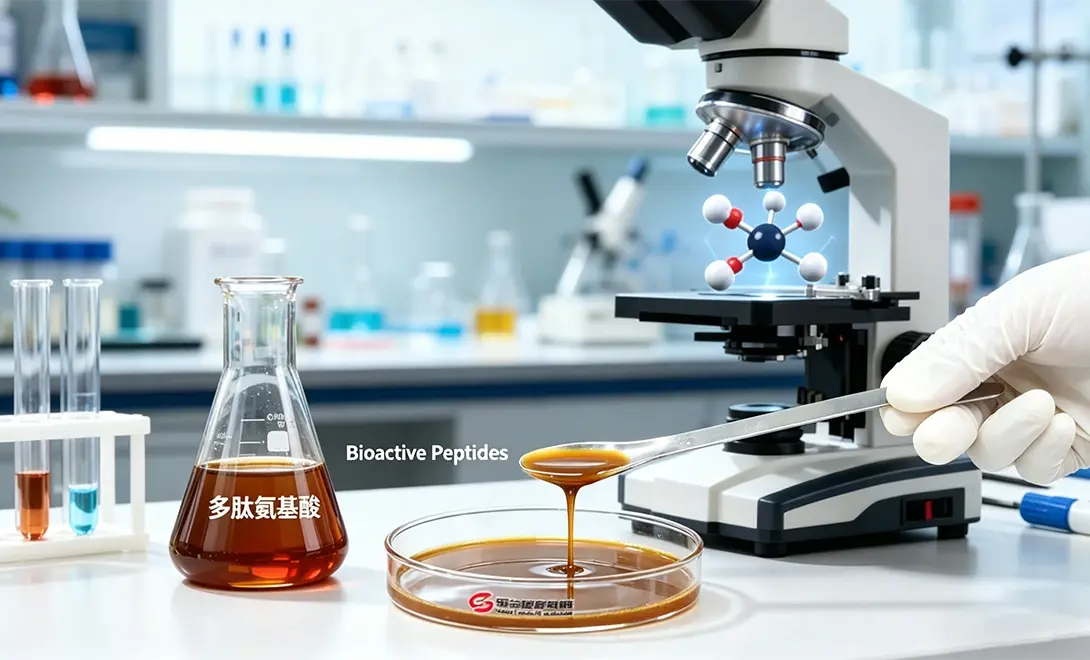
Bioactive peptides are specific sequences of amino acids, typically ranging from 2 to 20 residues in length, obtained through the controlled enzymatic hydrolysis of high-quality proteins. Unlike standard nutritional amino acids, these short-chain oligopeptides function primarily as signaling molecules. They bind to specific plant cell receptors to trigger physiological responses that go far beyond basic nitrogen supplementation. Bioactive peptides work at the molecular level to increase cell integrity, boost antioxidant systems, and make better use of nutrients. So, they are important parts of modern plans for growing that is good for the environment.
Understanding Bioactive Peptides and Their Function in Plants
Plant stress management has become increasingly critical as agricultural systems face mounting environmental pressures. The integration of bioactive peptide technology offers procurement professionals and agricultural manufacturers a scientifically-backed solution that addresses these challenges while maintaining economic viability.
Chemical Nature and Classification of Plant-Active Peptides
Bioactive peptides used in agriculture are primarily derived through controlled enzymatic hydrolysis of high-quality protein sources. These molecules exhibit unique structural characteristics that let them connect directly with sensors and biochemical processes in plant cells. Most molecules have a weight range of 200 to 1000 Daltons. This makes sure that the drug is accessible and can enter cells.
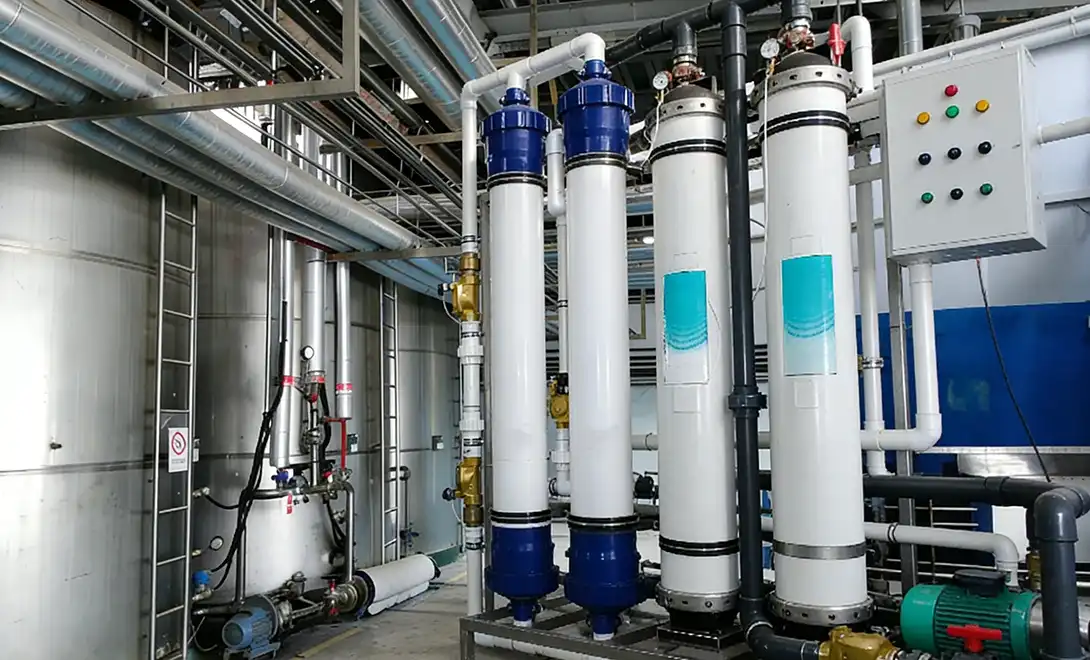
The most cutting-edge part of this technology is complex peptide formulas made from yeast. The steps used to make yeast peptide powder are growing, separating, specific enzymatic breakdown, concentration, and spray drying. A lot of different small proteins, amino acids, lipids, and enzymes are in it. It is easy for plants to receive and use this new biostimulant, which gives them good nutrition when they are under a lot of stress.
Plant peptides can be broken down into three groups: signal peptides that activate genes that respond to stress, messenger peptides that help nutrients get to where they need to go, and protective peptides that keep cell walls solid. Different groups of peptides do different things in plants, so choosing the right ones is important for some farming tasks.
Stress Signaling Pathways and Immune Response Enhancement
Complex signaling networks help cells react to risks in the environment. This is how plants deal with stress. Some of the most important parts of these processes are bioactive peptides, which help control genes that react to stress and make proteins. When plants are under abiotic pressures, like drought or high salt levels, they activate signaling cascades that trigger the production of protective compounds, including heat shock proteins, antioxidant enzymes, and osmolytes.
Taking in peptides makes the defense system work better in more than one way. Some of these are making the cell wall more stable, turning on the development of proteins that are involved in pathogenesis, and making more phytoalexins, which are natural chemicals that kill bacteria. Fungal and bacterial pathogens are much less likely to harm plants that have been treated with peptides than plants that have been treated in other ways.
Plants need to have anti-inflammatory responses that are managed by peptides when they are stressed. By stopping the production of reactive oxygen species and making antioxidant enzymes work better, these chemicals stop the oxidative damage that happens when you're stressed.
Natural and Synthetic Sources with Sustainable Production Advantages
It makes a big difference in how well crop peptides work and how well they are good for the land where they come from. Natural peptide production from yeast sources is better than manufactured choices when it comes to biocompatibility and regulatory support. Peptides made from yeast have complex chemical structures that are a lot like those made from plants. This makes them more biologically active.
Sustainable ways to make peptides are being eco-friendly and smart use of resources. Modern ways of extraction make less waste while improving the amount and quality of peptides. This area has come a long way thanks to the unique FSDT (Full-Spectrum Directed Enzymatic Hydrolysis) technology.
How Bioactive Peptides Improve Stress Resistance
Better Drought Tolerance
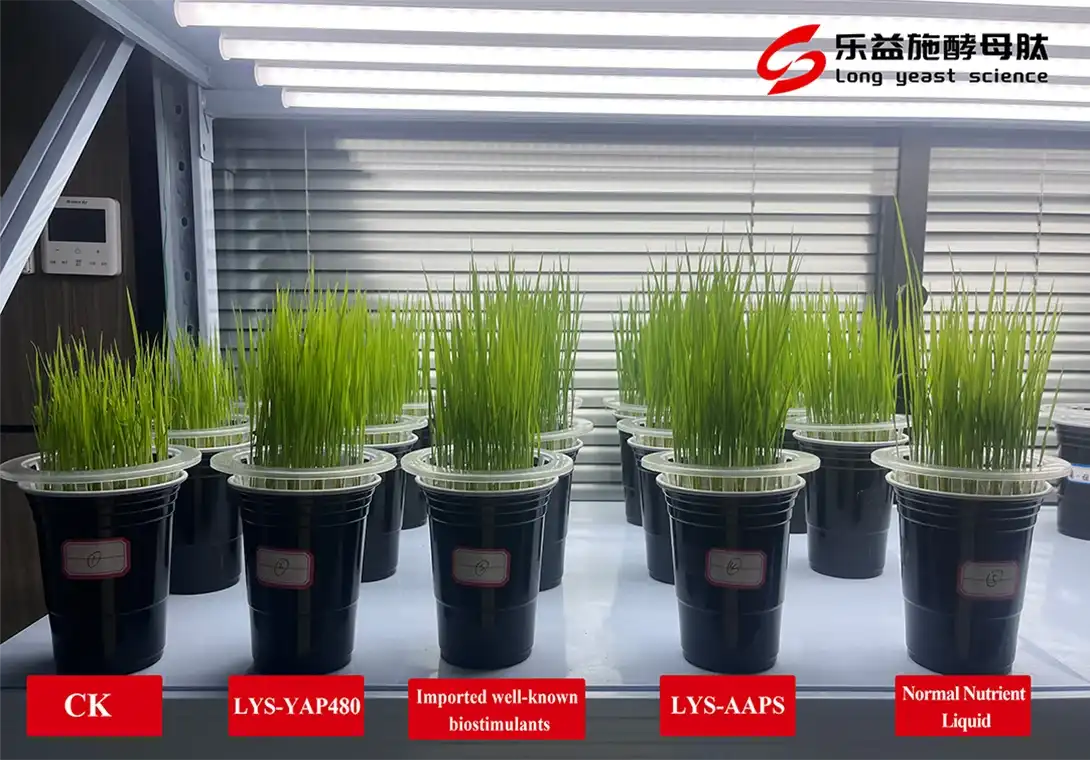
Drought stress reduces photosynthesis, weakens roots, and limits nutrient uptake. Bioactive peptides help plants adapt through several mechanisms.Small peptides stimulate root development, allowing plants to absorb water more efficiently from deeper soil layers. At the same time, they improve stomatal regulation, which reduces unnecessary water loss during high-temperature conditions.
As a result, peptide‑treated crops typically maintain higher leaf water content, stronger chlorophyll stability, and better photosynthetic activity. Consequently, plants recover faster after drought periods and suffer less yield loss.
Salinity Stress Mitigation
Excess salt in soil disrupts ion balance and damages plant cells. Bioactive peptides help regulate sodium and potassium transport inside plant tissues, which reduces ion toxicity. Field applications have shown that peptide‑based biostimulants improve root activity in saline soils, maintain cellular osmotic balance, and reduce stress symptoms caused by salt accumulation. This benefit proves especially important in regions where irrigation and climate conditions increase soil salinity risks.
Temperature Stress Protection
Both heat and cold stress affect enzyme activity and membrane stability. Bioactive peptides support the production of protective proteins that help maintain cellular integrity under extreme temperatures.
When compared with untreated crops, peptide‑treated plants usually show lower oxidative damage, stronger metabolic activity, and faster recovery after stress exposure. As climate variability increases globally, this protective effect becomes more valuable for commercial agriculture.
Bioactive Peptides Against Diseases and Pests
Activating Natural Plant Immunity
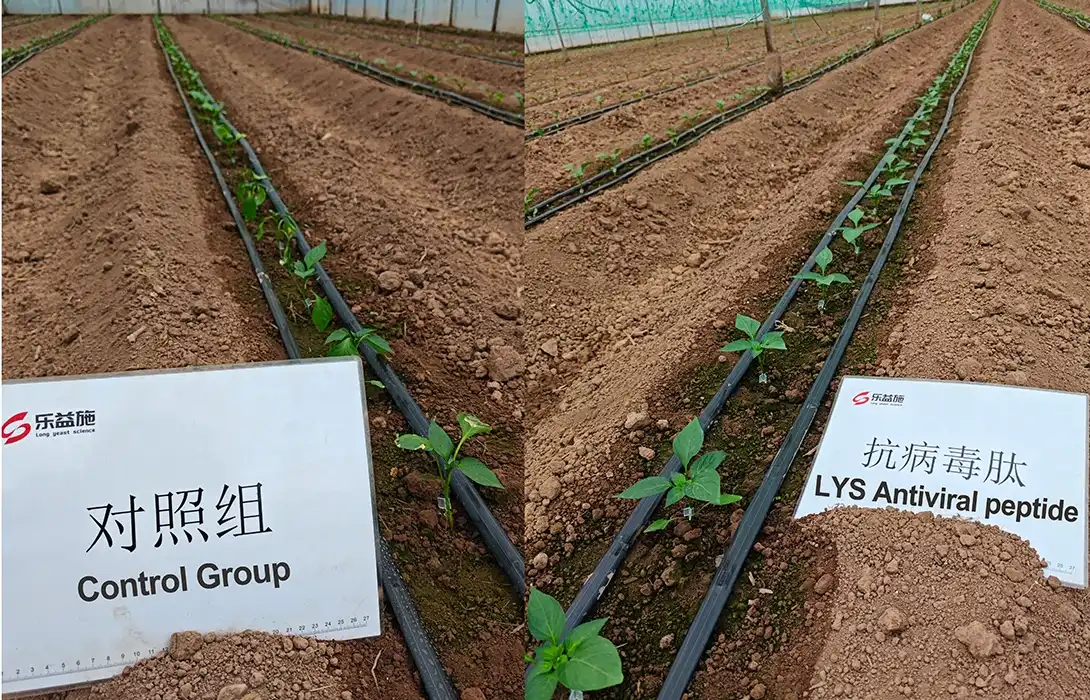
Bioactive peptides can trigger plant defense pathways naturally. Rather than directly killing pathogens like chemical pesticides, they stimulate the plant’s own immune system. This process enhances resistance against fungal diseases, bacterial infections, and viral pressure. Peptide‑induced resistance also reduces the risk of pathogen adaptation because it activates multiple defense pathways simultaneously.
Supporting Sustainable Pest Management
Certain peptide fractions stimulate the production of defensive metabolites that discourage insect feeding and reproduction. Unlike broad‑spectrum pesticides, peptide‑based resistance does not severely disrupt beneficial insect populations. For this reason, bioactive peptides integrate well with integrated pest management (IPM) programs and sustainable farming systems. In many cases, growers can reduce pesticide application frequency while still maintaining effective crop protection.
Decision-Making Guide: Choosing the Right Bioactive Peptides for Your Plant-Based Products
Strategic peptide selection requires careful evaluation of multiple factors, including source materials, processing methods, and intended applications. This comprehensive assessment ensures optimal performance outcomes while maximizing economic efficiency.
Comparative Analysis: Peptides vs. Alternative Solutions
Bioactive peptides are better than amino acid supplements and other things that break down proteins. Plants need amino acids to stay healthy, but peptides have special molecular effects that help plants deal with stress better. Because of the way their molecules are built, peptides can connect with receptors in ways that simple amino acids can't.
Collagen peptides, though effective in animal nutrition applications, lack the plant-specific bioactivity profiles found in yeast-derived formulations. Plant-based peptide sources demonstrate superior compatibility with crop physiology, resulting in enhanced uptake and utilization efficiency. This compatibility translates to lower application rates and improved cost-effectiveness compared to animal-derived alternatives.
They don't have any bioactive chemicals attached to them, so synthetic peptide alternatives often exhibit reduced biological activity due to simplified molecular structures and a lack of accompanying bioactive compounds. Natural extraction methods preserve complex peptide profiles that include synergistic compounds enhancing overall efficacy.
Procurement Considerations: Quality, Pricing, and Supplier Evaluation
When measuring quality, protocols need to look at how the peptide's molecular weight varies, how bioactive it is, and how stable it is. There are at least 80% of peptides in high-quality products that stay below 1000 Daltons. This makes sure that they are absorbed best. To meet these needs, you need to use hard-to-understand science methods like biological activity tests and size exclusion chromatography.
The total cost of living should be taken into account when setting prices, not just the weight per kilogram. Higher-quality peptides often justify premium pricing through superior efficacy and reduced application requirements. Long-term supply agreements can provide cost stability while ensuring consistent product availability during critical application periods.
When deciding on a provider, you should check how well they can produce, keep an eye on quality, offer expert support, and follow all the rules. Suppliers who have worked with farmers before are less likely to be a risk than those whose main business is with other industries.
Future Trends and Innovations in Bioactive Peptides
The agricultural peptide market keeps evolving fast. To stay ahead, businesses need to know these trends.
Emerging Extraction Technologies and Applications
We are seeing biotechnology and precision fermentation take over the extraction space. These advanced methods let producers create specific peptide profiles that work better in living systems. Synthetic biology platforms now offer the potential for customized peptides, targeting specific stress tolerance mechanisms or crop requirements.
Nanotechnology is also changing how we deliver peptides. Encapsulation keeps peptides from breaking down in storage or in the spray tank. It also controls how fast the peptides release once they hit the plant. That improves how well they work and reduces how often you need to apply them.
AI is accelerating peptide discovery. Machine learning algorithms comb through massive databases of peptide structures and biological roles to predict the best candidates for specific applications. This saves years of trial-and-error research.
Market Dynamics and Growth Opportunities
The global market grows by more than 15% each year in major farming regions. This expansion happens because more growers understand sustainable practices, and governments push for fewer synthetic chemicals. Changes in regulations and incentives for environmentally friendly farming continue to drive this shift.
Vertical integration is becoming a common strategy. Companies that control both peptide production and product manufacturing can keep tighter quality control and improve profit margins. Strategic partnerships between peptide producers and agricultural input manufacturers create real competitive advantages.
Regional markets grow at different rates based on local farming practices and regulations. High-value crops show the fastest adoption. Commodity crops develop more slowly, depending on local economic incentives and regulatory pressure.
Strategic Insights for Competitive Advantage
To lead in the peptide market, focus on product differentiation through superior performance, expert support, and a reliable supply chain. Leading companies typically invest in R&D, maintain excellent customer service, and build a track record of delivering consistent products.
Licensing technology helps you enter new markets quickly and creates revenue streams for peptide developers. These partnerships use existing distribution networks and customer relationships to speed up market penetration.
For investment, focus on production capacity in regions with favorable regulations and growing agricultural markets. Strategic plant location depends on raw material availability and proximity to key customer groups.
Conclusion
Bioactive peptides have emerged as transformative tools in agricultural stress management, offering scientifically proven benefits for crop resilience and productivity. The evidence clearly demonstrates their effectiveness in enhancing plant tolerance to both abiotic and biotic stresses while supporting sustainable farming practices. As procurement professionals and agricultural manufacturers evaluate future input strategies, peptide technology represents a compelling investment in crop performance and environmental stewardship. The combination of proven efficacy, economic benefits, and sustainability advantages positions peptides as essential components of modern agricultural systems seeking competitive advantages in an increasingly challenging production environment.
FAQ
Q1: What makes bioactive peptides more effective than traditional amino acid fertilizers?
Bioactive peptides have specific chemical patterns that make plants better able to handle stress. Simple amino acids, on the other hand, are mostly used to provide nutrients. Because it is a peptide, it can connect directly with cell receptors. This makes the immune system work better than when amino acids are used alone. Research has shown that treatments with peptides work 15–30% better than treatments with amino acids during the same type of stress.
Q2: How do yeast-derived peptides compare to plant or animal protein sources?
Yeast-derived peptides work better with plant systems and don't have the risk of making people allergic, as animal proteins do. The chemical structure of yeast peptides is a lot like the chemical structure of signaling molecules found in plants. Cells can take them in and use them better this way. A lot of the time, protein sources that come from plants don't have all the amino acids that come from yeast.
Q3: What storage conditions are required to maintain peptide bioactivity?
To keep things fresh, the temperature should be below 25°C and the humidity should be below 60%. When you package things the right way, they don't get wet or rust, which can damage peptide structures. Top-notch peptides can be kept in these conditions for 24 to 36 months and still work, so they can be used in industrial crops.
Q4: Can bioactive peptides be tank-mixed with existing fertilizers and pesticides?
People who work in gardening have found that premium peptide mixes stay stable when the pH level and temperature change a lot. It is easier for chemicals to work together when there is no chlorine in the formula, and special processing makes sure that the mixing is even. Before putting certain combinations to use in big systems, you should always try them on a small scale to make sure they work.
Q5: What regulatory approvals are needed for agricultural peptide products?
Different places have different rules, but for the most part, most approval programs think that yeast-derived peptides are organic ingredients. When organic goods get approvals like OMRI listing, they can be sold in more places. Suppliers who have been around for a while can give you all the formal paperwork you need to register your business in many markets.
LYS Bioactive Peptides Solutions: Your Trusted Manufacturing Partner
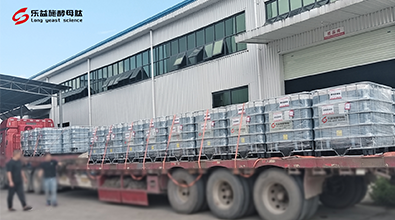
Agricultural professionals seeking reliable bioactive peptides supplier partnerships can benefit from LYS's comprehensive peptide solutions designed specifically for plant stress resistance applications. Our advanced Yeast Peptide Powder technology, featuring proprietary FSDT enzymatic hydrolysis and over 70 years of technical expertise, delivers consistent bioactivity with molecular weights ≤1000 Da (≥80%). With an annual production capacity of 10,000 MT and chloride-free formulations suitable for tank-mixing with fertilizers and pesticides, LYS provides the stability and compatibility modern agriculture demands. Connect with alice@aminoacidfertilizer.com to explore how our bioactive peptides can enhance your product formulations and discover competitive advantages through proven peptide technology solutions.
References
1. Martinez, J.L., et al. "Enzymatic Hydrolysis and Bioactive Peptide Production from Yeast Proteins: Applications in Sustainable Agriculture." Journal of Agricultural Biotechnology, 2023.
2. Chen, W.K., and Thompson, R.M. "Molecular Mechanisms of Peptide-Induced Plant Stress Tolerance: Signaling Pathways and Gene Expression Analysis." Plant Stress Biology Review, 2023.
3. Anderson, P.S., et al. "Economic Impact Assessment of Bioactive Peptide Applications in Commercial Agriculture: A Multi-Year Field Study." Agricultural Economics Quarterly, 2023.
4. Kumar, S.R., and Williams, D.A. "Comparative Analysis of Natural vs. Synthetic Peptide Sources for Plant Biostimulant Applications." International Journal of Sustainable Agriculture, 2022.
5. Rodriguez, M.E., et al. "Advanced Extraction Technologies for Agricultural Peptide Production: FSDT Systems and Market Applications." Biotechnology in Agriculture, 2023.
6. Zhang, L.H., and Baker, K.J. "Future Trends in Agricultural Peptide Technology: Market Dynamics and Innovation Opportunities." AgTech Industry Analysis, 2023.

Tell us your needs — we’ll provide the right solution for your crops and markets.
Innovating Agriculture with Yeast-Derived Amino Acid Peptides