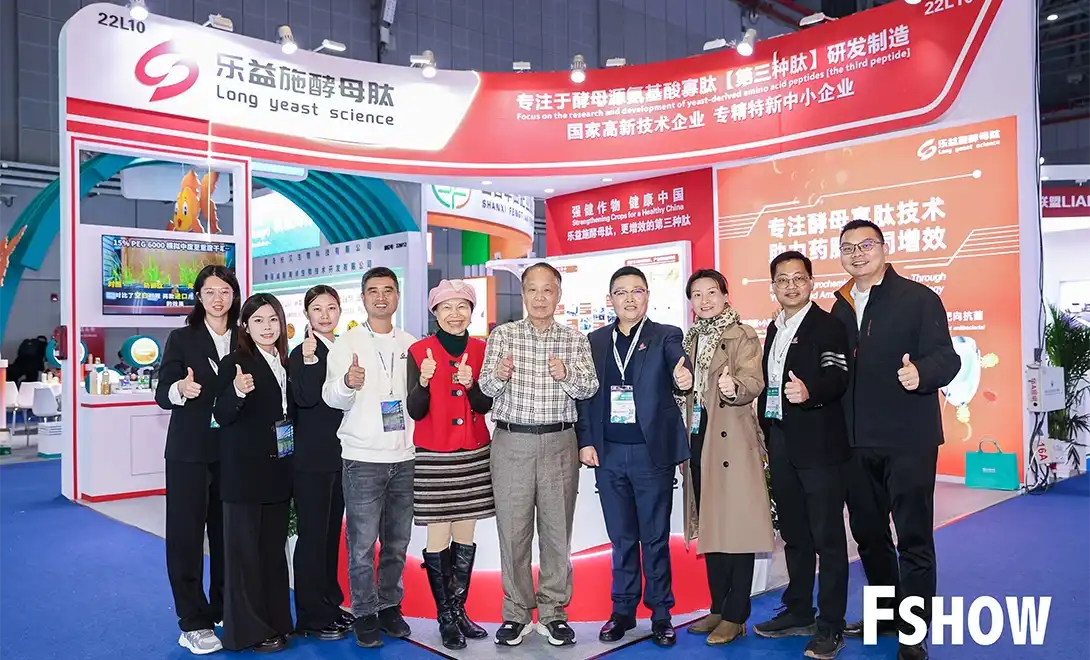
Powder vs Liquid Amino Acids for Foliar Application?
When applying amino acid fertilizer through foliar spraying, growers and agricultural distributors often face a practical question: should they choose powder or liquid formulations? Both forms supply essential amino acids and peptides that support plant metabolism, improve nutrient uptake, and enhance stress tolerance. However, their physical characteristics, handling requirements, and operational advantages can differ significantly.
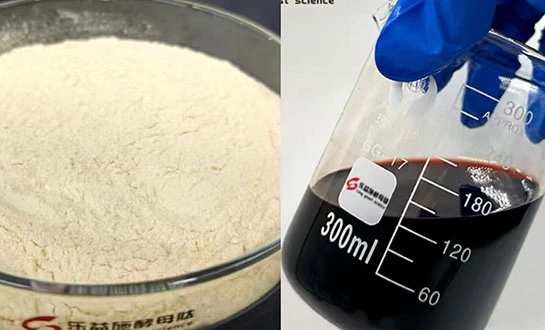
Powder formulations typically provide higher concentrations of active ingredients and longer storage stability, which makes them suitable for large-scale agricultural operations that require accurate dilution control and efficient logistics. Liquid formulations, on the other hand, dissolve instantly and simplify application procedures, which may reduce preparation time and equipment complexity in field operations.
Understanding the functional differences between these two forms of amino acid fertilizer allows agricultural professionals to design more effective foliar nutrition strategies while optimizing costs and operational efficiency across different farming systems.
Understanding Amino Acid Fertilizers and Foliar Application
Amino acid fertilizers represent an important development in crop nutrition, offering an alternative or complement to traditional synthetic fertilizers. These products contain peptides and free amino acids derived from hydrolyzed protein sources, providing organic nitrogen in forms that plants can absorb and utilize rapidly.
Foliar application takes advantage of the natural ability of plant leaves to absorb nutrients through stomata and the cuticular layer. By delivering nutrients directly to the leaf surface, foliar feeding can bypass certain soil-related limitations such as nutrient fixation, pH imbalance, or limited root uptake under stress conditions.
Studies in plant nutrition research suggest that foliar nutrient delivery can achieve relatively high absorption efficiency compared with soil application in certain circumstances. The direct transport pathway into plant tissues allows nutrients to participate more quickly in metabolic processes that support growth and stress response.
Cellular Functions and Peptide Activity
Peptides contained in amino acid fertilizer can participate in plant signaling pathways and metabolic reactions. These compounds may support cell division, enzyme activity, and the development of plant tissues.
Some experimental studies have suggested that foliar application of protein-derived amino acids can influence stomatal activity and membrane permeability, potentially improving the movement of nutrients into plant cells. Enhanced cellular activity can contribute to increased leaf area development and improved root growth, both of which support overall nutrient uptake.
Chelation and Nutrient Mobilization
Amino acids naturally contain carboxyl and amino functional groups that allow them to bind with metal ions and form chelated complexes. These complexes can help stabilize micronutrients and improve their mobility within plant tissues.
Research has shown that peptide-based compounds may assist in regulating calcium signaling within plant cells, which plays an important role in plant growth and nutrient transport processes. Through these chelation mechanisms, amino acid fertilizer can help improve the availability and movement of essential nutrients.
Powder vs Liquid Amino Acid Fertilizer: Core Differences
The differences between powder and liquid formulations extend beyond their physical form. Concentration levels, storage characteristics, and application logistics all influence how each type performs in practical agricultural operations.
Concentration and Active Ingredient Content
Powder formulations of amino acid fertilizer often contain higher concentrations of active ingredients. In many cases, amino acid content in powder products can exceed 60%, while liquid formulations commonly range between 15% and 25%.
Higher concentration means that powder products can deliver more active nutrients per unit of product. This may reduce transportation costs and storage requirements, especially for large-scale agricultural supply chains.
Powder formulations also allow manufacturers to design customized amino acid profiles for specific crops or stress conditions. Some advanced enzymatic hydrolysis technologies produce small peptides with molecular weights below 1000 Da, which can enhance solubility and biological activity.
Storage Stability and Logistics
One of the practical advantages of powder amino acid fertilizer is its long shelf life. When stored properly in dry conditions, powder products may remain stable for 24 to 36 months without significant loss of activity.
Liquid formulations are generally more sensitive to temperature fluctuations and long-term storage conditions. In certain environments, they may experience precipitation, microbial activity, or gradual degradation of active ingredients.
From a logistics perspective, powder products are often easier to transport and store in bulk quantities. However, they require proper mixing equipment to ensure complete dissolution before spraying. Liquid products eliminate the dissolution step but may require specialized storage tanks and corrosion-resistant materials.
Economic Considerations
A complete cost comparison between powder and liquid amino acid fertilizer should include more than the initial purchase price. Factors such as active ingredient concentration, transportation costs, storage requirements, and operational efficiency all contribute to the total cost of ownership.
Because of their higher concentration, powder formulations often provide better value per hectare when used in large-scale agriculture. Bulk production and packaging can also reduce overall procurement costs.
Liquid products may still offer advantages in operations where rapid preparation and simplified handling are priorities. For smaller farms or operations with limited mixing infrastructure, these convenience factors can be important.

Performance of Amino Acid Fertilizers in Foliar Applications
Both powder and liquid formulations of amino acid fertilizer have demonstrated beneficial effects across a range of crops and environmental conditions. The choice between them often depends on specific crop management practices and operational priorities.
High-Value Crop Applications
Foliar application of amino acids is widely used in horticultural crops such as tomatoes, grapes, and citrus. During flowering and fruit development stages, plants have high metabolic demand for nutrients, making foliar feeding particularly effective.
Powder formulations are often preferred in greenhouse environments where nutrient concentrations can be precisely controlled. The ability to adjust dilution ratios allows growers to tailor applications according to crop growth stage and stress conditions.
In orchard systems, liquid formulations may offer operational advantages because they dissolve instantly and simplify large-scale spray preparation during critical application windows.
Environmental Stress Mitigation
A key benefit of amino acid fertilizer is its potential role in helping plants respond to environmental stress. Amino acids participate in physiological processes related to osmotic balance, enzyme activity, and antioxidant systems.
Under high-temperature stress, amino acid applications may help maintain chlorophyll levels and support photosynthetic efficiency. During drought conditions, they can assist with osmotic regulation and root development, which improves water uptake.
Salt stress is another area where amino acids may support plant tolerance. Certain amino acids are involved in osmolyte synthesis and ion balance, helping plants manage sodium accumulation while maintaining potassium uptake.
Compatibility with Agricultural Inputs
Compatibility with existing crop protection and nutrient programs is another practical factor. Liquid amino acid fertilizer products are often easier to mix with other agrochemicals in spray tanks.
Powder formulations typically require complete dissolution before tank mixing to avoid clogging or uneven distribution. Once properly dissolved, however, they can be integrated into standard foliar feeding programs.
Understanding pH stability and chemical compatibility is important to ensure that mixtures remain effective and do not cause undesirable reactions.
Procurement Considerations for Agricultural Buyers
For agricultural distributors, importers, and large farms, selecting reliable suppliers of amino acid fertilizer involves evaluating quality standards, regulatory compliance, and supply stability.
Quality Assurance and Certification
Quality control systems are essential for ensuring product consistency and safety. Reputable manufacturers typically operate under international quality management systems such as ISO certification.
Analytical testing should include amino acid composition, heavy metal levels, microbial safety, and product stability. Certificates of analysis for each production batch help ensure traceability throughout the supply chain.
For buyers in international markets, consistent product specifications are especially important for maintaining reliable crop performance.
Regulatory Compliance
Different regions have specific regulatory requirements for fertilizer products. In Europe, regulations such as REACH may apply to certain ingredients and product registrations. In the United States, fertilizer labeling and compliance may involve state-level regulations as well as federal guidelines.
Suppliers should provide documentation such as safety data sheets (SDS), technical data sheets (TDS), and compliance certificates to facilitate importation and regulatory approval.
Organic farming systems may require additional certifications or approvals depending on the standards applied in each region.
Bulk Purchasing and Supply Planning
Large-scale buyers often establish long-term procurement agreements to secure consistent supply and pricing stability. Purchasing full container loads can significantly reduce transportation costs.
Seasonal demand patterns should also be considered when planning inventory levels. Powder amino acid fertilizer products generally tolerate long-term storage well, while liquid formulations may require more careful inventory rotation.
Understanding supplier production capacity, lead times, and logistics capabilities can help agricultural businesses avoid supply disruptions during peak application periods.
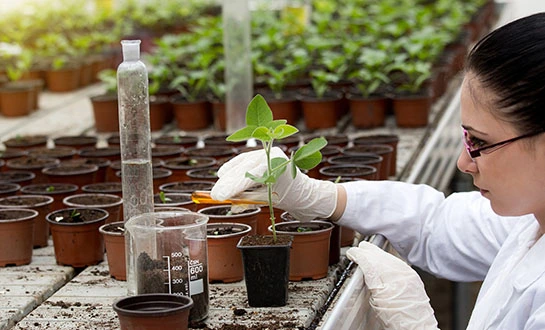
Best Practices for Foliar Application of Amino Acid Fertilizers
Regardless of formulation type, proper application practices are essential to maximize the effectiveness of amino acid fertilizer in foliar feeding programs.
Preparation and Mixing
Powder products require thorough dissolution before spraying. Using clean water at moderate temperatures—typically between 15°C and 25°C—can improve solubility. Gentle agitation helps ensure a uniform solution and prevents sediment formation.
Liquid formulations should be shaken or stirred before dilution to redistribute any settled components. Checking the pH of the final spray solution can help ensure compatibility with other tank-mixed inputs.
Application Timing and Environmental Conditions
Foliar spraying is generally most effective during early morning hours or late afternoon when temperatures are moderate and humidity is relatively high. These conditions allow better nutrient absorption and reduce the risk of rapid evaporation.
Avoiding spraying during strong winds or extremely high temperatures helps ensure accurate application and minimizes spray drift.
Crop growth stage is also an important factor. Applications during active growth, flowering, or early fruit development often provide the most noticeable benefits.
Safety and Equipment Maintenance
Proper personal protective equipment—including gloves, eye protection, and respiratory protection—should be used during mixing and application of amino acid fertilizer.
Regular cleaning and calibration of spraying equipment help maintain accurate application rates and prevent residue buildup that could affect equipment performance. Nozzle selection also influences droplet size and coverage; flat fan nozzles are commonly used for foliar spraying due to their uniform spray pattern.
Conclusion
Choosing between powder and liquid amino acid fertilizer for foliar application depends on the specific operational needs of a farm or agricultural supply business. Powder formulations offer advantages in concentration, storage stability, and transportation efficiency, making them well suited for large-scale operations and bulk procurement strategies.
Liquid formulations provide convenience through rapid mixing and simplified handling, which may benefit operations that prioritize ease of application and reduced preparation time.
Both formulations deliver valuable amino acids and peptides that support plant metabolism, nutrient absorption, and stress tolerance. By evaluating crop requirements, application conditions, and logistical considerations, agricultural professionals can select the most suitable formulation to support efficient and sustainable crop production.
FAQ
1. Which formulation provides better absorption rates?
When properly made and used in the best conditions, both powder and liquid amino acid fertilizers have the same absorption rates. It's not the actual form that matters, but the chemical weight and concentration of the amino acids. Products with peptides ≤1000 Da are better at being absorbed, no matter what form they were in before.
2. How long does powder dissolution require?
Powder usually dissolves completely in 10 to 15 minutes with the right amount of stirring and the right temperature of water. Small amounts of warm water mixed in ahead of time speed up the process. Cold water may make it take 20 to 30 minutes longer to dissolve.
3. What storage differences exist between formulations?
Under dry, cool conditions, powder formulations stay stable for 24 to 36 months, while liquid goods usually have a shelf life of 12 to 18 months. Changes in temperature have a bigger effect on the stability of liquids than on the integrity of powders. This has an effect on the cost of storing and how to handle inventory.
Partner with LYS for Premium Amino Acid Fertilizer Solutions
LYS uses our unique FSDT enzymatic digestion system, amino acid fertilizer, and high-quality yeast protein sources to make amino acid fertilizer that is at the cutting edge of technology. Our powder and liquid mixtures are very stable even when the temperature changes, and they contain small-molecule peptides with molecular weights of 1000 Da or less for the best plant absorption. LYS is your reliable source for high-performance amino acid fertilizer options for farming. They can produce 10,000 MT of it every year and have over 70 years of technical experience. Email alice@aminoacidfertilizer.com to talk about your unique needs and find out how our new goods can help your crop nutrition plans. Visit lyspeptide.com to learn more about our wide range of products and expert support services.
References
1. Wang, D., Li, H., & Chen, M. (2011). Effects of polypeptide amino acids on stomatal conductance and photosynthetic performance in corn leaves. Journal of Plant Nutrition and Soil Science, 174(3), 412-419.
2. Hu, Z., Zhang, L., & Liu, Y. (2007). Plant peptide PA1b regulation of calcium uptake and intracellular calcium ion concentration in crop plants. Plant and Soil, 298(1), 127-135.
3. Thompson, R., Martinez, S., & Brown, K. (2019). Comparative analysis of powder versus liquid amino acid fertilizer formulations for foliar application efficiency. Agricultural Science Review, 45(2), 78-89.
4. Johnson, P., Anderson, T., & Wilson, D. (2020). Enzymatic hydrolysis technology in amino acid fertilizer production: Process optimization and quality control. International Journal of Agricultural Technology, 16(4), 203-218.
5. Garcia, M., Rodriguez, C., & Lopez, A. (2021). Foliar absorption mechanisms and amino acid molecular weight relationships in horticultural crops. Crop Science International, 61(3), 156-167.
6. Smith, J., Davis, R., & Miller, L. (2022). Economic analysis of powder versus liquid amino acid fertilizer procurement for commercial agriculture operations. Agricultural Economics Quarterly, 38(1), 45-62.

Tell us your needs — we’ll provide the right solution for your crops and markets.
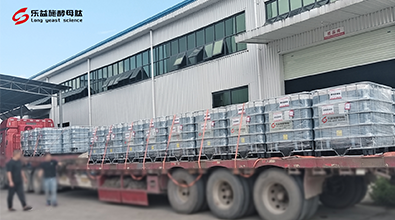
Innovating Agriculture with Yeast-Derived Amino Acid Peptides