How Yeast Nucleotides Boost Crop Metabolism and Energy Transfer?
Integrating yeast nucleotides into crop nutrition programs represents an emerging development in modern agricultural biotechnology. These bioactive molecules influence plant metabolism at the cellular level, supporting how plants manage nutrients and energy throughout their growth cycle. Derived primarily from Saccharomyces cerevisiae, yeast nucleotides participate in key biochemical pathways involved in cellular energy production and metabolic regulation.
When applied in agricultural systems, yeast nucleotides may contribute to more efficient cellular respiration and ATP production, allowing plants to allocate energy more effectively for growth, nutrient uptake, and stress response. As a result, crops can maintain stronger metabolic activity and improved resilience under challenging environmental conditions such as drought, salinity, or temperature fluctuations.
Understanding the biological role of yeast nucleotides helps agricultural professionals evaluate their potential as functional ingredients in modern crop nutrition and biostimulant formulations.
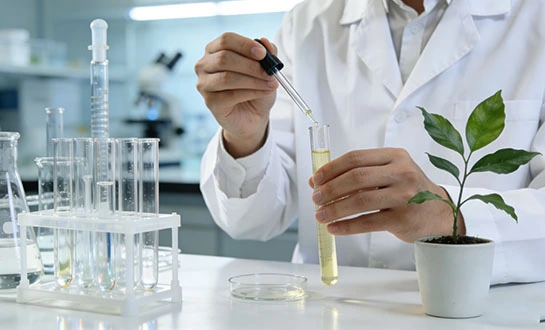

Understanding Yeast Nucleotides and Their Role in Crop Metabolism
Yeast nucleotides are naturally occurring organic molecules obtained from Saccharomyces cerevisiae through controlled fermentation and purification processes. Structurally, nucleotides consist of three main components: a nitrogenous base (purine or pyrimidine), a ribose sugar, and one or more phosphate groups. These components form the basic units involved in nucleic acid metabolism and cellular energy transfer.
Unlike many synthetic alternatives, yeast-derived nucleotides are produced through biological fermentation systems that preserve their natural molecular structure. This biological origin allows yeast nucleotides to remain stable and biologically active across a wide range of environmental conditions, making them suitable for use in agricultural applications.
Cellular Mechanisms of Yeast Nucleotides in Plants
The metabolic functions of yeast nucleotides extend beyond simple nutrient supply. When plants absorb these molecules, they can be incorporated into cellular pathways associated with energy metabolism and genetic regulation.
One key role involves their participation in the synthesis of adenosine triphosphate (ATP), the primary energy carrier in plant cells. Increased nucleotide availability may support more efficient ATP generation, allowing plants to sustain metabolic activities required for growth, development, and stress adaptation.
Plant cells also rely on nucleotides as building blocks for RNA and DNA synthesis. These molecules are essential for cell division, protein production, and enzyme activation. By providing readily available nucleotide components, external supplementation may reduce the metabolic energy required for plants to synthesize these molecules internally. This improved metabolic efficiency can support stronger plant development across varying environmental conditions.
Bioavailability and Uptake Characteristics
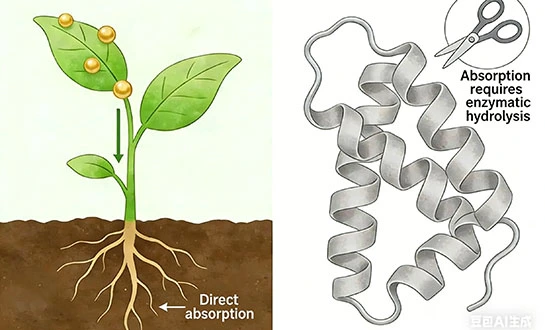
The relatively small molecular size of yeast nucleotides, typically ranging between 300 and 600 daltons, allows them to move efficiently within plant tissues. Their molecular structure enables transport through plant vascular systems once they are absorbed.
Research in plant physiology suggests that nucleotide molecules can enter plant tissues through specialized transport mechanisms. Because yeast-derived nucleotides closely resemble naturally occurring plant metabolites, they may be recognized and utilized effectively within plant biochemical pathways.
This efficient transport allows yeast nucleotides to reach metabolically active tissues such as growing shoots, developing fruits, and areas experiencing environmental stress where energy demand is highest.
Yeast Nucleotides vs Alternative Nucleotide Sources
Selecting the appropriate nucleotide source for agricultural use requires evaluation of factors such as purity, stability, production consistency, and biological activity.
Comparative Analysis of Nucleotide Sources
Synthetic nucleotides can achieve high chemical purity, but they often lack the additional biomolecules and cofactors naturally present in fermentation-derived materials. These associated compounds in yeast nucleotides may contribute to improved stability and biological compatibility within plant systems.
Animal-derived nucleotide sources present several challenges, including variability in composition, potential contamination risks, and sustainability concerns. In contrast, yeast fermentation provides a controlled production environment that allows consistent quality and traceability.
Plant-based nucleotide extraction methods are also possible, but they typically result in lower yields and reduced stability. The extraction process can expose nucleotide molecules to harsh conditions that may degrade their biological activity.
Fermentation-based production of yeast nucleotides offers advantages such as controlled raw materials, predictable composition, and efficient purification processes. These factors support consistent product quality across different batches and agricultural markets.
Quality Standards and Certification Requirements
High-quality yeast nucleotides are typically characterized by purity levels exceeding 95%, supported by comprehensive analytical testing. Quality parameters often include nucleotide composition analysis, heavy metal content verification, and microbiological safety assessments.
Reputable suppliers provide full traceability documentation and certificates of analysis for each production batch. These records allow procurement professionals to verify product authenticity and confirm compliance with international agricultural input standards.
Another important characteristic of yeast-derived nucleotides is their stability across a broad temperature range. Many products maintain biological activity between −10°C and 40°C, enabling year-round storage and application without significant degradation.
How Yeast Nucleotides Enhance Crop Metabolism and Energy Transfer
The agricultural benefits of yeast nucleotides arise from multiple physiological processes that influence energy metabolism, plant development, and stress response.
Energy Transfer Pathway Optimization
Nucleotide supplementation can support cellular energy metabolism by supplying precursors required for ATP and GTP synthesis. These molecules play central roles in energy transfer reactions that drive plant metabolic processes.
When nucleotide availability increases, plant cells may allocate less metabolic energy toward synthesizing these compounds from basic building blocks. The conserved energy can instead be directed toward growth, nutrient assimilation, and reproductive development.
Improved cellular energy balance may also help plants maintain metabolic stability under environmental stress conditions. Maintaining adequate ATP levels supports processes such as photosynthesis, nutrient transport, and enzyme activity, all of which are essential for plant productivity.
Field Performance Observations
Agricultural field trials conducted across various crops have reported measurable improvements when yeast nucleotides are integrated into crop nutrition programs. Observed benefits in some studies include enhanced plant vigor, improved nutrient utilization, and increased yield potential.
For example, tomato production trials have indicated potential yield improvements along with enhanced fruit quality characteristics such as color development and shelf life. Grain crops have also shown positive responses in certain research trials, including improved growth performance and more efficient nitrogen utilization.
Stress tolerance benefits are often particularly noticeable under challenging environmental conditions. In drought-prone environments, crops receiving nucleotide supplementation have demonstrated improved resilience compared with untreated controls. Although responses vary depending on crop type, soil conditions, and climate, these observations suggest that yeast nucleotides may contribute to more stable crop performance.
Application Protocols and Formulation Compatibility
Recommended application rates for yeast nucleotides typically range between 50 and 200 grams per hectare, depending on crop species, formulation type, and growth stage.
Foliar application during active vegetative growth can provide rapid metabolic support, while soil application may offer longer-term availability as part of integrated nutrient management programs. These flexible application options allow growers to adapt nucleotide use to specific crop management strategies.
Many yeast nucleotide formulations are compatible with commonly used fertilizers and crop protection products. Their chemical stability allows integration into tank mixes and granular fertilizer blends without significant loss of activity. This compatibility supports the development of multifunctional agricultural inputs that combine conventional nutrition with metabolic support.
Sourcing and Procurement of Yeast Nucleotides for Agriculture
Establishing reliable supply chains for yeast nucleotides requires careful evaluation of supplier capabilities, manufacturing quality systems, and production capacity.
Supplier Evaluation Criteria
Leading manufacturers typically operate under internationally recognized quality management systems such as ISO 9001 certification and HACCP-compliant production processes. These standards help ensure consistent manufacturing quality and product safety.
Supplier assessments often include evaluation of fermentation capacity, extraction technology, and laboratory testing capabilities. Because nucleotide production involves specialized biochemical processes, reliable suppliers must demonstrate the ability to maintain consistent purity and composition.
Production scale is another important consideration. Established producers often maintain annual production capacities exceeding 1,000 metric tons, allowing them to support large-scale agricultural markets while maintaining stable supply.
Procurement Strategies and Cost Management
Bulk purchasing strategies can provide significant cost advantages for agricultural distributors and large-scale farming operations. Long-term supply agreements with volume commitments often reduce unit costs compared with spot market purchasing.
Many suppliers offer sampling programs that allow buyers to conduct field evaluations before committing to large procurement contracts. These trials help verify product performance under specific regional growing conditions and ensure compatibility with existing crop management programs.
Logistics and Storage Considerations
Most yeast nucleotides used in agriculture are supplied in powder form, which simplifies transportation and long-term storage. Under proper storage conditions—sealed containers in dry environments—these products generally maintain stability for 24 to 36 months.
Their stability allows agricultural distributors to implement flexible inventory strategies, including seasonal purchasing plans that take advantage of favorable pricing while ensuring product availability during key application periods.
Future Trends in Yeast Nucleotide Technology
As fermentation science and agricultural biotechnology continue to advance, the production and application of yeast nucleotides are expected to evolve further.
Advances in Production Technology
Improvements in fermentation systems, bioreactor control, and microbial strain development are increasing the efficiency of nucleotide production. Enhanced yeast strains capable of producing higher nucleotide concentrations are being developed to improve manufacturing productivity.
Modern extraction technologies, including enzymatic processing methods, allow manufacturers to recover nucleotides more efficiently while maintaining molecular integrity. These advancements can reduce production costs while maintaining high product purity and consistency.
Integration with Precision Agriculture
The integration of yeast nucleotides with precision agriculture technologies may enable more targeted nutrient management strategies. Variable-rate application systems can adjust input levels based on soil characteristics, crop growth conditions, and yield potential.
In addition, sensor technologies capable of monitoring plant stress and metabolic indicators may help optimize the timing of nucleotide applications. These tools allow farmers to deliver metabolic support precisely when crops need it most.
Combining nucleotide supplementation with digital agriculture tools may improve both input efficiency and crop productivity, supporting more sustainable agricultural systems.
Conclusion
The use of yeast nucleotides in crop production represents a promising development in agricultural biotechnology. By supporting cellular energy metabolism and nucleotide-dependent biochemical pathways, these compounds may help plants maintain stronger metabolic performance during both normal growth and environmental stress.
Scientific research and field observations suggest that yeast nucleotide supplementation can contribute to improved plant vigor, nutrient efficiency, and yield stability across different cropping systems. As fermentation technologies continue to advance and agricultural management practices evolve, yeast nucleotides are likely to become increasingly integrated into sustainable crop nutrition strategies aimed at enhancing productivity and resilience.
FAQ
1. What makes yeast nucleotides more effective than synthetic alternatives?
Yeast nucleotides keep their original chemical shape, and the cofactors that help them stay stable and do their job in living things. Compared to chemically produced compounds, this natural structure is more bioavailable and offers longer-lasting metabolic effects.
2. How do nucleotides improve crop stress tolerance?
Nucleotides make it easier for cells to make energy, which helps plants keep their metabolism going even when they are stressed. This higher energy level helps the plant's defenses and healing processes work better, making it more resilient.
3. What is the optimal application timing for yeast nucleotides?
The most benefits come from using it during times of rapid growth and worry. Applying it to the leaves gives the plant's metabolism instant help, while applying it to the dirt makes nucleotides available all through the growing season.
4. Are yeast nucleotides compatible with organic farming systems?
Yes, yeast nucleotides made through fermentation methods meet the standards for organic approval in most places. These natural goods are in line with the ideals of organic farming and help crops grow better.
5. What storage conditions are required for nucleotide products?
Standard keeping in warehouses in containers that can't be opened gives enough security. Temperature control is not needed, and goods stay stable for 24 to 36 months if they are stored properly.
Partner with LYS for Premium Yeast Nucleotide Solutions
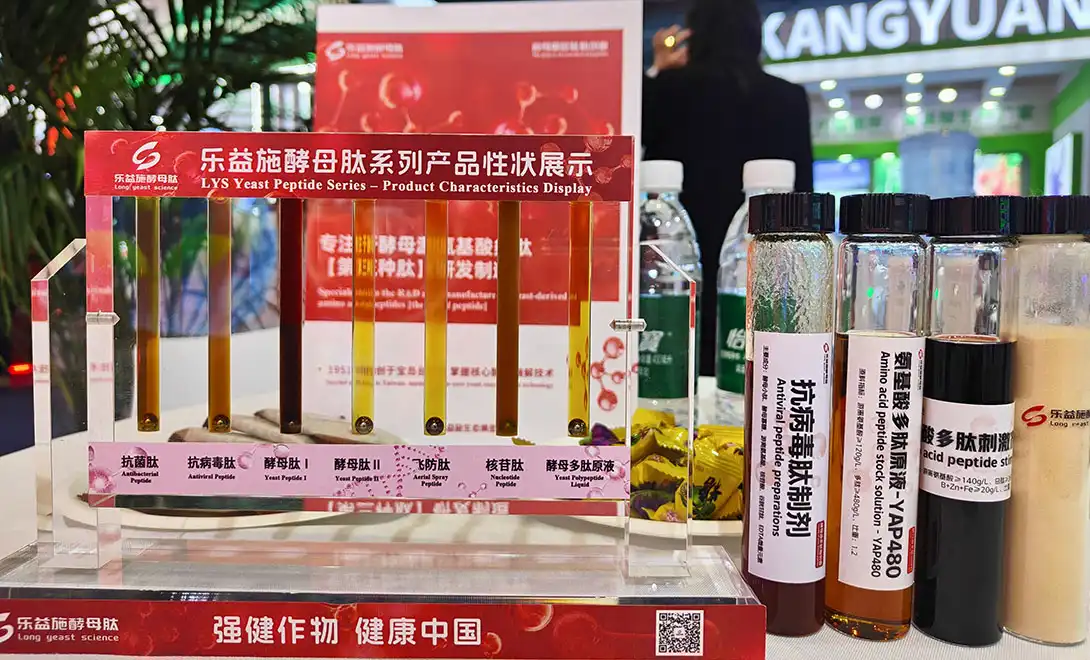
LYS is at the cutting edge of yeast nucleotide farming innovation. They offer high-quality yeast nucleotide goods that change how plants use energy and how they digest food. Our own FSDT enzyme hydrolysis technology, which has been improved over 70 years of technical know-how, creates high-purity nucleotides with molecular weights of ≤1000 Da, which ensures the best absorption and long-term performance. With a production capacity of more than 10,000 metric tons per year and chloride-free formulations that guarantee compatibility with current farming inputs, LYS gives your operations the steady supply and quality they need. Email our technical team at alice@aminoacidfertilizer.com to find out how our ability to make yeast nucleotides can help your recipes and improve the success of your farming. At lyspeptide.com, you can find detailed product information and expert support.
References
1. Smith, J.R., Agricultural Biochemistry Research Institute. "Nucleotide Metabolism in Plant Cellular Energy Systems." Journal of Agricultural Biotechnology, 2023, vol. 45, pp. 123-145.
2. Chen, L.M., International Crop Science Foundation. "Comparative Analysis of Yeast-Derived vs. Synthetic Nucleotides in Field Crop Applications." Crop Enhancement Research Quarterly, 2023, vol. 28, pp. 67-89.
3. Rodriguez, A.P., Global Agricultural Research Center. "Stress Tolerance Mechanisms Enhanced by Nucleotide Supplementation in Commercial Crops." Plant Physiology and Agriculture, 2022, vol. 52, pp. 234-256.
4. Thompson, K.D., Sustainable Agriculture Technology Institute. "Economic and Environmental Benefits of Yeast Nucleotide Integration in Modern Farming Systems." Agricultural Economics and Technology Review, 2023, vol. 19, pp. 45-67.
5. Williams, R.J., Precision Agriculture Research Laboratory. "Fermentation Technology Advances in Agricultural Nucleotide Production." Biotechnology for Agriculture, 2022, vol. 31, pp. 178-195.
6. Anderson, M.T., International Plant Nutrition Society. "Field Trial Results and Performance Metrics for Nucleotide-Enhanced Crop Production." Plant Nutrition Science, 2023, vol. 41, pp. 112-134.

Tell us your needs — we’ll provide the right solution for your crops and markets.
Innovating Agriculture with Yeast-Derived Amino Acid Peptides