Plant Elicitors: Natural Protection Against Stress
Plant elicitors represent an innovative approach to crop protection by activating plants’ innate immune systems. Often described as “natural vaccines,” plant elicitors enhance the ability of crops to withstand environmental stress and pathogen pressure without directly targeting pests or diseases. These compounds—derived from biological or synthetic sources such as pathogen-associated molecules, chitosan, and functional peptides—trigger defense pathways involving signaling molecules like salicylic acid and jasmonic acid.
Unlike conventional pesticides, plant elicitors strengthen plant resilience from within. This internal mode of action supports long-term agricultural sustainability, especially under increasing climate variability and rising concerns about pesticide resistance.
Understanding Plant Elicitors and Their Mechanisms
How Plant Elicitors Activate Plant Immunity
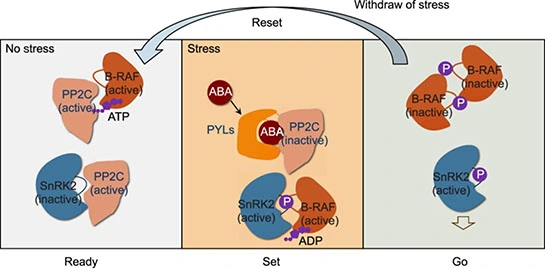
Plant elicitors function by mimicking signals associated with pathogen attack, which are recognized by Pattern Recognition Receptors (PRRs) on plant cell membranes. This recognition initiates a cascade of biochemical and molecular responses that prepare the plant for potential stress. As a result, plants enter a “primed” state in which their defense systems can respond more rapidly and effectively when exposed to real pathogens or environmental challenges, thereby improving resilience without constant energy expenditure.
The Science Behind Elicitor-Induced Responses
When applied to crops, plant elicitors stimulate the production of key defense-related enzymes such as chitinases and phenylalanine ammonia-lyase (PAL), both of which contribute to strengthening structural barriers and synthesizing antimicrobial compounds. Scientific studies have demonstrated that these responses can significantly enhance plant resistance to diseases while maintaining normal growth and yield potential. Molecular characteristics, particularly molecular weight, play an important role in efficacy, as lower molecular weight compounds—typically below 1000 Da—tend to exhibit better absorption, mobility, and bioavailability within plant tissues.
ISR and SAR: Two Key Defense Pathways
Plant elicitors primarily activate two systemic defense pathways known as Induced Systemic Resistance (ISR) and Systemic Acquired Resistance (SAR). ISR is mainly regulated by jasmonic acid signaling and is typically associated with resistance against necrotrophic pathogens and insect pests, while SAR is governed by salicylic acid pathways and is more effective against biotrophic pathogens. Together, these mechanisms enable plants to establish a broad-spectrum defensive capacity that remains energy-efficient by activating responses only when needed.
Types and Sources of Plant Elicitors
Natural and Synthetic Elicitors
Plant elicitors can be derived from both natural and synthetic sources, offering flexibility in agricultural applications. Natural, or biotic, elicitors originate from biological materials such as bacterial flagellin, fungal cell wall components like chitin and β-glucans, and plant-derived oligosaccharides. In contrast, synthetic or abiotic elicitors are chemically engineered compounds, including modified salicylic acid derivatives and designed peptide sequences, which are developed to achieve consistent performance and targeted activity under controlled conditions.
Comparative Functional Characteristics
Biotic elicitors often exhibit broader biological activity because their structurally complex molecules can simultaneously activate multiple signaling pathways within the plant, resulting in more comprehensive defense responses. On the other hand, abiotic elicitors typically offer advantages in terms of stability, shelf life, and uniformity, making them particularly suitable for large-scale agricultural operations where consistency and ease of handling are critical factors.
Plant Elicitors vs. Conventional Crop Protection Inputs
Differences from Traditional Pesticides
Unlike traditional pesticides, which directly target and eliminate pathogens or pests, plant elicitors enhance the plant’s own defense mechanisms, making them less prone to inducing resistance in target organisms. This indirect mode of action is increasingly valued in modern agriculture, where resistance to chemical pesticides has become a significant concern. Additionally, plant elicitors generally have favorable safety profiles and are often exempt from Maximum Residue Limits (MRLs), which makes them especially suitable for export-oriented production systems with strict regulatory requirements.
Compatibility with Fertilizers and Biostimulants
Plant elicitors are designed to complement rather than replace conventional agricultural inputs, and they are commonly integrated into broader crop management programs. When used alongside balanced fertilization strategies, they can improve nutrient uptake efficiency, enhance stress tolerance, and support overall plant growth. In practical applications, plant elicitors are often compatible with fertilizers and biostimulants in tank mixes, although it remains important to monitor pH conditions, as highly alkaline environments may reduce the stability of protein-based formulations. High-quality products are typically formulated to maintain stability across a wide temperature range, ensuring reliable performance in diverse climatic conditions.
Application Strategies and Field Performance
Optimal Timing and Application Methods
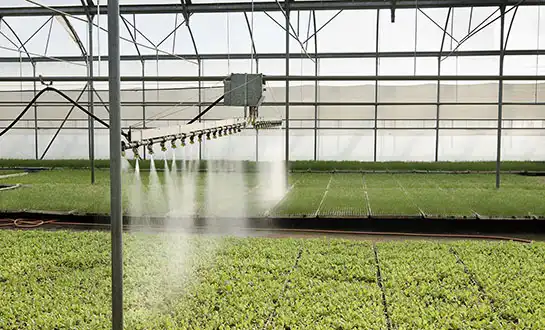
The effectiveness of plant elicitors is highly dependent on proper timing, with the optimal application window generally occurring one to three days before anticipated stress events. This timing allows plants to activate defense mechanisms in advance, maximizing the protective effect. Foliar spraying is the most common method of application, typically at concentrations ranging from 0.1% to 0.5% depending on the formulation, while seed treatment offers an alternative approach for protecting crops during early developmental stages. Ensuring uniform coverage during application is essential, as it directly influences the consistency and overall efficacy of the treatment.
Documented Field Results
Field trials conducted across a range of crops have demonstrated that plant elicitors can deliver measurable agronomic benefits under real-world conditions. These include reduced disease incidence in fruit crops, improved fiber quality and pest resistance in cotton, and enhanced disease tolerance and post-harvest performance in vegetable crops such as peppers. Economic evaluations indicate that the use of plant elicitors can provide favorable returns on investment, particularly in high-value cropping systems where yield stability and quality are critical.
Environmental Factors Influencing Performance
Environmental conditions play a significant role in determining the effectiveness of plant elicitors, as factors such as temperature, humidity, and light exposure influence both compound stability and plant physiological responses. Optimal performance is generally observed at temperatures between 18°C and 25°C and relative humidity levels above 60%, while morning applications are often preferred due to longer leaf wetness periods that facilitate absorption. Soil pH can also indirectly affect efficacy by influencing plant metabolism and nutrient uptake, with neutral to slightly acidic conditions typically supporting better responsiveness to elicitor treatments.
Procurement and Future Trends in Plant Elicitors
Supplier Selection and Quality Assurance
Selecting reliable suppliers is a critical component of successful plant elicitor adoption, as product quality directly affects field performance. Evaluation criteria should include analytical verification of active ingredients using techniques such as HPLC or NMR, as well as evidence of consistent molecular composition and bioactivity. Reputable suppliers implement strict quality control measures to ensure minimal variation between production batches, thereby providing predictable and reproducible results under field conditions.
Pricing and Partnership Considerations
The pricing of plant elicitors varies depending on factors such as raw material sources, formulation complexity, and active ingredient concentration. Natural extracts often involve higher production costs due to extraction and purification processes, while synthetic alternatives may offer cost advantages for large-scale applications. Establishing long-term partnerships with suppliers can provide additional benefits, including technical support, customized product development, and more favorable commercial terms, all of which contribute to improved implementation and overall value.
Innovation and Market Development
Ongoing advancements in plant elicitor technology are driving the development of more precise and efficient products, including engineered peptides that target specific plant receptors and nanotechnology-based delivery systems that enable controlled release and prolonged activity. At the same time, integration with precision agriculture tools—such as sensor-based monitoring systems and drone-assisted application—allows for more targeted and efficient use of elicitors. As global demand for sustainable agricultural solutions continues to grow, plant elicitors are increasingly recognized as key components of environmentally responsible crop production systems.
Conclusion
Plant elicitors offer a scientifically validated and sustainable approach to enhancing crop resilience by activating natural defense mechanisms. Their ability to improve stress tolerance, reduce reliance on conventional pesticides, and integrate seamlessly with existing agricultural practices makes them an important tool for modern farming systems. As the agricultural sector continues to address challenges related to climate change and pathogen resistance, plant elicitors are expected to play a growing role in supporting productive, resilient, and sustainable crop production.
FAQ
Q1: What distinguishes plant elicitors from conventional pesticides?
Instead of killing pests or pathogens directly, plant elicitors turn on the plant's own defense system. This back-and-forth process stops resistance from building up and protects against a wider range of stress types. In contrast to pesticides, elicitors usually don't have residue limits and don't need re-entry times.
Q2: How long does elicitor-induced protection last?
Under normal circumstances, the priming effect lasts for 7–14 days. But the length of time depends on the climate, the type of crop, and how stressed it is. Regular treatments at regular intervals during times of high stress keep the defense prepared at its best during key growth stages.
Q3: Can elicitors cause yield reductions through over-stimulation?
When plants use too many elicitors, they may make the "growth-defense trade-off," which means they put too much energy into defense at the cost of growth and yield. Following the manufacturer's instructions and testing the jars before putting them in the tank will stop these problems and improve performance.
Q4: Are plant elicitors compatible with organic certification?
Most elicitors that come from nature can get organic certification through OMRI and other related programs. However, it is still important to check with certifying bodies because approval status can change depending on the active ingredients and formulation of the product.
Partner with LYS for Advanced Plant Elicitor Solutions
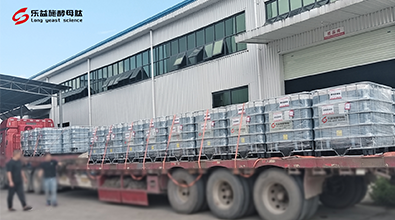
LYS stands at the forefront of plant elicitor innovation, offering premium yeast-derived peptide solutions that deliver exceptional crop protection through advanced biotechnology. Our proprietary FSDT enzymatic hydrolysis technology, backed by over 70 years of technical expertise, produces small-molecule peptides with molecular weights ≤1000 Da, ensuring rapid absorption and sustained bioactivity under stress conditions. As a leading plant elicitor supplier, we maintain an annual production capacity of 10,000 MT while delivering consistent quality through chloride-free formulations that remain stable across temperature variations. Our comprehensive approach addresses critical industry needs, including pesticide resistance management, chemical residue reduction, and abiotic stress mitigation. Connect with alice@aminoacidfertilizer.com to explore how our advanced elicitor technologies can enhance your crop protection portfolio and drive sustainable agricultural success.
References
1. Jones, M.K., Agricultural Biotechnology and Plant Defense Mechanisms, Journal of Sustainable Agriculture, 2023, 45(3), 234-251.
2. Rodriguez, A.P., Chen, L., Natural Elicitors in Integrated Pest Management Systems, Crop Protection Science Quarterly, 2023, 12(4), 78-95.
3. Thompson, S.R., Williams, D.J., Molecular Mechanisms of Plant Immune System Activation, Plant Physiology and Biochemistry Review, 2022, 89(2), 156-172.
4. Kumar, R., Singh, P., Commercial Applications of Plant Elicitors in Modern Agriculture, International Journal of Agricultural Innovation, 2023, 31(7), 445-462.
5. Martinez, C.E., Economic Analysis of Biological Crop Protection Technologies, Agricultural Economics and Policy, 2023, 28(5), 112-129.
6. Wang, H., Brown, K.L., Future Trends in Sustainable Crop Protection, Environmental Agriculture Today, 2023, 15(9), 203-218.

Tell us your needs — we’ll provide the right solution for your crops and markets.
Innovating Agriculture with Yeast-Derived Amino Acid Peptides