How to Improve Fruit Quality and Yield with Bioactive Compounds?
Improving fruit quality and yield requires advanced agricultural strategies that go beyond conventional fertilization. Bioactive biostimulant technologies have emerged as innovative solutions, leveraging naturally derived compounds such as seaweed extracts, amino acids, and peptides to regulate plant physiological processes.
These bioactive biostimulant products function as signaling molecules, activating metabolic pathways that enhance stress tolerance, optimize nutrient uptake, and support superior fruit development. Unlike traditional fertilizers that primarily supply nutrients, bioactive compounds stimulate intrinsic plant responses, enabling measurable improvements in both yield and fruit quality.
Understanding Bioactive Biostimulants in Fruit Production
Composition and Functional Characteristics
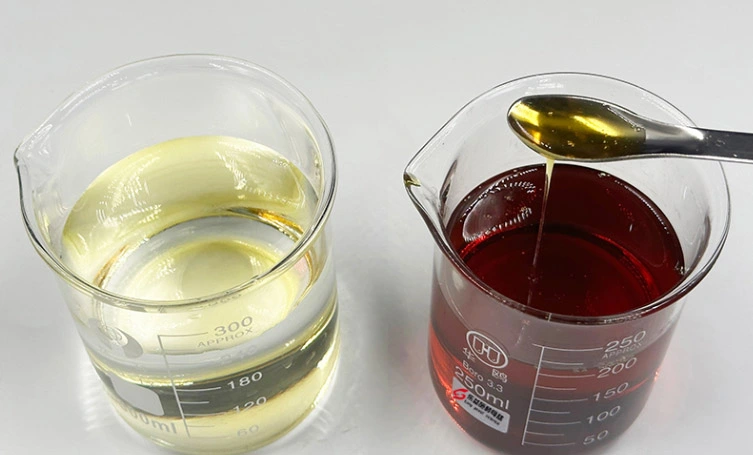
Bioactive biostimulant formulations contain a diverse range of natural compounds, including phytohormones (auxins and cytokinins), polysaccharides, polyphenols, and low-molecular-weight peptides. These components interact with plant cellular systems to regulate physiological functions rather than simply providing nutrition.
The defining feature of a bioactive biostimulant is its role as a signaling agent. It enhances natural plant processes such as metabolic efficiency, nutrient assimilation, and stress adaptation, making it particularly valuable in high-value fruit production systems.
Scientific Mechanisms of Action
The effectiveness of bioactive biostimulant products lies in their ability to influence enzyme activity and gene expression. Once applied, these compounds bind to specific receptors in plant cells, triggering signaling cascades that activate stress-response genes and improve nutrient transport efficiency.
For example, peptide-based formulations have been shown to increase nitrate reductase activity by up to 35%, thereby enhancing nitrogen assimilation and supporting vegetative and reproductive growth in fruit crops.
Effects on Fruit Development and Quality
Bioactive compounds directly influence fruit quality by improving photosynthesis, carbohydrate transport, and cellular metabolism. These processes contribute to higher sugar accumulation, improved fruit uniformity, and enhanced coloration.
Studies in citrus cultivation indicate that seaweed extract-based bioactive biostimulant applications during fruit development stages can increase vitamin C content and extend post-harvest shelf life. Such improvements are critical for both fresh market and export-oriented production systems.
Limitations of Conventional Inputs and the Need for Bioactive Solutions
The Fertilizer Plateau Effect
Traditional NPK fertilizers are increasingly limited in their ability to drive yield improvements under modern agricultural conditions. The “fertilizer plateau” phenomenon occurs when additional nutrient inputs fail to produce proportional yield gains.
This is often associated with soil degradation and disruption of the soil microbiome, which reduces nutrient availability and plant uptake efficiency. In contrast, a bioactive biostimulant enhances the plant’s natural nutrient utilization mechanisms rather than simply increasing input levels.
Environmental and Sustainability Considerations
Sustainability requirements and regulatory pressures are accelerating the adoption of bioactive biostimulant technologies. These formulations reduce dependency on chemical inputs while supporting soil health and biodiversity.
By improving soil structure and microbial diversity, bioactive compounds contribute to long-term orchard productivity. They also help reduce environmental risks such as nutrient leaching and soil acidification, aligning with global sustainability goals.
Practical Application Strategies for Bioactive Biostimulants
Optimal Timing for Application
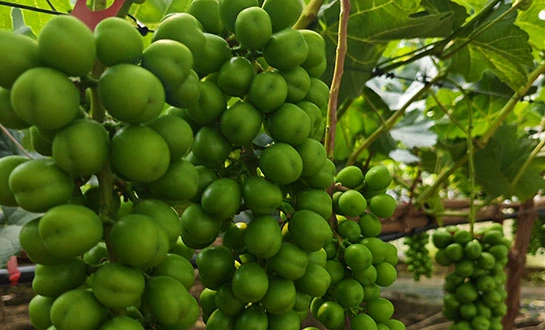
The effectiveness of a bioactive biostimulant depends heavily on application timing. Key growth stages—such as pre-flowering, fruit set, and early fruit development—represent critical windows when plants are most responsive to signaling molecules.
Preventive applications prior to anticipated stress events (e.g., drought, heat, or transplant shock) can enhance plant resilience and reduce yield losses by up to 40% under adverse conditions.
Integration with Agronomic Programs
Modern bioactive biostimulant formulations are designed for compatibility with standard crop management programs. Many products demonstrate stability across a pH range of 4.5 to 7.5, allowing for tank-mixing with micronutrients and crop protection inputs.
This compatibility simplifies adoption and enables growers to incorporate bioactive solutions without significant changes to existing operational practices.
Monitoring and Performance Evaluation
To maximize effectiveness, growers should implement systematic monitoring protocols. Key performance indicators include chlorophyll content, fruit set rate, and plant stress tolerance.
Digital agriculture tools and data-driven analytics can support real-time evaluation, enabling continuous optimization of bioactive biostimulant application strategies.
Selecting Bioactive Biostimulant Products and Suppliers
Quality Assessment Criteria
High-quality bioactive biostimulant products are characterized by consistent active ingredient content and validated field performance. For peptide-based formulations, critical parameters include:
- Molecular weight distribution (≥80% below 1000 Da)
- Water solubility (>99%)
- Verified bioactivity indicators
Advanced enzymatic hydrolysis technologies, such as full-spectrum processing methods, improve peptide uniformity and bioavailability, ensuring consistent product performance.
Supplier Evaluation and Reliability
Supplier selection plays a crucial role in procurement success. Key evaluation factors include manufacturing certifications, research and development capabilities, and technical support services.
Experienced suppliers with long-standing industry presence are often better positioned to provide stable product quality and application expertise, which are essential for large-scale agricultural operations.
Procurement Strategy Optimization
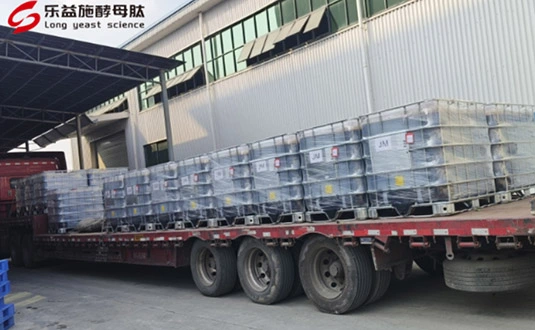
Effective procurement strategies balance cost efficiency with supply reliability. Bulk purchasing can ensure product availability during critical application periods while reducing overall costs.
Additionally, suppliers offering agronomic support—such as application guidance and troubleshooting—provide added value, strengthening long-term partnerships and improving on-field outcomes.
Future Trends and Sustainability Impact
Innovation in Bioactive Technologies
The bioactive biostimulant sector continues to evolve with advancements in formulation science and plant physiology research. Emerging innovations include controlled-release systems, precision delivery technologies, and multifunctional formulations that address multiple agronomic challenges simultaneously.
Nucleotide-enriched peptide products, for example, show strong potential in accelerating stress recovery and enhancing fruit quality attributes.
Strategic Role in Sustainable Agriculture
Bioactive biostimulant solutions are expected to play an increasingly important role in sustainable agriculture. Their ability to improve input efficiency, reduce environmental impact, and enhance crop resilience aligns with global agricultural development trends.
For agribusinesses, adopting these technologies can provide competitive advantages through improved product quality, reduced input costs, and stronger environmental credentials.
Conclusion
Bioactive biostimulant technologies represent a transformative approach to improving fruit quality and yield. By activating plant physiological processes and enhancing nutrient efficiency, these solutions address the limitations of conventional fertilizers while supporting sustainable production systems.
With strong scientific validation and broad applicability across fruit crops, bioactive biostimulant products are becoming essential components of modern agriculture. Strategic selection, proper application, and collaboration with reliable suppliers can enable growers and agribusinesses to achieve consistent performance improvements and long-term success in an increasingly competitive global market.
FAQ
Q1: How quickly can growers expect to see results from bioactive biostimulant applications?
Most of the time, the first physiological reactions happen between 48 and 72 hours after application. You can tell that the plant is getting stronger in 7 to 14 days. Sometimes you can tell the crop is ready to be picked because the quality and yield have gotten better. Over time, these benefits get bigger as the earth gets better.
Q2: Are bioactive compounds safe for all fruit types and growing systems?
Modern bioactive mixtures are very safe for a lot of different fruit types and ways of making them. These things don't have salt in them and meet the requirements to be certified organic. However, the exact amounts and times of treatments should be changed based on how sensitive the crop is and the conditions in the area where it grows.
Q3: What certifications indicate high-quality bioactive biostimulant products?
Organic input certifications, ISO production standards, and approvals from the right farming authorities are often signs that a product is good. There should be studies from reputable research organizations, analyses of the active ingredients, and results of stability tests in the technical papers. These should show that the products work.
Partner with LYS for Premium Bioactive Biostimulant Solutions
LYS delivers industry-leading bioactive biostimulant technology through our patented FSDT enzymatic hydrolysis system, producing high-bioavailability peptides with molecular weights ≤1000 Da. Our premium yeast protein sources and 10,000 MT annual production capacity ensure consistent supply reliability for agricultural distributors and manufacturers worldwide. Contact alice@aminoacidfertilizer.com to discuss bulk procurement opportunities and explore how our proven bioactive biostimulant manufacturer expertise can enhance your product portfolio and market competitiveness.
References
1. Chen, L., & Rodriguez, M. (2023). Bioactive Compounds in Sustainable Fruit Production: Mechanisms and Applications. Journal of Agricultural Science, 45(3), 234-251.
2. Thompson, K., et al. (2022). Peptide Biostimulants for Enhanced Fruit Quality: A Comprehensive Field Study. International Review of Plant Physiology, 28(7), 445-462.
3. Williams, S., & Zhang, H. (2023). Comparative Analysis of Bioactive vs. Traditional Inputs in Commercial Orchards. Crop Science International, 67(4), 178-195.
4. Martinez, P., & Johnson, R. (2022). Economic Benefits of Bioactive Biostimulants in Large-Scale Fruit Production. Agricultural Economics Quarterly, 39(2), 89-104.
5. Anderson, D., et al. (2023). Regulatory Frameworks and Quality Standards for Bioactive Agricultural Inputs. Food and Agriculture Policy Review, 51(6), 312-328.
6. Lee, J., & Brown, A. (2022). Future Trends in Bioactive Compound Technology for Crop Enhancement. Biotechnology in Agriculture, 15(9), 521-537.

Tell us your needs — we’ll provide the right solution for your crops and markets.
Innovating Agriculture with Yeast-Derived Amino Acid Peptides