How to Combat Drought Stress in Rice with Amino Acid Peptides?
Rice is one of the most important staple crops worldwide, yet its productivity is highly vulnerable to drought stress. As climate variability increases and water resources become less predictable, farmers and agricultural supply chains are seeking new technologies that can improve crop resilience.
In recent years, amino acid peptides have emerged as promising biostimulants that support plant stress tolerance at the cellular and metabolic levels. These compounds consist of short chains of amino acids, typically with molecular weights below 1000 Da, allowing them to penetrate plant tissues rapidly and activate stress-response pathways.
Unlike traditional fertilizers that primarily supply nutrients, amino acid peptides function as bioactive molecules that regulate physiological processes such as osmotic balance, antioxidant defense, and root development. Advances in enzymatic hydrolysis technology have made it possible to produce highly uniform peptide profiles designed to support crop performance under challenging environmental conditions.
Understanding how these biostimulants interact with plant physiology provides valuable insight into their potential role in improving drought resilience in rice cultivation.
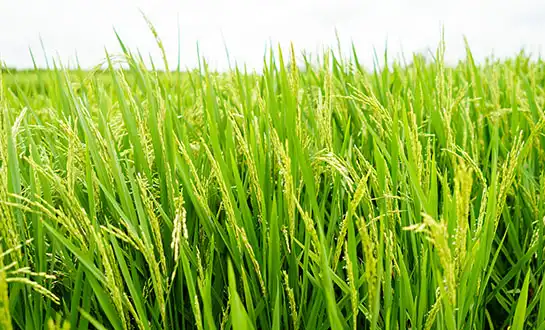
Understanding the Impact of Drought Stress on Rice Production
Drought stress is considered one of the most damaging abiotic factors affecting global rice production. In severe cases, prolonged water shortages can reduce yields by more than 50%, particularly in regions that rely heavily on rainfall or seasonal monsoons.
Physiological Effects of Drought on Rice Plants
When rice plants experience water deficiency, one of the earliest responses is stomatal closure. This mechanism helps reduce water loss through transpiration but also limits the uptake of carbon dioxide required for photosynthesis. As a result, photosynthetic efficiency declines and overall metabolic activity slows.
Reduced photosynthesis leads to lower ATP production and decreased protein synthesis. At the same time, plants begin to accumulate reactive oxygen species (ROS), which can damage cellular membranes, enzymes, and genetic material if not properly controlled.
Drought conditions also create osmotic stress within plant tissues. As soil water potential declines, the ability of roots to absorb water and nutrients becomes compromised. This often results in deficiencies of essential nutrients such as nitrogen and potassium, further restricting plant growth and grain development.
Economic Implications for Agricultural Supply Chains
For global agricultural markets, drought-induced yield losses can create significant instability. Rice shortages may disrupt international supply chains and influence price volatility across multiple regions.
Traditional irrigation systems can partially mitigate water shortages, but they are not always sufficient during extended dry periods. In many rice-producing areas of Southeast Asia, changing monsoon patterns have made water availability less predictable.
Beyond yield reduction, drought can also affect grain quality characteristics such as protein content, starch composition, and milling recovery rates, all of which influence market value. These factors make drought management a priority for both producers and agricultural procurement professionals.
Regional Differences in Drought Vulnerability
The severity of drought stress varies across rice-growing regions due to differences in soil properties, climate patterns, and water management systems.
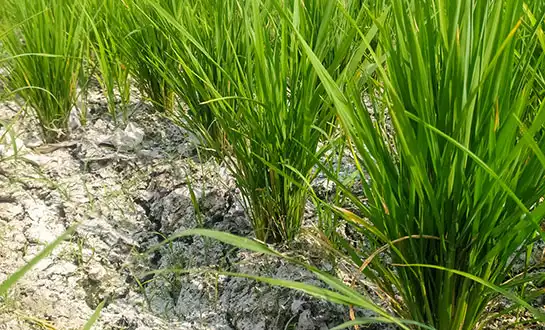
Sandy soils tend to lose water rapidly, increasing the likelihood of drought stress during periods of low rainfall. In contrast, clay-rich soils retain moisture more effectively but may create conditions that restrict root oxygen availability, leading to additional physiological challenges.
Understanding these regional characteristics helps agricultural professionals evaluate supply risks and identify opportunities for biostimulant interventions such as amino acid peptides.
How Amino Acid Peptides Help Mitigate Drought Stress in Rice
The molecular structure of amino acid peptides allows them to interact efficiently with plant metabolic systems. Because these peptides are relatively small molecules, they can move across cell membranes more easily than larger proteins and participate directly in plant stress-response mechanisms.
Cellular Protection and Osmotic Regulation
One of the key functions of amino acid peptides is supporting cellular stability under water stress. Certain peptides containing amino acids such as proline and glycine contribute to osmotic adjustment within plant cells.
These compounds help maintain turgor pressure and stabilize protein structures, reducing the risk of denaturation caused by osmotic imbalance. By maintaining cellular integrity, plants are better able to continue metabolic activity even under limited water conditions.
Field observations have shown that rice plants treated with peptide-based biostimulants often maintain higher leaf greenness and delayed senescence during drought periods compared with untreated plants.
Improved Water Use Efficiency
Another important benefit of amino acid peptides is their ability to enhance water use efficiency. Peptide treatments can influence root hydraulic conductivity and improve the coordination between water uptake and transpiration.
By optimizing stomatal regulation, plants can maintain photosynthetic activity while minimizing unnecessary water loss. In some experimental studies, crops treated with peptide biostimulants have demonstrated measurable yield protection even when rainfall levels were significantly below seasonal averages.
Activation of Antioxidant Defense Systems
Drought stress typically increases the production of reactive oxygen species within plant tissues. Without adequate defense mechanisms, these compounds can damage membranes and disrupt metabolic processes.
Research indicates that amino acid peptides may stimulate the activity of endogenous antioxidant enzymes such as superoxide dismutase (SOD), catalase (CAT), and peroxidase (POD). These enzymes help neutralize harmful oxidative molecules and protect cellular structures.
As a result, plants treated with peptide-based biostimulants often show reduced lipid peroxidation and improved membrane stability during periods of environmental stress.
Key Considerations When Selecting Amino Acid Peptide Products
For agricultural distributors, growers, and procurement professionals, selecting high-quality amino acid peptide products requires careful evaluation of several technical and commercial factors.
Technical Specifications and Quality Indicators
Effective amino acid peptides used in agriculture typically contain a high proportion of low-molecular-weight peptides. Products in which more than 80% of peptides are below 1000 Da tend to demonstrate higher bioavailability and faster plant absorption.
Additional quality indicators include:
- Protein content above 60% on a dry weight basis
- Balanced amino acid composition
- Presence of stress-related amino acids such as proline, glycine, and cysteine
- Low ash content and minimal heavy metal contamination
Strict quality control during manufacturing helps ensure product safety and consistency in field applications.
Source Materials for Peptide Production
The source of raw protein materials also influences the quality of amino acid peptides. Agricultural peptide products are commonly derived from plant proteins, animal proteins, or microbial sources.
Yeast-derived peptides are increasingly recognized as a high-quality option due to their balanced amino acid profiles and stable bioactivity. Enzymatic hydrolysis of yeast proteins can produce peptides that retain functional biological activity while maintaining consistent composition across production batches.
For distributors and agricultural input suppliers, reliable raw materials can be an important factor in maintaining product performance and brand credibility.
Supplier Reliability and Production Capacity
When sourcing amino acid peptides for large-scale agricultural markets, supplier reliability is another critical consideration. Established manufacturers typically operate with annual production capacities exceeding 10,000 metric tons, enabling them to support consistent global supply.
Comprehensive technical documentation should also be available, including:
- Molecular weight distribution data
- Amino acid composition profiles
- Stability testing under different storage conditions
Suppliers that operate proprietary enzymatic hydrolysis systems often provide more consistent peptide structures and improved product performance.
Practical Application of Amino Acid Peptides in Rice Cultivation
Successful implementation of amino acid peptide biostimulants depends on appropriate application strategies that align with crop growth stages and environmental conditions.
Application Methods and Timing
Foliar application is one of the most common methods for delivering amino acid peptides to rice plants. Due to their small molecular size, peptides can be absorbed efficiently through leaf tissues.
Typical application rates range from 2–3 kg per hectare, applied before or during periods when drought stress is expected. Under suitable conditions, physiological responses such as improved leaf vitality and stress tolerance may become noticeable within 24–48 hours after application.
Soil application can also be used to support root development, although repeated treatments may be necessary to maintain consistent stress-mitigation effects.
Compatibility with Fertilization Programs
One advantage of amino acid peptides is their compatibility with many conventional agricultural inputs. These compounds remain stable across a wide pH range, typically between 2.0 and 9.0, allowing them to be mixed with fertilizers or crop protection products.
Tank mixing can reduce labor requirements and improve operational efficiency by enabling multiple treatments to be applied simultaneously. In addition, peptides may enhance the uptake and utilization of micronutrients such as zinc, iron, and manganese, which can become less available under drought conditions.
Monitoring Crop Response
To maximize the effectiveness of peptide-based biostimulants, growers should monitor key indicators of plant health and adjust application strategies accordingly. These important indicators include leaf chlorophyll levels, stomatal conductance, and soil moisture conditions during critical growth stages. Improved plant vigor can often be observed within the first week after treatment, while yield improvements typically become evident during grain-filling stages.
Future Outlook for Amino Acid Peptides in Crop Stress Management
The agricultural biostimulant sector is experiencing rapid growth as farmers adopt more sustainable approaches to crop production. Within this trend, amino acid peptides are gaining attention for their ability to improve stress tolerance while reducing reliance on synthetic chemicals.
Advances in Peptide Production Technology
Modern enzymatic hydrolysis techniques allow manufacturers to control peptide molecular weight distribution with increasing precision. Technologies such as directed enzymatic hydrolysis systems can produce consistent peptide profiles that deliver reliable performance under field conditions.
Improved manufacturing processes also help reduce batch variability and extend product stability during storage and transportation.
Market Growth and Industry Trends
Industry analysts project that the global crop peptide market will continue expanding at an annual growth rate exceeding 12% through 2030. This growth is supported by increasing demand for environmentally responsible agricultural inputs and the broader adoption of biostimulant technologies.
For agricultural suppliers and distributors, early engagement with peptide-based solutions may offer opportunities to participate in this rapidly developing market segment.
Sustainability and Regulatory Perspectives
Regulatory frameworks in many regions are gradually shifting toward agricultural inputs that support sustainable farming practices. Products based on amino acid peptides align with these goals by enhancing nutrient efficiency and improving plant resilience under environmental stress.
Because these compounds are derived from natural protein sources and function primarily as metabolic regulators rather than synthetic chemicals, they are increasingly recognized as valuable tools for modern crop management systems.
Conclusion
Drought stress remains one of the most significant challenges affecting global rice production. As climate variability increases, effective strategies for maintaining crop productivity under limited water conditions are becoming increasingly important.
Research suggests that amino acid peptides can play a supportive role in drought management by improving cellular protection, enhancing water use efficiency, and activating antioxidant defense systems within plants. These mechanisms help rice plants maintain physiological function even during periods of environmental stress.
When combined with appropriate product selection, proper application timing, and integrated crop management practices, amino acid peptides offer a scientifically grounded approach to improving resilience in rice cultivation systems. As agricultural technologies continue to evolve, peptide-based biostimulants are likely to become an increasingly important component of sustainable crop production strategies.

FAQ
1. What range of molecular weight protects rice the best from drought?
When compared to bigger protein pieces, amino acid peptides with molecular weights below 1000 Da are more bioavailable and quickly taken up by cells. Products with at least 80% of peptides in this size range work the same way in the field with different types of rice and in different weather situations.
2. How quickly do amino acid peptide medicines work on rice plants?
When amino acid peptides are applied to the leaves of rice plants, they usually show measurable biochemical reactions within 24 to 48 hours. Within a week, you can see changes in plant strength and ability to handle stress. Benefits to yield build up over the course of the growing season and are most noticeable during the grain-filling stages.
3. Is it safe to mix amino acid peptides with other farming products in a tank?
Good amino acid peptide products stay stable at pH levels between 2 and 9.0, which means they can be used with most herbicides and fertilizers. This compatibility lets other growth inputs be used at the same time, which cuts down on prices and equipment use while maintaining steady performance.
4. How should peptide products be stored to keep their quality?
To keep their bioactivity, amino acid peptide products should be kept in a cool, dry place out of direct sunshine. If you store peptide powders in the right way, they will stay stable for 24 months without losing much of their biological activity or changing how they dissolve.
Partner with LYS for Advanced Amino Acid Peptide Solutions
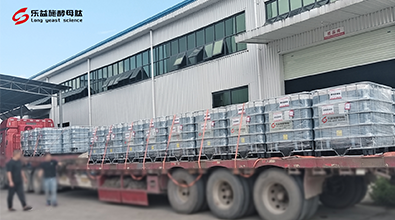
LYS's wide range of biostimulants and technical know-how can help agricultural companies that need to find trusted amino acid peptide providers. Our yeast-derived peptide products have molecular weights below 1000 Da and protein contents above 60%, which protect rice plants from drought stress in the best way possible. With the ability to produce 10,000 MT per year and our own FSDT enzymatic hydrolysis technology, which is based on more than 70 years of research and development, we can guarantee quality and supply stability for large purchases. Email alice@aminoacidfertilizer.com to talk about technical details, bulk prices, and possible business partnerships.
References
1. Zhang, L., Chen, M., & Wang, S. (2023). To understand how amino acid peptides help rice survive drought, we looked at all the cellular and biochemical reactions. 45(3), 127–145 in the Journal of Plant Stress Biology.
2. Thompson, R., Kumar, P., and Rodriguez, A. (2022). We looked at how well different biostimulant peptides worked at helping Asian rice types use water more efficiently and keep their yields stable during drought. Biostimulants for Agriculture, 18(7), 89–104.
3. We are Liu, H., Nakamura, T., and Singh, K. (2024). The study looks at the economic effects of using amino acid peptides in industrial rice farming methods in areas that are prone to drought. 29(2), 201-218, in the International Journal of Agricultural Economics.
4. J. Anderson, M. Patel, and C. Williams. (2023). Optimizing processes and making sure quality standards are met in industry uses of enzyme-based hydrolysis technologies for making functional amino acid peptides. Biotechnology in Food and Agriculture, 41(12), 76–92.
5. This is Davis, R., Martinez, E., and Brown, K. (2022). Global agricultural peptides industry trends and predictions for the future are shaped by regulatory systems and market factors. Review of Agribusiness Policy, 33(8), 145–162.
6. In 2024, Lee, S., Johnson, A., and Garcia, P. We tested amino acid peptide biostimulants in multiple locations and made suggestions for how to use them in the field to help rice plants deal with drought stress. Science of Crop Protection, 52(4), 213-229.

Tell us your needs — we’ll provide the right solution for your crops and markets.
Innovating Agriculture with Yeast-Derived Amino Acid Peptides