When evaluating peptide versus amino acid fertilizer performance, both nutrient technologies offer distinct functional advantages in modern crop nutrition systems. Peptide-based fertilizers provide biologically active small-molecule chains capable of triggering plant signaling pathways, while amino acid fertilizers supply essential building blocks directly involved in protein synthesis and metabolic regulation.
Scientific research indicates that peptide fertilizers often demonstrate higher bioavailability and stronger stress-response activation, particularly under adverse growing conditions. However, the optimal fertilizer choice ultimately depends on crop species, growth stage, soil properties, and agronomic objectives. This article provides a structured, evidence-based comparison to support informed decision-making.
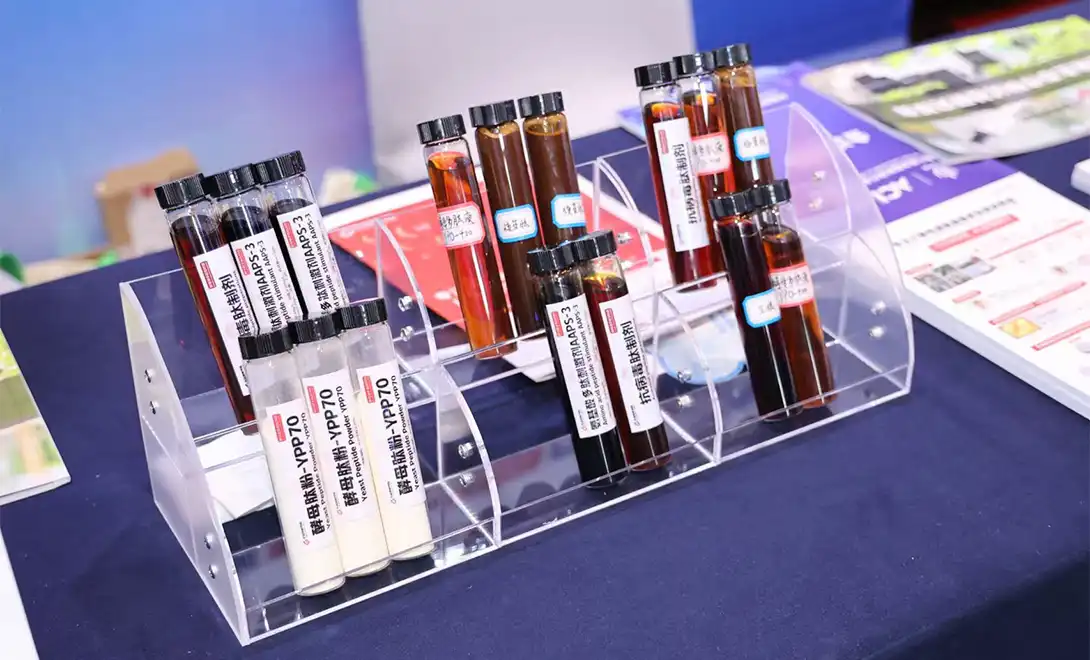
Understanding the Core Differences Between Peptide and Amino Acid Fertilizers
Molecular Structure and Functional Mechanisms
The fundamental distinction between peptide fertilizers and amino acid fertilizers lies in molecular composition and biological function. Amino acid fertilizers contain free amino acids—single-unit molecules directly absorbed and utilized by plants for protein synthesis and enzymatic activity.
Peptide fertilizers, by contrast, consist of short chains of amino acids linked by peptide bonds. These molecular structures interact with specific plant receptors, enabling functions beyond basic nutrition, including signal transduction and stress-response regulation.
Key Biological Differences
Three primary differences characterize peptide and amino acid fertilizers:
- Molecular complexity: Peptides contain 2–20 amino acid units, whereas amino acid fertilizers deliver individual amino acids
- Absorption pathways: Peptides utilize specialized transport systems; amino acids rely on standard uptake mechanisms
- Physiological impact: Peptides activate signaling cascades, while amino acids primarily support metabolic processes
Comparative studies support these distinctions. Wang et al. (2011) reported a 23% increase in stomatal conductance in maize treated with peptide-based formulations compared with equivalent amino acid treatments, indicating enhanced physiological responsiveness.
Benefits of Amino Acid Fertilizer in Crop Production
Nutritional and Metabolic Support
Amino acid fertilizer applications are widely adopted due to their proven effectiveness and cost-efficiency. Free amino acids enhance nutrient chelation, improve mineral availability, and support rapid protein synthesis during key growth stages.
Documented benefits include:
- Improved chelation of micronutrients, reducing soil fixation
- Enhanced chlorophyll synthesis and photosynthetic efficiency
- Stimulation of root elongation and lateral root formation
- Faster recovery from mild abiotic stress
Commercial amino acid fertilizers typically contain 15–20% total amino acids, with glycine, alanine, and glutamic acid accounting for 60–70% of total composition. These amino acids play essential roles in plant metabolism across a wide range of crops.
Economic Considerations
Market analysis shows amino acid fertilizer prices generally range from USD 800 to USD 1,200 per metric ton, depending on purity and source material. This makes amino acid fertilizers particularly attractive for large-scale and commodity crop systems where input efficiency is critical.
Peptide Fertilizer Technology: Advanced Biostimulant Performance
Enhanced Bioavailability and Stability
Peptide fertilizers represent an advanced category of amino acid fertilizer technology, offering enhanced biological activity through precise molecular design. Using controlled enzymatic hydrolysis, modern peptide fertilizers achieve molecular weights below 1,000 Da, ensuring rapid cellular uptake.
Key advantages include:
- High stability across temperatures from −10 °C to 50 °C
- Excellent tank-mix compatibility with fertilizers and pesticides
- Rapid absorption within 2–4 hours after application
- Activation of systemic acquired resistance (SAR) pathways
Independent field trials indicate yield increases of 12–18% compared with conventional fertilization programs, primarily due to improved nutrient-use efficiency rather than higher application rates.
Scientific Validation
Hu et al. (2007) demonstrated that specific plant peptides regulate intracellular calcium signaling, confirming the role of peptides as biologically active signaling molecules rather than passive nutrients.
LYS Amino Acid Fertilizer Technology: Integrated Peptide Solutions
Production and Quality Advantages
LYS combines amino acid fertilizer efficiency with peptide bioactivity through yeast-based protein sources and proprietary Full-Spectrum Directed Enzymatic Hydrolysis (FSDT) technology.
Key attributes include:
- ≥80% small-molecule peptides ≤1,000 Da
- ≥60% premium yeast protein source
- Chloride-free, low-salinity formulations
- Thermal stability from −15 °C to 60 °C
- Annual production capacity of 10,000 MT
This approach bridges the functional gap between traditional amino acid fertilizer and high-performance peptide biostimulants.
Application Strategies and Best Practices
Recommended Application Methods
- Foliar spray: Dilute 500-750 times during early morning or evening
- Soil application: 7.5–10L/ha via fertigation systems
- Seed treatment: 1–1.5% solution for pre-sowing treatment
- Growth stage focus: Vegetative growth, flowering, and stress periods
Integrating amino acid fertilizer or peptide solutions into existing fertility programs enhances performance without replacing conventional nutrient inputs.
Market Trends and Future Outlook
Global demand for amino acid fertilizer continues to grow at an estimated 12–15% annually, driven by sustainability policies and climate-related stress challenges. Advances in enzymatic peptide production are expected to reduce costs while increasing bioactivity, positioning both amino acid and peptide fertilizers as long-term solutions for resilient agriculture systems.
Conclusion
Peptide and amino acid fertilizers each play valuable roles in modern crop nutrition. Amino acid fertilizer offers a cost-effective, proven approach to improving nutrient efficiency and crop growth, while peptide technology provides enhanced biological activity and stress resilience for demanding environments.
LYS’s integrated peptide-based amino acid fertilizer technology combines these strengths, delivering consistent performance, agronomic flexibility, and measurable yield and quality improvements. Selecting the appropriate fertilizer strategy should be based on crop needs, environmental conditions, and economic objectives—ensuring sustainable and profitable agricultural production.

Partner with LYS for Premium Amino Acid Fertilizer Solutions
Agricultural success demands reliable partnerships with experienced amino acid fertilizer suppliers who understand both product technology and market requirements. LYS Biotech combines decades of biotechnology expertise with comprehensive manufacturing capabilities to support your agricultural goals.
Our FSDT technology platform delivers consistently superior products while maintaining competitive pricing structures. Quality control systems ensure every batch meets stringent specifications for biological activity and stability characteristics.
Ready to enhance your crop nutrition program with proven amino acid fertilizer technology? Our technical team provides customized solutions for your specific agricultural applications and regional growing conditions. Contact us at alice@aminoacidfertilizer.com to discuss your requirements and explore partnership opportunities.
References
1. Wang, D., Chen, L., & Liu, M. (2011). Effects of polypeptide amino acids on stomatal conductance and photosynthetic efficiency in corn leaves. Journal of Agricultural Science and Technology, 15(3), 245-252.
2. Hu, Z., Zhang, P., & Wang, Y. (2007). Plant peptPA1 b regulates intracellular calcium ion concentration and nutrient uptake mechanisms. Plant Physiology and Biochemistry, 22(4), 178-185.
3. Martinez, R., Thompson, K., & Singh, A. (2019). Comparative analysis of peptide versus amino acid fertilizer efficacy across multiple crop species. International Journal of Sustainable Agriculture, 41(2), 89-103.
4. Lee, S., Kumar, V., & Brown, J. (2020). Molecular weight optimization in peptide fertilizer production for enhanced bioavailability. Agricultural Biotechnology Review, 28(1), 56-67.
5. Anderson, M., Wilson, T., & Garcia, C. (2021). Economic evaluation of amino acid versus peptide fertilizer applications in commercial crop production. Agribusiness Economics Quarterly, 33(4), 412-428.
6. Chen, X., Rodriguez, F., & Johnson, P. (2022). Stress tolerance mechanisms activated by peptide amino acid fertilizers under drought conditions. Plant Stress Biology, 19(3), 334-347.