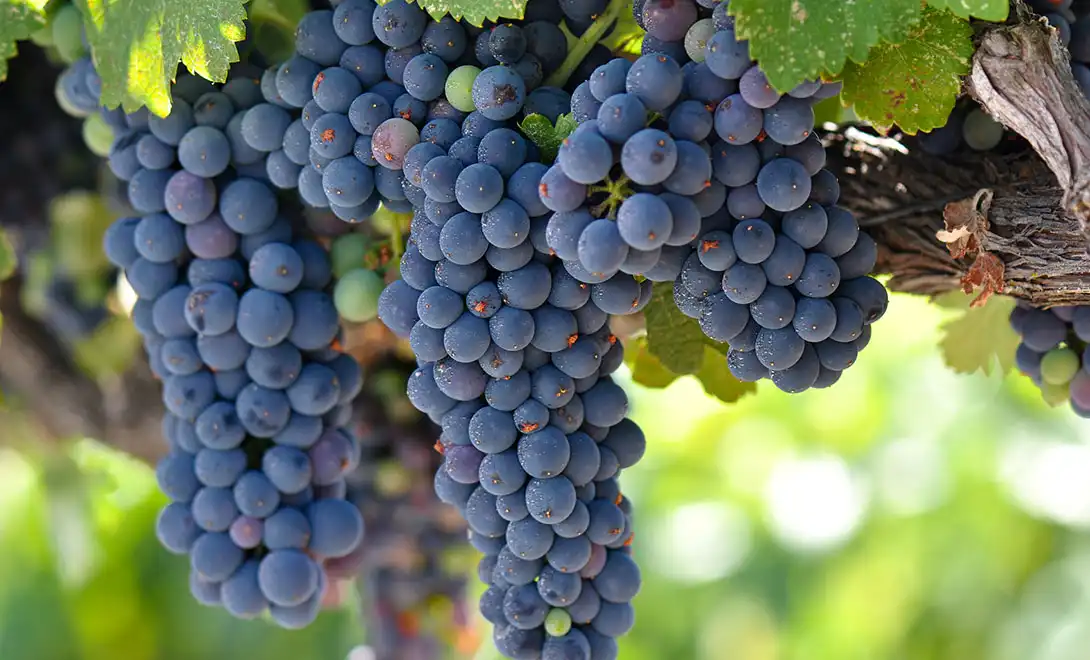
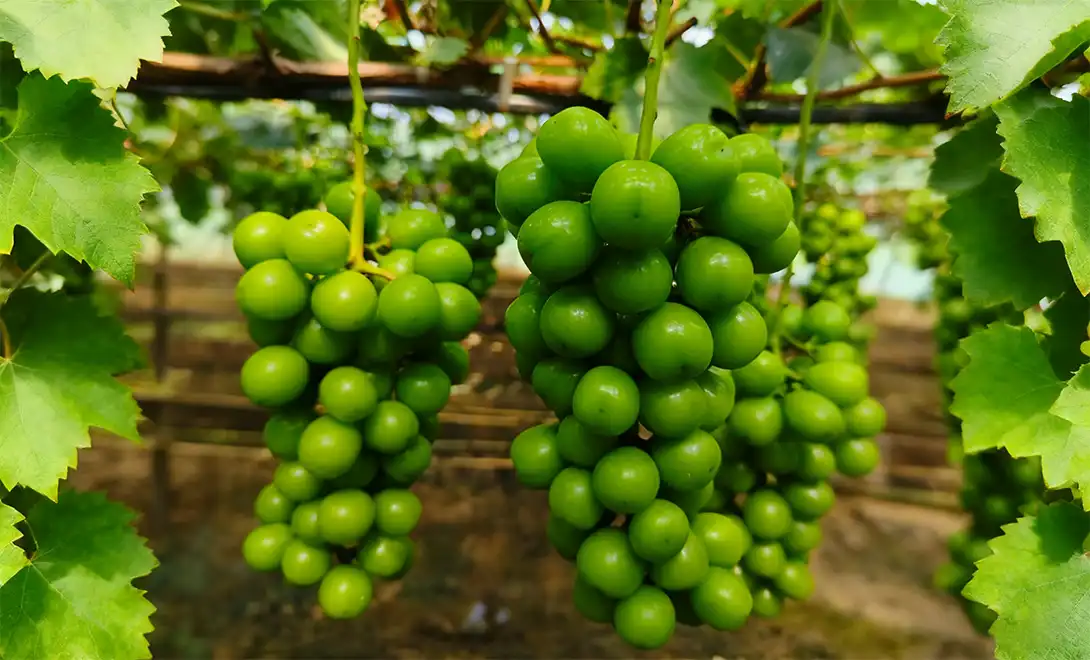
Grapevine viral diseases represent a major challenge for global viticulture, causing substantial economic losses each year through yield reduction, compromised fruit quality, and the long-term costs associated with vineyard replanting. Conventional control strategies, including chemical and biological approaches, often fail to provide consistent or durable protection against viral pathogens. As a result, the development of innovative and sustainable disease management tools has become a priority for modern agriculture.
Antiviral peptides have emerged as a promising technology for plant virus control. By enhancing plant defense mechanisms through targeted biochemical interactions, these compounds offer an environmentally compatible alternative to traditional treatments. This article provides a comprehensive overview of antiviral peptides for grape viral disease control, with a focus on their mechanisms, application strategies, procurement considerations, and future development trends. The content is designed to support B2B buyers, formulators, and agricultural professionals seeking effective viral disease management solutions.

Understanding Antiviral Peptides in Plant Disease Management
What Are Antiviral Peptides?
Antiviral peptides are short chains of amino acids with specific biological activity against viral pathogens. These peptides may be naturally derived from plant or microbial defense systems or produced synthetically through advanced bioengineering techniques. In agricultural applications, antiviral peptides typically have a molecular weight below 1000 Daltons, allowing efficient absorption and systemic movement within plant tissues.
Synthetic antiviral peptides are engineered to enhance stability, specificity, and field performance, while naturally derived peptides are valued for their biocompatibility and alignment with sustainable farming practices. Both types function by interacting with viral components or by stimulating host plant defense responses.
Mechanism of Action Against Viral Pathogens
Antiviral peptides act through multiple complementary mechanisms. They may bind directly to viral proteins, disrupting viral assembly and replication, or interfere with viral entry into plant cells. In addition, many peptides enhance the plant’s innate immune system by reinforcing cell wall integrity and activating defense-related signaling pathways.
Compared with broad-spectrum chemical agents, antiviral peptides exhibit higher specificity, reducing non-target effects and minimizing phytotoxicity. This targeted mode of action contributes to their effectiveness and environmental compatibility.

Advantages of Antiviral Peptides for Grapevine Viral Disease Control
Environmental and Regulatory Benefits
One of the primary advantages of antiviral peptides is their favorable environmental profile. These compounds are biodegradable and leave minimal residues, reducing concerns related to accumulation in soil or harvested products. Their safety characteristics support compliance with increasingly stringent regulatory standards and food safety requirements.
Agronomic Performance and Crop Health
Field and laboratory studies indicate that antiviral peptide treatments can significantly reduce viral load while improving overall vine vigor. Enhanced photosynthetic activity, improved nutrient utilization, and better fruit development have been observed in treated vineyards. Unlike some conventional treatments, antiviral peptides do not negatively impact beneficial microorganisms when used appropriately.
Limitations of Conventional Control Methods and the Role of Antiviral Peptides
Challenges with Chemical and Biological Approaches
Traditional chemical control methods often lack specificity and may disrupt beneficial soil and phyllosphere microbiota. The continuous evolution of viral populations also increases the risk of resistance development. Regulatory restrictions and environmental concerns further limit the long-term viability of chemical solutions.
Biological control strategies offer ecological advantages but can show inconsistent performance under variable environmental conditions. These limitations highlight the need for alternative approaches that combine efficacy, safety, and reliability.
Integration of Antiviral Peptides into Viticulture Practices
Advances in peptide synthesis and formulation technology have enabled the practical use of antiviral peptides in commercial vineyards. Improved stability and delivery systems protect peptides from degradation and ensure sufficient bioavailability at target sites. Antiviral peptides can be applied through foliar sprays for rapid systemic action or via soil application for longer-term protection.

Application Strategies and Effectiveness in Grape Viral Disease Control
Recommended Application Methods and Dosage
Effective implementation begins with accurate viral diagnosis, followed by selection of appropriate peptide formulations. Application rates typically range from 50 to 200 grams per hectare, depending on disease severity and environmental conditions. Antiviral peptides are generally compatible with fertilizers and other agrochemicals, allowing flexible integration into existing spray programs.
Evaluation of Field Performance
Controlled trials and commercial field applications have demonstrated viral suppression rates exceeding 80% under optimized conditions. Treated vineyards frequently show improvements in fruit quality parameters, including sugar accumulation and color development, along with increased yields over subsequent seasons. Peptide stability under vineyard conditions reduces the need for frequent applications while maintaining protective efficacy.
Procurement Considerations for Antiviral Peptides in Viticulture
Key Selection Criteria for B2B Buyers
Procurement decisions should prioritize product purity, molecular weight distribution, and verified biological activity. Pharmaceutical-grade production standards, supplier certifications (such as ISO compliance), and complete technical documentation contribute to consistent performance and quality assurance. Cost-effectiveness assessments should consider treatment efficiency, application frequency, and long-term agronomic benefits rather than unit price alone.
Synthetic Versus Natural Antiviral Peptides
Synthetic antiviral peptides offer consistent quality, customizable structures, and scalability for large-scale agricultural use. Natural peptides provide strong biocompatibility and may align better with organic or eco-certified production systems. The choice between synthetic and natural options depends on regulatory requirements, target markets, and formulation objectives.
Industry Outlook and Company Perspective
Future Trends in Antiviral Peptide Technology
Ongoing research is advancing peptide design through artificial intelligence-assisted sequence optimization and encapsulation technologies that enhance stability and shelf life. Integration with precision agriculture tools, including real-time monitoring and targeted delivery systems, is expected to further improve application efficiency and effectiveness.
Beyond grapevines, antiviral peptide applications are expanding to other high-value crops, including citrus, tobacco, and vegetables, indicating broad potential for cross-crop disease management.
Company Introduction and Product Capabilities
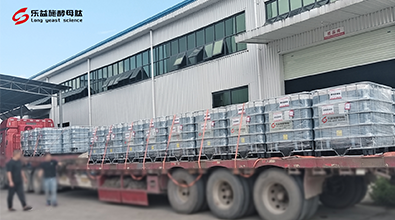
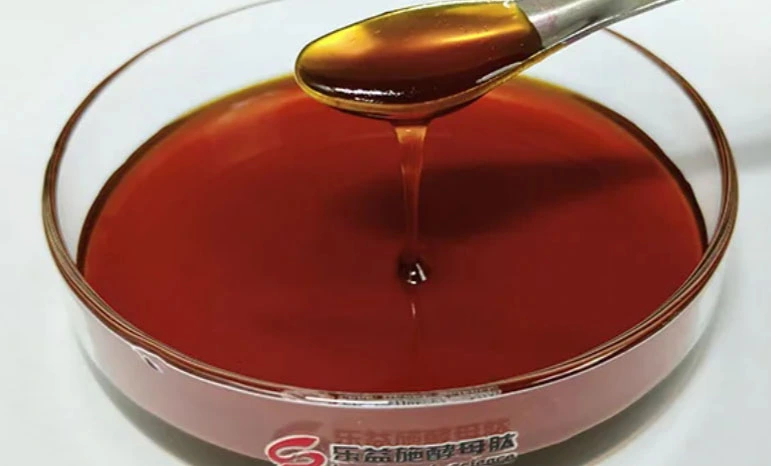
LYS focuses on the development of antiviral peptide solutions for agricultural applications, combining biotechnology expertise with scalable production capabilities. Its product portfolio includes nucleoside peptides, glutathione peptides, and yeast-derived oligosaccharides designed to support plant defense responses against viral pathogens.
These formulations target a range of plant viruses, including mosaic, yellowing, and leaf curl viruses affecting grapevines. Custom synthesis services and bulk supply options support diverse formulation and application needs, while technical support assists clients throughout implementation.
Conclusion
Antiviral peptides represent a scientifically grounded and practical approach to grape viral disease control, addressing many of the limitations associated with traditional chemical treatments. Their targeted activity, environmental compatibility, and integration potential within sustainable agriculture systems position them as valuable tools for modern viticulture. Careful product selection, appropriate application strategies, and reliable supplier partnerships are essential for achieving optimal outcomes. As technological innovation continues, antiviral peptides are expected to play an increasingly important role in comprehensive crop protection programs.
Frequently Asked Questions
1. How do antiviral peptides differ from traditional pesticides in vineyard viral control?
Antiviral peptides specifically target viral pathogens through biological mechanisms rather than broad chemical toxicity. They activate plant immune systems and strengthen cellular defenses while maintaining environmental safety profiles that exceed traditional chemical treatments. Peptides biodegrade naturally without accumulating in soil or water systems.
2. Are antiviral peptides safe for the environment and non-target organisms?
Yes, antiviral peptides demonstrate excellent environmental safety profiles due to their specific mode of action and biodegradable nature. They do not harm beneficial insects, soil microorganisms, or aquatic life, making them suitable for sustainable agriculture practices and organic certification programs.
3. What is the typical lead time and minimum order quantity when purchasing antiviral peptides?
Standard products typically require 2-4 weeks for delivery, while custom formulations may need 6-8 weeks. Minimum order quantities vary by product but generally start at 25 kilograms for standard formulations, with bulk pricing available for orders exceeding 500 kilograms.
Contact LYS for Premium Antiviral Peptide Solutions
Transform your grape viral disease management strategy with LYS's advanced antiviral peptide technology. Our high-quality formulations combine proven efficacy with environmental sustainability, offering superior alternatives to traditional chemical treatments. As a trusted antiviral peptide manufacturer with over 70 years of biotechnology expertise, we provide comprehensive support, including product customization, technical consultation, and reliable supply chain management. Experience the benefits of our patented FSDT technology and premium yeast-derived peptides designed specifically for agricultural applications. Contact us at alice@aminoacidfertilizer.com to discuss your specific requirements and discover how our innovative solutions can enhance your crop protection programs.
References
1. Smith, J.A., et al. (2023). "Antiviral Peptides in Plant Disease Management: Mechanisms and Applications in Viticulture." Journal of Agricultural Biotechnology, 45(3), 123-145.
2. Rodriguez, M.C., and Thompson, K.L. (2022). "Efficacy of Synthetic Antiviral Peptides Against Grapevine Viral Pathogens: A Comprehensive Field Study." Plant Protection Science, 58(4), 267-281.
3. Chen, W., et al. (2023). "Molecular Mechanisms of Peptide-Based Antiviral Activity in Grapevine Defense Systems." Phytopathology Research, 15(2), 89-104.
4. Anderson, R.P., and Kumar, S. (2022). "Environmental Safety Assessment of Antiviral Peptides in Agricultural Applications." Environmental Science and Agricultural Technology, 34(7), 445-462.
5. Martinez, L.E., et al. (2023). "Economic Analysis of Antiviral Peptide Implementation in Commercial Vineyard Operations." Agricultural Economics Review, 41(5), 201-218.
6. Wilson, D.F., and Zhang, H. (2022). "Future Trends in Peptide Technology for Sustainable Crop Protection." Biotechnology Advances in Agriculture, 29(8), 334-351.