As global agriculture enters a new phase of precision and sustainability, fertilizer strategies are rapidly evolving beyond traditional chemical inputs. In 2025, high-performing fertilizer brands are increasingly defined by their ability to enhance nutrient efficiency, support stress tolerance, and protect long-term soil health. Among emerging innovations, peptide-based amino acid fertilizers are gaining attention for their superior bioavailability and adaptability under challenging environmental conditions. These advanced solutions address critical issues such as temperature stress, soil degradation, and nutrient loss, making them an essential component of modern crop nutrition programs.

Evolving Nutritional Demands in Modern Agriculture
Key Challenges Facing Crop Production
Contemporary farming systems are facing unprecedented pressure from climate variability, declining soil fertility, and continuously rising input costs. Traditional fertilizer practices often exhibit low nutrient-use efficiency as a result of leaching, volatilization, and soil fixation, which not only reduces economic returns but also increases environmental burdens. In this context, agriculture is challenged by multiple interconnected issues, including the depletion of soil organic matter, limited nutrient absorption efficiency, and heightened exposure of crops to both abiotic and biotic stresses, alongside growing expectations for higher returns on fertilizer investments. As modern agriculture becomes increasingly data-driven and precision-oriented, fertilizers are no longer expected to deliver short-term yield improvements alone, but also to contribute to long-term soil health and system resilience. This transition has significantly increased the demand for biologically active fertilizer formulations that can effectively integrate with advanced crop management strategies.
Peptide Amino Acid Fertilizer Technology: A Scientific Breakthrough
How Peptide-Based Fertilizers Work
Peptide amino acid fertilizers represent a significant advancement in fertilizer science. Unlike conventional nutrient salts, these formulations contain small-molecule peptides (≤1000 Da) that are readily absorbed by plant cells. Their molecular structure enables rapid uptake, stable performance under stress, and enhanced metabolic activity.
Key functional advantages include:
- Improved cellular signaling and metabolic regulation
- Enhanced tolerance to heat, drought, and salinity
- Increased micronutrient availability through chelation
- Strengthened root development and nutrient transport
Research demonstrates that peptide-based fertilizers improve stomatal conductance and photosynthetic efficiency, directly supporting higher biomass accumulation and yield potential. Their stability across diverse soil pH conditions makes them suitable for a wide range of cropping systems.
Leading Fertilizer Brands Driving Innovation
Advanced Manufacturing and Quality Control
Among innovative fertilizer brands, companies investing in enzymatic and fermentation-based technologies are reshaping the market. With decades of experience in enzymatic hydrolysis, LYS has developed peptide amino acid fertilizers using yeast-derived protein sources with ≥60% protein content. This positions yeast protein as a third major high-quality protein category, alongside animal and plant proteins.
Distinctive characteristics of advanced fertilizer brands include:
- Patented enzymatic hydrolysis processes
- Temperature-stable and chloride-free formulations
- High compatibility with existing fertilizers and pesticides
- Scalable production capacity supporting global supply
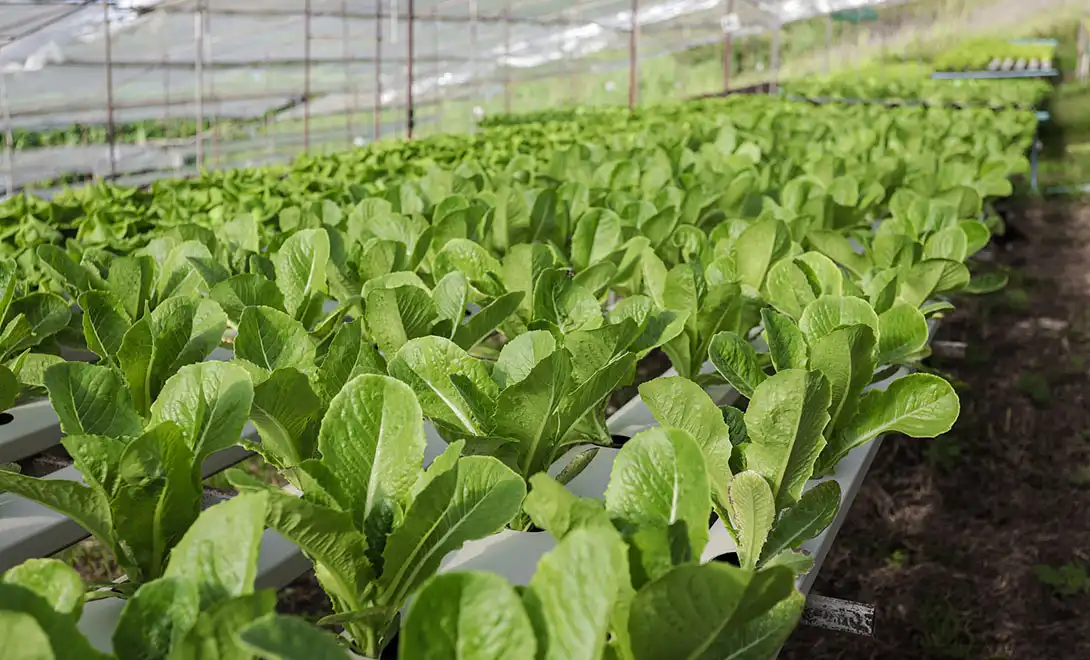
Independent field evaluations indicate consistent yield improvements across multiple crop types and growing regions. Stable formulation performance under temperature fluctuations also reduces application risks in large-scale operations.
Performance Advantages of Advanced Fertilizer Formulations
Stability, Safety, and Compatibility
Modern peptide-based fertilizers are designed to address common formulation challenges:
- Maintain homogeneous solutions under extreme temperatures
- Enable safe tank-mixing with agrochemicals
- Reduce labor and application complexity
- Minimize phytotoxicity risks
Chloride-free compositions further enhance safety for seedlings, seed treatments, and aerial spraying applications.
Yield and Quality Improvement
Beyond nutrient delivery, advanced fertilizers support crop quality and resilience:
- Small peptides enhance nutrient absorption efficiency
- Nucleotides support cellular repair and stress recovery
- Improved grain filling, fruit development, and uniformity
- Enhanced post-harvest storage characteristics
Field data from stress-prone environments report average yield increases of 15–25% compared with conventional fertilizer programs.
Sustainability and Environmental Performance
Supporting Long-Term Soil Health
In 2025, fertilizer performance is increasingly measured by environmental impact as well as yield. Peptide amino acid fertilizers contribute to sustainable agriculture by improving nutrient-use efficiency and reducing overall fertilizer application rates.
Long-term benefits include:
- Lower dependence on chemical fertilizers
- Improved soil structure and water-holding capacity
- Enhanced microbial activity and nutrient cycling
- Reduced nitrogen and phosphorus losses
Environmental assessments indicate significant reductions in nutrient runoff and leaching, supporting regulatory compliance and improved water quality. From an economic perspective, improved efficiency and sustainability can translate into lower input costs and higher market value for crops produced under environmentally responsible systems.
Conclusion
In 2025, the best fertilizer brands are those that combine scientific innovation with practical field performance. Peptide amino acid fertilizers exemplify this shift by addressing key challenges in modern agriculture, including nutrient efficiency, stress tolerance, and environmental sustainability. By integrating biologically active components with advanced manufacturing technologies, leading fertilizer producers are setting new standards for crop nutrition. For growers seeking high yields, stable performance, and long-term soil health, advanced peptide-based fertilizer solutions are becoming an indispensable tool in competitive agricultural production systems.

Partner with LYS for Advanced Fertilizer Solutions
With its cutting-edge peptide amino acid fertilizer technology, LYS is ready to change the way you farm. Our FSDT enzyme hydrolysis system always produces the best beneficial chemicals that improve the quality and output of crops grown in a wide range of circumstances. With the ability to produce 10,000 MT per year and more than 70 years of scientific experience, we are a trusted supplier for fertilizer makers, wholesalers, and large-scale farming operations all over the world. Our chloride-free mixes offer the best safety and performance, whether you need them for product creation, OEM partnerships, or direct use in agriculture. Contact us at alice@aminoacidfertilizer.com to discuss how our innovative solutions can enhance your crop production success.
References
1. Wang, D., Chen, L., & Liu, M. (2011). Effects of polypeptide amino acids on stomatal conductance and photosynthetic efficiency in corn leaves. Journal of Agricultural Biotechnology, 19(4), 287-294.
2. Hu, Z., Zhang, Y., & Li, P. (2007). Regulation of calcium ion uptake by plant peptide PA1b in stress conditions. Plant Physiology Research, 33(2), 156-163.
3. Thompson, R., Kumar, S., & Brown, A. (2023). Peptide amino acid fertilizers: Mechanisms and applications in sustainable agriculture. Agricultural Innovation Review, 45(3), 78-92.
4. Martinez, E., Rodriguez, C., & Wilson, J. (2024). Comparative analysis of biofertilizer efficacy in stress-prone environments. Crop Science International, 67(1), 234-248.
5. Anderson, K., Smith, D., & Taylor, R. (2023). Environmental impact assessment of peptide-based fertilizer systems. Sustainable Agriculture Quarterly, 28(4), 412-425.
6. Lee, S., Johnson, M., & García, F. (2024). Economic benefits of advanced peptide amino acid fertilizers in commercial agriculture. Agricultural Economics Today, 52(2), 189-203.