Peptide-based immune inducer for vegetables and fruits
Peptide-based immune inducers are transforming plant protection strategies for vegetables and fruits. These innovative biostimulants leverage naturally occurring peptides to strengthen plant defenses, offering a sustainable alternative to conventional pesticides. By mimicking molecular patterns associated with pathogens or plant stress, these compounds activate the plant’s innate immunity without causing real infection. This allows crops to respond faster and more effectively to biotic and abiotic threats, resulting in enhanced resilience, improved yield stability, and better-quality produce.
The advantage of peptide elicitors lies in their ability to work with the plant’s natural processes, reducing dependence on harsh chemicals while supporting overall plant health. As global agriculture rapidly shifts toward sustainable practices, peptide-based immune inducers are becoming essential tools for growers who aim to protect crops with minimal environmental impact.
Below, we explore how these advanced biostimulants enhance crop immunity and their practical applications in vegetable and fruit production.

How Peptide-Based Immune Inducers Enhance Crop Resilience?
Peptide-based immune inducers strengthen crop resilience through a complex interplay of molecular signaling and plant physiology. When applied, these peptides trigger a cascade of defense responses, effectively “training” plants to respond more rapidly to future threats. This immune activation includes several key processes:
Receptor Recognition and Signal Transduction
Plant cells recognize peptide elicitors through specialized receptors on the cell membrane. This triggers a signaling cascade—frequently involving the MAPK (mitogen-activated protein kinase) pathway—which rapidly transmits defense signals throughout the plant.
Activation of Defense Genes
The induced signaling activates numerous defense-related genes. These genes encode proteins such as chitinases and glucanases that can directly degrade fungal cell walls and inhibit pathogen growth.
Production of Defensive Compounds
Immune-stimulated plants produce higher levels of phytoalexins—antimicrobial metabolites that deter pathogens. They also increase synthesis of lignin and callose, reinforcing cell walls and creating stronger physical barriers.
Defense Priming for Future Threats
A crucial benefit of peptide-based immune inducers is defense priming. This long-lasting physiological state enables plants to respond more quickly and robustly when confronted with real pathogens or environmental stress.
Together, these mechanisms significantly improve crop resilience, enabling vegetables and fruits to withstand pathogens and stress conditions more effectively, even under unfavorable environmental situations.
Suitable Vegetable and Fruit Types
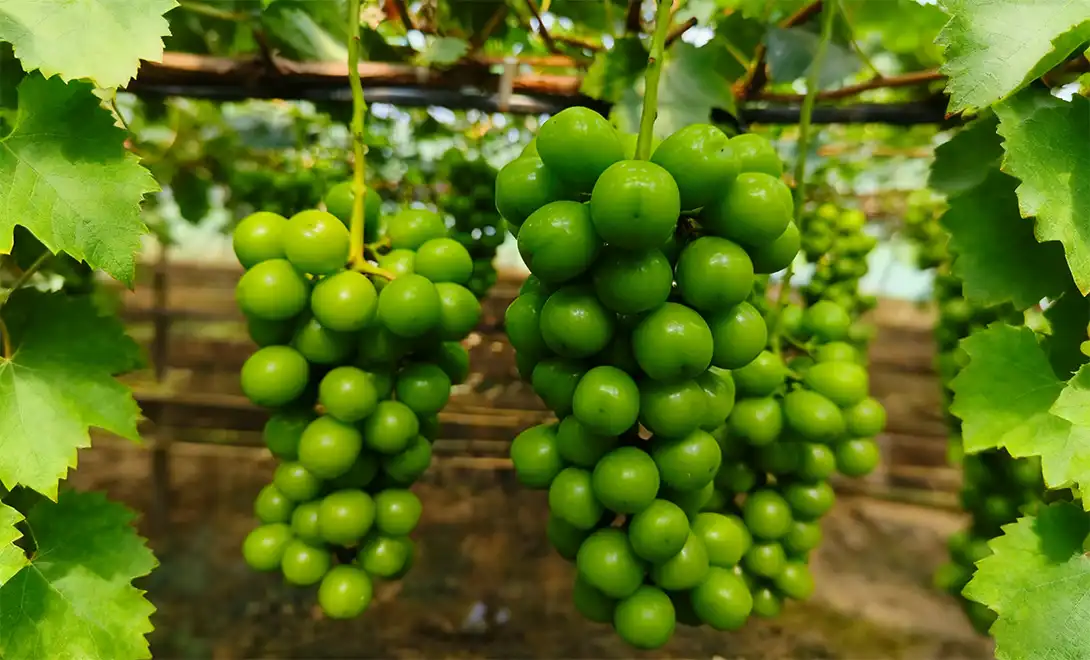
Peptide-based immune inducers are highly versatile and compatible with a wide variety of vegetable and fruit crops in both open-field and greenhouse production.
Fruiting Vegetables
Crops such as tomatoes, peppers, and eggplants respond strongly to peptide elicitors. These vegetables frequently face challenges from fungal pathogens like Botrytis and bacterial diseases such as bacterial spot. Strengthened immunity leads to healthier plants and improved fruit quality.
Leafy Greens
Lettuce, spinach, and similar leafy vegetables are prone to foliar diseases including downy mildew and Sclerotinia. Peptide-based immune inducers help reinforce their natural defenses, reducing the risk of rapid disease spread.
Cucurbits
Cucumbers, melons, and squashes often suffer from powdery mildew and viral infections. Elicitors enhance their immune response, decreasing reliance on frequent fungicide treatments.
Fruit Trees
Citrus, apples, peaches, and other fruit trees show positive responses to peptide-based immune inducers. These treatments help trees better resist challenges such as citrus greening, fire blight, and brown rot.
Berries
Strawberries, blueberries, and raspberries benefit greatly from improved resistance to Botrytis fruit rot and anthracnose, resulting in higher yields and superior fruit quality.
The broad adaptability of peptide-based immune inducers makes them a valuable component of integrated crop protection programs across diverse horticultural systems.
Application Intervals and Dosage
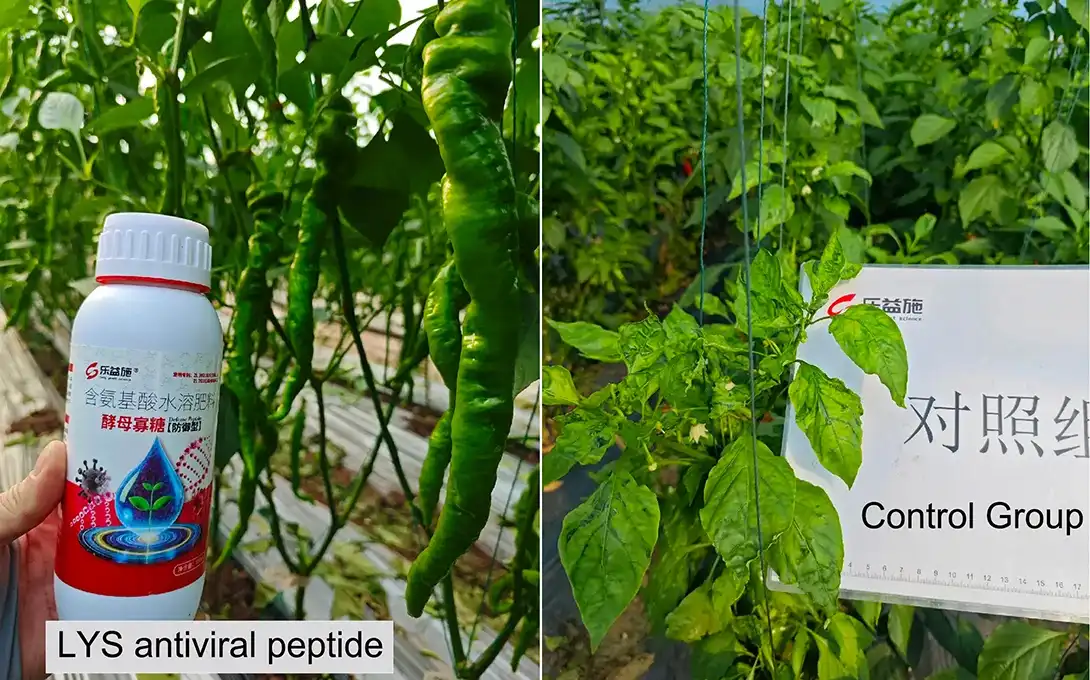
To achieve the best performance from peptide-based immune inducers, growers must follow proper application timing and dosage recommendations. While specific instructions can vary by product, the following general principles apply.
Timing of Applications
Early-season treatments are crucial for establishing immune readiness before disease pressure begins.
A typical schedule includes:
- Initial application: 2–4 leaf stage or shortly after transplanting
- Follow-up applications: Every 14–21 days throughout the growing cycle
- Pre-harvest application: 7–10 days before harvest to maintain post-harvest quality
Dosage Considerations
Application rates usually range from 200–500 mL per hectare, depending on product formulation, crop stage, and environmental conditions. Because many peptide biostimulants exhibit hormesis, lower doses can sometimes be more effective than higher ones.
- Crop sort and development stage
- Disease weight in the area
- Environmental conditions (temperature, stickiness, etc.)
- Integration with other edit assurance products
Application Methods
Peptide-based immune inducers are typically applied as foliar sprays, ensuring good coverage of the plant's surfaces. For optimal results:
- Use a fine fog shower to guarantee dispersion over leaf surfaces indeed
- Apply amid cooler parts of the day to minimize evaporation
- Ensure an intensive scope, counting the undersides of leaves
- Avoid application promptly, sometimes recently, or after precipitation to anticipate wash-off
It's worth noting that some advanced formulations may allow for soil or irrigation system applications, potentially offering more convenient and efficient delivery methods.
Integration with IPM Programs
Peptide-based immune inducers fit seamlessly into Integrated Pest Management (IPM) strategies. They are generally compatible with biological control agents and can often be tank-mixed with other fertilizers or crop protection inputs. Always check product labels for specific compatibility guidelines
Conclusion
Peptide-based immune inducers represent a significant advancement in sustainable crop protection for vegetables and fruits. By activating natural plant defense mechanisms, these innovative biostimulants help growers enhance crop resilience, improve yield consistency, and reduce dependency on traditional pesticides. As global agriculture continues shifting toward environmentally responsible practices, peptide-based immune inducers will play an increasingly important role in integrated crop management systems.
For agrochemical manufacturers, specialty fertilizer producers, and agricultural distributors, these products offer a strategic opportunity to expand portfolios with high-performance, sustainable solutions. Large-scale farms and growers facing challenges such as drought, salinity, and rising disease pressure can also benefit from improved stress tolerance and overall plant health.
At LYS Biotech, we are committed to advancing peptide-based agricultural technologies. With decades of fermentation expertise, proprietary innovations, and rigorous quality control systems, we deliver reliable, high-efficiency immune inducers that support modern, sustainable agriculture.
If you’d like to learn more about how our peptide-based immune inducers can support your business or farming operation, our team is ready to provide detailed product information, discuss collaboration opportunities, and arrange tailored field trials.
FAQs
Q1: Are peptide-based immune inducers safe for organic farming?
A: Many peptide-based immune inducers are derived from natural sources and can be compatible with organic farming practices. However, it's essential to check specific product certifications and consult with organic certification bodies to ensure compliance with organic standards in your region.
Q2: How long does the protective effect of peptide-based immune inducers last?
A: The duration of protection can vary depending on the specific product and environmental conditions. Generally, the priming effect can last for several weeks, but regular applications throughout the growing season are typically recommended for optimal results.
Q3: Can peptide-based immune inducers replace all conventional pesticides?
A: While peptide-based immune inducers can significantly reduce the need for conventional pesticides, they are best used as part of an integrated pest management (IPM) strategy. They work well in combination with other biological control methods and can complement reduced chemical inputs for a more sustainable approach to crop protection.
Innovative Peptide-based Immune Inducers for Sustainable Crop Protection | LYS
Discover LYS Biotech's cutting-edge peptide-based immune inducers for vegetables and fruits. Our products offer unparalleled crop resilience and yield improvement while promoting sustainable agriculture. With over 70 years of experience in yeast enzyme technology and a strong commitment to innovation, we provide high-quality, reliable solutions for modern agricultural challenges. Contact us at alice@aminoacidfertilizer.com to learn how our peptide-based immune inducers can revolutionize your crop protection strategy and boost your agricultural productivity.
References
1. Zhang, L., & Zhou, T. (2021). Peptide-based immune inducers in plant disease control: Current status and future perspectives. Frontiers in Plant Science, 12, 680875.
2. Gómez-Gómez, L., & Boller, T. (2018). Flagellin perception: A paradigm for innate immunity. Trends in Plant Science, 23(4), 301-310.
3. Wiesel, L., Newton, A. C., Elliott, I., Booty, D., Gilroy, E. M., Birch, P. R., & Hein, I. (2014). Molecular effects of resistance elicitors from biological origin and their potential for crop protection. Frontiers in Plant Science, 5, 655.
4. Rebollar-Alviter, A., & Nita, M. (2019). Optimizing biostimulant applications for sustainable disease management. Plant Disease, 103(9), 2175-2185.
5. Burketová, L., Trdá, L., Ott, P. G., & Valentová, O. (2015). Bio-based resistance inducers for sustainable plant protection against pathogens. Biotechnology Advances, 33(6), 994-1004.
6. Thakur, M., & Sohal, B. S. (2013). Role of elicitors in inducing resistance in plants against pathogen infection: A review. ISRN Biochemistry, 2013, 762412.

Tell us your needs — we’ll provide the right solution for your crops and markets.
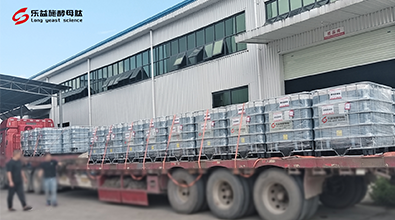
Innovating Agriculture with Yeast-Derived Amino Acid Peptides