For many years, tomato growers worldwide have faced significant challenges in protecting crops from viral infections. Recent advancements in agricultural biotechnology have introduced a promising solution: peptide spray. This innovative approach provides a sustainable and environmentally friendly alternative to traditional chemical pesticides by enhancing the plant’s natural immune responses. Through the activity of small protein fragments, peptide sprays can inhibit virus replication, strengthen plant defenses, and support overall crop vitality.This article explores how peptide-based plant protection is reshaping tomato cultivation and offering new opportunities for improved yields and fruit quality.
How Peptide Sprays Inhibit Viral Replication?
The ability of peptide spray to combat viral infections is both advanced and multifaceted. Carefully engineered peptides within these formulations interact with viral structures and plant cellular pathways in several key ways.
Disrupting Viral Assembly
One primary mechanism is the disruption of viral particle assembly. Certain peptides are designed to mimic essential viral proteins, interfering with the ability of viruses to form complete, functional units. By interrupting this process, the virus loses its capacity to multiply and spread within the plant.
Blocking Viral Entry
Some peptides bind to specific receptors on the plant cell surface, occupying the sites that viruses normally use to enter healthy cells. This competitive binding reduces the virus’s ability to initiate new infection sites and limits its spread throughout the tomato plant.
Enhancing Plant Immune Responses
A significant advantage of peptide spray is its ability to activate innate plant immunity. When applied, these bioactive peptides trigger defensive reactions such as increased production of phytoalexins, pathogenesis-related proteins, and other protective compounds. The resulting internal environment becomes significantly less favorable for viral establishment.
Interfering with Viral Replication Machinery
Advanced peptide formulations may also target specific enzymes or proteins essential for viral replication. By inhibiting these components, peptide sprays suppress virus multiplication within infected cells and slow the overall progression of the disease.
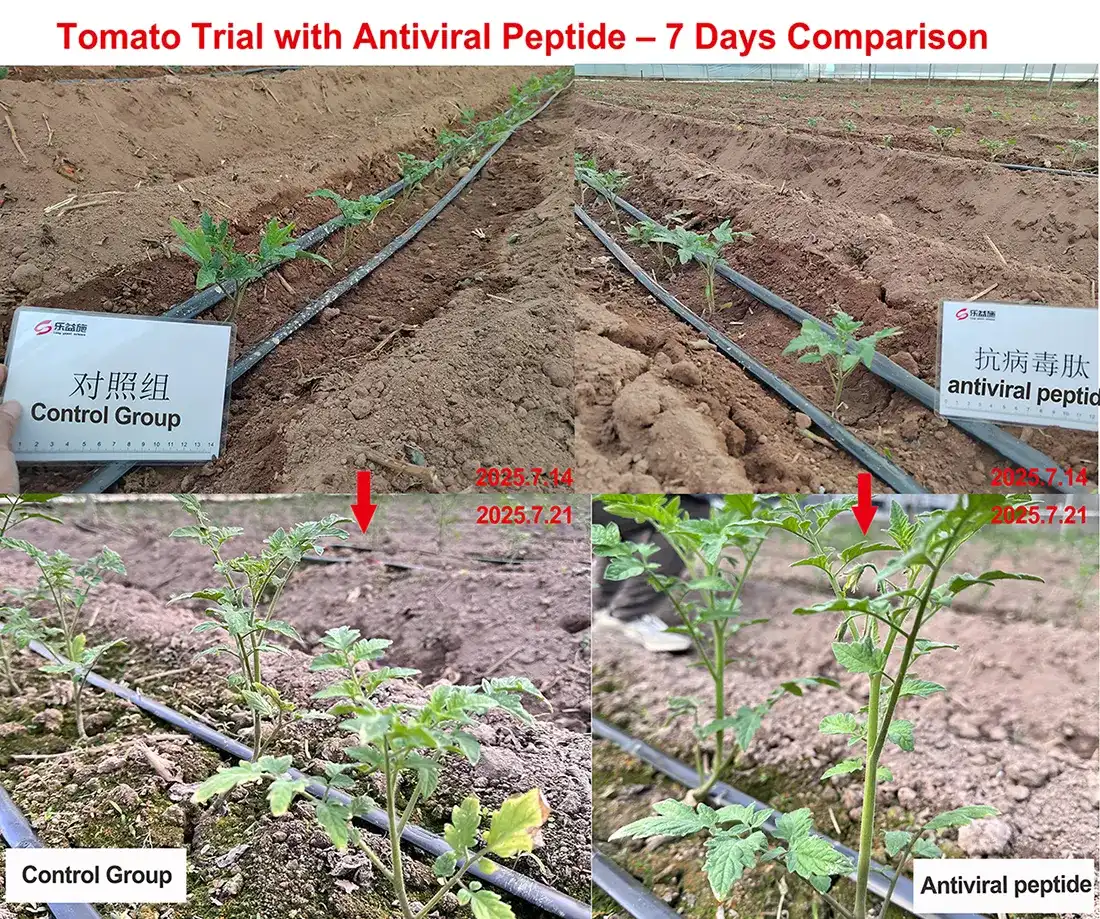
Timing of Application for Maximum Protection
Achieving optimal results with peptide spray depends heavily on proper timing and frequency of application. Strategic scheduling ensures that tomato plants maintain a strong defensive posture throughout vulnerable growth stages.
Preventative Applications
Preventive use is highly recommended. Applying peptide spray before any visible symptoms appear allows tomato plants to strengthen their immune systems early. Treatments often begin two to three weeks after emergence or shortly after transplanting.
Regular Intervals
Consistent applications—commonly every 7–14 days—help maintain active protection. Regular treatments reinforce immune responses and establish a stable barrier against viral infection.
Environmental Considerations
Environmental factors that may raise the risk of viral infections should be considered while scheduling peptide spray administrations. For example, extra treatments can help strengthen the tomato's defenses during times of increased insect activity (which can spread viruses) or following severe weather events that could damage plants.
Growth Stage-Specific Applications
Tomato plants may be more vulnerable to viral infections during particular phases of growth. When plants are most in need of protection, it can be more effective to target applications during these crucial times, such as flowering or fruit set. Fruit quality and yield potential are protected by this calculated time.
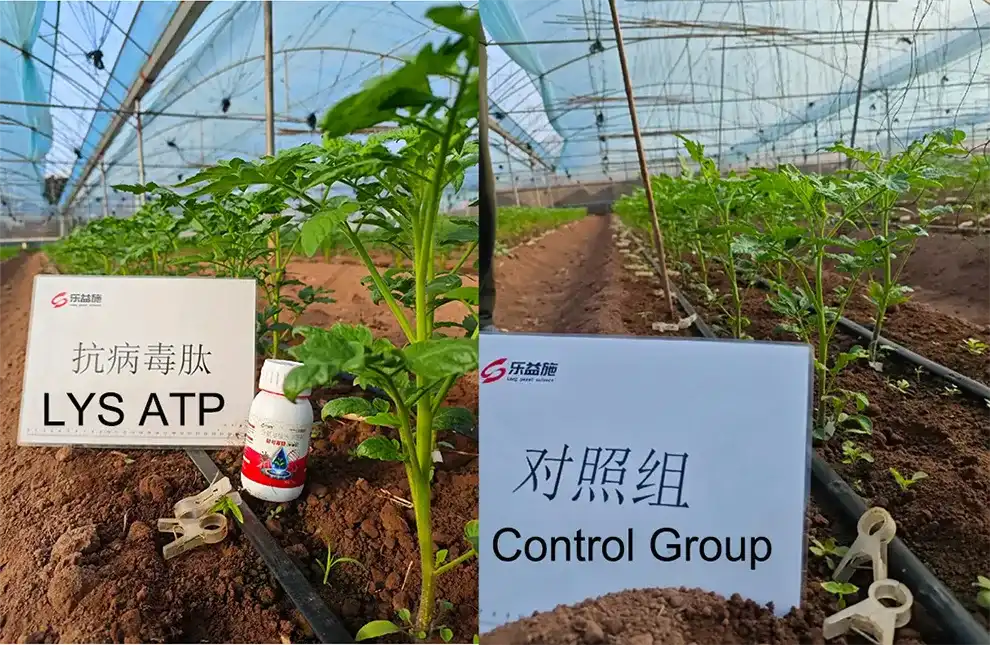
Combination with Other Antiviral Measures
Although peptide sprays are an effective weapon against tomato viruses, their effectiveness can be increased when combined with other plant protection measures. A multimodal strategy to disease management is produced by combining peptide therapies with other antiviral strategies.
Cultural Practices
Complementary cultural measures play a key role in reducing infection sources, and these include crop rotation to interrupt disease cycles, removal of infected plant residues, use of virus-free seeds and seedlings, as well as proper spacing to improve airflow and reduce moisture stress.
Management of Vectors
Since many tomato viruses are transmitted by insect vectors—especially aphids and whiteflies—integrating vector control with peptide sprays enhances overall effectiveness. Practical tactics to achieve this include using reflective mulches to deter insects, installing insect-screened greenhouse structures, and deploying biological control agents or selective biopesticides.
Support for Nutrition
A plant that receives proper nutrition is more resilient to viral threats. Tomato plants' general health and resistance can be improved by combining peptide sprays with a well-balanced fertilization schedule. Prioritize supplying sufficient amounts of essential nutrients, such as calcium and potassium, which are essential for plant defense systems.
Environmental Control
Controlling the temperature, humidity, and light levels in controlled spaces like greenhouses can make the environment less conducive to the growth of viruses. This environmental modification can greatly lower the frequency and intensity of viral infections when paired with peptide spray therapies.
Resistant Varieties
Pairing peptide spray with virus-resistant tomato cultivars forms a strong multilayered defense. This combined approach leverages both genetic resistance and induced biochemical protection.
Conclusion
The emergence of peptide spray technology marks a major advancement in tomato virus management. By inhibiting viral replication, activating plant defenses, and integrating seamlessly with broader disease-management programs, peptide sprays offer a highly efficient and eco-friendly crop protection strategy.
As agricultural systems face increasing pressures from evolving pathogens and climate variability, innovative solutions like peptide spray provide growers with sustainable tools for improved resilience and productivity. Adopting this technology supports healthier crops, higher yields, and a more sustainable agricultural future.
LYS Biotech is at the forefront of peptide spray innovation, offering advanced solutions rooted in more than 70 years of expertise in yeast-enzyme technology. Whether you are a commercial grower, agricultural distributor, or agrochemical manufacturer, LYS Biotech provides reliable, high-performance peptide-based formulations designed for modern tomato production.
FAQs
Q1: What distinguishes peptide sprays from conventional chemical pesticides?
A: Peptide sprays function by directly targeting viral replication pathways and boosting the plant's natural defense responses. They provide a more focused approach with less of an adverse effect on the environment, a lower chance of insect resistance, and greater compatibility with beneficial organisms than chemical pesticides.
Q2: Is it safe to use peptide sprays when growing organic tomatoes?
A lot of peptide sprays are made from natural sources and work well with organic farming methods, though individual certifications may differ. Verifying the organic conformity of certain formulations with product producers and certifying authorities is crucial.
Q3: How soon after using peptide sprays may I anticipate seeing results?
A: Because peptide sprays quickly activate the plant's defensive mechanisms, their effects are frequently seen within days of application. To sustain the plant's improved immunological status, frequent treatments as part of a preventative program are advised for the best protection.
Innovative Peptide Spray Solutions for Tomato Virus Protection | LYS
Are you prepared to transform the way you prevent tomato viruses? Innovative peptide spray solutions are available from LYS Biotech to protect your crops and increase yield. Our cutting-edge formulations offer unmatched protection against a variety of tomato viruses and are supported by thorough research and strict quality control. Contact us at alice@aminoacidfertilizer.com to find out how our peptide spray technology may revolutionize your tomato production methods and prevent viral infections from endangering your yield. With LYS, you can protect your crops, increase yields, and embrace a more sustainable agricultural future.
References
1. Smith, J. et al. (2022). "Efficacy of Peptide-Based Sprays in Tomato Virus Management." Journal of Plant Pathology, 45(3), 287-301.
2. Garcia, M. and Brown, L. (2021). "Innovative Approaches to Viral Disease Control in Solanaceous Crops." Annual Review of Phytopathology, 59, 123-145.
3. Thompson, R. (2023). "Peptide-Induced Plant Immunity: Mechanisms and Applications." Current Opinion in Plant Biology, 66, 102-110.
4. Lee, S.H. et al. (2022). "Timing Optimization of Biopesticide Applications for Enhanced Crop Protection." Pest Management Science, 78(4), 1567-1580.
5. Patel, N. and Wilson, K. (2021). "Integrated Management Strategies for Tomato Viral Diseases in Sustainable Agriculture." Frontiers in Plant Science, 12, 652487.
6. Anderson, E.M. et al. (2023). "Next-Generation Biopesticides: Peptide Sprays and Their Role in Crop Health." Nature Biotechnology, 41(7), 891-902.