Peptide-Based Fertilizer Raw Material for Agrochemical Formulations
Peptide-based fertilizer raw materials are emerging as a next-generation solution in agrochemical formulation, particularly when combined with yeast-derived biostimulants. Rather than serving solely as nutrient sources, these advanced biochemical compounds function as metabolic enhancers that support plant physiological performance. They address key agricultural challenges such as climate variability, overreliance on synthetic inputs, and the need for higher productivity.
Unlike conventional NPK fertilizers, peptide-based materials derived from yeast hydrolysis provide bioactive compounds that improve nutrient utilization efficiency, enhance stress tolerance, and optimize plant metabolic processes across diverse cropping systems.
Introduction to Peptide-Based Fertilizers and Yeast-Derived Biostimulants
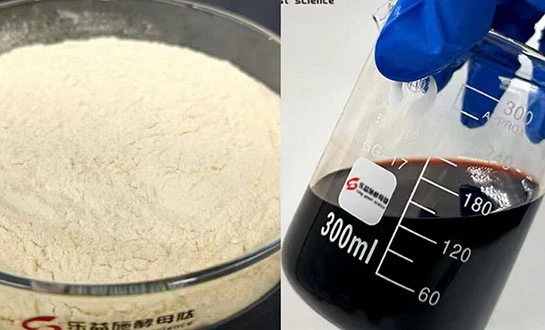
Modern agriculture increasingly requires solutions that go beyond traditional fertilization. Peptide-based fertilizer raw materials are produced through controlled enzymatic hydrolysis of high-quality yeast proteins, resulting in a complex mixture of low-molecular-weight peptides, free amino acids, nucleotides, and functional oligosaccharides.
Bioactive Composition and Functional Role
These compounds act not only as nutritional inputs but also as signaling molecules within plant systems. Their relatively low molecular weight—typically below 1000 Daltons—enables rapid cellular uptake and immediate bioavailability. Once absorbed, they participate in biochemical signaling pathways that regulate growth, stress response, and nutrient transport.
Processing Technology and Stability
Advanced processing technologies such as Full-Spectrum Directed Technology (FSDT) enable the preservation and concentration of bioactive components. This method supports high peptide concentrations (often exceeding 360 g/L) along with a balanced amino acid profile. The resulting materials demonstrate strong stability across a wide range of temperatures and pH conditions, making them suitable for field applications.
Functional Mechanisms of Yeast-Derived Biostimulants in Agriculture
Extensive agronomic research indicates that yeast-derived biostimulants influence plant performance at multiple physiological levels. Their effects extend from cellular metabolism to whole-plant stress adaptation.
Root Development and Nutrient Uptake Efficiency
Peptide-based formulations promote root system architecture by stimulating lateral root formation and increasing root hair density. This expansion enhances soil exploration capacity and improves nutrient acquisition. Studies across various crops have reported root volume increases of approximately 25–40% following peptide application.
The presence of amino acids such as glutamic acid and aspartic acid facilitates micronutrient chelation and transport across root membranes. As a result, nutrient use efficiency improves, allowing for reduced fertilizer input without compromising crop performance.
Stress Resistance and Cellular Protection
Yeast-derived biostimulants contain nucleotides, beta-glucans, and mannan-oligosaccharides that contribute to plant resilience under environmental stress. Nucleotides support cellular repair processes, while polysaccharides act as elicitors that activate plant defense mechanisms.
These compounds enhance antioxidant enzyme activity, helping plants mitigate oxidative stress caused by drought, salinity, and temperature extremes. This protective effect supports sustained growth under suboptimal conditions.
Metabolic Regulation and Yield Formation
Peptides influence hormonal balance and metabolic pathways within plant cells. The natural presence of B-complex vitamins in yeast-derived materials supports enzymatic activity, particularly in carbon and nitrogen metabolism.
This metabolic optimization improves photosynthetic efficiency and carbohydrate allocation, contributing to enhanced yield and crop quality. Field trials in crops such as corn, soybean, and vegetables commonly report yield increases of 8–15%, along with improvements in protein content, sugar levels, and antioxidant properties.
Application Strategies for Peptide-Based Fertilizer Systems

Effective use of peptide-based fertilizer raw materials depends on proper application methods, timing, and integration with existing agricultural practices.
Dosage and Application Timing
Recommended application rates generally range from 2 to 5 liters per hectare, depending on crop type and growth stage. Early-stage applications are particularly beneficial, as they support root establishment and nutrient uptake capacity.
Peptide-based products can be applied through multiple delivery systems, including foliar spraying, drip irrigation, and fertigation. Foliar applications typically require dilution ratios around 1:200, while soil applications may involve higher concentrations to ensure sustained activity.
Compatibility with Agrochemical Inputs
One of the key advantages of yeast-derived biostimulants is their compatibility with conventional agrochemical formulations. These materials remain stable when tank-mixed with fertilizers, herbicides, and fungicides within a pH range of approximately 4.5 to 6.5.
Their chloride-free composition reduces the risk of phytotoxicity, while their organic molecular structure can enhance the uptake efficiency of co-applied products. This compatibility allows for seamless integration into existing crop management programs.
Storage and Handling Considerations
To maintain bioactivity, peptide-based products should be stored in controlled conditions. They typically exhibit stability across temperatures ranging from -10°C to 45°C. Protection from prolonged UV exposure and high humidity is recommended due to their hygroscopic nature.
Liquid formulations often include stabilizing agents to prevent degradation and maintain product integrity during storage and transportation.
Sourcing Considerations for Agrochemical Formulations
For B2B buyers and formulation specialists, selecting high-quality peptide-based raw materials requires careful evaluation of technical specifications and supplier reliability.
Quality Parameters and Analytical Standards
Key quality indicators include peptide concentration consistency, molecular weight distribution, and amino acid composition. Reliable suppliers provide detailed analytical documentation covering bioactive content, heavy metal limits, and microbiological safety.
Enzymatic hydrolysis processes are generally preferred over chemical or thermal methods, as they produce more consistent and biologically active peptide profiles.
Supplier Capability and Certification
Suppliers with established quality management systems, such as ISO certification and traceability protocols, are typically more reliable. Production capacity, logistics infrastructure, and regulatory compliance across different markets are also important considerations for large-scale procurement.
Global distribution capabilities and experience in multiple agricultural regions can further support long-term supply stability.
Economic and Sustainability Considerations
Although peptide-based fertilizers often involve higher initial costs compared to conventional inputs, their overall economic value is supported by improved yield, enhanced crop quality, and reduced dependency on synthetic fertilizers.
Integrated programs that combine peptide-based inputs with reduced chemical fertilizer rates have demonstrated the ability to lower total input costs by 20–30% while maintaining or improving crop performance. This approach aligns with sustainability goals and evolving regulatory requirements.
Future Trends in Yeast-Derived Biostimulants and Peptide Technologies
Ongoing advancements in agricultural biotechnology continue to refine peptide-based fertilizer systems, improving their efficiency, accessibility, and environmental performance.
Advances in Processing and Formulation
Emerging technologies enable more precise control over peptide composition, allowing for tailored formulations targeting specific crops or environmental conditions. Encapsulation techniques are also being developed to enhance stability and enable controlled-release mechanisms.
These innovations improve product efficiency while reducing application frequency and overall input costs.
Regulatory and Market Developments
Regulatory frameworks in major agricultural markets are increasingly supportive of biologically derived inputs. Policies promoting reduced chemical fertilizer use are driving the adoption of yeast-derived biostimulants.
At the same time, growing consumer demand for sustainably produced food is encouraging the use of environmentally friendly agricultural solutions, creating new market opportunities for peptide-based products.
Integration with Precision Agriculture
Digital agriculture platforms are enabling more precise application of biostimulants through integration with soil sensors, weather data, and crop growth models. These systems help optimize application timing and dosage while supporting data-driven decision-making.
Traceability technologies, including blockchain-based systems, are also being explored to enhance supply chain transparency and support sustainability claims.
Conclusion
Peptide-based fertilizer raw materials derived from yeast represent a significant advancement in agrochemical formulation. By combining nutritional and bioactive functions, yeast-derived biostimulants contribute to improved plant performance, enhanced stress tolerance, and more efficient resource utilization.
Their compatibility with existing agricultural systems, along with their role in reducing synthetic input dependency, positions them as a viable component of modern sustainable agriculture. As technological innovation and regulatory support continue to evolve, peptide-based fertilizer systems are expected to play an increasingly important role in meeting global food production and environmental goals.
FAQ
Q1: What distinguishes peptide-based fertilizers from conventional seaweed extracts?
Formulations made from peptides that come from yeast have higher amounts of amino acids and nucleotides than extracts from seaweed. Peptides are metabolic building blocks that are used for protein production and cell repair. Hormonal signaling chemicals are what seaweed products do for the most part. Unlike seaweed gathering, which can change, the controlled production method makes sure that the bioactive chemical profiles are always the same.
Q2: Can peptide formulations be tank-mixed with copper-based fungicides?
Yes, materials made from peptides work very well with copper fungicides and most farming poisons. Antimicrobial interactions are not a problem because the biochemicals are not alive, and the pH range of 4.5–6.5 keeps them stable in normal tank-mix settings. But jar testing is still suggested for certain recipe mixtures to make sure they work well together.
Q3: How do these products impact soil microbiome health?
Yeast-derived biostimulants have prebiotic effects, which feed helpful soil microorganisms like mycorrhizal fungi and rhizobacteria, which help plants grow. In particular, the oligosaccharide content helps good microbes, and the peptide parts improve the general biological activity of the soil. Synthetic nutrients, on the other hand, can mess up microbial communities by adding salt or changing the pH.
Q4: What certifications are required for organic agricultural applications?
Most high-quality peptide formulas stay on the OMRI (Organic Materials Review Institute) list and meet the standards of the USDA National Organic Program. European markets need products that follow EU organic rules, while foreign markets may have their own approval needs. Reliable sellers provide a lot of paperwork to show that their products are organic and follow all the rules set by different regulatory bodies.
Partner with LYS for Premium Yeast-Derived Biostimulant Solutions
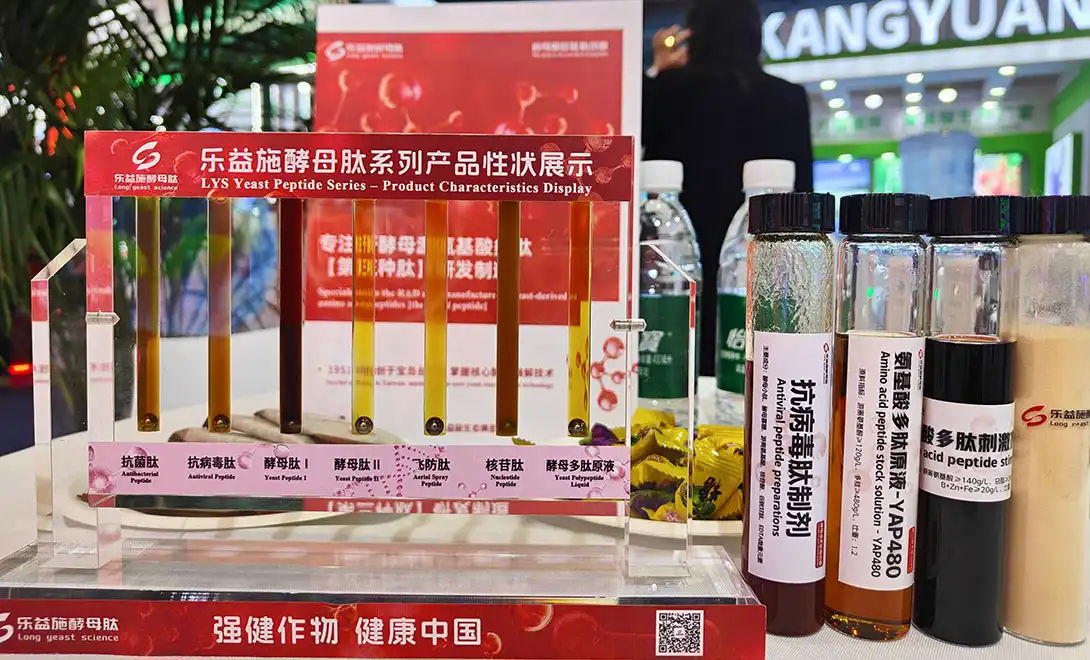
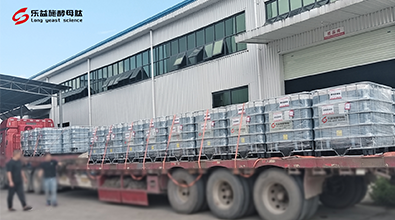
LYS provides cutting-edge peptide-based fertilizer raw materials through our main product, AAPS, which uses our own FSDT enzymatic hydrolysis technology that has been developed over 70 years of biological progress. Our top-of-the-line yeast-derived biostimulants ensure bioactive peptide amounts above 360g/L, along with full amino acid profiles and micronutrients that are chelated. LYS is your reliable source for yeast-derived biostimulants that help farms stay healthy. They can produce more than 10,000 metric tons of these biostimulants every year and have all the paperwork they need to show they follow all the rules. Email alice@aminoacidfertilizer.com to learn more about custom formulas, buying in bulk, and expert support services.
References
1. Smith, J.A., et al. "Enzymatic Hydrolysis of Yeast Proteins for Agricultural Biostimulant Production: Process Optimization and Bioactivity Assessment." Journal of Agricultural Biotechnology, 2023.
2. Rodriguez, M.C., and Thompson, K.L. "Comparative Analysis of Peptide-Based Fertilizers versus Conventional NPK Systems in Cereal Crop Production." International Journal of Sustainable Agriculture, 2023.
3. Chen, W.H., et al. "Molecular Mechanisms of Yeast-Derived Biostimulants in Plant Stress Tolerance: A Comprehensive Review." Plant Physiology and Biochemistry, 2023.
4. Anderson, P.R., et al. "Economic Analysis of Peptide-Enhanced Fertilizer Programs in Commercial Vegetable Production Systems." Agricultural Economics Review, 2023.
5. Kumar, S., and Patel, N.M. "Advances in Yeast Extract Processing for Agricultural Applications: From Laboratory to Industrial Scale." Biotechnology Progress, 2023.
6. Williams, D.E., et al. "Regulatory Frameworks and Market Trends for Biological Fertilizer Raw Materials in North American Agriculture." Journal of Agricultural Policy, 2023.

Tell us your needs — we’ll provide the right solution for your crops and markets.
Innovating Agriculture with Yeast-Derived Amino Acid Peptides