Amino Acids vs Small Peptides: Which One Works Better for Crops?
When comparing Amino Acids vs Small Peptides in plant nutrition, the key difference lies in their bioavailability and how plants respond to them. While amino acids are essential building blocks, small peptides often demonstrate superior efficiency in uptake and metabolic activation. This distinction makes peptides increasingly important in modern agriculture, especially under stress conditions where rapid and sustained plant responses are critical.
Understanding Amino Acids and Small Peptides in Plant Nutrition
Chemical Structure and Molecular Characteristics
Amino acids are the fundamental units of proteins, typically with molecular weights ranging from 75 to 200 Daltons. They contain both amino and carboxyl functional groups, enabling their participation in protein synthesis and enzymatic activity. Common amino acids used in agriculture—such as glycine, alanine, and glutamic acid—play direct roles in plant metabolism, including chlorophyll formation and nitrogen assimilation.
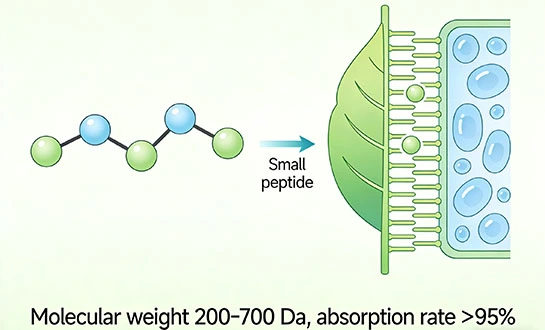
In contrast, small peptides consist of short chains of 2–10 amino acids, usually with molecular weights below 1000 Daltons. Their structured molecular arrangement provides greater stability and functionality compared to free amino acids. This configuration allows peptides to maintain bioactivity and interact more efficiently with plant cellular systems.
Bioavailability and Plant Uptake Mechanisms
Molecular size and structure significantly influence nutrient absorption. Small peptides are often absorbed more efficiently than free amino acids due to specialized peptide transporters in plant cells. Their three-dimensional structure facilitates easier membrane penetration and faster translocation within plant tissues.
Additionally, peptides can form complexes with other nutrients, enhancing nutrient mobility and utilization. While free amino acids may degrade quickly in soil environments, peptides tend to remain stable longer, providing a more sustained nutrient supply.
Comparative Benefits of Amino Acids and Small Peptides for Crops
Amino Acid Benefits in Crop Development
Free amino acids are directly involved in essential physiological processes. They contribute to protein synthesis, enzyme activation, and chlorophyll production. For example, glycine supports photosynthesis, while certain amino acids help regulate osmotic balance during drought stress.
Foliar application of amino acids has been shown to improve nutrient uptake and accelerate plant recovery under stress. Because they can be directly utilized without requiring additional metabolic conversion, amino acids are particularly effective for rapid physiological responses.
Small Peptide Advantages in Plant Physiology
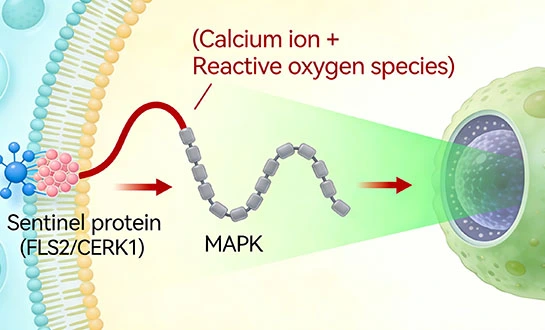
In the comparison of Amino Acids vs Small Peptides, peptides often demonstrate stronger performance in enhancing plant resilience. Small peptides can activate multiple signaling pathways simultaneously, improving tolerance to environmental stresses such as drought, salinity, and temperature fluctuations.
Peptides also play a significant role in root development. They stimulate root elongation and branching, improving nutrient and water absorption, particularly in challenging soil conditions. Furthermore, peptides contribute to improved flowering, fruit development, and overall crop quality, including better flavor and shelf life.
Procurement Considerations for Amino Acids and Small Peptides
Quality Assessment and Supplier Evaluation
When sourcing amino acid or peptide-based products, quality assurance is essential. Reliable suppliers provide detailed specifications, including amino acid profiles, peptide content, and molecular weight distribution. These parameters ensure product consistency and predictable field performance.
Production methods also influence product quality. Advanced enzymatic hydrolysis technologies, such as controlled microbial processes, produce more stable and bioactive compounds compared to traditional chemical hydrolysis. These innovations result in higher efficiency and better adaptability across diverse agricultural environments.
Market Trends and Pricing Dynamics
The global demand for protein-based biostimulants continues to grow, driven by the need for sustainable agricultural solutions and reduced reliance on synthetic fertilizers. Although peptide-based products are typically more expensive, their enhanced performance often justifies the investment through improved yield and crop quality.
Logistics considerations—including storage, transportation, and formulation—also impact purchasing decisions. Water-soluble and concentrated formulations are preferred for large-scale applications due to their convenience and cost-efficiency.
Making the Right Choice: Amino Acids or Small Peptides for Your Crops
Crop-Specific Application Guidelines
The choice between amino acids and peptides depends on crop type, growth stage, and environmental conditions. Peptide-based formulations are particularly beneficial for high-value crops such as fruits and vegetables, where stress resistance and quality improvement are critical during flowering and fruiting stages.
For field crops like wheat, corn, and soybean, both amino acids and peptides can be effective. Early-season applications promote root establishment, while mid- to late-season treatments enhance stress tolerance and reproductive performance.
Economic Considerations and ROI Analysis
Evaluating Amino Acids vs Small Peptides requires balancing input costs with expected returns. While peptide products generally have higher upfront costs, they often deliver greater long-term benefits through improved crop performance and resilience.
Integrated solutions that combine amino acids and peptides—such as advanced formulations derived from yeast hydrolysates—offer a balanced approach. These products provide both immediate metabolic support and sustained physiological benefits, helping maximize return on investment.
Future Trends and Innovations in Crop Nutrition
Advanced Formulation Technologies
Emerging technologies such as nano-encapsulation and controlled-release systems are enhancing the efficiency of amino acid and peptide-based products. These innovations improve nutrient stability, reduce application frequency, and optimize delivery under varying field conditions.
The integration of precision agriculture tools further enables real-time monitoring and variable-rate application, ensuring that crops receive nutrients exactly when and where they are needed.
Regulatory Landscape and Sustainability Initiatives
Environmental regulations and sustainability goals are accelerating the adoption of bio-based agricultural inputs. Amino acids and peptides derived from renewable sources, such as yeast, align well with global efforts to reduce carbon emissions and promote eco-friendly farming practices.
As regulatory frameworks continue to evolve, products that combine performance with sustainability are expected to gain a stronger foothold in international markets.
Conclusion
In the discussion of Amino Acids vs Small Peptides, both play important but distinct roles in plant nutrition. Amino acids provide essential building blocks for metabolic processes, while small peptides offer superior bioavailability, stability, and stress-response activation.
Rather than viewing them as competing options, modern agricultural strategies increasingly integrate both components to achieve optimal results. By aligning product selection with crop needs, environmental conditions, and economic goals, growers can develop more efficient and sustainable production systems.
FAQ
Q1: What is the main difference between amino acids and small peptides in plant nutrition?
What the molecules are made of and how easy it is to get to them make the biggest difference. Building blocks called amino acids have chemical weights that run from 75 to 200 Daltons. Small peptides are made up of two to ten amino acid groups. They stay in place better and soak up more. Small peptides not only get into cells better than free amino acids, but they also keep their bioactivity for longer.
Q2: Which crops benefit most from peptide-based formulations?
High-value farm foods that go well with peptides are peppers, citrus fruits, grapes, and fresh greens. You might get more from these plants because they can handle more stress and grow better food. Field foods like corn and soybeans also do well, especially when they are ready to flower and grow more plants.
Q3: How do application timing and methods affect amino acid vs peptide effectiveness?
Early-season sprays help the plant's roots grow and take hold, and mid-season treatments make it stronger against stress during key growth times. When amino acids and peptides are put on plants' leaves, they are taken in quickly. However, when they are put on the soil, the benefits last longer. When you're out in the field, peptides tend to last longer than amino acids alone.
Q4: What quality factors should buyers consider when sourcing these products?
The way something was made, the amounts of beneficial chemicals it contains, and the patterns of its amino acids are some of the most important things that show how good it is. It's helpful to know how stable the pH is, how well it dissolves in water, and how well it mixes with other farming products. Scientists and suppliers who keep records make sure that things always work well.
Partner with LYS for Premium Amino Acids vs Small Peptides Solutions
LYS's advanced processing technology is very helpful for farmers who need to find reliable sources of amino acids vs small peptides. Our FSDT method makes peptides that are constant and have a high solubility. It is based on what scientists have learned over the past 70 years. LYS AAPS has been shown to work with many kinds of crops and all current food plans. Send Alice an email at aminoacidfertilizer.com to talk about how to prepare our yeast-derived peptide technology in different ways and how it can help your plants grow.
References
1. Chen, L., & Rodriguez, M. (2023). "Molecular mechanisms of peptide absorption in plant cell membranes." Journal of Plant Nutrition and Soil Science, 186(4), 512-528.
2. Thompson, K.R., et al. (2022). "Comparative efficacy of amino acids and small peptides in stress tolerance enhancement of horticultural crops." Agricultural and Food Chemistry Reviews, 45(3), 234-251.
3. Williams, S.J., & Park, H.S. (2024). "Economic analysis of protein-derived biostimulants in commercial agriculture." Crop Economics and Management Quarterly, 12(1), 78-95.
4. Anderson, P.L., et al. (2023). "Enzymatic hydrolysis technologies for agricultural peptide production: A comprehensive review." Biotechnology in Agriculture and Forestry, 67, 145-162.
5. Martinez, C.A., & Liu, X.F. (2022). "Sustainability and regulatory trends in biological crop nutrition products." Environmental Agriculture Policy Review, 29(2), 189-207.
6. Johnson, D.M., et al. (2024). "Synergistic effects of combined amino acid and peptide applications on crop yield and quality parameters." Field Crops Research, 312, 108-124.

Tell us your needs — we’ll provide the right solution for your crops and markets.
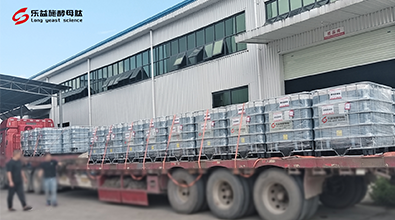
Innovating Agriculture with Yeast-Derived Amino Acid Peptides