Organic Plant Growth Promoters: Transforming Modern Farming
Modern agriculture is at a critical stage where productivity must be balanced with sustainability. An organic plant growth stimulant provides an innovative solution by offering natural alternatives to synthetic agrochemicals while maintaining commercial efficiency. Derived from biological sources, these stimulants interact effectively with plant physiology and soil ecosystems to support resilient agricultural systems. Unlike conventional fertilizers that primarily supply nutrients, organic plant growth stimulants enhance metabolic activity, improve nutrient utilization, and strengthen plant defense mechanisms, addressing key challenges such as soil degradation, regulatory pressure, and environmental sustainability.
Understanding Organic Plant Growth Promoters
Biological Mechanisms and Mode of Action
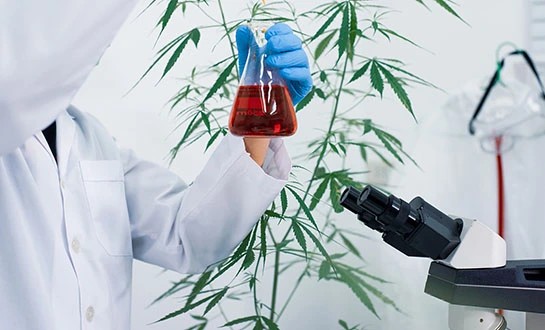
The effectiveness of an organic plant growth stimulant lies in its ability to mimic and enhance natural biological processes. These formulations typically contain bioactive compounds derived from sources such as seaweed extracts, protein hydrolysates, humic substances, and beneficial microorganisms. Through the activation of specific enzymatic pathways, these compounds regulate plant hormone activity, stimulate root development, and improve stress response systems.
At the physiological level, amino acid-based components provide essential building blocks for protein synthesis while supporting osmotic balance under stress conditions. Seaweed-derived compounds contribute natural growth regulators such as cytokinins and auxins, promoting cell division and root elongation. Meanwhile, humic and fulvic substances improve soil structure and enhance nutrient chelation, increasing the availability of essential elements to plant roots. These combined mechanisms result in improved nutrient use efficiency and more stable plant performance across varying environmental conditions.
Advantages Over Conventional Approaches
Compared to traditional agricultural inputs, an organic plant growth stimulant offers both agronomic and environmental benefits. These products contribute to increased microbial diversity in the soil, which supports long-term fertility and carbon sequestration. By reducing reliance on synthetic fertilizers, they help lower input costs over time while maintaining consistent crop yields.
Their biocompatibility minimizes the risk of phytotoxicity, making them suitable for sensitive crops and compatible with organic farming systems. In addition, advanced formulations developed through enzymatic hydrolysis preserve bioactive peptides and free amino acids, enabling rapid absorption and effective plant response. The integration of micronutrient chelation further enhances nutrient delivery, allowing these products to function as both biostimulants and complementary nutrient sources.
Key Application Areas and Usage Guidelines
High-Value Horticultural Applications
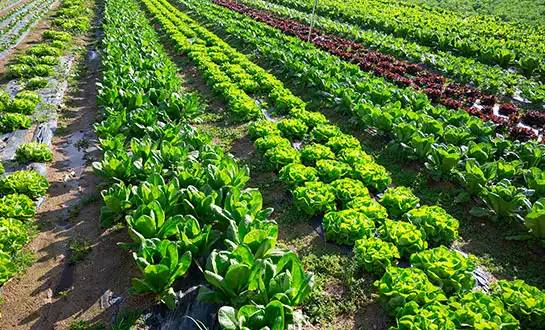
Organic plant growth stimulants are widely used in high-value horticultural production, where crop quality and consistency are critical. In greenhouse vegetable systems, applications during flowering and fruit development can improve fruit set, enhance sugar accumulation, and support uniform growth under stress conditions. In fruit crops and vineyards, targeted applications during key developmental stages contribute to improved coloration, quality, and overall market value.
Application methods vary depending on crop type and production system. Foliar application is commonly used to achieve rapid absorption, particularly when applied under optimal environmental conditions to minimize degradation. Soil application through irrigation systems allows for sustained nutrient release and improved root-zone activity. Seed treatments can also enhance germination rates and early seedling vigor, providing a strong foundation for crop establishment.
Field Crop Integration Strategies
For large-scale field crops, the use of an organic plant growth stimulant must balance cost efficiency with measurable agronomic benefits. Applications during critical growth stages, such as tillering and grain filling in cereals, have been associated with improved yield potential and enhanced stress tolerance. These benefits are particularly valuable under adverse environmental conditions, where maintaining photosynthetic activity is essential for preventing yield loss.
Compatibility with existing agricultural practices is an important consideration. High-quality formulations are designed to remain stable across a range of pH and temperature conditions, allowing them to be integrated into tank mixes with fertilizers and crop protection products. This flexibility supports efficient farm operations while ensuring comprehensive crop nutrition and protection strategies.
Comparing Organic Plant Growth Promoters
Quality Assessment Criteria
The performance of an organic plant growth stimulant depends on consistent composition and verified bioactivity. High-quality products provide detailed documentation, including concentrations of active ingredients, molecular weight distribution, and microbiological safety parameters. Analytical methods are used to confirm the presence of bioavailable amino acids and peptides, ensuring that formulations deliver measurable physiological benefits.
Production technology plays a critical role in determining product effectiveness. Enzymatic hydrolysis processes are preferred for preserving functional compounds and maintaining optimal molecular structures. Advanced techniques that control peptide size distribution contribute to improved absorption efficiency and stability under field conditions, ensuring consistent performance across different environments.
Cost-Benefit Considerations
Evaluating the economic value of an organic plant growth stimulant requires a comprehensive approach that considers both direct costs and agronomic outcomes. Concentrated formulations can provide higher efficiency per unit area, reducing transportation and storage costs while maintaining effectiveness. Improved nutrient utilization may allow for reduced application of conventional fertilizers, contributing to overall cost savings.
In addition, enhanced stress tolerance helps protect crop yields under unfavorable conditions, reducing the risk of economic losses. When yield improvements, quality enhancements, and input reductions are considered together, the long-term return on investment often justifies the adoption of high-quality biostimulant products.
Procurement Strategies for B2B Buyers
Supplier Evaluation Framework
Successful procurement of organic plant growth stimulants requires careful evaluation of supplier capabilities. Reliable manufacturers typically demonstrate strong technical expertise, consistent production capacity, and compliance with international quality standards. Certifications such as ISO and adherence to Good Manufacturing Practices provide additional assurance of product reliability.
Technical support is another key factor in supplier selection. Providers that offer application guidance, compatibility data, and field trial support contribute significantly to successful product implementation. The ability to customize formulations for specific crops or regional conditions can further enhance value for large-scale agricultural operations.
Quality Assurance and Documentation
Comprehensive documentation ensures product traceability and regulatory compliance throughout the supply chain. Certificates of analysis should detail physical properties, chemical composition, and safety parameters for each batch. Proper labeling, storage guidelines, and shelf-life data help maintain product integrity during transportation and use.
For international trade, additional documentation such as phytosanitary certificates and safety data sheets may be required. Experienced suppliers are typically well-equipped to manage these requirements, reducing the risk of delays and ensuring smooth market access.

Future Trends and Innovations in Organic Plant Growth Promoters
Technological Advancements and Digital Integration
The integration of precision agriculture technologies is expanding the potential of organic plant growth stimulants. Data-driven tools and sensor-based systems enable more accurate timing and dosage of applications based on real-time crop conditions. This approach improves efficiency, reduces input waste, and enhances overall farm management.
Emerging technologies such as controlled-release systems and advanced formulation techniques are further improving product stability and effectiveness. These innovations support more targeted delivery of bioactive compounds, extending their functional duration and reducing the frequency of application.
Market Growth and Regulatory Developments
Global demand for sustainable agricultural solutions continues to drive the expansion of the organic plant growth stimulant market. Regulatory frameworks increasingly encourage the adoption of environmentally friendly inputs, particularly in regions with advanced agricultural systems. This trend supports broader market acceptance and accelerates product innovation.
At the same time, industry consolidation and strategic partnerships are strengthening distribution networks and technical capabilities. These developments improve product accessibility while maintaining a focus on research and development, ensuring continued progress in biostimulant technologies.
Conclusion
Organic plant growth stimulants represent a significant advancement in sustainable agriculture by combining biological efficiency with environmental responsibility. Through improved nutrient utilization, enhanced stress tolerance, and compatibility with modern farming systems, these products address critical challenges in crop production. Careful product selection, appropriate application strategies, and reliable supplier partnerships are essential for maximizing their benefits. As technology and research continue to evolve, organic plant growth stimulants are expected to play an increasingly important role in shaping the future of agriculture.

FAQ
Q1: What timeframe should B2B buyers expect for yield improvements?
Visible plant reaction usually happens 7–14 days after treatment, and yield effects can be measured at harvest. Root development improvements appear within the initial week, followed by better nutrient uptake and stress tolerance. Commercial studies show that the best results happen when treatments start early in the growing season and keep going through the most important stages of growth.
Q2: How do organic growth promoters ensure compatibility with existing fertilizer programs?
Chemical stability is maintained by good formulas across a wide range of pH levels and temperature changes that are common in farming settings. Tank-mixing tests show that it works with all types of fertilizer and pesticide. Premium goods are 100% water-soluble, which makes sure that they mix evenly and stops any problems with precipitation or settling during storage and use.
Q3: What certifications should B2B buyers prioritize for international procurement?
The Organic Materials Review Institute (OMRI) listing makes sure that organic growing standards in North America are met. EU organic approval lets people from all over the European Union get into markets. Getting ISO 9001 quality management certification shows that your manufacturing is consistent and that you have quality control systems in place. Following GMP (Good Manufacturing Practices) adds to the safety of food crop uses.
Partner with LYS for Premium Organic Plant Growth Solutions
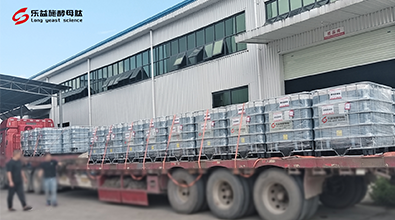
LYS offers cutting-edge organic plant growth stimulant products that are designed to meet the needs of modern farming. Our AAPS formula blends more than 70 years of experience with enzymatic hydrolysis with cutting-edge FSDT technology. This creates better bioactive chemicals that improve crop output and help reach sustainable goals. The high-quality yeast-derived peptide mixture has unbeatable benefits for bioavailability and stress resistance in a wide range of situations.
LYS is trusted by agricultural workers all over the world for its reliable supply, high-quality expert services, and full range of support services. Our 10,000 MT annual production capacity ensures stable procurement for large-scale operations, while custom formulation capabilities address specialized requirements. Contact alice@aminoacidfertilizer.com to explore partnership opportunities with a leading organic plant growth stimulant manufacturer.
References
1. Smith, J.A., et al. "Enzymatic Hydrolysis Technologies in Biostimulant Production: Advances in Peptide Bioavailability." Journal of Agricultural Biotechnology, Vol. 45, 2023, pp. 123-140.
2. Rodriguez, M.C., and Thompson, K.L. "Economic Analysis of Organic Plant Growth Promoters in Commercial Agriculture: Cost-Benefit Perspectives." Agricultural Economics Review, Vol. 38, 2023, pp. 67-89.
3. Chen, L., et al. "Molecular Weight Distribution Effects on Plant Uptake of Amino Acid-Based Biostimulants." Plant Physiology and Biochemistry, Vol. 189, 2023, pp. 445-458.
4. Williams, R.D., and Anderson, S.M. "Regulatory Frameworks for Biostimulants: Global Standards and Compliance Requirements." International Agricultural Regulation Quarterly, Vol. 12, 2023, pp. 234-251.
5. Kumar, P., et al. "Sustainability Metrics in Modern Agriculture: Environmental Impact Assessment of Organic Growth Promoters." Environmental Agriculture Science, Vol. 28, 2023, pp. 178-195.
6. European Biostimulants Industry Council. "Market Trends and Technological Innovations in Plant Biostimulants: 2023 Industry Report." Brussels: EBIC Publications, 2023, pp. 1-156.

Tell us your needs — we’ll provide the right solution for your crops and markets.
Innovating Agriculture with Yeast-Derived Amino Acid Peptides