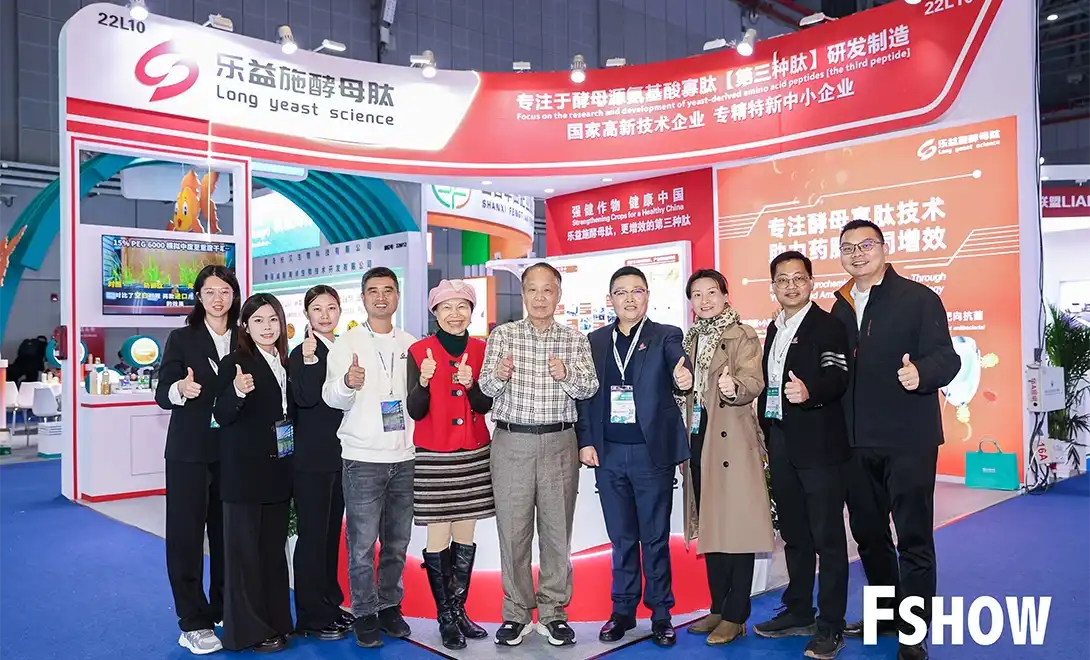
Biostimulants: What They Do & Why They Matter
Modern agriculture faces a dual challenge: increasing productivity while maintaining environmental sustainability. In this context, organic plant growth stimulant solutions have emerged as a new generation of tools that enhance plant performance without acting as conventional fertilizers. Rather than supplying nutrients directly, these natural formulations stimulate physiological and biochemical processes that improve nutrient uptake, root development, and stress resilience.
Biostimulants are increasingly integrated into farming systems to address ecological concerns while sustaining high yields. Advanced formulations—such as enzymatically hydrolyzed yeast extracts enriched with peptides and amino acids—demonstrate how biotechnology is reshaping crop management strategies.
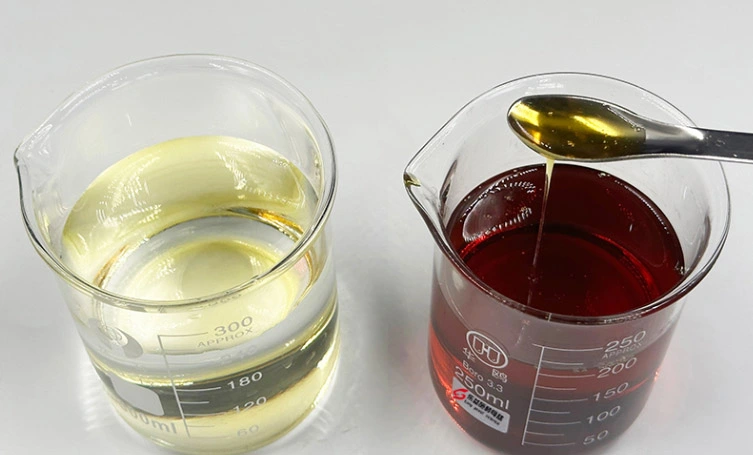
Understanding Organic Biostimulants and Their Mechanisms
Organic biostimulants differ fundamentally from traditional fertilizers and pesticides. Instead of directly feeding plants or controlling pests, they enhance plant efficiency and metabolic activity.
These products are typically derived from natural sources, including protein hydrolysates, humic substances, seaweed extracts, and beneficial microorganisms. As a result, they support plant growth indirectly by improving physiological processes and soil-plant interactions.
Bioactive Components and Plant Interactions
The effectiveness of an organic plant growth stimulant depends on the interaction between bioactive compounds and plant cellular systems. Low-molecular-weight peptides (generally <1000 Da) can rapidly penetrate plant tissues and activate enzymatic pathways that regulate growth hormone balance.
Free amino acids—particularly in L-isomer form—play dual roles as building blocks for protein synthesis and as signaling molecules. These compounds influence root architecture, shoot development, and overall plant vigor.
Metabolic Pathway Enhancement
Biostimulants enhance metabolic efficiency without altering the fundamental nutrient composition of the soil. Research indicates that treated plants often exhibit increased mitochondrial activity, leading to higher ATP production and improved energy availability for physiological processes.
Some advanced formulations include nucleotides, which support DNA repair and cellular regeneration under stress conditions. This contributes to faster recovery from environmental stressors such as drought, salinity, and temperature extremes.
Soil Microbiome Interaction
In addition to direct plant effects, biostimulants positively influence the soil microbiome. Certain formulations contain gluco-oligosaccharides that act as prebiotics, promoting beneficial microbial populations.
This enhanced microbial activity improves nutrient cycling, increases nutrient availability, and helps suppress soil-borne diseases, creating a more balanced and resilient rhizosphere.
Comparing Organic Biostimulants and Chemical Fertilizers
While chemical fertilizers primarily provide readily available nutrients (NPK), organic plant growth stimulant products focus on improving plant efficiency and resilience. This fundamental difference defines their complementary roles in modern agriculture.
Environmental Impact Assessment
Conventional fertilizers are often associated with environmental challenges such as nutrient runoff, soil salinization, and greenhouse gas emissions. In contrast, organic biostimulants are biodegradable and generally have a lower environmental footprint.
Studies suggest that integrating biostimulants into fertilization programs can reduce synthetic fertilizer requirements by 15–20% while maintaining comparable yield levels. This supports more sustainable nutrient management practices.
Application Timing and Persistence
Chemical fertilizers typically deliver rapid but short-term effects, which may lead to repeated application cycles. Biostimulants, on the other hand, act gradually by enhancing plant metabolism and soil health over time.
Their cumulative benefits become more evident with repeated applications, contributing to long-term improvements in crop performance and soil quality.
Economic Considerations for Procurement
Although biostimulants may have a higher initial unit cost, they often provide favorable returns on investment by improving nutrient use efficiency and reducing overall input requirements.
Bulk procurement strategies can further optimize costs while ensuring consistent product quality and supply reliability.
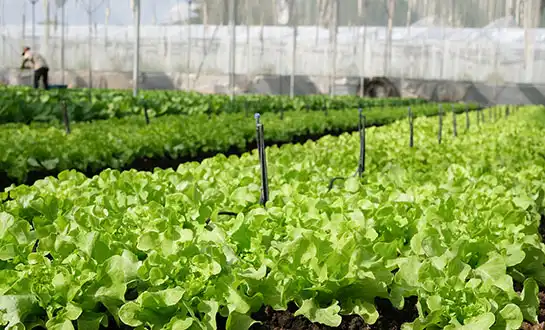
Choosing the Best Organic Plant Growth Stimulants for Different Crops
Selecting the right organic plant growth stimulant requires consideration of crop type, growth stage, and environmental conditions. Tailored product selection ensures optimal performance across diverse agricultural systems.
Vegetable and Horticultural Applications
In vegetable and horticultural production, biostimulants rich in amino acids and vitamins support chlorophyll synthesis, rapid vegetative growth, and improved crop uniformity.
Micronutrient-chelated formulations (e.g., iron, zinc, boron) help address common deficiencies. High-quality products with concentrated peptide and amino acid content enable rapid absorption and visible plant response.
Tree Fruit and Perennial Crop Management
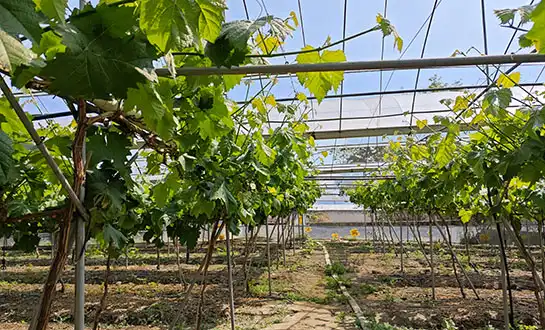
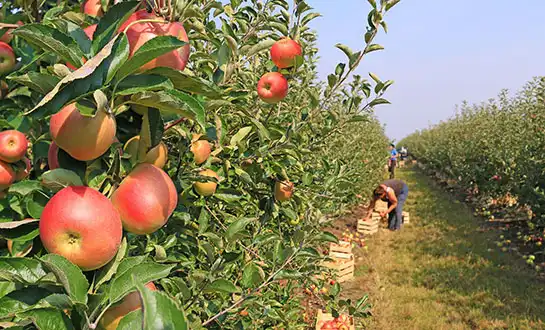
Perennial systems such as orchards and vineyards benefit from biostimulants that enhance long-term plant vitality and fruit quality. Seaweed-based and humic formulations are particularly effective in promoting root development and stress tolerance.
Advanced products containing nucleotides can further support plant defense mechanisms and accelerate tissue repair during critical phenological stages.
Field Crop Production Systems
For large-scale crops such as cereals and oilseeds, biostimulants contribute to improved stress resilience and yield stability. Compatibility with existing fertilization and crop protection programs is essential for efficient integration.
Formulations designed for field use should exhibit strong solubility, stability across temperature ranges, and ease of application.
Practical Application Tips for Optimal Use of Organic Biostimulants
Maximizing the benefits of an organic plant growth stimulant requires strategic application based on crop needs and environmental conditions.
Application Methods and Timing
Foliar application during early morning or late afternoon improves absorption and minimizes degradation from sunlight. Soil drenching is particularly effective during transplanting and early root development stages.
Seed treatment applications provide early-stage protection and promote uniform germination and seedling vigor.
Integration with Fertilization Programs
Biostimulants are most effective when integrated with conventional fertilization programs rather than used as replacements. By enhancing nutrient uptake efficiency, they may allow for reduced fertilizer inputs without compromising yield.
Compatibility with tank-mix applications ensures seamless integration into existing farm operations, reducing labor and operational complexity.
Performance Monitoring and ROI Validation
Evaluating biostimulant performance requires establishing baseline metrics, including yield, crop quality, and input costs. Monitoring indicators such as plant vigor, stress tolerance, and final productivity helps quantify effectiveness.
Data-driven assessment supports informed decisions on program continuation and scaling.
Procurement Guide: Buying Organic Plant Growth Stimulants
Effective procurement strategies focus on supplier reliability, product specifications, and regulatory compliance to ensure long-term success.
Supplier Evaluation Criteria
Reputable manufacturers implement strict quality control systems and standardized production processes. Companies with extensive industry experience and strong R&D capabilities are more likely to deliver consistent and innovative products.
Production capacity and supply chain stability are also key indicators when selecting suppliers.
Product Specification Analysis
High-quality organic plant growth stimulant products should provide clear specifications, including peptide content, amino acid profiles, and proven efficacy data.
Additional considerations include formulation stability, compatibility with conventional inputs, and suitability for different application methods. Chlorine-free formulations are preferred for sensitive applications such as seed treatment and foliar spraying.
Regulatory Compliance and Certification
Ensuring compliance with local agricultural regulations is essential when selecting biostimulant products. Third-party certifications enhance credibility and provide assurance of product quality and safety.
Documented efficacy data and safety assessments can facilitate regulatory approval and reduce operational risks.
Conclusion
Biostimulants represent a significant advancement in sustainable agriculture, offering innovative solutions that enhance crop performance while reducing environmental impact. By improving nutrient efficiency, strengthening stress tolerance, and supporting soil health, organic plant growth stimulant products play a critical role in modern crop management systems.
Ongoing advancements in extraction technologies and bioactive compound optimization continue to expand their potential applications. Strategic investment in high-quality biostimulant programs can deliver measurable agronomic and economic benefits across a wide range of crops and growing conditions.
FAQ
Q1: What distinguishes biostimulants from traditional fertilizers?
There is no direct food given to plants by biostimulants, but they do better when plants take in nutrients and how their bodies work. Plants get stronger and biological processes start up when they are used. On the other hand, fertilizers give plants the nutrition they need right away.
Q2: Can organic biostimulants replace synthetic fertilizers entirely?
Biostimulants are not meant to replace fertilizer programs; instead, they help them. So, you might need 15-20% less manmade sources to meet your growth goals if you use a fertilizer that works better. But they can't take the place of important nutrients.
Q3: How do biostimulants perform under stress conditions?
There are several ways that premium biostimulants help the body deal with stress better. For example, they protect cells from osmotic damage, turn on antioxidant enzymes, and speed up the repair of cells. Products with nucleotides and small-molecule peptides work best when there is a drought, a lot of salt in the water, or high temperatures.
Q4: What application methods work best for biostimulants?
When and how to use it depend on the type of food and its stage of growth. Sprays on the leaves help plants take in nutrients quickly, soil treatments help roots grow, and seed treatments keep seeds safe while they sprout. Putting chemicals and fertilizers together in tanks makes things run more easily.
Q5: How can procurement managers verify product quality?
There are many types of quality marks, such as bioactive chemical concentrations, water solubility specs, and temperature-stable data. The quality promise is backed up by third-party certificates, site checks, and records of field tests. There is more trust in service companies that have been around for a while and have a history.
Partner with LYS for Premium Organic Plant Growth Stimulant Solutions
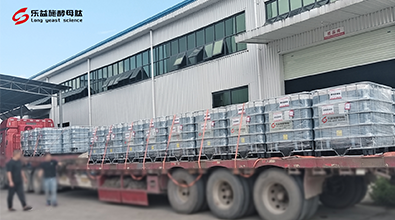
For new ideas to be brought to agriculture, sellers need to work with businesses that have both technical know-how and a track record of making things. For more than 70 years, LYS has used enzyme hydrolysis technology to make high-quality biostimulants that can be used in many types of farms. Our best-selling item, LYS AAPS, is made with our own FSDT technology, which creates highly digestible recipes with peptides and full vitamin profiles that have a molecular weight of 360g/L or less. For healthy agricultural projects, LYS is a reliable source of organic plant growth stimulants. They can make 10,000 MT of them each year and still keep the grade high. Connect with our agricultural specialists at alice@aminoacidfertilizer.com to explore customized solutions, request product samples, or discuss bulk procurement options.
References
1. Brown, K.M. & Johnson, A.R. (2023). "Mechanisms of Action in Organic Biostimulants: Molecular Pathways and Plant Response." Journal of Sustainable Agriculture, 45(3), 234-251.
2. Chen, L.H., Martinez, C.P., & Thompson, D.J. (2022). "Comparative Analysis of Biostimulant vs. Chemical Fertilizer Performance in Field Crop Production." Agricultural Systems Research, 38(7), 445-462.
3. Davis, S.E., Kumar, R.N., & Wilson, M.T. (2024). "Economic Impact Assessment of Biostimulant Integration in Commercial Agriculture." Agribusiness Economics Quarterly, 52(1), 78-94.
4. Lee, J.K., Patel, V.S., & Anderson, G.L. (2023). "Enzymatic Hydrolysis Technology in Biostimulant Manufacturing: Quality Parameters and Bioactivity." Industrial Biotechnology Review, 19(4), 156-173.
5. Roberts, H.A., Singh, P.K., & Miller, E.J. (2022). "Regulatory Framework and Certification Standards for Organic Biostimulants in Global Markets." International Agricultural Compliance Journal, 29(6), 301-318.
6. Taylor, N.C., Zhang, W.F., & O'Connor, B.M. (2024). "Stress Tolerance Enhancement Through Biostimulant Applications: Field Trial Results and Mechanisms." Crop Science International, 67(2), 189-205.

Tell us your needs — we’ll provide the right solution for your crops and markets.
Innovating Agriculture with Yeast-Derived Amino Acid Peptides