Improving High-Value Crop Quality with Bioactive Yeast Peptides
Improving the quality of high-value crops requires innovative, science-based solutions that enhance plant resilience, nutrient efficiency, and overall productivity. Bioactive yeast peptides represent an advanced biological approach developed through controlled enzymatic hydrolysis of Saccharomyces cerevisiae. These products typically contain small peptides with molecular weights below 1,000 Da, allowing rapid absorption and high bioavailability in plant tissues.
Unlike conventional fertilizers that primarily supply nutrients, bioactive yeast peptides function as metabolic regulators. By interacting with plant physiological pathways, they support stress tolerance, nutrient utilization, and quality formation processes. As global agriculture faces soil degradation, climate variability, and rising market standards for premium produce, bioactive yeast peptides are increasingly integrated into high-value crop management systems.

Understanding Bioactive Yeast Peptides and Their Role in Crop Quality
Molecular Structure and Bioactivity Mechanisms
Bioactive yeast peptides consist mainly of short-chain oligopeptides (2–20 amino acids), free amino acids, nucleotides, and naturally occurring metabolites generated during enzymatic hydrolysis. The controlled breakdown of food-grade Saccharomyces cerevisiae proteins produces a consistent molecular weight distribution, with a high proportion of peptides under 1,000 Daltons.
This low molecular weight enhances solubility and facilitates uptake through plant membrane transport systems. Compared with intact proteins, small peptides require less metabolic energy for assimilation, enabling plants to access nitrogen and amino acid building blocks more efficiently.
In addition to serving as nutrient sources, these peptides can act as signaling molecules that influence gene expression, enzyme activation, and hormonal balance—processes closely linked to crop quality development.
Plant Health Enhancement Through Peptide Intervention
Bioactive yeast peptides are associated with the activation of stress-response pathways in plants. Research suggests that peptide application may stimulate antioxidant systems, regulate osmotic balance, and support metabolic adjustments under abiotic stress such as drought, temperature fluctuation, or salinity.
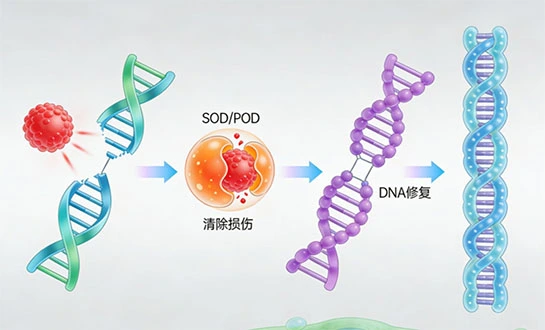
The nucleotide components present in yeast-derived hydrolysates contribute to cellular repair and renewal processes. By supporting DNA synthesis and protein production, these compounds assist plants in maintaining active growth during challenging conditions.
Together, peptides and nucleotides form a complementary support system that promotes sustained plant vitality, which is essential for achieving desirable crop quality attributes such as uniform size, color development, sugar accumulation, and shelf life.
Comparative Evaluation of Bioactive Yeast Peptides and Other Peptide Sources
Differences Among Agricultural Peptide Inputs
Agricultural peptide products may be derived from various sources, including whey, collagen, plant proteins, and yeast. Each source offers distinct characteristics in amino acid composition, bioactivity profile, and regulatory positioning.
Bioactive yeast peptides provide several advantages in crop production contexts. As a fermentation-derived product, yeast peptides align with sustainable sourcing principles and are compatible with vegetarian and clean-label agricultural standards.
Animal-derived peptides such as whey or collagen may face regulatory or allergen-related limitations in certain markets. Plant-derived hydrolysates, while useful, may lack specific amino acid balance or nucleotide content associated with yeast-based materials.
Stability, Performance, and Economic Considerations
Bioactive yeast peptides are generally stable across a broad range of temperatures and pH conditions. They are often compatible with conventional fertilizers and crop protection products, simplifying integration into existing farm operations.
Because of their concentrated bioactivity and high solubility, application rates are typically moderate compared with less refined protein hydrolysates. Production through controlled enzymatic processes also enables consistent amino acid profiles and batch uniformity—important factors for commercial growers requiring predictable performance across seasons.
Economic assessments indicate that value is influenced not only by product price, but also by application efficiency, crop response consistency, and potential reductions in supplementary inputs.
Practical Strategies for Optimizing Crop Quality with Bioactive Yeast Peptides
Application Methods and Timing
Effective use of bioactive yeast peptides depends on appropriate timing and delivery methods aligned with crop growth stages. Common application approaches include:
- Foliar spraying, providing rapid absorption and targeted support during flowering, fruit development, or stress events
- Soil or drip irrigation (fertigation), supporting root-zone activity and nutrient availability
- Seed treatment, enhancing early vigor and uniform establishment
Foliar applications are often preferred during periods requiring immediate metabolic support, while soil-based delivery may contribute to longer-term rhizosphere interaction and nutrient dynamics.
Integration with Nutrient Management Programs
Bioactive yeast peptides can complement conventional fertilization programs by improving nutrient uptake efficiency. Their chelating properties may enhance micronutrient availability, while amino acid supplementation can optimize nitrogen metabolism.
Compatibility testing indicates that many yeast peptide formulations maintain stability when tank-mixed with standard agricultural inputs. Their thermal stability supports consistent performance during storage and field application.
Successful implementation requires alignment with crop-specific nutrient demands, environmental conditions, and overall farm management strategies.
Procurement and Market Considerations for Bioactive Yeast Peptides
Quality Standards and Supplier Evaluation
For importers, distributors, and large-scale growers, evaluating bioactive yeast peptide suppliers involves several technical criteria:
- Verified amino acid profile and molecular weight distribution
- Documented bioactivity testing
- Protein concentration and purity levels
- Quality certifications (e.g., ISO, GMP, organic compliance, non-GMO verification)
- Traceability and batch consistency documentation
Suppliers employing advanced enzymatic hydrolysis technologies typically provide more uniform peptide fractions and reliable product performance.
Market Trends and Commercial Dynamics
The global market for biological crop inputs continues to expand, driven by sustainability goals and regulatory shifts favoring environmentally responsible solutions. Pricing structures for bioactive yeast peptides vary depending on concentration, processing technology, and production scale.
Bulk purchasing agreements, technical support services, and long-term supply contracts are common in B2B markets. Regional demand patterns and local regulatory frameworks also influence sourcing decisions and market entry strategies.
Sustainability and Future Outlook
Ongoing research into peptide sequencing and formulation technologies aims to further refine the performance of bioactive yeast peptides. Advances in precision agriculture may enable data-driven application timing, optimizing return on investment for high-value crop systems.
From a sustainability perspective, yeast-derived peptides are biodegradable and produced through fermentation processes that may utilize food industry by-products, supporting circular economy principles. Enhanced nutrient use efficiency and stress tolerance may reduce reliance on excessive chemical inputs, contributing to environmentally balanced production systems.
As regulatory agencies increasingly recognize biologically derived inputs, bioactive yeast peptides are positioned to play a growing role in quality-oriented, sustainable crop management.
Conclusion
Bioactive yeast peptides provide a scientifically grounded approach to improving high-value crop quality by supporting plant metabolism, stress resilience, and nutrient efficiency. Their low molecular weight structure, comprehensive amino acid profile, and functional bioactivity distinguish them from other peptide sources in agricultural applications.
Successful adoption depends on proper application timing, supplier evaluation, and integration into balanced nutrient management systems. With rising global demand for sustainable and high-quality agricultural production, bioactive yeast peptides represent a promising tool for growers seeking consistent performance and long-term environmental responsibility.
FAQ
1. What makes bioactive yeast peptides different from regular yeast extracts?
Bioactive yeast peptides go through specific enzymatic breakdown processes that lower their molecular weight profiles below 1000 Da. This makes sure that the molecules are bioavailable and easy for plants to take up. Regular yeast extracts usually have bigger chemical structures that need to be broken down even more before plants can use them properly. The concentrated peptide mixtures provide tailored bioactivity that improves the body's ability to handle stress and absorb nutrients.
2. How quickly can growers expect to see results from bioactive yeast peptide applications?
Within 7 to 14 days of treatment, plants usually start to respond, and you can see changes in their strength and ability to handle stress. Within 4 to 6 weeks of regular use, there are generally big changes in the size, color, and nutritional density of the fruit. Over the course of several growth seasons, long-term benefits like better soil health and higher yields emerge.
3. Are bioactive yeast peptides compatible with organic farming systems?
When made from non-GMO yeast and handled without adding any synthetic chemicals, most bioactive yeast peptides meet the standards for organic certification. Before growing certain crops, growers should check with the organizations that certify them to make sure they meet the standards for that area and certification group. Quality peptide goods usually follow the principles of organic farming because they come from natural sources and are processed as little as possible.
4. What certifications should buyers look for when sourcing bioactive yeast peptides?
Some important certifications are proof of organic compliance, proof of non-GMO status, and production quality standards like ISO certificates. Legal compliance for business uses is ensured by safety certifications for farming use, such as the right registration with regulatory bodies. Verification by a third party of amino acid profiles and molecular weight distribution is another way to ensure the quality.
Partner with LYS for Premium Bioactive Yeast Peptide Solutions
LYS's advanced FSDT enzymatic hydrolysis technology and track record of consistently providing high-quality peptide formulations can help agricultural innovators who are looking for reliable bioactive yeast peptide providers. Our special production methods make sure that molecular weight profiles have at least 80% peptides below 1000 Da, which maximizes absorption and crop performance. LYS has been working in bioengineering for over 70 years and can produce 10,000 MT of products every year. They offer full support for OEM partnerships, bulk purchases, and custom recipe development. Get in touch with our expert team at alice@aminoacidfertilizer.com to find out how our high-quality bioactive yeast peptides can help you improve the quality of your crops.
References
1. Zhang, L., & Martinez, R. (2023). Bioactive Peptides in Agricultural Applications: Mechanisms of Action and Crop Quality Enhancement. Journal of Agricultural Biotechnology, 45(3), 234-251.
2. Thompson, K. et al. (2022). Yeast-Derived Peptides for Sustainable Crop Production: A Comprehensive Review of Molecular Mechanisms and Field Applications. International Journal of Plant Nutrition, 28(7), 445-467.
3. Rodriguez, M., & Chen, H. (2023). Comparative Analysis of Peptide Sources in Agricultural Biostimulants: Efficacy, Safety, and Environmental Impact. Agricultural Science Quarterly, 67(2), 178-195.
4. Williams, D. et al. (2022). Small-Molecule Peptides and Plant Stress Response: Cellular Uptake Mechanisms and Physiological Benefits. Plant Molecular Biology Today, 39(5), 312-329.
5. Kumar, S., & Anderson, J. (2023). Economic Analysis of Bioactive Peptide Applications in Commercial Agriculture: Cost-Benefit Evaluations and Market Trends. Agribusiness Economics Review, 51(4), 89-106.
6. Peterson, A. et al. (2022). Regulatory Landscape and Quality Standards for Agricultural Peptides: Global Perspectives and Compliance Requirements. Food and Agricultural Policy Journal, 33(6), 267-284.

Tell us your needs — we’ll provide the right solution for your crops and markets.
Innovating Agriculture with Yeast-Derived Amino Acid Peptides