How Organic Peptide Fertilizer Enhances Ornamental Plant Growth
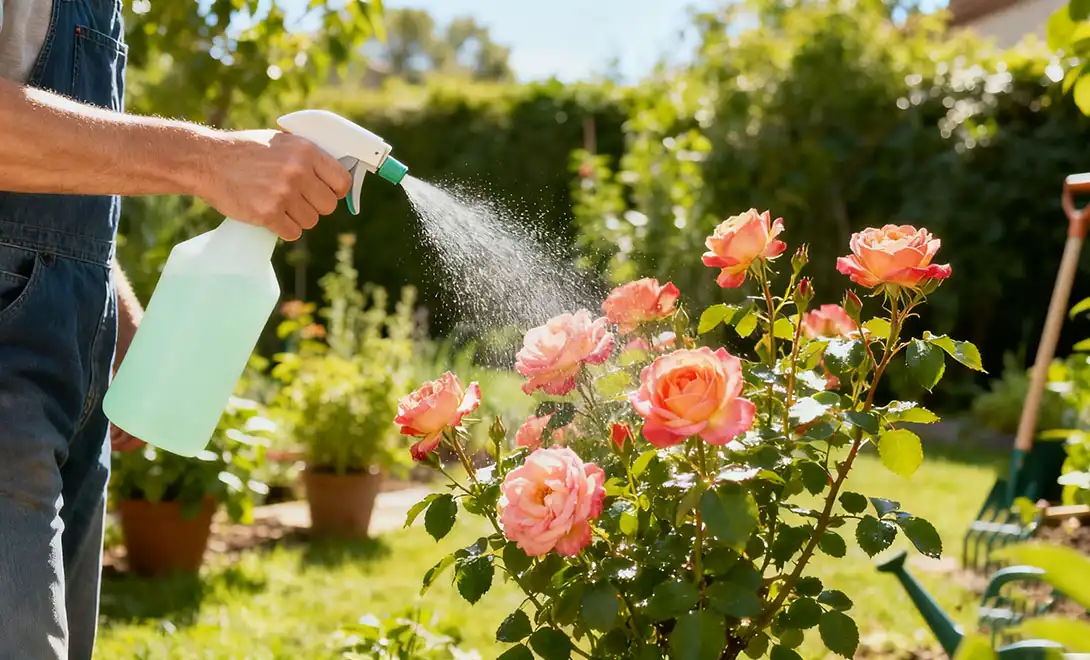
Organic peptide fertilizers transform the plant nutrition process by delivering nutrients in a highly bioavailable form. Their short-chain peptides are easily absorbed and efficiently utilized, resulting in notable improvements in plant vigor and development.
1. Rapid Nutrient Uptake and Utilization
Due to their small molecular size, peptides can quickly enter plant tissues. This rapid absorption results in faster growth responses, such as enhanced leaf expansion and shoot development. Consequently, plants become stronger and more vigorous.
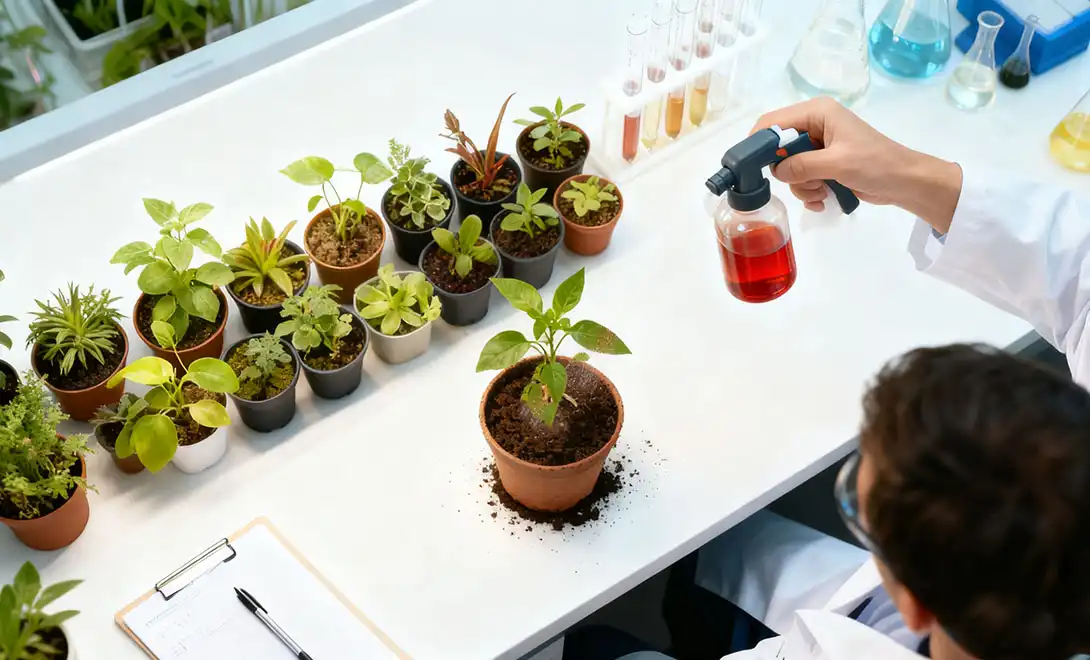
Ornamental plants treated with organic peptide fertilizers typically show quicker visual improvements compared with those receiving conventional nutrient sources.
2. Enhanced Root Development
As vital building blocks for cell division, peptides promote robust root growth. This in turn leads to better water and nutrient absorption, improved anchorage, and greater tolerance to drought and nutrient stress. Ultimately, these healthy roots support the development of stronger and more attractive ornamental plants.
3. Improved Chlorophyll Synthesis
Certain amino acids in organic peptide fertilizers act as precursors for chlorophyll synthesis. As a result, treated plants often exhibit richer green foliage, improved photosynthetic efficiency, and enhanced overall vitality. These improvements not only enhance their appearance but also contribute to long-term plant health.
4. Balanced Nutrient Delivery
Most organic peptide fertilizers contain a complete range of macro- and micronutrients. This balanced nutrient profile helps prevent deficiencies or excesses commonly associated with single-element synthetic fertilizers, ensuring steady, healthy plant development.
Eco-Friendly Benefits for Horticultural Production
The adoption of organic peptide fertilizers aligns with the global shift toward sustainable horticultural practices. Their environmental benefits make them highly attractive to growers and consumers seeking greener production methods.
1. Reduced Environmental Impact
Organic peptide fertilizers are made from natural sources with minimal processing, resulting in:
- Lower energy consumption
- Reduced carbon emissions
- Minimal chemical residues
Their natural biodegradability helps prevent soil and water pollution commonly associated with synthetic fertilizers.
2. Improved Soil Health and Biodiversity
As peptide fertilizers break down, they nourish beneficial soil microorganisms. This, in turn, enhances soil structure, nutrient cycling, water retention, and resistance to soil-borne diseases. Ultimately, a healthier soil ecosystem translates into stronger and more resilient plants.
3. Reduced Nutrient Leaching
Due to efficient nutrient uptake, fewer nutrients remain unused in the soil, thereby significantly reducing the risk of environmental impacts such as groundwater contamination, surface water runoff, and nutrient imbalances. Consequently, lower nutrient waste leads to more sustainable and environmentally responsible horticultural production.
4. Contribution to the Circular Economy
Many organic peptide fertilizers are produced from by-products of food processing or fermentation industries. This upcycling supports:
- Reduced agricultural waste
- Efficient resource utilization
- More sustainable supply chains
This circular approach demonstrates how horticulture can support broader environmental goals.

Effects on Flowering and Stress Resistance
Beyond basic nutrition, organic peptide fertilizers provide significant benefits in flowering performance and plant resilience—key factors in successful ornamental plant production.
1. Promoting Vigorous Flowering
Peptides supply essential components for flower initiation and development. This often leads to earlier flowering, increased flower quantity, larger and more vivid blooms, and an extended flowering duration. As a result, these enhancements greatly improve the market appeal of ornamental plants.
2. Enhancing Stress Tolerance
Organic peptide fertilizers help strengthen plants’ natural defense mechanisms through:
- Osmotic regulation, improving drought or salinity tolerance
- Antioxidant synthesis, reducing oxidative stress
- Improved nutrient efficiency, enhancing resilience to poor soil conditions
Plants become better equipped to handle environmental challenges such as heat, drought, and salinity.
3. Supporting Disease Resistance
While not pesticides, peptide fertilizers indirectly improve disease resistance by supporting plant vigor. Some peptides also stimulate plant immune-related compounds, helping reduce susceptibility to certain pathogens.
4. Aiding Recovery from Transplant Shock
Transplanting often stresses ornamental plants. Organic peptide fertilizers help accelerate recovery by:
- Promoting rapid root regrowth
- Enhancing nutrient uptake
- Reducing post-transplant stress symptoms
This is particularly valuable for nurseries and landscape operations where rapid establishment is essential.
Conclusion
Organic peptide fertilizers represent a major advancement in sustainable horticulture. By enhancing plant growth, supporting environmentally friendly production, promoting superior flowering, and improving stress resilience, these fertilizers provide a comprehensive solution to modern cultivation challenges. As the horticulture industry increasingly prioritizes efficiency and sustainability, organic peptide fertilizers are positioned to play a crucial role in shaping its future.
For horticulturists, agrochemical companies, and distributors seeking performance-driven and eco-conscious solutions, incorporating high-quality organic peptide fertilizers is a strategic move. With decades of expertise in yeast-based bio-nutrient innovation, LYS ECO offers advanced peptide fertilizer formulations featuring nucleotide enrichment and high concentrations of small-molecule peptides. These specialized products support superior crop performance, better resilience, and improved aesthetic quality.
Choosing LYS ECO means investing in a sustainable, high-performance future for horticulture.
FAQs
Q1: How do organic peptide fertilizers differ from traditional synthetic fertilizers?
A: Organic peptide fertilizers are derived from natural protein sources and contain readily absorbable amino acids and short-chain peptides. Unlike synthetic fertilizers, they work in harmony with soil ecosystems, promote long-term soil health, and offer more efficient nutrient uptake by plants. They also have a lower environmental impact and contribute to sustainable agricultural practices.
Q2: Can organic peptide fertilizers be used on all types of ornamental plants?
A: Yes, organic peptide fertilizers are generally safe and beneficial for a wide range of ornamental plants. However, it's always best to consult with a horticultural expert or the manufacturer for specific application recommendations, as different plant species may have varying nutritional needs.
Q3: How quickly can I expect to see results after applying organic peptide fertilizers to my ornamental plants?
A: The effects of organic peptide fertilizers can often be observed within a few weeks of application. You may notice improved leaf color, accelerated growth, and enhanced flowering. However, the exact timeframe can vary depending on factors such as plant type, growing conditions, and the specific formulation of the fertilizer used.
Organic Peptide Fertilizer: Revolutionizing Sustainable Horticulture | LYS
Are you ready to take your horticultural practices to the next level with innovative, eco-friendly solutions? LYS ECO's organic peptide fertilizers offer the perfect blend of sustainability and performance for your ornamental plant production. Our cutting-edge formulations, backed by over 70 years of expertise, are designed to meet the unique needs of modern horticulturists, agrochemical manufacturers, and agricultural distributors.
Don't miss out on the opportunity to enhance your crop quality, boost yields, and contribute to a more sustainable future. Contact us today at alice@aminoacidfertilizer.com to learn more about our organic peptide fertilizer products and how they can transform your horticultural operations. Let LYS ECO be your partner in cultivating success and sustainability in the world of ornamental plant production.
Further Reading
1. Organic peptide fertilizers are also suitable for large-scale economic trees, such as promoting the growth and yield of oil palm trees. See "Organic Peptide Fertilizer for Palm Oil Tree Growth and Yield".
2. The key to achieving optimal results lies in mastering the correct application timing and methods. For guidance, please refer to "When and How to Apply Organic Peptide Fertilizers on Crops".
References
1. Smith, J.A. (2022). "Advances in Organic Peptide Fertilizers for Sustainable Horticulture." Journal of Plant Nutrition, 45(3), 456-470.
2. Garcia, M.L., et al. (2021). "Impact of Peptide-Based Fertilizers on Ornamental Plant Growth and Stress Tolerance." HortScience, 56(8), 912-920.
3. Brown, K.R. (2023). "Sustainable Nutrient Management in Ornamental Horticulture: The Role of Organic Peptide Fertilizers." Advances in Agronomy, 178, 215-240.
4. Chen, Y., et al. (2022). "Enhancing Soil Health and Plant Productivity Through Peptide Fertilizer Application." Soil Biology and Biochemistry, 167, 108562.
5. Thompson, L.M. (2021). "Comparative Analysis of Traditional and Peptide-Based Fertilizers in Ornamental Plant Production." International Journal of Horticultural Science and Technology, 8(4), 389-402.
6. Rodriguez, A.B. (2023). "Eco-friendly Fertilization Strategies for Modern Horticulture: A Review." Sustainability, 15(7), 5678.