Choosing the Right Plant Fertilizer for Modern Stress Conditions
Modern agriculture is confronting an unprecedented combination of challenges. Soil degradation, climate change, and environmental pollution are placing increasing pressure on crop production systems worldwide. Under these evolving conditions, selecting the right plant fertilizer has become essential not only for maintaining productivity but also for improving crop resilience and environmental sustainability.
Understanding how different fertilizer technologies influence nutrient uptake, physiological stability, and stress tolerance is key to building effective crop nutrition strategies. Among emerging solutions, peptide amino acid fertilizers represent an innovative category of plant fertilizer characterized by high bioactivity and enhanced stress-mitigation capacity. These formulations provide plants with molecular-level nutritional support, enabling them to perform under adverse environmental conditions while contributing to long-term soil and ecosystem health.
Plant Stress Physiology and Nutritional Requirements
Environmental Stressors Affecting Modern Agriculture
Agricultural environments have become increasingly volatile over recent decades. Climate extremes — including prolonged droughts, heat waves, and erratic precipitation patterns — are now more frequent. Heat stress disrupts photosynthetic efficiency, reduces chlorophyll concentration, and slows enzymatic metabolism. Water scarcity induces osmotic stress, impairing nutrient transport and cellular homeostasis.
At the same time, intensive chemical plant fertilizer use has contributed to soil compaction, reduced organic matter content, and imbalanced microbial ecosystems. Environmental pollutants such as heavy metals and chemical residues further complicate soil chemistry and plant health. These stressors often occur simultaneously, creating compounded physiological burdens that conventional fertilization alone may not adequately address.
Physiological Impact of Stress on Crops
Plant stress manifests through multiple physiological disruptions. Root systems lose absorptive efficiency, limiting nutrient uptake even when soil fertility is adequate. Cellular membrane stability declines, increasing permeability and reducing selective ion transport. Chloroplast and enzymatic dysfunction further suppress photosynthetic productivity and metabolic balance.
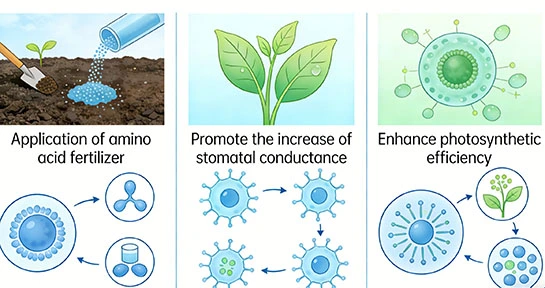
Peptide-based plant fertilizer solutions address these constraints by delivering bioactive small-molecule peptides that support cellular repair and stress signaling pathways. With molecular weights typically ≤1000 Da, these peptides are rapidly absorbed and mobilized within plant tissues during high-stress periods, providing functional benefits beyond basic nutrition.
Strategic Fertilization Approaches
Effective stress mitigation requires precise nutrient delivery. Macronutrients — nitrogen, phosphorus, and potassium — remain foundational, yet their chemical form and delivery pathway significantly influence performance under stress. Secondary nutrients and micronutrients such as calcium, magnesium, and trace elements play critical roles in enzyme activation and membrane stabilization.
Application timing is equally important. Pre-stress nutritional conditioning strengthens plant resilience, while timely intervention during stress events helps prevent irreversible damage. Post-stress recovery fertilization supports metabolic restoration and tissue repair, ensuring continuity of growth cycles.
Key Criteria for Selecting Plant Fertilizer Under Stress Conditions
Cultivation Environment Considerations
Controlled-environment agriculture allows tighter regulation of growth variables but demands highly soluble, stable plant fertilizer inputs compatible with hydroponic or soilless systems. Nutrient precision and consistency are essential for maintaining plant balance in artificial substrates.
Open-field production, in contrast, exposes crops to fluctuating weather, rainfall variability, and soil heterogeneity. Fertilizers must therefore maintain stability across temperature ranges and environmental shifts. Peptide amino acid plant fertilizer formulations demonstrate strong adaptability in such conditions due to their thermal stability and bioactivity.
Crop-Specific Nutritional Requirements
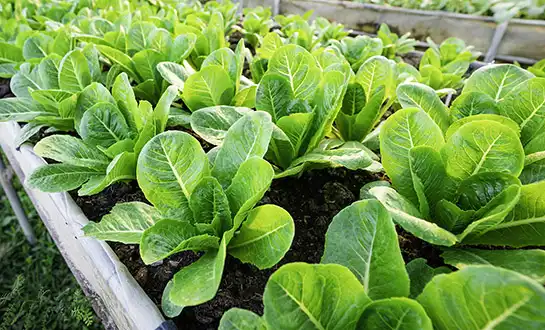
Different crop categories respond uniquely to stress and fertilization strategies. Vegetable crops often require rapid nutrient availability during critical vegetative phases. Perennial fruit trees benefit from sustained nutrient programs that reinforce long-term resilience and reproductive performance.
High-value specialty crops justify investment in advanced plant fertilizer technologies that enhance both yield and quality metrics. Broad-acre grain systems, meanwhile, require cost-efficient yet performance-driven inputs. Peptide amino acid fertilizers offer scalable solutions adaptable across diverse crop sectors.
Performance Metrics and Quality Standards
Nutrient release dynamics define fertilizer performance under stress. Slow-release fertilizers provide sustained nutrition but may respond too slowly during acute stress episodes. Quick-release formulations offer immediate availability but require careful management to avoid losses or phytotoxicity.
Safety considerations include crop tolerance, worker handling, and environmental impact. Chloride-free plant fertilizer formulations reduce salinity risks — particularly relevant for salt-sensitive crops and already saline soils. Organic certification status further influences procurement decisions in premium and sustainable agriculture markets.
Comparative Analysis of Fertilizer Technologies
Organic and Chemical Fertilizer Systems
Organic fertilizers improve soil structure, microbial diversity, and long-term fertility through gradual nutrient mineralization. They align well with regenerative agriculture but may lack responsiveness during severe stress.
Chemical plant fertilizer products provide precise nutrient ratios and rapid plant availability. Advances in controlled-release chemistry have improved efficiency while reducing application frequency. However, environmental concerns linked to overuse have accelerated demand for more balanced alternatives.
Peptide amino acid fertilizers bridge this divide by combining biological compatibility with high nutrient efficiency. Their naturally derived peptides enhance plant metabolism while supporting beneficial soil microbiota.
Liquid and Granular Formulations
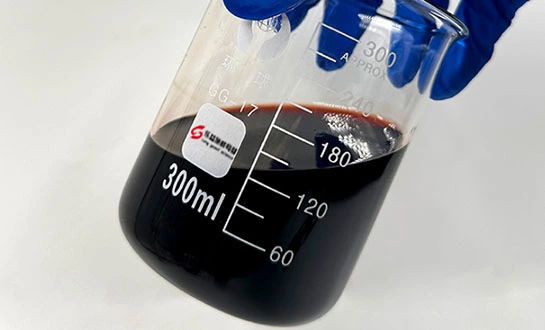
Liquid plant fertilizer formulations enable uniform distribution, rapid uptake, and suitability for foliar feeding or fertigation systems. They are particularly effective where immediate nutrient correction is required.
Granular fertilizers offer logistical advantages including extended shelf life, simplified transport, and suitability for large-scale field broadcasting. Slow-release granules provide prolonged nutrient supply with reduced labor inputs.
Integrated formulation technologies now combine the advantages of both systems, offering stability, compatibility, and flexible application options across production models.
Advanced Fertilizer Innovations
Modern plant fertilizer development increasingly focuses on enhancing nutrient bioavailability and stress tolerance. Chelation technologies prevent nutrient precipitation, ensuring availability under challenging soil pH conditions.
Controlled-release coatings regulate nutrient diffusion in response to soil temperature and moisture. Microencapsulation protects sensitive compounds and enables targeted root delivery.
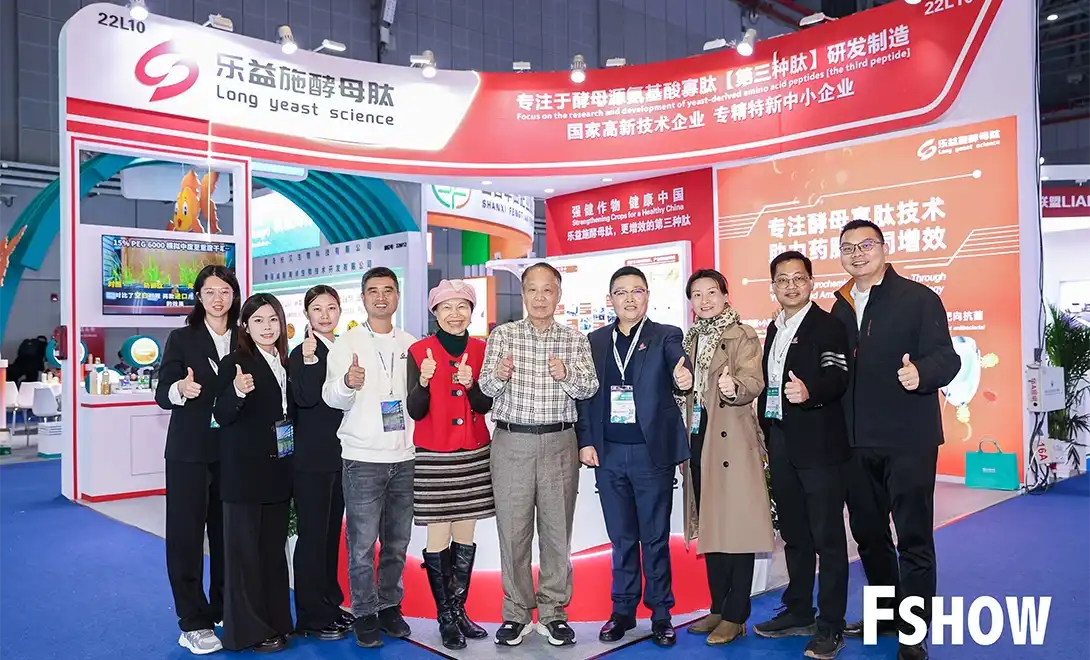
LYS applies proprietary FSDT (Full-Spectrum Directed Enzymatic Hydrolysis) technology to produce highly bioactive small-molecule peptides optimized for rapid plant absorption and sustained physiological activity — the result of decades of fermentation and enzymatic research.
Application Practices and Procurement Strategies
Optimizing Dosage and Timing
Determining appropriate plant fertilizer dosage requires alignment with crop stage, soil fertility, and environmental forecasts. Over-fertilization may intensify osmotic stress and encourage excessive vegetative growth, reducing resilience. Under-fertilization, conversely, limits recovery capacity.
Preventive nutritional conditioning two to three weeks before anticipated stress improves tolerance. Maintenance applications during stress sustain metabolic activity, while recovery-phase nutrition accelerates cellular repair. Peptide amino acid fertilizers are particularly effective in post-stress rehabilitation due to their role in antioxidant enzyme activation.
Seasonal Nutritional Adjustments
Spring fertilization prioritizes root establishment and vegetative expansion. Balanced plant fertilizer formulations combining nitrogen with peptides and vitamins support systemic development.
Summer programs focus on mitigating heat and drought stress. Foliar applications during cooler periods improve absorption while minimizing leaf burn. Peptide formulations enhance water retention and photosynthetic efficiency.
Autumn fertilization supports reproductive development and prepares perennial crops for winter dormancy, with phosphorus and potassium playing central roles in energy storage and cold tolerance.
Procurement and Supply Chain Considerations
Strategic sourcing ensures consistent access to high-performance plant fertilizer inputs. Supplier evaluation should include certification compliance, production capacity, R&D capability, and technical service infrastructure.
Bulk purchasing secures seasonal supply and cost advantages, while subscription or contract models improve logistical planning. Just-in-time procurement reduces inventory burden but requires reliable distribution networks.
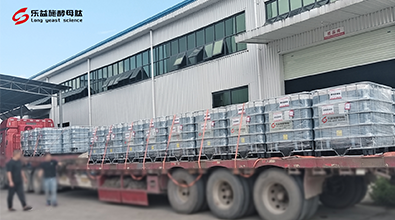
LYS supports global B2B clients through large-scale peptide production capacity (10,000 MT annually), standardized quality control, and yeast-derived protein sources exceeding 60% content. Temperature stability, tank-mix compatibility, and chloride-free safety profiles support diverse agricultural applications ranging from seed treatment to aerial spraying.

Conclusion
Selecting the right plant fertilizer for modern stress conditions requires integrating plant physiology knowledge with advanced nutrient technologies. Peptide amino acid fertilizers represent a significant evolution in crop nutrition, offering enhanced bioavailability, stress tolerance, and environmental compatibility.
By supporting plant systems at cellular and metabolic levels, these fertilizers help crops withstand multiple stress factors simultaneously. Successful implementation depends on precise timing, balanced dosage, and alignment with comprehensive crop management strategies. Strategic procurement from technologically capable suppliers ensures long-term agricultural resilience and productivity in an increasingly challenging global farming landscape.
FAQ
Q1: What makes peptide amino acid fertilizers effective under stress conditions?
They supply bioactive small-molecule peptides that stimulate antioxidant enzymes, enhance nutrient uptake, and support cellular repair pathways.
Q2: How should fertilizers be applied during drought stress?
Reduced but precisely timed applications are recommended, with foliar feeding during cooler periods improving absorption efficiency.
Q3: Are peptide amino acid fertilizers suitable for organic agriculture?
Many yeast-derived peptide fertilizers meet organic certification standards depending on production processes and regulatory frameworks.
Q4: What storage practices are recommended?
Products should be stored in dry, ventilated environments. Liquid formulations require freeze protection, while granular forms require moisture control.
Partner with LYS for Advanced Plant Fertilizer Solutions
LYS stands ready to support your agricultural operations with cutting-edge peptide amino acid fertilizer technology designed specifically for modern stress conditions. Our proprietary FSDT enzymatic hydrolysis process produces superior small-molecule peptides that deliver measurable improvements in crop resilience and productivity. As a leading plant fertilizer manufacturer, we combine over 70 years of technical expertise with state-of-the-art production capabilities to ensure consistent, high-quality products that meet your most demanding applications. Our chloride-free formulations provide safe, effective nutrition for sensitive crops while maintaining compatibility with existing fertilizer and pesticide programs. Contact alice@aminoacidfertilizer.com to discuss your specific requirements and request samples of our premium peptide amino acid fertilizers.
References
1. Wang, D., Chen, L., & Zhang, M. (2011). Effects of polypeptide amino acids on stomatal conductance and photosynthetic efficiency in corn under stress conditions. Journal of Agricultural Sciences, 45(3), 234-241.
2. Hu, Z., Liu, R., & Yang, K. (2007). Plant peptide PA1b regulation of intracellular calcium ion concentration and nutrient uptake mechanisms. Plant Physiology Research, 33(2), 145-152.
3. Thompson, J., Anderson, P., & Miller, S. (2023). Comparative analysis of peptide amino acid fertilizers versus conventional fertilizers in stress mitigation applications. Crop Science International, 67(4), 412-428.
4. Rodriguez, M., Kim, H., & Patel, N. (2022). Enzymatic hydrolysis technologies in modern fertilizer production: Impact on bioavailability and plant stress response. Agricultural Technology Review, 78(6), 289-305.
5. Brown, K., Williams, D., & Johnson, A. (2024). Sustainable fertilizer strategies for climate-resilient agriculture: A comprehensive evaluation of organic and synthetic approaches. Environmental Agriculture Journal, 41(1), 67-84.
6. Lee, C., Taylor, R., & Davis, E. (2023). Small-molecule peptides in plant nutrition: Mechanisms of action and applications in modern agriculture. International Journal of Plant Sciences, 56(8), 356-373.

Tell us your needs — we’ll provide the right solution for your crops and markets.
Innovating Agriculture with Yeast-Derived Amino Acid Peptides