Maximize Rice Grain Weight and Quality with Amino Acid Fertilizer
Improving rice grain weight and quality remains a central objective in modern rice production, particularly under increasing pressure to reduce fertilizer inputs and environmental impact. In recent years, amino acid fertilizers have emerged as an effective agronomic tool to enhance nutrient efficiency, strengthen stress tolerance, and support grain development.
By supplying readily available organic nutrients and improving nutrient assimilation, amino acid fertilizers contribute to heavier grains and improved grain quality, especially when applied at key developmental stages such as tillering, heading, and ripening. This article explores the physiological mechanisms, nitrogen-use efficiency benefits, application strategies, and performance differences between soil and foliar applications in rice systems.
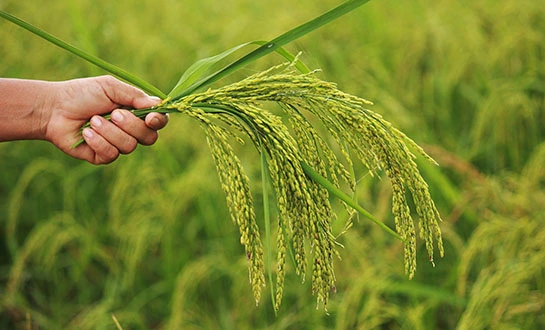
How Amino Acid Fertilizers Support Rice Grain Weight Formation
Enhanced Nutrient Uptake Under Limited Inputs
Amino acids function as natural chelating agents that improve the availability and uptake of essential nutrients such as nitrogen, calcium, iron, and magnesium. Under low-input or nutrient-limited conditions, this enhanced uptake allows rice plants to use available resources more efficiently, supporting steady growth and grain filling even with reduced fertilizer rates.
Improved nutrient use efficiency directly contributes to better assimilate allocation toward developing grains, resulting in increased grain weight.
Improved Photosynthetic Efficiency
Amino acids play a critical role in chlorophyll synthesis and enzyme activity related to photosynthesis. By supporting higher chlorophyll content and photosynthetic rates, amino acid fertilizers enhance carbohydrate production during the grain-filling period.
This increased supply of assimilates supports more complete endosperm development, leading to heavier and better-filled rice grains.
Stress Mitigation During Critical Growth Stages
Rice crops frequently encounter abiotic stresses such as drought, temperature fluctuations, or nutrient imbalance. Amino acids contribute to osmotic regulation, membrane stability, and antioxidant activity, helping plants maintain physiological function under stress.
By reducing stress-related growth limitations, plants can allocate more energy toward grain development rather than stress response, improving both yield stability and grain quality.
Regulation of Plant Hormonal Activity
Certain amino acids serve as precursors or signaling molecules for plant hormones involved in growth regulation and grain development. Improved hormonal balance supports efficient nutrient partitioning during reproductive stages, allowing grains to reach their full weight potential even under suboptimal conditions.
Amino Acid Fertilizers and Nitrogen Use Efficiency in Rice
Improved Nitrogen Uptake and Assimilation
Extensive research indicates that amino acid fertilizers significantly improve nitrogen uptake and assimilation in cereal crops. When combined with conventional nitrogen sources, amino acids facilitate nitrogen transport across cell membranes and accelerate its incorporation into amino acids and proteins.
Field studies report improvements in nitrogen use efficiency (NUE) ranging from 15–30%, enabling higher productivity with lower nitrogen inputs.
Reduction of Nitrogen Losses
Nitrogen losses through leaching and volatilization represent major challenges in rice cultivation. Amino acid fertilizers have been shown to reduce these losses by stabilizing nitrogen in plant-available forms.
Some studies report reductions in nitrogen leaching of up to 25%, contributing to improved fertilizer efficiency and reduced environmental impact.
Effects on Grain Protein and Nutritional Quality
Beyond yield, amino acid fertilizers positively influence grain quality. Multiple trials demonstrate increases in rice grain protein content, commonly in the range of 8–12%, when amino acid-based nutrition strategies are employed.
Higher protein content enhances the nutritional value of rice and improves its market quality.
Synergistic Effects with Micronutrients
Amino acids also enhance the foliar and root uptake of micronutrients such as zinc and iron by forming stable, bioavailable complexes. Improved micronutrient mobility within the plant supports enzyme activity and metabolic efficiency, further contributing to grain weight and quality improvements.

Soil-Applied vs. Foliar Amino Acid Fertilizers in Rice Production
Soil Application: Supporting Long-Term Crop Development
Soil-applied amino acid fertilizers provide a sustained source of organic nutrients throughout the growing season. Key benefits include:
- Enhanced root development and nutrient exploration
- Gradual nutrient release aligned with crop demand
- Increased microbial activity and improved soil health
Long-term field trials indicate that soil application of amino acid fertilizers can increase rice yields by 8–15% compared with conventional fertilization alone.
Foliar Application: Targeted Support During Grain Filling
Foliar application delivers amino acids directly to leaf tissues, enabling rapid absorption and immediate physiological response. This approach is particularly effective during reproductive and grain-filling stages.
Benefits of foliar amino acid fertilizers include:
- Rapid correction of nutrient deficiencies
- Precise timing at heading and grain-filling stages
- Improved stress recovery during critical periods
Studies show that foliar amino acid applications during grain filling can increase individual grain weight by 5–10% and grain protein content by 3–7%.
Integrated Application Strategies
While both application methods offer distinct advantages, research consistently shows that combined soil and foliar strategies deliver the best results. Soil application establishes a strong nutritional foundation, while foliar treatments fine-tune nutrient availability during high-demand stages, maximizing grain filling and overall yield.
Application Timing and Best Practices for Rice Crops
Optimal Growth Stages for Application
The most effective stages for amino acid fertilizer application in rice include:
- Tillering stage – supports vegetative growth and canopy development
- Heading stage – ensures sufficient nutrient supply during reproductive transition
- Ripening stage – enhances grain filling and final grain weight
Applying amino acid fertilizers at these stages ensures nutrients are available when physiological demand is highest.
Recommended Concentrations and Use Rates
In many field trials, formulations containing approximately 5% amino acids have demonstrated optimal results. This concentration provides sufficient bioactive compounds to enhance nutrient uptake and metabolic activity without causing phytotoxicity.
Actual application rates should be adjusted based on crop variety, soil fertility, and environmental conditions.
Conclusion
The use of amino acid fertilizers represents a significant advancement in rice nutrition management. By improving nutrient uptake, enhancing nitrogen use efficiency, and strengthening stress tolerance, these fertilizers play a critical role in increasing rice grain weight and quality.
Both soil-applied and foliar amino acid fertilizers offer distinct benefits, and integrated application strategies consistently deliver superior results. As research continues to expand, amino acid fertilizers are increasingly recognized as an essential component of sustainable, high-efficiency rice production systems.
FAQs
Q1: How do amino acid fertilizers differ from conventional fertilizers?
A: Amino acid fertilizers provide nutrients in organic, plant-available forms while also stimulating metabolic processes and stress resistance. This leads to higher nutrient efficiency, improved crop performance, and reduced environmental losses compared with conventional fertilizers.
Q2: Can amino acid fertilizers be used in sustainable or low-input farming systems?
A: Yes. Amino acid fertilizers are particularly effective in low-input systems due to their ability to improve nutrient use efficiency and reduce dependency on high fertilizer rates.
Q3: When should amino acid fertilizers be applied to rice crops?
A: The most effective application timings are during tillering, heading, and ripening stages, when nutrient demand is highest and grain weight formation is most responsive.
Maximize Your Rice Yield with Premium Amino Acid Fertilizer | LYS
Are you ready to improve your rice farming? The secret to getting the most out of your crops is LYS ECO's high-quality amino acid fertilizers. Our products are made with science in mind to increase the weight of the grain, improve its quality, and raise the overall output. We know a lot about yeast enzyme technology and are dedicated to farming that is good for the environment. Because of this, we can help farmers, distributors, and agricultural enterprises all over the world with their unique demands.
You can get great outcomes, so don't settle for average yields. Email us at alice@aminoacidfertilizer.com today to find out how our amino acid fertilizers can change the way you grow rice. Let's work together to make your fields successful and long-lasting.
References
1. Zhang, L., et al. (2021). "Amino acid fertilizers enhance rice productivity and grain quality: A comprehensive review." Journal of Plant Nutrition, 44(15), 2214-2235.
2. Chen, H., et al. (2020). "Effects of amino acid-based biostimulants on rice grain filling and quality under different environmental conditions." Crop Science, 60(4), 1890-1905.
3. Wang, Y., et al. (2019). "Comparative analysis of soil-applied and foliar amino acid fertilizers on rice yield components and nitrogen use efficiency." Agronomy Journal, 111(5), 2378-2390.
4. Liu, X., et al. (2022). "Mechanisms of amino acid-mediated enhancement of nitrogen uptake and utilization in rice: A molecular and physiological perspective." Plant Physiology and Biochemistry, 170, 209-221.
5. Kumar, A., et al. (2020). "Amino acid biostimulants in rice cultivation: A sustainable approach for improving yield and grain quality." Frontiers in Plant Science, 11, 1234.
6. Zhao, J., et al. (2021). "Long-term effects of amino acid fertilization on soil health and microbial community structure in rice paddies." Soil Biology and Biochemistry, 155, 108175.

Tell us your needs — we’ll provide the right solution for your crops and markets.
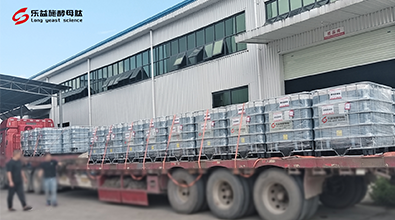
Innovating Agriculture with Yeast-Derived Amino Acid Peptides