How do amino acid foliar fertilizers improve nutrient uptake in crops
Modern agriculture increasingly relies on precision nutrition strategies to improve nutrient efficiency, crop resilience, and yield stability. Among these approaches, amino acid foliar fertilizer technology has gained attention as a complementary method to conventional soil fertilization. By delivering bioactive compounds directly through plant leaves, foliar applications help overcome many of the physical and chemical limitations associated with soil-based nutrient uptake.
This article examines how amino acid foliar fertilizers function, the scientific mechanisms behind improved nutrient absorption, best application practices, and key considerations for professional procurement in B2B agricultural systems.
Understanding Amino Acid Foliar Fertilizers in Crop Nutrition
What Is an Amino Acid Foliar Fertilizer?
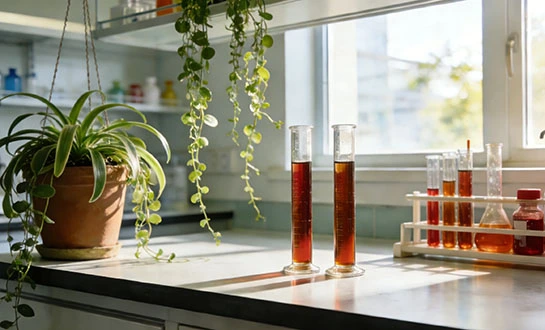
An amino acid foliar fertilizer is a specialized plant nutrition product applied directly to leaf surfaces rather than to soil. These formulations typically contain free L-amino acids, low-molecular-weight peptides, and chelated macro- and micronutrients designed for rapid foliar absorption.
Unlike traditional fertilizers that depend on root uptake and soil nutrient mobility, foliar fertilizers utilize the plant’s natural leaf absorption pathways to deliver nutrients directly to metabolically active tissues. This targeted delivery is particularly valuable during periods of rapid growth, environmental stress, or reduced root efficiency.
Key Components and Functional Roles
Most amino acid foliar fertilizer formulations are built around three functional components:
- Free amino acids, which act as building blocks for proteins and metabolic intermediates
- Small peptides, which enhance membrane permeability and nutrient transport
- Chelated micronutrients such as iron, zinc, manganese, and boron, stabilized using chelation agents to maintain solubility across varying pH conditions
The interaction between these components improves nutrient bioavailability and supports efficient metabolic utilization within plant tissues.
Mechanisms of Foliar Absorption and Nutrient TransportHow Nutrients Enter Through the Leaf Surface
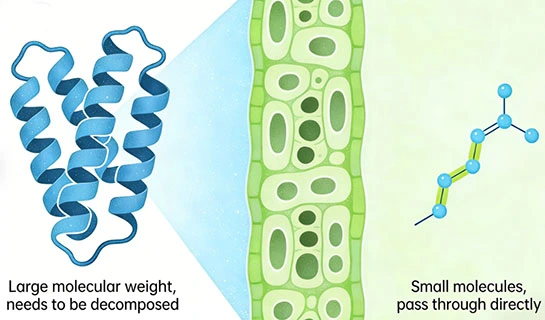
Leaves are protected by a waxy cuticle that normally limits nutrient penetration. Amino acids, however, can temporarily modify cuticle permeability and facilitate the movement of nutrients through microscopic pores and transport channels.
Once absorbed, amino acids and associated nutrients enter the leaf mesophyll and vascular system, allowing rapid translocation throughout the plant. Research has shown that foliar-applied amino acids can be redistributed efficiently to growing tissues, flowers, and developing fruits.
Advantages Under Stress Conditions
Foliar nutrition becomes especially important when root function is compromised by factors such as drought, salinity, low soil temperatures, or nutrient fixation. In these situations, amino acid foliar fertilizer applications provide a direct nutritional pathway that bypasses soil-related constraints and supports continued physiological activity.
Scientific Basis for Improved Nutrient Uptake
Overcoming Soil-Related Nutrient Limitations
Soil-applied nutrients often face losses due to leaching, microbial competition, pH imbalance, or fixation by clay minerals. Micronutrients such as iron and zinc, for example, readily precipitate in alkaline soils, reducing their availability to plant roots.
By applying nutrients directly to leaves, amino acid foliar fertilizers avoid these limitations. This results in higher nutrient use efficiency and reduced environmental losses compared to conventional fertilization methods.
Chelation and Metabolic Facilitation
Amino acids naturally exhibit chelating properties, forming stable complexes with metal ions. These complexes protect micronutrients from oxidation or precipitation while maintaining biological activity.
Beyond chelation, amino acids play an active role in plant metabolism. They contribute to enzyme synthesis, hormone production, and stress-response pathways. When supplied exogenously through foliar application, amino acids can stimulate metabolic processes that enhance both nutrient uptake and utilization.
Enhanced Mobility and Bioavailability
Studies indicate that amino acid-chelated nutrients are more mobile within plant tissues than inorganic forms. Their organic structure allows easier movement through vascular systems, ensuring nutrients reach areas of highest demand.
This enhanced transport efficiency contributes to improved crop responses, including better growth uniformity, stronger stress tolerance, and optimized nutrient balance.
Application Strategies for Effective Use in AgriculturevTiming and Dosage Considerations
Optimal application rates for amino acid foliar fertilizer vary by crop, growth stage, and environmental conditions. In general, application rates between 0.5 and 2.0 liters per hectare are commonly used, with higher rates applied during periods of increased nutrient demand or stress.
Early morning or late evening applications are recommended, as cooler temperatures and higher humidity improve foliar absorption and reduce evaporation or leaf scorch risk.
Spray Techniques and Equipment Selection
Uniform coverage is essential for effective foliar nutrition. Properly calibrated spraying equipment producing droplet sizes in the 200–300 micron range ensures adequate leaf contact while minimizing drift.
Maintaining moderate spray pressure helps achieve penetration without damaging leaf surfaces. Regular equipment calibration and maintenance are critical for consistent performance across large-scale operations.
Crop-Specific Application Approaches
Different crops respond differently to foliar nutrition strategies:
- Horticultural crops (vegetables, citrus, grapes) often benefit from multiple applications throughout the growing season
- Field crops (corn, wheat, soybeans) respond best when applications coincide with flowering or grain-filling stages
- Tree crops require consideration of canopy density, often favoring multiple low-concentration applications for effective coverage
Adapting application programs to crop physiology improves overall effectiveness.

Procurement Considerations for B2B Buyers
Evaluating Product Quality and Supplier Reliability
For agricultural distributors and large-scale growers, selecting a reliable amino acid foliar fertilizer supplier is essential. Key evaluation criteria include:
- Verified amino acid and peptide content
- Consistent batch quality supported by analytical documentation
- Compliance with recognized quality management standards
Technical support capability is equally important, as crop-specific guidance and application optimization contribute significantly to field performance.
Manufacturing Standards and Formulation Stability
Advanced production methods, such as enzymatic hydrolysis, allow precise control over peptide molecular weight and amino acid composition. Products containing low-molecular-weight peptides (≤1000 Da) generally demonstrate higher bioavailability and plant response.
Stability, solubility, and compatibility with other fertilizers or agrochemicals are critical for integration into existing spray programs.
Safety and Compatibility Requirements
Modern amino acid foliar fertilizers are designed to be fully water-soluble, temperature-stable, and compatible with most tank-mix partners. Chloride-free formulations reduce salt stress and are suitable for sensitive growth stages, including seedlings and aerial applications.
Conclusion
Amino acid foliar fertilizer technology represents an effective and scientifically supported approach to improving nutrient uptake in crops. By delivering bioactive compounds directly through plant leaves, these formulations bypass soil-related limitations, enhance micronutrient bioavailability, and support plant metabolism under both optimal and stress conditions.
Successful implementation depends on appropriate application timing, precise spray techniques, and crop-specific strategies. For B2B agricultural buyers, selecting high-quality products from technically capable suppliers ensures consistent performance and long-term value in modern crop nutrition programs.
FAQ
Q1: When is the best time to apply an amino acid foliar fertilizer?
The most effective timing is during active growth periods, particularly in early morning or late evening when humidity is higher and temperatures are lower.
Q2: Can amino acid foliar fertilizers be mixed with pesticides?
Most high-quality formulations are compatible with common agrochemicals. Compatibility tests are recommended before large-scale application.
Q3: Are amino acid foliar fertilizers safe for sensitive crops?
When applied according to recommended rates, premium chloride-free formulations are generally safe for sensitive crops and early growth stages.
Partner with LYS for Premium Amino Acid Foliar Fertilizer Solutions
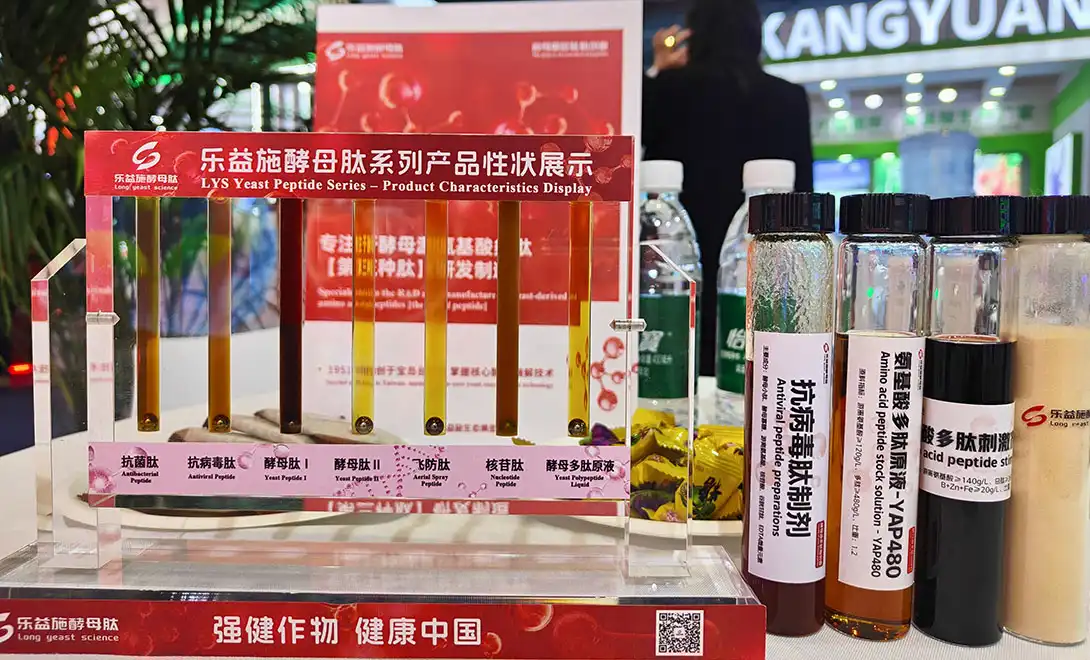
Discover how LYS AAPS can transform your agricultural operations through advanced amino acid foliar fertilizer technology. Our premium biostimulant, featuring exclusive enzymatic hydrolysis and patented FSDT technology, delivers unmatched bioavailability and crop performance. With annual production capacity exceeding 10,000 MT and proven stability across diverse conditions, LYS serves as your reliable amino acid foliar fertilizer manufacturer. Contact alice@aminoacidfertilizer.com to explore partnership opportunities, request technical specifications, and discover competitive pricing for your procurement needs.
References
1. Chen, H., & Wang, L. (2019). Amino acid-based foliar fertilizers: Mechanisms of nutrient uptake and plant response. Journal of Plant Nutrition, 42(8), 892-908.
2. Rodriguez, M., et al. (2020). Comparative analysis of foliar fertilizer absorption pathways in horticultural crops. Agricultural Sciences Research, 15(3), 234-251.
3. Thompson, K., & Smith, J. (2018). Chelated micronutrient bioavailability in amino acid foliar formulations. Crop Science and Technology, 28(4), 445-462.
4. Williams, D., et al. (2021). Economic benefits of amino acid foliar fertilization in commercial agriculture. Agricultural Economics Review, 33(2), 178-195.
5. Zhang, Y., & Anderson, R. (2020). Environmental sustainability of foliar nutrition systems in modern agriculture. Sustainable Agriculture Journal, 12(6), 301-318.
6. Brown, A., et al. (2019). Peptide-enhanced nutrient transport mechanisms in plant foliar tissues. Plant Physiology and Biochemistry, 45(7), 523-540.

Tell us your needs — we’ll provide the right solution for your crops and markets.
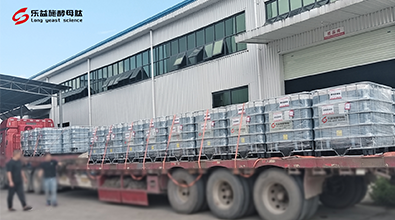
Innovating Agriculture with Yeast-Derived Amino Acid Peptides