Don't Be Fooled by Total Volume: 5 True Metrics of Amino Acid Fertilizer Quality
When evaluating amino acid fertilizers, total amino acid content alone does not provide a complete or reliable measure of product quality. While high concentrations may appear attractive, experienced agronomists and growers understand that true performance depends on several underlying factors that determine how effectively plants can absorb, utilize, and benefit from these inputs.
To make informed decisions and maximize agronomic returns, amino acid fertilizers should be assessed using multiple scientific and practical criteria rather than volume alone. This article outlines five essential quality metrics that distinguish high-performance amino acid fertilizers from standard products and explains why these indicators matter for crop health, resilience, and productivity.
Amino Acid Profile and Composition
Balanced Amino Acid Distribution
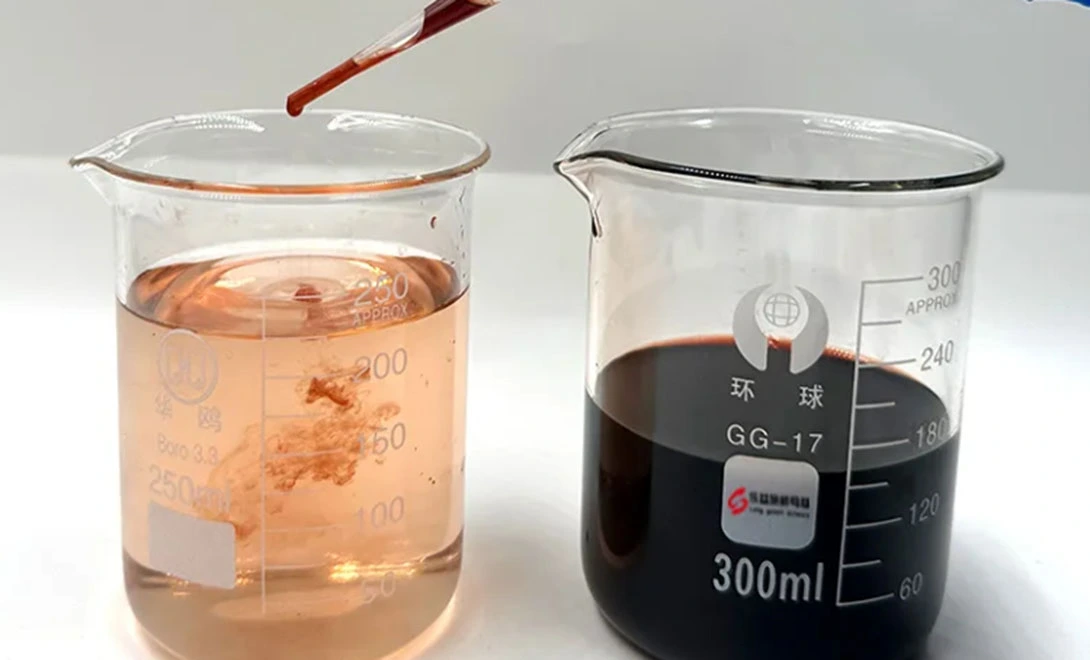
The effectiveness of amino acid fertilizers depends heavily on the type, ratio, and diversity of amino acids they contain. Different amino acids play distinct roles in plant physiology, including protein synthesis, enzyme activation, stress response, and metabolic regulation.
Products that focus excessively on a limited number of amino acids may fail to support broader physiological needs. High-quality amino acid fertilizers provide a balanced spectrum that aligns with plant nutritional requirements across different growth stages.
Crop- and Stage-Specific Relevance
Certain amino acid combinations can be particularly beneficial at specific growth stages or under stress conditions. For example, branched-chain amino acids such as leucine, isoleucine, and valine may support energy metabolism and stress adaptation when supplied in appropriate ratios.
Evaluating the amino acid profile ensures that crops receive functional nutrition rather than redundant or ineffective components.
Analytical Verification Methods
A high-tech method called High-Performance Liquid Chromatography (HPLC) is used by makers to find out exactly what amino acids are in a product. With this new method, it is possible to correctly name and test each amino acid. This makes sure that the fertilizer does what it's supposed to do and works as well as it's supposed to.
Bioavailability and Water Solubility: Ensuring Efficient Nutrient Uptake
Importance of Complete Solubility
Water solubility is a key determinant of nutrient delivery efficiency. High-quality amino acid fertilizers dissolve completely in water, allowing uniform distribution through irrigation systems or foliar sprays without precipitation or clogging.
Complete solubility ensures that nutrients remain available for plant uptake and minimizes application losses.
Enhanced Nutrient Absorption Efficiency
Bioavailability refers to how easily nutrients can be absorbed and metabolized by plants. Amino acid fertilizers with high bioavailability allow faster uptake through roots or leaves, reducing the total amount of fertilizer required to achieve desired results.
Improved absorption efficiency benefits both crop performance and environmental sustainability by reducing nutrient waste and runoff.
Origin and Source of Raw Materials
Common Source Categories
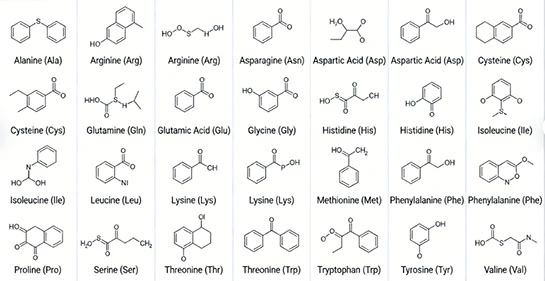
Amino acid fertilizers can be derived from various raw materials, including:
- Animal-based sources (e.g., fish protein hydrolysates)
- Plant-based materials
- Industrial byproducts (such as monosodium glutamate fermentation residues)
Each source differs in purity, consistency, and agronomic performance.
Evaluating Source Quality
When assessing source materials, key considerations include:
- Purity and consistency of raw inputs
- Sustainability and traceability of sourcing
- Risk of unwanted residues or contaminants
- Transparency across the supply chain
High-quality amino acid fertilizers are typically produced from well-defined, controlled sources that support stable performance and long-term soil and crop safety.
Purity, Contaminants, and Additives
Heavy Metal and Residue Control
Purity is critical for both crop safety and environmental protection, so reputable amino acid fertilizers undergo strict testing to ensure minimal levels of heavy metals including cadmium, lead, arsenic and mercury, and compliance with international safety standards further helps ensure their long-term suitability for agricultural use.
Limiting Unnecessary Additives
While certain stabilizers may be required, excessive fillers or non-functional additives can dilute product effectiveness. High-quality amino acid fertilizers prioritize clean formulations that deliver concentrated, functional nutrients without unnecessary components that could interfere with plant or soil health.

Field Performance and Nutrient Use Efficiency (NUE)
Demonstrated Agronomic Efficacy
Laboratory specifications must be supported by real-world performance. Effective amino acid fertilizers consistently demonstrate improvements in:
- Crop vigor and growth uniformity
- Nutrient uptake efficiency
- Tolerance to abiotic stress (drought, salinity, temperature extremes)
- Yield stability and produce quality
Field validation across different environments provides the most reliable measure of product quality.
Nutrient Use Efficiency as a Key Indicator
Nutrient Use Efficiency (NUE)—particularly nitrogen use efficiency—is a critical metric for evaluating amino acid fertilizers. Products that enhance nutrient utilization allow crops to produce higher yields with lower nutrient inputs, reducing losses to leaching or volatilization.
Improved NUE supports both economic efficiency and environmental stewardship.
Long-Term Agronomic Value
Beyond short-term yield gains, high-quality amino acid fertilizers contribute to:
- Improved soil biological activity
- Enhanced crop resilience to pests and diseases
- Consistent performance across varying climatic conditions
- Reduced reliance on high fertilizer rates over time
These long-term benefits significantly influence return on investment for growers and distributors alike.
Conclusion
When selecting amino acid fertilizers, total amino acid content alone is an incomplete indicator of quality. A comprehensive evaluation should include amino acid composition, bioavailability, source material integrity, product purity, and demonstrated field performance.
By applying these five key metrics, agronomists and farmers can make informed decisions that support healthier crops, higher productivity, and more sustainable agricultural systems. Understanding what truly defines quality ensures that investments in amino acid fertilizers deliver measurable and lasting agronomic value.

FAQs
Q1: How do amino acid fertilizers differ from conventional mineral fertilizers?
A: Amino acid fertilizers supply nutrients in organic forms that are readily absorbed and metabolized by plants. In addition to providing nutrition, they support stress tolerance, metabolic activity, and nutrient efficiency more effectively than conventional mineral fertilizers.
Q2: Are amino acid fertilizers suitable for organic or sustainable farming systems?
A: Many amino acid fertilizers are compatible with organic or sustainable farming, depending on their source and processing method. Verification of certification and compliance with organic standards is recommended before use.
Q3: How quickly do crops respond to amino acid fertilizers?
A: Due to their high bioavailability, plant responses—such as improved leaf color or vigor—can often be observed within days, particularly after foliar application. Long-term benefits, including improved stress tolerance and yield, typically become evident later in the growing season.
Premium Amino Acid Fertilizers for Optimal Crop Performance | LYS
Learn about the benefits of LYS Ecological Technology Co., Ltd.'s scientifically designed amino acid fertilizers. We make sure that our goods fulfill the greatest requirements for quality, effectiveness, and environmental friendliness. We have the answers you need, whether you want to improve your current product line, get the latest agricultural supplies, or make your farm more productive. Email us at alice@aminoacidfertilizer.com today to learn more about how our high-quality amino acid fertilizers can change the way you feed your crops and help you get better results in your farming.
References
1. Smith, J.R. (2022). "Advanced Techniques in Amino Acid Fertilizer Analysis." Journal of Agricultural Chemistry, 45(3), 267-280.
2. Johnson, M.A. et al. (2021). "Comparative Study of Amino Acid Fertilizer Efficacy in Various Crop Systems." Sustainable Agriculture Research, 18(2), 105-122.
3. Zhang, L. and Wang, X. (2023). "Impact of Amino Acid Fertilizers on Soil Microbial Diversity and Plant Health." Environmental Microbiology Reports, 11(4), 389-401.
4. García-Martínez, A.M. et al. (2020). "Bioavailability and Uptake Mechanisms of Amino Acid-based Fertilizers in Plants." Plant Physiology and Biochemistry, 152, 301-315.
5. Thompson, R.B. and Chen, Y. (2022). "Quality Control Standards for Amino Acid Fertilizers: A Global Perspective." International Journal of Fertilizer Technology, 29(1), 45-60.
6. Patel, K. and Sharma, S. (2021). "Long-term Effects of Amino Acid Fertilization on Soil Health and Crop Productivity." Agronomy Journal, 113(4), 3215-3230.

Tell us your needs — we’ll provide the right solution for your crops and markets.
Innovating Agriculture with Yeast-Derived Amino Acid Peptides