Mastering Root Systems: A Guide to Peptide-Based Root Development
Strong root systems form the foundation of agricultural productivity, yet many growers continue to face limitations with conventional fertilizers that do not directly address root development at the cellular level. Peptide root fertilizer represents an emerging advancement in plant nutrition, utilizing bioactive small-chain amino acid compounds to influence root architecture and improve crop performance.
Unlike traditional nutrient-based fertilization strategies, peptide-based biostimulants function as signaling molecules. These compounds can trigger specific physiological and genetic responses associated with lateral root formation, nutrient uptake efficiency, and stress tolerance. By focusing on root system optimization through biochemical pathways, peptide root fertilizers offer a complementary approach to conventional fertilization across diverse agricultural systems.
Understanding Peptide Root Fertilizers
Composition and Molecular Characteristics
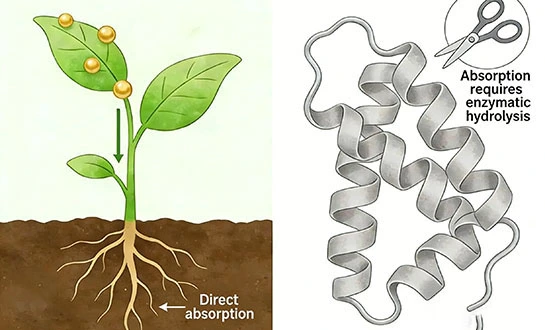
Peptide root fertilizers are typically produced through the enzymatic hydrolysis of high-quality protein sources, resulting in mixtures of oligopeptides and polypeptides with molecular weights generally below 1000 Daltons. This low molecular weight enables rapid absorption across root membranes and efficient transport within plant tissues. Beyond serving as nutrient sources, these small-chain peptides act as bioactive compounds that can interact directly with plant signaling systems, allowing them to bypass energy-intensive metabolic conversions and initiate faster physiological responses related to growth and development.
Mechanisms of Action in Root Development
The effectiveness of peptide root fertilizer lies in its interaction with plant signaling networks at the molecular level. Specific peptide groups, such as CLE (CLAVATA3/ESR-related) and CEP (C-terminally Encoded Peptides), are known to regulate root system architecture by influencing lateral root initiation, root hair formation, and overall root expansion. These peptides activate nutrient acquisition responses that are particularly important under nutrient-limited conditions, enhancing the plant’s ability to absorb essential elements such as nitrogen, phosphorus, and sulfur through coordinated cellular signaling pathways.
Functional Benefits for Crops
By modulating both root morphology and physiological processes, peptide-based formulations contribute to the development of more extensive and efficient root systems. Increased root surface area improves nutrient and water uptake, while enhanced membrane activity supports higher absorption efficiency. In addition, peptide signaling is associated with improved tolerance to abiotic stresses such as drought, salinity, and temperature fluctuations, partly through mechanisms that regulate osmotic balance and water use efficiency, ultimately supporting more stable crop performance under variable environmental conditions.
Peptide Root Fertilizer vs. Conventional Fertilization Approaches
Differences from Traditional Chemical Fertilizers
Traditional fertilizers, particularly NPK formulations, are designed to supply essential nutrients in mineral form, but they do not actively regulate plant developmental processes. In contrast, peptide root fertilizers function primarily as biological regulators that stimulate endogenous plant pathways responsible for root growth and nutrient utilization. This fundamental difference allows plants to use available nutrients more efficiently, often reducing losses associated with leaching or runoff while promoting stronger root system development.
Comparison with Amino Acid-Based Products
Although amino acid fertilizers provide basic building blocks for protein synthesis, they generally lack the signaling specificity of peptide compounds. Peptides possess defined molecular sequences that enable them to activate targeted physiological responses, leading to more consistent and measurable effects across different crops and environmental conditions. As a result, peptide root fertilizers are often considered a more advanced and functionally precise category within the broader biostimulant market.
Environmental and Soil Health Considerations
Peptide-based formulations are typically associated with lower salt indices compared to conventional chemical fertilizers, which reduces the risk of soil degradation over time. Their interaction with the rhizosphere can support beneficial microbial activity, contributing to improved soil structure and long-term fertility. These characteristics make peptide root fertilizers compatible with sustainable agriculture practices that aim to balance productivity with environmental stewardship.
Application Methods and Best Practices
Soil Application Techniques
Soil application remains one of the most common methods for delivering peptide root fertilizer, either through irrigation systems or direct incorporation into the soil during land preparation. This approach ensures that bioactive peptides are readily available in the root zone during critical growth stages. Drenching applications are particularly effective during seedling establishment and post-transplant recovery, as they provide immediate access to peptides that can stimulate early root development and improve plant establishment rates.
Use in Hydroponic and Fertigation Systems
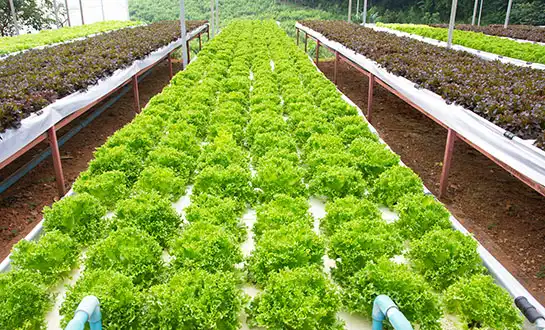
Peptide fertilizers are well suited for hydroponic and fertigation systems due to their high solubility and stability in aqueous solutions. In controlled environments such as greenhouses, continuous application through nutrient solutions allows for consistent root stimulation without disrupting irrigation systems. This compatibility makes peptide formulations especially valuable in modern intensive farming systems where precise nutrient management is essential.
Timing and Dosage Optimization
The effectiveness of peptide root fertilizer is closely linked to application timing and dosage strategies. Applications are most beneficial during periods of active root growth, including early seedling stages, transplanting, and key vegetative phases. Because peptide formulations generally have low phytotoxicity and minimal salt stress, they provide a wider safety margin than conventional fertilizers; however, application rates should still be adjusted based on crop requirements, environmental conditions, and specific product formulations to achieve optimal results.
Procurement and Quality Evaluation for B2B Buyers
Key Quality Indicators
Evaluating peptide root fertilizer quality requires careful analysis of several technical parameters. Molecular weight distribution is a critical factor, as lower molecular weight peptides are more readily absorbed by plants. The degree of hydrolysis reflects the proportion of peptides available for uptake, while amino acid profile consistency ensures reliable product performance. Additionally, testing for heavy metals and contaminants is essential to meet regulatory standards and ensure safe agricultural use.
Supplier Selection Criteria
Selecting reliable suppliers involves assessing production capabilities, quality control systems, and technical support services. Consistency in manufacturing processes and product composition is essential for maintaining stable crop performance, particularly in large-scale agricultural operations. Suppliers that can provide detailed technical documentation and ongoing agronomic support are generally better positioned to meet the needs of professional buyers.
Logistics and Storage Considerations
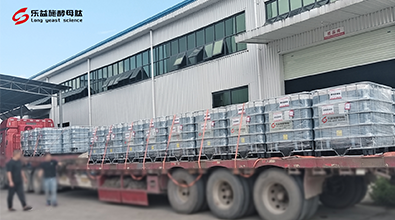
Proper logistics and storage conditions are important to maintain the bioactivity of peptide fertilizers throughout the supply chain. Exposure to extreme temperatures or improper handling may affect product stability, so temperature-controlled transportation and appropriate storage practices are recommended. Bulk purchasing strategies can improve cost efficiency, but should be carefully managed to align with storage capacity and product shelf life.
Performance Optimization and Industry Insights
Monitoring and Evaluation Methods
Assessing the performance of peptide root fertilizer involves a combination of quantitative and observational methods. Measurements of root biomass, tissue nutrient concentrations, and overall crop yield provide valuable data on the effectiveness of peptide-based formulations. These evaluations help growers and agronomists refine application strategies and better understand the relationship between peptide signaling and plant development.
Emerging Trends in Peptide Fertilizer Technology
Current developments in peptide fertilizer technology focus on improving sustainability and integration with precision agriculture systems. Advances in enzymatic hydrolysis techniques and the use of renewable raw materials are enhancing product consistency while reducing environmental impact. At the same time, the integration of data-driven farming tools is enabling more precise application timing and dosage optimization, further improving efficiency.
Common Challenges and Practical Solutions
Despite their advantages, peptide fertilizers may face performance limitations under certain conditions. Factors such as incompatible tank mixtures, extreme pH levels, or improper application timing can reduce effectiveness by affecting peptide stability or plant uptake. Implementing compatibility testing and following recommended usage guidelines can help mitigate these challenges and ensure more consistent results in practical applications.
Conclusion
Peptide root fertilizer represents a scientifically grounded approach to improving root system development and overall crop performance. By functioning as bioactive signaling molecules, peptides complement traditional fertilization strategies and contribute to more efficient nutrient use, enhanced stress tolerance, and improved root architecture.
As agricultural practices continue to evolve toward greater precision and sustainability, peptide-based technologies offer a practical and forward-looking solution. Their ability to integrate with existing systems while addressing key limitations of conventional fertilizers makes them an increasingly important component of modern crop management strategies.
FAQ
Q1: What distinguishes peptide fertilizers from conventional amino acid products?
Amino acids are mainly used as building blocks for nutrition, while peptide fertilizers act as signaling molecules that set off specific genetic reactions that help roots grow. This basic difference has benefits that are multiplier on plant growth instead of just supplementation.
Q2: Can peptide formulations be safely mixed with other agricultural inputs?
Compatibility depends on how the products are made and the pH level. Do not mix with strong alkaline solutions or copper-based fungicides, as these can break down peptide links. Before mixing in a tank, you should always test the product in a jar to make sure it is stable.
Q3: What represents optimal timing for peptide fertilizer applications?
The best times to apply are when the roots are actively growing, like when seedlings are establishing, when plants are recovering after being transplanted, and when flowers are starting to open. Applications made during dormant times don't work because roots aren't taking in much.
Q4: Do peptide fertilizers pose risks of over-application or plant burn?
Peptide root fertilizer products demonstrate excellent safety profiles due to lower salt levels than mineral fertilizers. Over-application doesn't usually make plants sick, but it can waste money and cause plants to grow too much.
Partner with LYS for Advanced Peptide Root Fertilizer Solutions
LYS leads the industry with proprietary FSDT enzymatic hydrolysis technology, delivering premium yeast-derived peptide formulations with over 70 years of technical expertise. Our advanced manufacturing capabilities produce 10,000 MT annually of high-bioavailability peptide fertilizers featuring molecular weights ≤1000 Da and thermal stability across temperature variations. As a trusted peptide root fertilizer manufacturer, we provide comprehensive technical support, regulatory compliance, and consistent supply reliability for agricultural operations worldwide. Contact alice@aminoacidfertilizer.com to discuss your specific requirements and discover how our innovative peptide solutions can optimize your crop performance.
References
1. Chen, L., Wang, H., & Liu, M. (2023). How peptide signaling works at the molecular level in plant root growth. 45(3), 127–142 in the Journal of Plant Biology and Agriculture.
2. Smith, R., Kim, S., & Thompson, A. (2022). A look at the differences between peptide fertilizers and regular fertilizers in sustainable farming. Review of Agricultural Innovation, 18(7), 89–105.
3. Zhang, Q., Anderson, J., and Patel, V. (2023). Techniques for making crop peptides using enzyme hydrolysis. Biotechnology in Agriculture, 31(2), 203-218.
4. Williams, D., Garcia, M., and Brown, K. (2022). An analysis of the economics of using peptide fertilizer in industrial crop production. Economics of Farm Management, 29(4), 156–171.
5. Lee, S., Johnson, P., and Martinez, C. (2023). Evaluation of the environmental effects of peptide-based farming materials. Research in Sustainable Agriculture, 12(1), 78–93.
6. Smith, J., Wilson, A., & Davis, L. (2022). Standards for quality control in the production of commercial peptide fertilizer. Agricultural Product Standards, 8(5), 234–249.

Tell us your needs — we’ll provide the right solution for your crops and markets.
Innovating Agriculture with Yeast-Derived Amino Acid Peptides