Managing Drought & Salinity with Peptide-Based Solutions
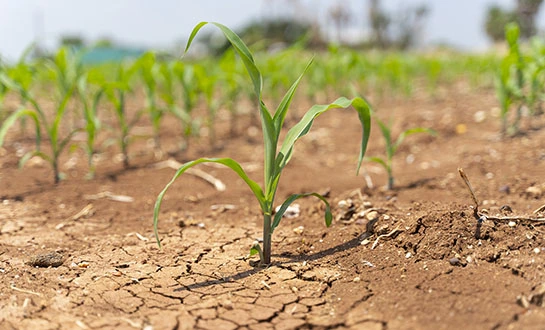
Drought stress and soil salinity are increasingly limiting agricultural productivity worldwide, posing long-term challenges to food security and sustainable farming systems. As climate variability intensifies, conventional agronomic tools alone are often insufficient to protect crops from water deficit and ionic stress.
Peptide-based solutions represent an emerging biological approach that applies advances in bioengineering to crop stress management. By utilizing small-molecule peptides derived from high-quality protein sources, these formulations support plant resilience, water retention, and salt tolerance through physiological and biochemical pathways. Compared with traditional chemical inputs, amino acid peptide boosters offer a more environmentally compatible option that integrates smoothly into modern agricultural programs while maintaining crop performance and yield quality.
Understanding Peptide-Based Solutions for Drought and Salinity Stress
Modern agriculture increasingly relies on biostimulants that address stress at the physiological level rather than merely correcting external symptoms. Amino acid peptide stimulants belong to this category, functioning as biologically active compounds that support plant metabolism under adverse conditions.
Role of Small-Molecule Peptides in Crop Stress Response
Peptides with molecular weights typically below 1000 Da are readily absorbed by plant tissues and remain stable under a wide range of environmental conditions. Their size allows them to bypass energy-intensive metabolic pathways, enabling faster physiological responses during drought or saline stress events.
Advantages over Conventional Biostimulants
Unlike larger protein-based or synthetic formulations, peptide-based solutions maintain bioactivity under high temperature, variable pH, and mixed-input conditions. This stability makes them suitable for diverse climates and integrated crop management systems.
Scientific Basis of Amino Acid Peptide Technology
The effectiveness of peptide-based solutions lies in their interaction with plant cellular systems. These interactions influence nutrient uptake, membrane stability, and enzymatic activity, which are critical during periods of environmental stress.
Cellular-Level Mechanisms of Action
Research indicates that amino acid peptide mixtures enhance nutrient assimilation efficiency and reinforce cell membrane integrity. Improved membrane function supports ion balance and osmotic regulation, two key factors in drought resistance and salinity tolerance.
Antioxidant and Osmotic Regulation Functions
Peptides also stimulate antioxidant enzyme systems, helping plants mitigate oxidative damage caused by dehydration and salt accumulation. By supporting osmotic balance, these compounds assist plants in maintaining turgor pressure and metabolic activity during stress periods.
Performance Characteristics Compared with Traditional Approaches
Traditional drought and salinity management strategies often rely on irrigation adjustments, soil amendments, or chemical treatments. While effective in certain contexts, these methods can be resource-intensive and environmentally burdensome.
Limitations of Conventional Stress Management Methods
Chemical treatments frequently address visible symptoms rather than underlying physiological constraints. In addition, concerns regarding residue accumulation, soil health, and long-term sustainability limit their applicability across diverse cropping systems.
Infrastructure-based solutions, such as advanced irrigation or soil modification, require significant capital investment and may not address the biological capacity of plants to tolerate stress.
Functional Advantages of Peptide-Based Solutions
Peptide-based solutions provide multi-pathway stress support with several practical benefits:
- High compatibility: Easily integrated with fertilizers, pesticides, and herbicides without antagonistic reactions
- Thermal stability: Remain effective across low and high temperature ranges without crystallization or phase separation
- Crop safety: Chloride-free, low-salt formulations reduce phytotoxicity risks for sensitive crops
These characteristics allow peptide-based solutions to complement existing agricultural inputs while enhancing overall stress resilience.
Production Quality, Supply Capacity, and Reliability
Consistent performance of peptide-based solutions depends on raw material quality and production technology. Advanced manufacturing systems using high-protein yeast sources can achieve protein contents exceeding 60%, positioning yeast-derived peptides alongside animal and plant proteins as a major high-quality protein category.
Industrial Enzymatic Hydrolysis Technologies
Modern enzymatic hydrolysis systems, such as Full-Spectrum Directed Technology (FSDT), enable precise control of peptide composition and bioactivity. Decades of technological refinement ensure product consistency, stability, and reproducibility across large production volumes.

Supply Chain Stability for Agricultural Applications
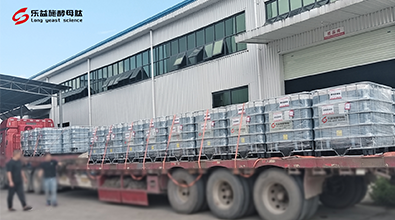
Annual production capacities exceeding 10,000 metric tons support reliable supply for commercial-scale agriculture. This scalability is essential for multinational farming operations that require stable availability and consistent quality.
Application Strategies and Integration into Agricultural Programs
Peptide-based solutions are most effective when applied as part of integrated crop management strategies rather than standalone inputs.
Application Methods and Timing Considerations
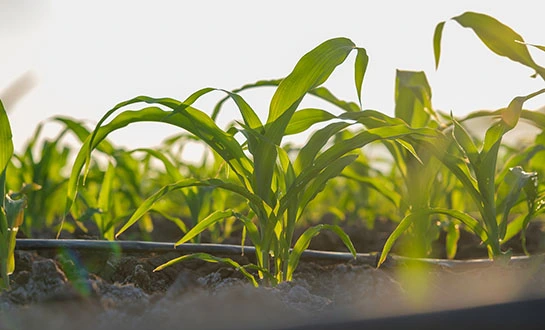
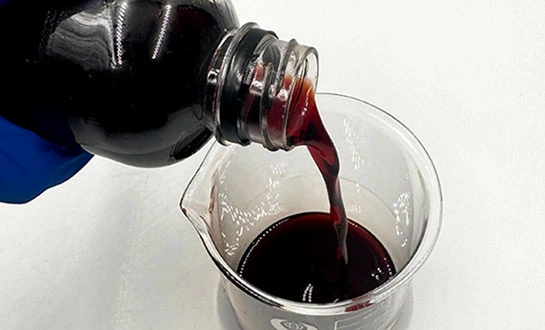
Due to their water solubility, amino acid peptides can be applied through foliar spraying, fertigation, or seed treatment. Preventive applications before anticipated stress periods help prime plant defense systems, while applications during stress support recovery and sustained growth.
Compatibility with Precision Agriculture Systems
Peptide-based solutions integrate well with precision agriculture technologies and integrated pest management programs. Their synergistic effects can improve the efficiency of conventional inputs, potentially reducing overall application rates while maintaining crop protection efficacy.
Regulatory Compliance and Safety Profile
Extensive safety evaluations demonstrate that amino acid peptide formulations meet regulatory requirements in major agricultural markets. Their low salt content and absence of chloride support use in sensitive crops and align with sustainable and organic farming frameworks where permitted.
Quality assurance systems and international manufacturing standards ensure traceability, consistency, and compliance with evolving regulatory expectations.
Future Trends in Peptide-Based Solutions for Environmental Stress
Ongoing advances in biotechnology continue to expand the potential of peptide-based solutions. Targeted peptide sequences designed for specific stress conditions are emerging as next-generation tools for precision crop management.
Innovation and Research Directions
Artificial intelligence and data-driven modeling are increasingly used to optimize peptide formulations based on crop response data. These approaches enable more precise, resource-efficient solutions tailored to regional stress patterns.
Market Adoption and Growth Outlook
Rising environmental pressures and stricter sustainability standards are driving broader adoption of peptide-based solutions. Continued investment in research and production capacity reflects growing confidence in their agronomic and economic value.
Conclusion
Peptide-based solutions offer a scientifically grounded approach to managing drought and salinity stress in modern agriculture. By supporting plant function at the cellular level, amino acid peptide boosters provide benefits that extend beyond the capabilities of conventional methods. Their compatibility, stability, and safety make them well-suited for integration into existing agricultural systems, contributing to improved crop resilience and sustainable productivity.
FAQ
Q1: What makes amino acid peptide stimulants safer than traditional chemical treatments?
Amino acid peptide formulations feature chloride-free compositions with low salt content, making them inherently safer for seedlings and sensitive crops. Unlike harsh chemical treatments, these bioactive compounds work with natural plant processes rather than against them, reducing the risk of phytotoxicity and environmental contamination while maintaining effectiveness under stress conditions.
Q2: How do peptide-based solutions integrate with existing agricultural spray programs?
Peptide biostimulants demonstrate exceptional compatibility with pesticides, fertilizers, and other agricultural chemicals without adverse reactions. Their temperature stability and resistance to crystallization or stratification enable confident tank-mixing with high-concentration formulations, ensuring smooth operation of plant protection drones and conventional application equipment.
Q3: What minimum order quantities and quality controls apply to bulk peptide purchases?
Professional agricultural suppliers typically accommodate various order sizes while maintaining consistent quality through comprehensive testing protocols. Established manufacturers with annual production capacities exceeding 10,000 MT provide reliable supply availability with quality certifications and regulatory compliance documentation required for commercial agricultural applications.
Partner with LYS for Advanced Peptide-Based Solutions
Leading agricultural operations worldwide trust LYS as their preferred amino acid peptide stimulant supplier for managing drought and salinity challenges. Our proven FSDT technology and premium yeast protein formulations deliver consistent results that enhance crop resilience while reducing input costs. Take advantage of our comprehensive technical support and custom formulation capabilities to optimize your stress management strategies.
Contact our expert team at alice@aminoacidfertilizer.com to discuss your specific requirements and discover how LYS peptide-based solutions can transform your agricultural operations.
References
1. Agricultural Research Service. "Peptide Applications in Drought Stress Management: Mechanisms and Field Performance." Journal of Agricultural Biotechnology, 2023.
2. International Society of Plant Biology. "Small Molecule Peptides for Salinity Tolerance Enhancement in Commercial Crops." Plant Stress Biology Review, 2022.
3. American Association of Agricultural Chemists. "Compatibility and Efficacy of Peptide-Based Biostimulants in Integrated Crop Management Systems." Agricultural Chemistry Quarterly, 2023.
4. Global Institute for Sustainable Agriculture. "Economic Impact Analysis of Peptide Technology Adoption in Commercial Farming Operations." Sustainable Agriculture Economics, 2022.
5. Environmental Protection Agency Agricultural Division. "Safety Assessment of Amino Acid Peptide Formulations for Agricultural Applications." Environmental Safety in Agriculture, 2023.
6. International Federation of Agricultural Research. "Future Trends in Peptide-Based Solutions for Environmental Stress Management." Agricultural Innovation Review, 2023.

Tell us your needs — we’ll provide the right solution for your crops and markets.
Innovating Agriculture with Yeast-Derived Amino Acid Peptides