Managing Crop Heat and Drought Stress with Peptide Biostimulants
Climate change is increasing the frequency and intensity of heat waves and prolonged droughts across major agricultural regions. These environmental pressures directly affect crop physiology, yield stability, and farm profitability. In this context, peptide biostimulant technologies are gaining attention as science-based tools that help crops better tolerate abiotic stress.
Unlike conventional fertilizers that primarily supply nutrients, peptide biostimulants function as bioactive compounds that influence plant metabolic and signaling pathways. By supporting natural stress-response mechanisms, they provide an additional layer of resilience that can be integrated into modern crop management systems.

Understanding Heat and Drought Stress in Crops
Heat and water deficit stress disrupt plant growth at physiological, biochemical, and molecular levels. Their combined effects can significantly reduce both productivity and crop quality.
Physiological Impact of Environmental Stress
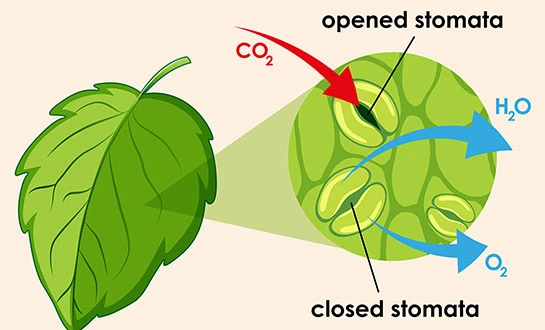
When exposed to high temperatures, plants close their stomata to reduce water loss. While this response conserves moisture, it simultaneously limits carbon dioxide uptake and reduces photosynthetic efficiency. Prolonged exposure may lead to impaired carbohydrate synthesis, inhibited growth, and reproductive failure.
Drought stress further compounds these challenges by restricting water availability for nutrient transport and cellular processes. Under severe conditions, plants accumulate reactive oxygen species (ROS), which can damage membranes, proteins, and DNA. Disruption of enzymatic activity and membrane stability ultimately translates into reduced biomass, poor fruit set, and lower market quality.
Economic Implications for Agricultural Operations
Field studies indicate that temperature increases during critical growth stages can significantly affect crop yield. For instance, maize and wheat exhibit measurable yield declines when exposed to elevated temperatures during flowering and grain filling. In addition to yield losses, growers may face increased irrigation costs, lower produce quality with grading penalties, and a higher risk of secondary pest and disease outbreaks. These pressures underscore the need for complementary stress-mitigation strategies that go beyond irrigation and traditional fertilization.
Mechanisms of Action of Peptide Biostimulant Technologies
Peptide biostimulants are typically derived from enzymatic hydrolysis of protein sources, producing short-chain peptides and free amino acids. Their effectiveness depends largely on molecular structure and bioavailability.
Molecular Signaling and Gene Regulation
A key feature of a high-quality peptide biostimulant is a molecular weight distribution rich in fractions below 1,000 Daltons. Small peptides can penetrate plant tissues efficiently and interact with membrane receptors, triggering intracellular signaling cascades.
These signals may influence the expression of stress-related genes involved in heat shock protein production, antioxidant enzyme synthesis, and osmoprotectant accumulation. Rather than functioning only as basic nutrient inputs, peptide biostimulants modulate gene expression to help plants better prepare for and respond to environmental stress.
Enhancement of Antioxidant and Metabolic Activity
Heat and drought stress commonly lead to increased oxidative damage in plant cells. Peptide biostimulants provide amino acid precursors that support key antioxidant systems, including superoxide dismutase (SOD), catalase (CAT), and peroxidase (POD). Enhanced antioxidant activity helps preserve membrane integrity and enzymatic stability. Furthermore, certain peptides can promote root growth and nutrient uptake, which indirectly improves water-use efficiency under water-limited conditions.
Environmental Safety and Sustainability
Peptide biostimulants are generally biodegradable and compatible with integrated and sustainable agriculture systems. Compared with synthetic chemical stress mitigators, they typically leave minimal residues and can be integrated into organic production programs, subject to local regulations.
Their production often utilizes renewable protein sources, supporting circular economy principles within agricultural supply chains.
Application Strategies for Managing Heat and Drought Stress
The effectiveness of a peptide biostimulant depends on appropriate timing, dosage, and method of application. Integration into existing crop programs is essential for consistent results.
Foliar Application for Rapid Response
Foliar spraying provides direct contact with leaves, allowing relatively rapid absorption of low-molecular-weight peptides. Applications are often recommended during early signs of stress or shortly before predicted heat events.
Benefits of foliar application may include:
- Faster activation of stress-response pathways
- Improved leaf water retention
- Maintenance of photosynthetic activity under moderate stress
Applying treatments during cooler parts of the day can enhance absorption and reduce evaporation losses.
Soil and Root Zone Application
Soil application via fertigation or drip irrigation systems delivers peptide biostimulants directly to the root zone, supporting root system development, improved nutrient availability, and enhanced water uptake efficiency. Strengthening root architecture is especially beneficial during prolonged drought periods, as deeper and more active roots improve access to residual soil moisture.
Seed Treatment for Early Protection
Coating seeds with peptide biostimulant solutions may enhance germination uniformity and early vigor, especially under suboptimal soil moisture conditions. Low-molecular-weight peptides can penetrate seed coats without interfering with natural germination processes, supporting early enzymatic activation and root establishment.
Early-stage resilience can contribute to more uniform stands and improved tolerance to early-season temperature fluctuations.
Selecting the Right Peptide Biostimulant: Quality and Compliance
For agricultural enterprises and distributors, evaluating peptide biostimulant products requires attention to technical specifications, manufacturing standards, and regulatory considerations.
Critical Quality Parameters
Key indicators of product quality include:
- High proportion of peptides below 1,000 Daltons
- Clearly defined amino acid profile
- Verified degree of hydrolysis
- Controlled heavy metal and contaminant levels
- Demonstrated thermal and formulation stability
Analytical documentation and certificates of analysis help ensure consistency and traceability.
Supplier Reliability and Technical Support
Manufacturers with stable production capacity and transparent quality control systems are better positioned to support large-scale agricultural programs. Technical assistance—such as formulation guidance, compatibility testing, and field trial data—adds value for distributors and growers integrating peptide biostimulants into existing crop management plans.
Regulatory and Certification Requirements
Compliance with regional agricultural input regulations is essential. Proper product registration, labeling accuracy, and documentation support smooth distribution across domestic and international markets. For organic and specialty crop sectors, compatibility with certification standards can expand commercial opportunities.
Future Outlook: Peptide Biostimulants in Climate-Resilient Agriculture
As precision agriculture technologies advance, peptide biostimulants can be integrated with sensor-based monitoring systems and predictive analytics. Real-time stress detection allows for targeted and timely application, improving both efficiency and return on investment.
Market analyses project steady growth in the global peptide biostimulant segment, driven by:
- Increased focus on climate adaptation strategies
- Regulatory shifts toward biological inputs
- Demand for residue-conscious and sustainable production
Incorporating peptide biostimulants into crop programs may support long-term resilience, reduce reliance on high-input interventions, and enhance competitiveness in quality-sensitive markets.
Conclusion
Heat and drought stress represent significant and growing challenges for global agriculture. Peptide biostimulant technologies provide a scientifically grounded approach to strengthening crop tolerance by activating natural defense and metabolic pathways.
Through appropriate product selection and strategic application, these bioactive compounds can complement conventional agronomic practices, helping maintain yield stability and crop quality under challenging environmental conditions. As climate variability continues to shape agricultural systems, peptide biostimulants are positioned to play an increasingly important role in sustainable and resilient crop production.
FAQ
1. What makes peptide biostimulants different from traditional fertilizers?
Instead of just giving plants food, peptide biostimulants work as functional signaling molecules that make certain cells do certain things. They turn on genes and biochemical processes that respond to stress, which makes plants better able to handle drought and heat. Regular fertilizers, on the other hand, only provide nitrogen, phosphorus, and potassium, without these health benefits.
2. Are peptide biostimulants compatible with organic farming systems?
Most peptide biostimulants that come from natural protein sources and are broken down by enzymes can meet the standards for organic certification. But the approval of a certain product relies on how it was made and the rules of the certification body. Before using, growers should check with their certifying agency to make sure it is compatible.
3. What application rates and timing provide optimal stress protection?
Depending on the type of crop and how bad the stress is, application rates are usually between 0.5 and 2 liters per hectare. The best timing involves preventative applications before expected stressful events and follow-up applications during times of active stress. Foliar products work best in the early morning or late evening to get the most out of them.
Contact LYS for Premium Peptide Biostimulant Solutions
LYS is a top company that makes peptide biostimulants and has over 70 years of experience in enzymatic hydrolysis technology. Our special FSDT method creates high-quality small-molecule peptides that are better at withstanding heat and being absorbed by cells. We offer full support to farm distributors and specialty fertilizer businesses that are looking for new ways to deal with stress. Email alice@aminoacidfertilizer.com to talk about unique formulas and buying in bulk. You can look at all of our products and scientific information at lyspeptide.com.
References
1. Agricultural Research Service. "Climate Change and Crop Productivity: Understanding Heat and Drought Stress Mechanisms in Agricultural Systems." USDA Agricultural Research Service Technical Bulletin, 2023.
2. Chen, L., Rodriguez, M., and Thompson, K. "Peptide Biostimulants: Molecular Mechanisms and Field Applications for Stress Management in Commercial Agriculture." Journal of Agricultural Science and Technology, vol. 45, 2023, pp. 78-92.
3. International Society of Biostimulants. "Global Market Analysis: Peptide-Based Agricultural Inputs and Their Role in Climate Adaptation Strategies." Biostimulant Industry Report, 2023.
4. Martinez, S. and Williams, J. "Comparative Efficacy of Peptide Biostimulants vs. Traditional Fertilizers Under Abiotic Stress Conditions." Crop Protection Science Quarterly, vol. 18, 2023, pp. 156-171.
5. National Institute of Food and Agriculture. "Precision Agriculture Applications of Protein-Derived Biostimulants for Enhanced Crop Resilience." NIFA Research Publication Series, 2023.
6. Smith, R., Kumar, A., and Johnson, P. "Economic Impact Assessment of Peptide Biostimulant Adoption in Commercial Farming Operations." Agricultural Economics Review, vol. 31, 2023, pp. 234-248.

Tell us your needs — we’ll provide the right solution for your crops and markets.
Innovating Agriculture with Yeast-Derived Amino Acid Peptides