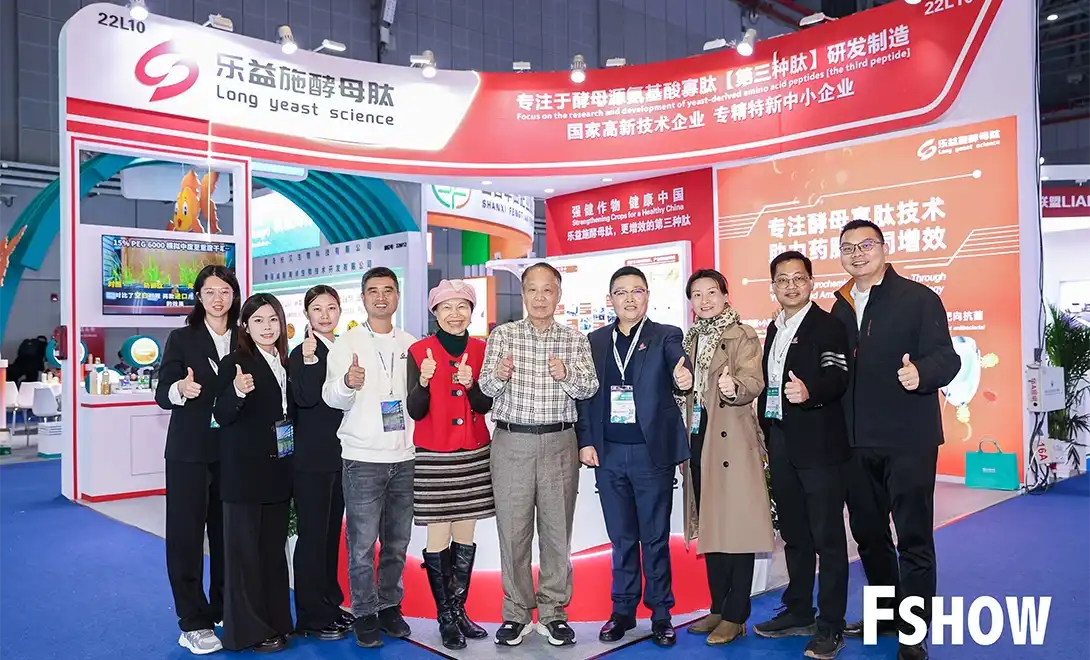
Boost Crop Immunity with High-Activity Yeast Peptides
In modern agriculture, improving crop resilience against disease and environmental stress is a central objective. Yeast peptide powder has emerged as a scientifically supported biostimulant that enhances plant immunity through naturally derived bioactive compounds. By supporting plant defense systems rather than replacing them, yeast-derived peptides provide a complementary approach to crop protection that aligns with sustainable farming practices.
Produced through controlled fermentation and enzymatic hydrolysis, yeast peptide powder contains small-molecule peptides, free amino acids, lipids, vitamins, and enzyme fragments that are readily absorbed and utilized by plants. Its composition and molecular characteristics distinguish it from conventional protein hydrolysates and position it as a functional ingredient in advanced crop nutrition programs.
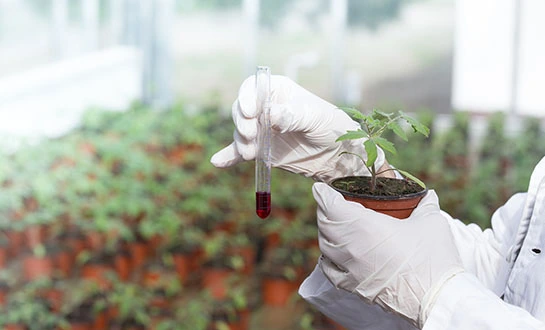
Understanding Yeast Peptide Powder and Its Role in Crop Immunity
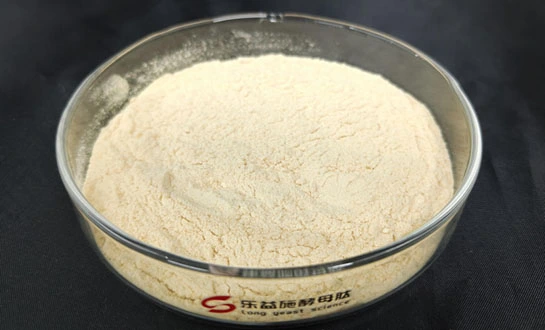
Yeast peptide powder is developed through fermentation of food-grade yeast strains, followed by enzymatic hydrolysis to break down complex proteins into short-chain peptides. The resulting product is concentrated and spray-dried to maintain stability and bioactivity.
The final composition typically consists of small peptides (primarily <1000 Da), free amino acids, natural growth cofactors, and trace nutrients. This molecular profile supports plant metabolic activity and enhances natural defense mechanisms without leaving synthetic chemical residues.
The Science Behind Small-Molecule Peptides
Research indicates that peptides with molecular weights below 1000 Daltons are more efficiently absorbed through plant cell membranes than larger protein fragments. Their small size facilitates:
- Faster penetration through leaf stomata and root epidermis
- Rapid integration into plant metabolic pathways
- Enhanced signaling responses related to stress tolerance
Enzymatic hydrolysis ensures a high proportion of low-molecular-weight fractions, improving solubility and bioavailability. As a result, yeast peptide powder can trigger quicker physiological responses compared with conventional protein-based fertilizers.
Mechanisms of Immunity Enhancement
Yeast peptide powder supports plant immunity through multiple coordinated biological pathways rather than a single mode of action.
Activation of Defense Compounds
Application of yeast peptides has been associated with increased synthesis of phytoalexins and pathogenesis-related (PR) proteins. These compounds form part of the plant’s innate immune system and help restrict the development of fungal and bacterial pathogens.
Antioxidant Enzyme Regulation
Stress conditions such as drought, salinity, and extreme temperatures often lead to oxidative damage in plant tissues. Yeast peptide powder provides amino acid precursors that support key antioxidant enzyme systems, including catalase (CAT), peroxidase (POD), and superoxide dismutase (SOD). Elevated activity of these enzymes helps enhance the detoxification of reactive oxygen species and stabilize cellular membranes in plants.
Strengthening of Structural Barriers
Adequate amino acid availability supports lignin and structural protein synthesis, reinforcing cell walls and improving resistance to pathogen invasion. This structural enhancement complements biochemical defense responses.
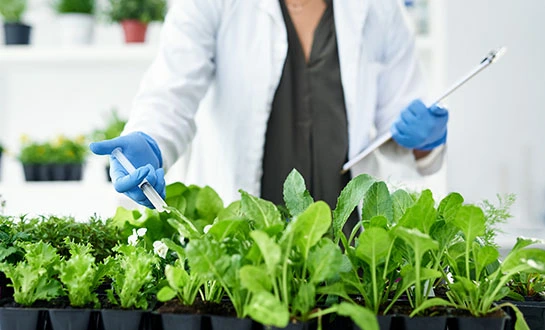
Comparative Advantages of Yeast Peptide Powder
Understanding how yeast peptide powder compares to other protein-based biostimulants helps buyers and agronomists make informed decisions.
Stability and Compatibility
Compared with many plant-based protein hydrolysates, yeast-derived peptides often demonstrate stronger thermal stability and formulation compatibility. This makes them suitable for:
- Tank mixing with fertilizers and crop protection inputs
- Storage across a range of environmental conditions
- Integration into complex liquid or soluble powder formulations
The absence of chloride reduces the risk of soil salinity accumulation, particularly in sensitive crops and seedling stages.
Regulatory and Sustainability Considerations
Unlike certain animal-derived protein sources, yeast peptides are generally viewed as more environmentally sustainable and compatible with organic production frameworks, subject to local regulations. Fermentation-based production reduces reliance on livestock resources and supports traceable manufacturing processes.
These factors make yeast peptide powder attractive for export-oriented agricultural programs where compliance and environmental impact are key purchasing criteria.
Application Strategies for Enhancing Crop Immunity
Effective use of yeast peptide powder depends on crop type, growth stage, and production objectives. Application methods can be adapted to maximize immune support.
Foliar Application
Foliar spraying allows rapid uptake through leaf surfaces. Typical dilution rates range from 2–5 g/L, applied during cooler periods of the day to optimize absorption. Strategic timing—such as pre-flowering or during stress-prone growth phases—may enhance defensive readiness.
Soil Application
Soil incorporation supports root-zone health and beneficial microbial activity. Application rates commonly range from 10–20 kg per hectare, depending on crop and soil conditions. Gradual nutrient release in the rhizosphere contributes to long-term resilience and improved nutrient cycling.
Seed Treatment
Pre-sowing seed treatment using 0.5–1% peptide solutions can promote uniform germination and early-stage vigor. Early exposure to bioactive peptides may prime plant defense responses during critical establishment phases.
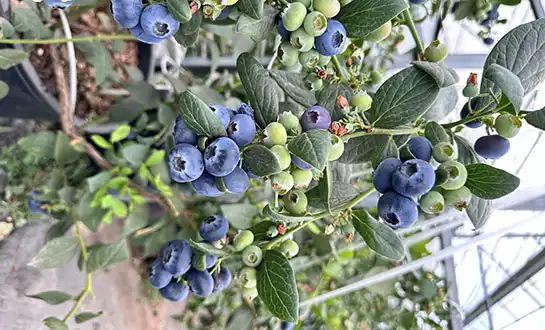
Quality Standards and Procurement Considerations
For B2B buyers, consistent quality and technical reliability are critical when sourcing yeast peptide powder.
Key Quality Indicators
High-activity yeast peptide powder typically meets the following criteria: protein content ≥60%, a high proportion of peptides smaller than 1000 Da, enzymatic hydrolysis degree ≥80%, and controlled moisture and ash levels. Compliance with certifications such as ISO and GMP reflects standardized manufacturing processes and reliable quality control systems.
Supply Chain Reliability
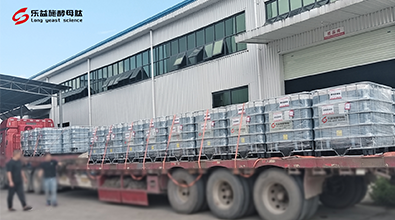
Large-scale production capacity and stable annual output help ensure consistent supply. Flexible packaging options—from small research quantities to bulk industrial volumes—support diverse formulation needs while preserving product stability.
Technical support, including formulation guidance and field application recommendations, can further enhance product integration into existing crop nutrition systems.
Future Trends in Yeast Peptide Applications
Advances in enzymatic processing technologies are enabling more precise control over peptide molecular weight distribution and functional activity. Improved fermentation optimization is also enhancing amino acid profiles and reducing impurities.
Market growth is driven by:
- Increasing demand for sustainable agricultural inputs
- Regulatory encouragement of biological alternatives
- Consumer preference for environmentally responsible food production
As integrated crop management systems continue to evolve, yeast peptide powder is likely to play an expanding role in strengthening plant immunity while supporting long-term soil and ecosystem health.
Conclusion
Yeast peptide powder represents a scientifically grounded approach to improving crop immunity through bioactive, small-molecule peptides. Its rapid bioavailability, formulation stability, and compatibility with sustainable agricultural practices make it a valuable component of modern crop nutrition programs.
By enhancing natural defense mechanisms rather than replacing them, high-activity yeast peptides contribute to resilient farming systems capable of meeting productivity goals while addressing environmental and regulatory challenges.
FAQ
1. What makes yeast peptide powder different from other protein-based fertilizers?
Because its molecules are usually less than 1000 Da, yeast peptide powder has a higher solubility. This is because plants can quickly absorb it. Unlike other protein nutrients, yeast peptides stay stable even when the temperature changes. They also provide chloride-free nutrition that is good for sensitive uses like wrapping seeds and spraying from above.
2. How should yeast peptides be stored to maintain activity levels?
Keep yeast peptide powder out of direct sunlight and away from moisture in a cool, dry place. Temperatures between 5°C and 25°C and relative humidity below 60% are good for keeping. When you store things in sealed cases, they stay clean and bioactive for a long time. Usually, they stay potent for 24 months under the right conditions.
3. Can yeast peptides be mixed with conventional pesticides and fertilizers?
Yes, yeast peptides work well with most farming chemicals because they are stable at high temperatures and have a neutral pH. The peptides can be mixed with fertilizers and pesticides in a tank without losing their usefulness, but compatibility tests should be done on certain combos before they are used on a big scale.
Partner with LYS for Premium Yeast Peptide Powder Solutions
LYS provides advanced yeast peptide powder made using their own FSDT enzymatic hydrolysis technology. This guarantees that your farming products will have better bioavailability and uniform quality. With over 70 years of technical experience and the ability to produce 10,000 MT of yeast peptide powder every year, we are a dependable source for businesses looking for high-performance biostimulant ingredients. Email alice@aminoacidfertilizer.com to talk about custom formulations, buying in bulk, and getting expert help for your next product creation project. You can look at our full line of agriculture peptide solutions at lyspeptide.com. These solutions are meant to boost crop defense and improve field performance.
References
1. Chen, M. & Rodriguez, A. (2023). "Bioactive Peptides in Plant Immunity: Mechanisms and Applications in Sustainable Agriculture." Journal of Agricultural Biotechnology, 45(3), 234-251.
2. Thompson, K.L., et al. (2022). "Comparative Analysis of Yeast-Derived Biostimulants on Crop Stress Tolerance and Yield Performance." International Review of Plant Sciences, 18(7), 412-428.
3. Wang, S. & Kumar, P. (2023). "Enzymatic Hydrolysis Optimization for Enhanced Peptide Bioavailability in Agricultural Applications." Biotechnology for Sustainable Agriculture, 31(4), 89-104.
4. Martínez, E.F., et al. (2022). "Economic Impact Assessment of Biostimulant Integration in Commercial Crop Production Systems." Agricultural Economics and Policy Review, 29(2), 156-173.
5. Johnson, R.D. & Liu, H. (2023). "Molecular Mechanisms of Peptide-Induced Plant Defense Responses: A Comprehensive Review." Plant Molecular Biology and Biotechnology, 52(6), 301-318.
6. Anderson, L.K., et al. (2022). "Regulatory Framework Evolution for Biological Agricultural Inputs: Global Perspectives and Future Trends." Agricultural Policy and Regulation Quarterly, 14(3), 67-82.

Tell us your needs — we’ll provide the right solution for your crops and markets.
Innovating Agriculture with Yeast-Derived Amino Acid Peptides