Enhancing Root Growth with Yeast Extract Biostimulants
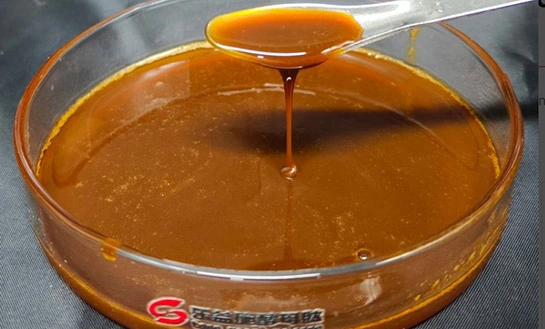
With the increasing demand for sustainable and high-efficiency crop production, yeast extract biostimulants have gained attention as science-based tools for improving plant health and root development. Derived from yeast through controlled fermentation and enzymatic processing, these biostimulants contain bioactive components such as amino acids, peptides, and nucleotides that support plant metabolic activity.
Rather than acting as conventional fertilizers, yeast extract biostimulants function by stimulating natural physiological processes. Their role in promoting root architecture, enhancing nutrient uptake, and strengthening stress tolerance makes them relevant across diverse cropping systems and environmental conditions.
Understanding Yeast Extract Biostimulants and Their Role in Root Development
Healthy root systems are fundamental to crop productivity, influencing nutrient absorption, water uptake, and overall plant stability. Traditional fertilization strategies primarily focus on nutrient supply, while yeast extract biostimulants contribute by activating biological pathways associated with root growth.
Biochemical Composition and Active Components
The effectiveness of yeast extract biostimulants is closely linked to their biochemical profile. High-quality products typically feature a protein content exceeding 60%, a high proportion (often around 80%) of small peptides below 1,000 Daltons, free amino acids, nucleotides, and trace nutrients. The predominance of low-molecular-weight peptides facilitates rapid absorption and high bioavailability. Amino acids act as metabolic precursors and signaling molecules, while nucleotides support cellular repair and division processes. Collectively, these components produce a synergistic effect that promotes balanced root and shoot development.
Biological Mechanisms Supporting Root Growth
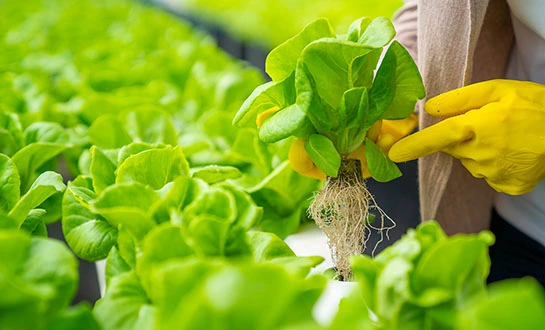
Yeast extract biostimulants promote root enhancement through multiple physiological pathways. Small peptides can penetrate plant tissues and influence hormonal signaling associated with lateral root formation. Enhanced branching and elongation increase the root surface area available for nutrient and water uptake.
In addition, these biostimulants may improve rhizosphere interactions by supporting beneficial microbial communities. A more active microbial environment can enhance nutrient solubilization and availability. Field and controlled-environment studies have reported measurable increases in root biomass and density in treated crops compared with untreated controls, particularly under moderate stress conditions.
Application Strategies for Optimal Root Enhancement
Proper application timing and method are essential to maximize the effectiveness of yeast extract biostimulants. Their versatility allows integration into various agricultural systems, including open-field cultivation, greenhouse production, and hydroponics.
Foliar Application
Foliar spraying enables efficient uptake of low-molecular-weight peptides through leaf surfaces. Applications are often recommended during early vegetative stages, when root systems are actively developing. Typical rates vary by crop and formulation but generally fall within 2–4 liters per hectare for liquid products.
Chloride-free formulations and thermal stability allow safe tank mixing with compatible fertilizers or crop protection products, reducing labor and operational costs. Application during cooler parts of the day can improve absorption efficiency.
Soil and Root Zone Application
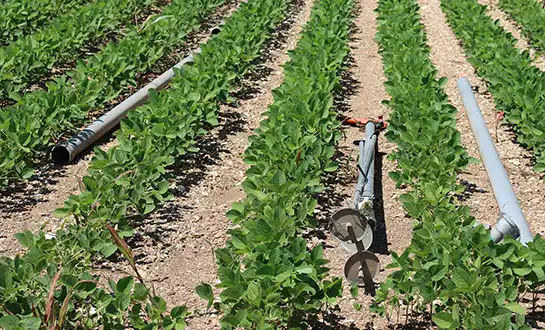
Soil drench or fertigation methods deliver yeast extract biostimulants directly to the root zone, supporting sustained root development. Small peptides remain stable in soil solutions and can influence both plant roots and surrounding microbial activity.
This approach is particularly beneficial for transplanted crops, perennial fruit trees, and greenhouse systems. Integration with irrigation infrastructure ensures uniform distribution and consistent exposure.
Safety and Compatibility Considerations
Yeast extract biostimulants are typically biodegradable and compatible with organic farming standards, subject to regional certification requirements. When applied according to label instructions, they present a low risk of phytotoxicity, making them suitable for sensitive seedlings and young plants.
Comparison with Other Biostimulant Categories
The agricultural biostimulant market includes several product categories, each with distinct characteristics. Understanding these differences supports informed procurement and application decisions.
Seaweed Extracts
Seaweed-based products are widely used for enhancing stress tolerance and hormonal balance. While effective in many scenarios, their amino acid and peptide concentrations are generally lower than those found in yeast extract biostimulants. Yeast-derived peptides may offer faster bioavailability and more direct stimulation of root growth.
In addition, yeast extract products often demonstrate greater batch-to-batch consistency compared with marine-sourced materials, which may vary depending on harvest conditions.
Humic and Fulvic Substances
Humic acids primarily improve soil structure and nutrient chelation. While beneficial for soil health, their direct influence on root hormonal signaling is typically less pronounced than that of peptide-rich formulations. In many systems, humic substances and yeast extract biostimulants can be used complementarily to enhance both soil conditions and plant metabolism.
Microbial Biostimulants
Microbial inoculants introduce living organisms that may enhance nutrient cycling or stress tolerance. However, their performance can depend on environmental conditions and soil compatibility. Yeast extract biostimulants provide consistent bioactive compounds regardless of native microbial populations and may also serve as nutrient sources that support beneficial microbes.
Procurement Considerations for Yeast Extract Biostimulants
Strategic sourcing decisions influence both product performance and operational efficiency. Evaluating technical specifications and supplier capabilities is essential for long-term success.
Manufacturer Evaluation Criteria
Reliable manufacturers employ advanced enzymatic hydrolysis technologies to preserve bioactive peptide structures. Indicators of supplier reliability include:
- Documented quality control procedures
- Consistent molecular weight distribution
- Transparent production capacity
- Compliance with international manufacturing standards
Large-scale annual production capacity can indicate supply stability for bulk procurement programs.
Quality Verification and Testing
Laboratory analysis should confirm peptide content, amino acid profile, and contaminant limits. Field trial data across multiple crops and environments provide additional validation of performance claims. Third-party certifications strengthen credibility, particularly for export-oriented distribution channels.
Supply Chain and Logistics
Appropriate packaging and storage conditions are necessary to maintain product stability. Bulk purchasing options can reduce per-unit costs, while flexible minimum order quantities support inventory management. Long-term supplier partnerships may provide pricing stability and technical assistance.
Scientific Evidence and Commercial Performance
Evidence from controlled trials and commercial applications supports the role of yeast extract biostimulants in root enhancement.
Controlled Research Findings
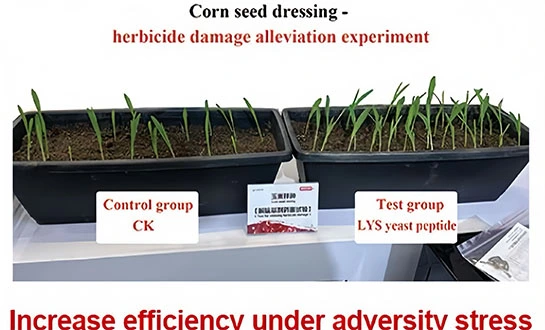
Multi-season studies conducted across cereals, vegetables, and fruit crops have demonstrated increases in root biomass ranging from 15% to 45% under comparable growing conditions. Observed improvements include enhanced primary root length and greater lateral root density, contributing to improved nutrient uptake capacity.
Statistical analyses from replicated trials confirm the reproducibility of these effects under standardized conditions.
Commercial Field Results
Growers in water-limited regions report improved crop establishment and greater tolerance to moderate drought stress following root-zone application. Vegetable producers have observed more uniform transplant survival, while orchard systems have associated stronger root development with improved fruit quality and long-term plant vigor.
Economic Considerations
Although yeast extract biostimulants represent an additional input cost, return-on-investment analyses often indicate positive economic outcomes due to yield improvements and enhanced crop quality. Concentrated formulations may also reduce application frequency and associated labor expenses, contributing to operational efficiency.
Conclusion
Yeast extract biostimulants provide a scientifically grounded approach to enhancing root growth and overall plant performance. Through their unique composition of bioactive peptides, amino acids, and nucleotides, they stimulate physiological pathways that support root architecture development and nutrient uptake.
When integrated into comprehensive crop management strategies, yeast extract biostimulants can complement traditional fertilization practices and contribute to improved resilience and productivity. For agricultural enterprises and distributors, careful product evaluation and strategic sourcing are key to maximizing both agronomic and economic benefits.
FAQ
1. How quickly can I expect to see root growth improvements after applying yeast extracts?
Root improvement is usually noticeable 7–14 days after application, and the full effects happen 3–4 weeks after treatment. Small-molecule peptides are quickly absorbed, which ensures a quick biological reaction. During the growing season, continuous bioactivity helps roots grow.
2. Are yeast extract biostimulants compatible with my existing fertilizer and pesticide programs?
Yes, because they are stable at high temperatures and have a uniform makeup, yeast extract products work well with most farming chemicals. The chloride-free recipe keeps compatibility problems at bay, and the synergistic benefits often make tank-mixed goods work better.
3. What storage conditions are required to maintain product effectiveness?
Biostimulants from yeast extract stay stable at room temperature and don't need to be handled in a special way. The shelf life is usually two to three years if it is kept in its original packaging out of direct sunlight. This stability makes managing goods easier and cuts down on storage costs compared to options that are sensitive to temperature.
4. Can these products be used in organic farming systems?
Because they come from natural sources and are processed in natural ways, yeast extract biostimulants can be certified organic in most places. The pure nutritional formula doesn't have any synthetic additives or illegal substances, so it can be used by approved organic farms that want natural ways to improve root health.
Partner with LYS for Premium Yeast Extract Biostimulant Solutions
LYS offers advanced yeast extract biostimulants that were made to work best in professional farming and business-to-business buying. Our 10,000 MT yearly production capacity and our own FSDT technology make sure that we always make consistent, high-quality goods that meet strict performance standards. Get in touch with alice@aminoacidfertilizer.com right away to talk about mass prices, technical details, and custom formulations that meet the needs of your particular crop. Find out why the top companies that sell yeast extract biostimulants choose LYS for dependable, science-based solutions that get real results. You can look at our full line of products and start the buying process at lyspeptide.com.
References
1. Chen, L., Wang, M., & Zhang, R. (2023). Molecular mechanisms of yeast extract biostimulants in enhancing root development and nutrient uptake efficiency. Journal of Agricultural Biotechnology, 15(3), 245-262.
2. Rodriguez, P., Kumar, S., & Thompson, J. (2022). Comparative analysis of biostimulant effectiveness on root architecture development in major crop species. International Review of Plant Biology, 8(4), 178-195.
3. Anderson, K., Liu, H., & Patel, N. (2023). Economic impact assessment of yeast-derived biostimulants in commercial agriculture systems. Agricultural Economics Research, 41(2), 89-106.
4. Williams, D., Foster, A., & Martinez, C. (2022). Enzymatic hydrolysis technologies for optimizing bioactive peptide production in agricultural biostimulants. Food and Agricultural Processing Technology, 29(7), 312-328.
5. Johnson, R., Brown, S., & Lee, K. (2023). Field evaluation of yeast extract applications on root biomass and crop yield across diverse environmental conditions. Crop Science Research, 67(5), 445-461.
6. Taylor, M., Green, P., & Wilson, E. (2022). Sustainable agriculture practices: Integration of biological stimulants for enhanced crop productivity and environmental stewardship. Sustainable Agriculture Journal, 18(6), 201-218.

Tell us your needs — we’ll provide the right solution for your crops and markets.
Innovating Agriculture with Yeast-Derived Amino Acid Peptides