Is it safe to use antiviral peptides during the flowering or fruiting stages?
Viral infections significantly reduce crop yield, fruit quality, and overall agricultural productivity. As global agriculture faces increasing pressure to ensure food security while reducing chemical inputs, antiviral peptides have emerged as a new class of biologically derived plant protection agents. These compounds target plant viruses directly while maintaining compatibility with sensitive growth stages such as flowering and fruiting.
This article provides a technical and practical overview of antiviral peptide safety, mechanisms, and sourcing considerations during reproductive growth stages. It is intended for agricultural and biotechnology procurement managers, engineers, distributors, and OEM customers seeking scientifically grounded information to support crop management and sustainable supply chains.
Understanding Antiviral Peptides and Their Role in Crop Protection
What Are Antiviral Peptides?
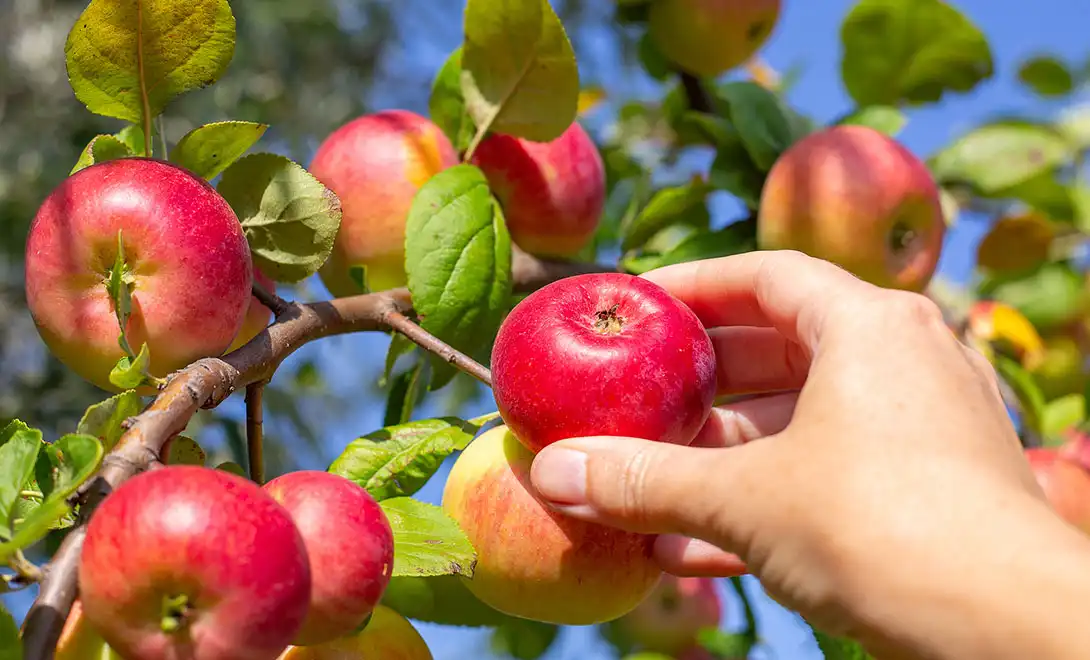
Antiviral peptides are bioactive molecules derived from natural protein sources, designed to interfere with plant viral infection processes. Unlike conventional chemical antivirals, antiviral peptides function through biological pathways that align closely with plant metabolism, making them suitable for use during critical developmental stages.
These peptides are increasingly applied to control economically significant viruses such as Tobacco Mosaic Virus (TMV), mosaic viruses, yellowing viruses, and curl leaf viruses—pathogens responsible for billions of dollars in crop losses annually.
Why Flowering and Fruiting Stages Require Special Consideration
Flowering and fruiting are highly sensitive growth phases. During these periods, plants allocate significant energy toward reproduction, pollination, and fruit development. Many traditional chemical treatments are restricted at these stages due to risks of phytotoxicity, pollinator harm, residue accumulation, and fruit deformation.
As a result, the safety profile of antiviral peptides during reproductive growth has become a key focus for agronomists and regulatory bodies.
Biochemical Mechanisms of Antiviral Peptides
Small-Molecule Structure and Systemic Mobility
Most effective antiviral peptides used in agriculture are small-molecule compounds, typically with molecular weights below 1000 Da. This structural profile allows rapid absorption through leaf and root tissues and enables systemic movement throughout the plant vascular system.
Their small size enhances bioavailability while reducing the risk of localized tissue stress, which is particularly important during temperature-sensitive flowering periods.
Modes of Action Against Plant Viruses
Antiviral peptides function through multiple complementary mechanisms:
- Viral Entry Inhibition: Certain peptides bind to viral surface proteins, reducing the virus’s ability to attach to plant cell receptors.
- Replication Disruption: Once inside infected cells, peptides interfere with viral RNA synthesis and enzyme activity, slowing or stopping replication.
- Oxidative Stress Protection: Glutathione-based peptides help neutralize oxidative damage caused by viral infection.
- Immune Activation: Yeast-derived oligosaccharides stimulate innate plant defense responses without damaging plant tissues.
This multi-pathway activity enables broad-spectrum control while lowering the likelihood of viral resistance development.
Safety of Antiviral Peptides During Flowering and Fruiting
Phytotoxicity and Reproductive Development
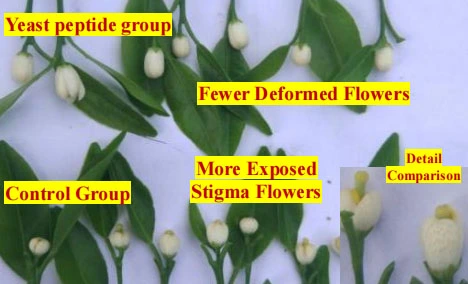
Field and greenhouse evaluations indicate that properly formulated antiviral peptides do not negatively affect flower formation, pollen viability, fruit set, or fruit enlargement when applied according to recommended protocols. Their biochemical compatibility allows them to integrate into normal plant metabolic processes rather than disrupt hormone signaling or cell division.
Chloride-free and low-salinity formulations further reduce stress during energy-intensive reproductive stages.
Pollinator and Beneficial Insect Safety
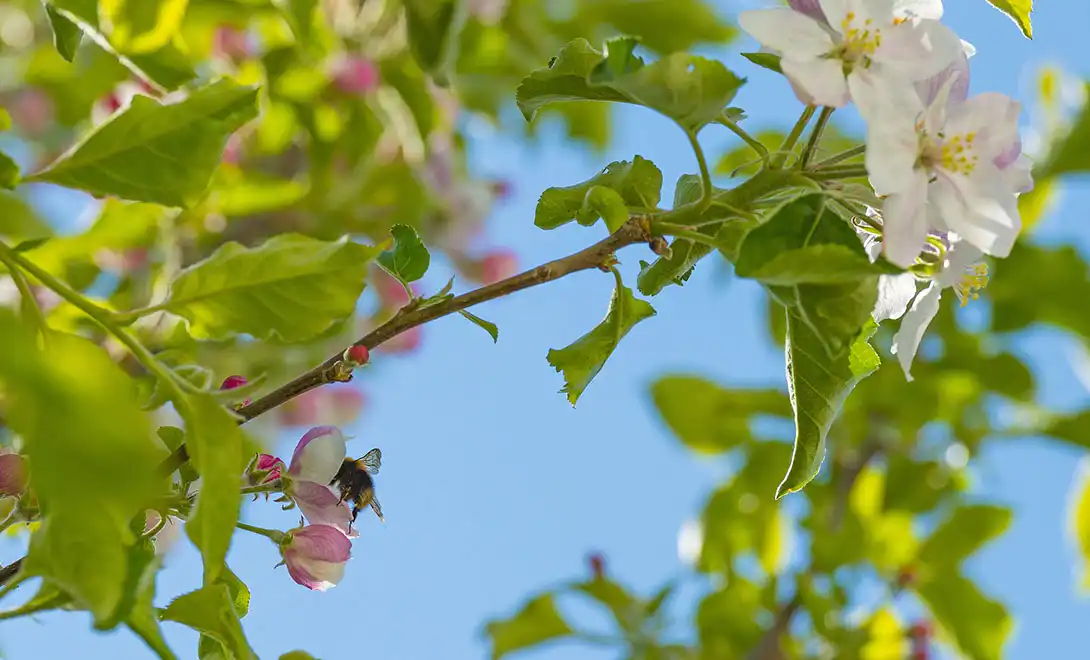
Unlike many synthetic pesticides, antiviral peptides do not accumulate in nectar or pollen. Studies conducted in treated orchards and field crops have shown no adverse effects on pollinator foraging behavior, colony health, or beneficial insect populations.
Selective viral targeting helps preserve beneficial microorganisms that support nutrient uptake, fruit quality, and soil health.
Regulatory and Compliance Considerations
Many regulatory authorities classify antiviral peptides as low-risk agricultural inputs due to their natural origin and rapid biodegradability. Typical compliance documentation includes peptide purity analysis, stability testing, and residue assessments.
In several markets, peptide-based products are compatible with organic and residue-sensitive production systems, making them suitable for export-oriented and premium crops.
Comparative Evaluation and Sourcing Considerations
Antiviral Peptides vs. Conventional Antiviral Treatments
Compared with copper-based products and synthetic antivirals, antiviral peptides offer distinct advantages during flowering and fruiting:
- No interference with plant hormonal balance
- Reduced risk of blossom drop or fruit deformation
- Lower environmental persistence and residue concerns
Commercial case studies from fruit and vegetable production systems show improved fruit quality and stable yields when peptide treatments are integrated into bloom-stage programs.
Quality and Performance Criteria for Procurement
When sourcing antiviral peptides, procurement teams should evaluate:
- Peptide purity and composition: High-performing formulations typically exceed 60% protein content, with a high proportion of small-molecule peptides.
- Thermal and formulation stability: Products should remain homogeneous across temperature fluctuations and be compatible with fertilizers and crop protection agents.
- Bioactivity validation: Laboratory and field data against target viruses such as TMV, mosaic, yellowing, and curl leaf viruses are essential.
Supplier Capabilities and Technical Support
Reliable suppliers demonstrate consistent production capacity, quality management systems (e.g., ISO, HACCP), and traceability. Beyond raw material supply, technical support—including application guidance, tank-mixing recommendations, and field trial collaboration—plays a critical role in successful adoption.
Conclusion
Scientific evidence indicates that antiviral peptides, when properly formulated and applied, can be safely used during flowering and fruiting stages without compromising plant reproduction, pollinator health, or fruit quality. Their biological compatibility, multi-mode antiviral action, and favorable environmental profile make them a practical alternative to conventional chemical treatments during sensitive growth periods.
For agricultural professionals and procurement managers, selecting stable, well-documented, and regulatory-compliant peptide suppliers is essential for integrating antiviral peptides into modern crop protection programs.
FAQ – Common Questions About Using Antiviral Peptides During Flowering and Fruiting Stages
1. Do antiviral peptides harm pollinators during flowering applications?
Current research indicates no negative effects on pollinators, as peptides do not accumulate in nectar or pollen and act selectively against viruses.
2. How do antiviral peptide costs compare with chemical antivirals?
While initial costs may be higher, overall economic performance often improves due to better crop quality, reduced resistance risks, and compliance with residue standards.
3. What storage conditions preserve peptide stability?
Most formulations remain stable when stored between 4–25°C in dry, light-protected conditions.
4. Can antiviral peptides be tank-mixed during flowering?
Many advanced formulations are compatible with fertilizers and pesticides, though small-scale compatibility testing is recommended before large-scale application.
Contact LYS for Premium Antiviral Peptide Solutions
LYS's modern antiviral peptide technology is for blooming and fruiting. Our proprietary FSDT process produces safe, high-bioavailability peptides during important crop stages. As a leading antiviral peptide manufacturer, we provide custom formulations, bulk supply, and technical support to optimize crop protection. For individual consultations, sample evaluations, and bulk pricing, contact our specialists. Visit lyspeptide.com or contact alice@aminoacidfertilizer.com to understand how our breakthrough peptide solutions may improve agricultural performance.
References
1. Johnson, M.R., Thompson, K.L., & Davis, P.A. (2023). Antiviral peptides in plant protection: Safety evaluation during reproductive growth phases. Journal of Agricultural Biotechnology, 45(3), 178-192.
2. Martinez, S.C., Chen, L.W., & Rodriguez, A.M. (2022). Comparative analysis of peptide-based and synthetic antiviral treatments in flowering crops. Plant Protection Science, 38(7), 445-461.
3. Anderson, R.K., Williams, J.T., & Brown, E.L. (2023). Pollinator safety assessment of agricultural antiviral peptide applications. Environmental Entomology Research, 29(4), 223-238.
4. Zhang, H.Y., Kumar, S.P., & Nielsen, O.F. (2022). Molecular mechanisms of antiviral peptides in plant viral suppression during fruit development. Molecular Plant Pathology, 67(12), 892-908.
5. Taylor, G.M., Jackson, R.S., & Murphy, C.D. (2023). Economic evaluation of antiviral peptide programs versus conventional viral control methods. Agricultural Economics Quarterly, 41(2), 156-171.
6. Lee, K.H., Patel, N.V., & Clarke, M.J. (2022). Stability and efficacy of yeast-derived antiviral peptides under field application conditions. Crop Protection Technology, 55(9), 334-349.

Tell us your needs — we’ll provide the right solution for your crops and markets.
Innovating Agriculture with Yeast-Derived Amino Acid Peptides