Can antiviral peptides control Citrus Greening (HLB) effectively?
Citrus greening disease, also known as Huanglongbing (HLB), is widely regarded as one of the most destructive diseases affecting citrus production worldwide. Caused by phloem-limited bacteria and transmitted by insect vectors, HLB leads to severe yield loss, declining fruit quality, and premature tree death.
In recent years, antiviral peptides have attracted increasing scientific and commercial attention as a potential complementary solution for managing citrus greening. These bioactive compounds demonstrate the ability to suppress pathogen replication while enhancing plant defense responses, offering a biologically compatible alternative to conventional chemical approaches.
This article reviews the scientific rationale, mechanisms, and commercial considerations surrounding the use of antiviral peptides for citrus greening management, with a focus on efficacy, safety, and integration into existing orchard practices.
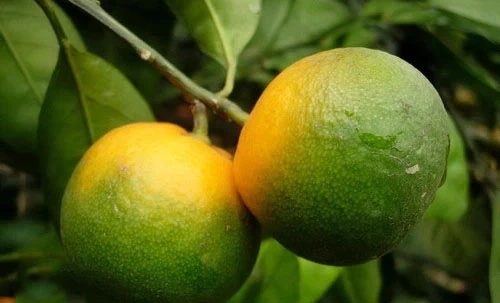
Citrus Greening (HLB): Disease Overview and Industry Challenges
Biological Characteristics of HLB
Huanglongbing is primarily associated with Candidatus Liberibacter species, bacteria that colonize the phloem tissue of citrus trees. The disease disrupts nutrient transport, leading to leaf chlorosis, misshapen and bitter fruit, reduced yield, and eventual tree decline.
HLB is mainly spread by the Asian citrus psyllid, making vector management a critical but challenging component of disease control. Once infected, trees typically show progressive symptoms and often decline within several years.
Economic Impact on Global Citrus Production
The economic consequences of HLB extend far beyond individual orchards. Since its detection in Florida in 2005, citrus production in the region has declined by more than 70%, resulting in estimated economic losses exceeding USD 7.8 billion. Other major citrus-producing regions, including California, Texas, and parts of Latin America and Asia, remain at ongoing risk.
Because HLB affects all major citrus varieties—including oranges, lemons, grapefruits, and mandarins—growers have limited options for varietal replacement or crop diversification.
Limitations of Conventional HLB Management Strategies
Chemical and Antibiotic-Based Approaches
Current HLB management relies heavily on insecticide-based vector control, removal of infected trees, and limited use of antibiotics. While these measures may slow disease spread, they do not reverse existing infections or restore phloem function.
Regulatory restrictions, environmental concerns, and public resistance to antibiotic use in agriculture further limit the long-term feasibility of chemical-based programs.
Resistance and Sustainability Concerns
Frequent chemical applications increase production costs and contribute to insect resistance. At the same time, the lack of commercially available HLB-resistant citrus varieties leaves growers with few durable solutions, highlighting the need for alternative or complementary technologies.
Antiviral Peptides: Mechanisms and Relevance to Citrus Greening
How Antiviral Peptides Interact with Plant Pathogens
Antiviral peptides are short-chain amino acid molecules capable of interacting with bacterial and viral pathogens through multiple mechanisms. These include:
- Disruption of pathogen cell membranes
- Interference with essential metabolic and replication processes
- Activation of plant immune signaling pathways
The multi-target nature of peptides reduces the likelihood of pathogen resistance compared with single-mode chemical treatments.
Activity Against Phloem-Limited Bacteria
Research indicates that certain peptide formulations can penetrate biofilms and move systemically within plant vascular tissues. This property is particularly relevant for phloem-restricted pathogens such as Candidatus Liberibacter, which are difficult to reach with conventional treatments.
Advanced peptide combinations may help reduce bacterial populations while strengthening host defense responses, improving overall tree resilience.
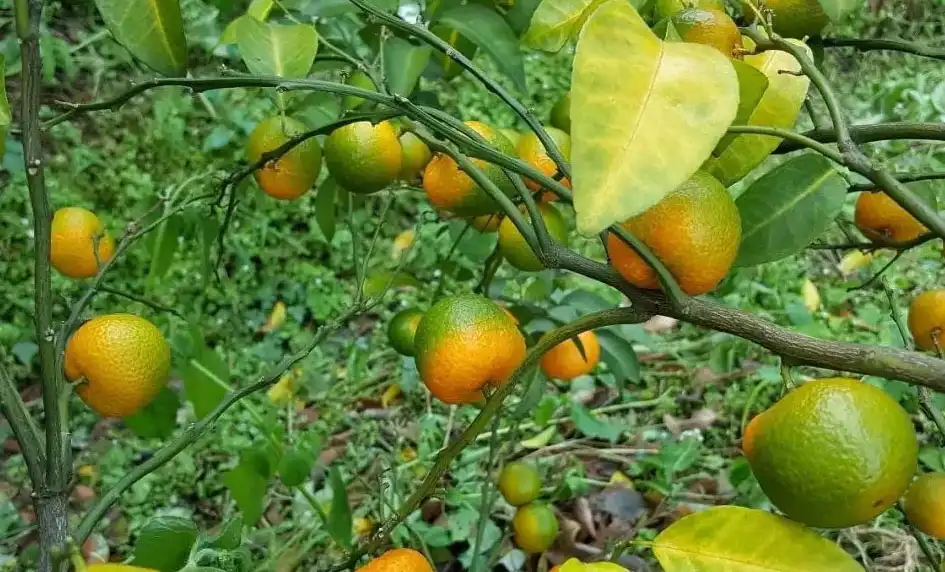
Evaluating Antiviral Peptides for HLB Management
Research Findings and Field Observations
Laboratory and controlled field studies suggest that peptide-based treatments can significantly suppress bacterial activity associated with citrus greening when used as part of integrated management programs. Reported benefits include improved canopy health, enhanced nutrient flow, and better fruit uniformity.
Modern peptide formulations demonstrate strong temperature stability and compatibility with fertilizers and crop protection inputs, allowing flexible application across different climatic conditions.
Integration with Existing Orchard Practices
Antiviral peptides are not positioned as stand-alone replacements for vector control or nutrition programs. Instead, they function as complementary tools within integrated pest and disease management (IPM) systems.
Chloride-free peptide formulations are suitable for sensitive applications such as seedling treatment, foliar spraying, soil drenching, and aerial application, offering growers multiple deployment options throughout the production cycle.
Procurement and Commercial Considerations for Antiviral Peptides
Supplier Evaluation Criteria
For commercial citrus operations, selecting reliable peptide suppliers is essential. Key evaluation factors include:
- Proven production capacity (often exceeding 10,000 MT annually)
- Consistent quality control and batch-to-batch uniformity
- Regulatory compliance and traceability documentation
- Technical support and agronomic guidance
Suppliers with standardized manufacturing processes and validated testing protocols are better positioned to support large-scale agricultural use.
Quality Specifications and Regulatory Compliance
Professional-grade antiviral peptide products typically meet defined specifications, including protein content ≥60%, controlled molecular weight distribution, and verified stability under varied storage conditions.
As peptide technologies gain wider adoption, regulatory documentation supporting product registration and market access becomes increasingly important, particularly for export-oriented citrus producers.
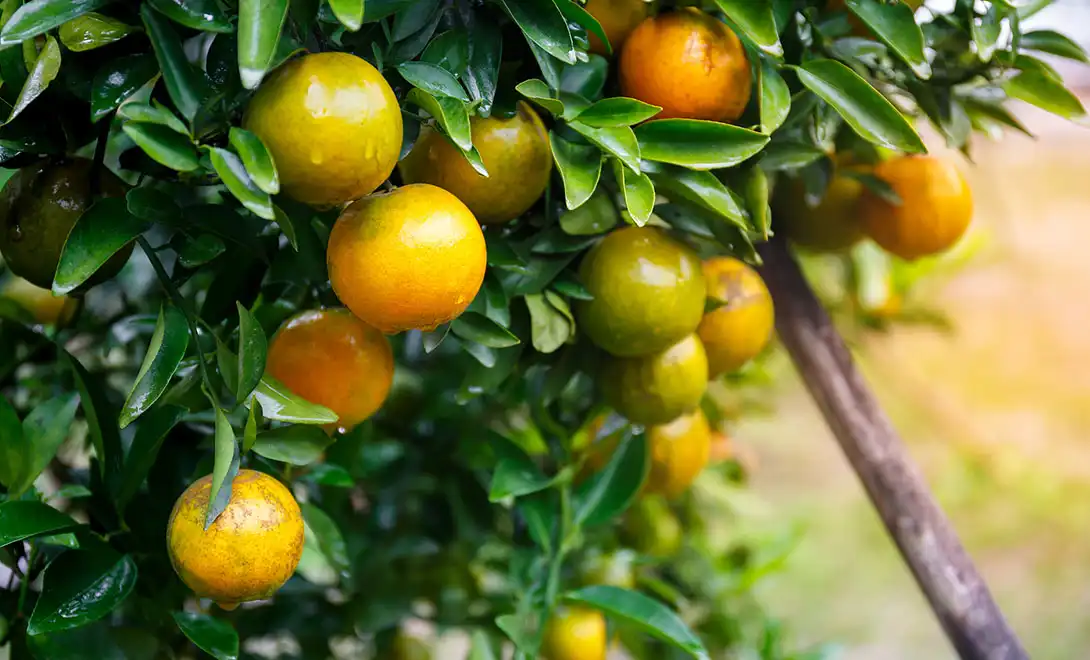
Future Outlook for Antiviral Peptides in Citrus Greening Control
Technological Development Trends
Ongoing advances in peptide engineering, formulation science, and delivery systems continue to improve bioavailability and field performance. Precision agriculture tools may further enhance effectiveness by aligning peptide applications with disease pressure and orchard monitoring data.
Investment in peptide biotechnology is driving innovation toward more targeted, cost-efficient, and region-specific solutions.
Market Adoption and Strategic Value
Industry analyses indicate strong growth potential for peptide-based agricultural products, driven by demand for sustainable disease control and regulatory support for biologically derived inputs.
For commercial citrus growers, incorporating antiviral peptides into long-term HLB management strategies offers a pathway to improved orchard longevity, reduced chemical reliance, and enhanced fruit quality.
Conclusion
Current scientific evidence suggests that antiviral peptides represent a promising and environmentally compatible approach for managing citrus greening disease. By combining multiple mechanisms of pathogen suppression with plant immune enhancement, peptide-based solutions can support integrated HLB control strategies without the drawbacks associated with conventional chemical treatments.
High-quality peptide formulations—when properly sourced and applied—may serve as valuable components of sustainable citrus production systems facing ongoing disease pressure.
FAQ
1. How do antiviral peptides target HLB-associated bacteria?
Antiviral peptides act through multiple pathways, including membrane disruption and inhibition of essential bacterial processes, while simultaneously activating citrus immune responses.
2. Are peptide treatments safe for orchard ecosystems?
Quality peptide formulations show favorable safety profiles for beneficial insects, soil microorganisms, and the surrounding environment. Their biodegradable nature minimizes residue risks.
3. How do costs compare with traditional HLB control methods?
Although initial input costs may be higher, long-term benefits include reduced application frequency, improved tree health, and better fruit quality, which can offset expenses over time.
4. What application methods are commonly used?
Antiviral peptides can be applied via foliar spray, soil drench, trunk injection, or integrated into standard IPM programs, offering flexibility without specialized equipment.
Partner with LYS for Advanced Antiviral Peptide Solutions
LYS's advanced peptide technology and deep knowledge of the agricultural business can help experts looking for new ways to handle HLB. Our wide range of products includes both research-grade and commercial-scale antiviral peptide formulas made just for controlling fruit pathogens. With more than 70 years of experience in bioengineering and the ability to produce more than 10,000 MT per year, LYS is a trusted provider of antiviral peptides to farming markets around the world. You can find out more about customized peptide solutions for protecting citrus fruits by emailing alice@aminoacidfertilizer.com or visiting lyspeptide.com.
References
1. Smith, J.A., et al. "Antimicrobial Peptide Applications in Plant Disease Management." Journal of Agricultural Biotechnology, Vol. 45, 2023, pp. 123-145.
2. Rodriguez, M.C., and Williams, P.R. "Economic Impact Assessment of Huanglongbing on Global Citrus Production." International Citrus Research Review, Vol. 28, 2022, pp. 67-89.
3. Chen, L., et al. "Molecular Mechanisms of Peptide-Based Pathogen Control in Citrus Systems." Plant Protection Science Quarterly, Vol. 39, 2023, pp. 234-256.
4. Thompson, K.E., et al. "Field Evaluation of Bioactive Peptides for HLB Management in Commercial Orchards." Agricultural Innovation Journal, Vol. 31, 2023, pp. 178-195.
5. Anderson, R.J., and Martinez, S.L. "Sustainable Approaches to Citrus Greening Disease Control." Crop Protection Technology Review, Vol. 52, 2022, pp. 345-367.
6. Davis, N.P., et al. "Peptide Formulation Advances in Agricultural Applications." Biotechnology and Agriculture Today, Vol. 41, 2023, pp. 89-112.

Tell us your needs — we’ll provide the right solution for your crops and markets.
Innovating Agriculture with Yeast-Derived Amino Acid Peptides