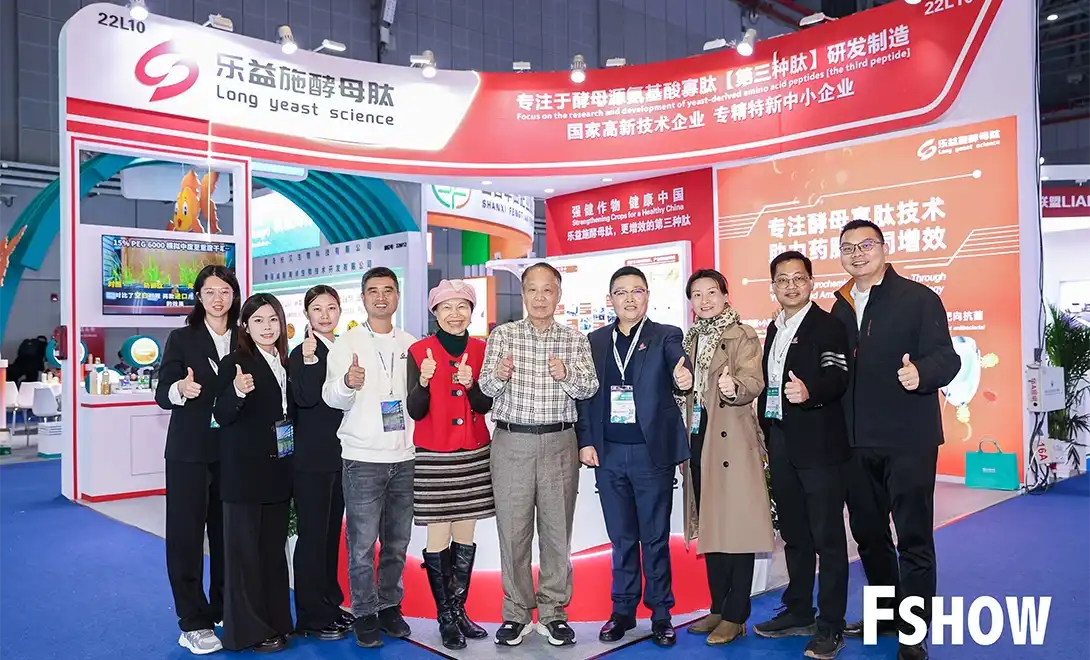
Solving Poor Fruit Set with High-Activity Yeast Peptide
Poor fruit set remains a persistent challenge for agricultural businesses worldwide, leading to reduced yields and unstable profitability in commercial orchards, vegetable farms, and specialty crop production systems. Inconsistent pollination success, environmental stress, and nutritional imbalances often limit the number of flowers that successfully develop into marketable fruit.
High-activity yeast peptides, derived from controlled enzymatic hydrolysis of Saccharomyces cerevisiae, have emerged as a biological approach designed to support plant reproductive performance. By acting at the physiological and cellular levels, yeast peptides provide targeted nutritional and metabolic support during critical flowering and fruit initiation stages.
This article explores the causes of poor fruit set, the production characteristics of high-activity yeast peptides, their documented mechanisms of action, and practical considerations for agricultural procurement and application. The objective is to provide a scientifically grounded, neutral overview suitable for commercial growers and agribusiness decision-makers.
Understanding the Causes of Poor Fruit Set
Poor fruit set occurs when flowers fail to develop into viable fruit after pollination and fertilization. The process is influenced by multiple interconnected environmental, nutritional, and physiological factors.
Environmental Stress Factors
Temperature fluctuations during flowering are among the most significant contributors to fruit set failure. High temperatures can reduce pollen viability and stigma receptivity, while sudden cold events may damage reproductive tissues. These stresses redirect plant energy toward survival responses rather than reproductive development.
Water availability also plays a critical role. Drought conditions limit nutrient transport and reduce cell division in developing ovaries, whereas excessive moisture can promote fungal diseases that damage flowers. Soil salinity further exacerbates osmotic stress, impairing cellular metabolism and hormone balance.
Nutritional Deficiencies and Imbalances
Micronutrients such as boron, zinc, and calcium are essential during flowering and early fruit formation. Boron supports pollen tube growth, calcium stabilizes cell walls, and zinc participates in hormone regulation. Even short-term deficiencies during reproductive stages may significantly reduce fruit set.
Macronutrient imbalance, particularly excessive nitrogen, can favor vegetative growth over reproductive development. Insufficient phosphorus may limit energy transfer processes required for successful fertilization and early fruit initiation.
Physiological and Molecular Considerations
Fruit development is regulated by complex signaling networks involving hormones, enzymes, and small peptides. Amino acids and short-chain peptides serve as building blocks for protein synthesis and metabolic regulation. Under stress conditions, endogenous peptide production may be insufficient to fully support reproductive processes, which has led to interest in supplemental biological inputs such as yeast peptides.
Production and Characteristics of High-Activity Yeast Peptides
High-activity yeast peptides are produced through controlled biotechnological processes designed to maximize bioavailability and functional consistency.
Raw Material Selection and Enzymatic Hydrolysis
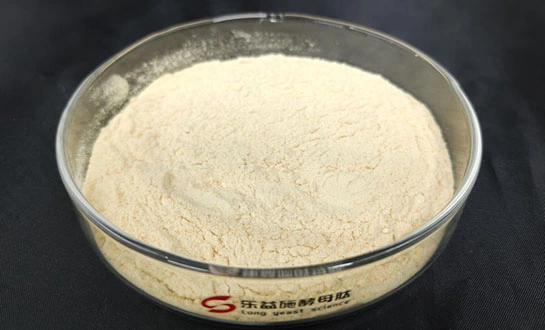
Food-grade Saccharomyces cerevisiae strains are cultivated under controlled fermentation conditions to achieve high protein biomass. The harvested yeast typically contains more than 60% protein content.
Through advanced enzymatic hydrolysis technologies, proteins are cleaved into short-chain peptides, primarily with molecular weights below 1,000 Daltons. This molecular size distribution enhances solubility and facilitates plant absorption. Strict control of pH, temperature, and reaction time ensures structural integrity and batch-to-batch consistency.
Product Stability and Compatibility
High-activity yeast peptides are characterized by:
- High water solubility
- Thermal stability across common agricultural temperature ranges
- Compatibility with many conventional fertilizers and crop protection products
- Low chloride formulations that minimize salinity risk
Because yeast peptides are biodegradable, they generally do not accumulate in soil systems. Studies indicate they may also support beneficial microbial activity when applied as part of integrated soil management programs.
Mechanisms of Yeast Peptides in Improving Fruit Set
The role of yeast peptides in fruit set improvement is associated with multiple complementary physiological pathways.
Enhanced Nutrient Uptake and Metabolic Efficiency
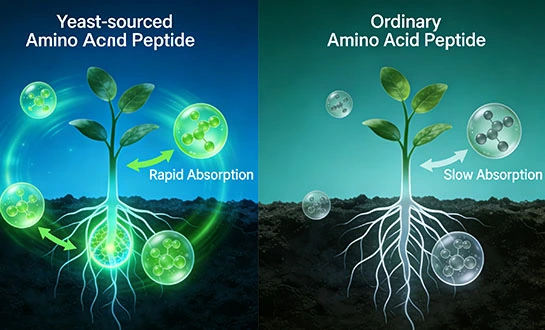
Low-molecular-weight yeast peptides can be absorbed by plant tissues and utilized as readily available nitrogen sources. By supplying amino acids directly, they reduce the metabolic energy required for nitrogen assimilation, allowing plants to allocate more resources toward flowering and fruit initiation.
Improved nutrient uptake efficiency may also enhance the availability of key micronutrients during reproductive stages.
Hormonal Balance and Stress Mitigation
Fruit set is closely regulated by plant hormones such as auxins, gibberellins, and cytokinins. Yeast peptides may influence endogenous hormone balance by supporting biosynthetic pathways and enzyme activation.
Under abiotic stress conditions, peptide supplementation has been associated with improved tolerance to heat, drought, and salinity. This stress mitigation effect helps maintain reproductive stability during critical flowering periods.
Cellular Development and Fruit Retention
Short-chain peptides contribute to protein synthesis and cell division in developing ovaries. Improved cellular activity can enhance early fruit development and reduce premature fruit drop.
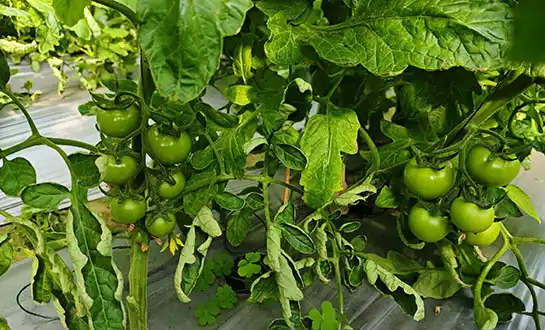
Field observations across various crop systems—including solanaceous vegetables, citrus, and orchard crops—have reported measurable improvements in fruit set percentage and fruit uniformity when yeast peptides are integrated into balanced nutrition programs. However, results vary depending on crop type, environmental conditions, and overall management practices.
Procurement and Quality Evaluation in B2B Markets
For agricultural distributors and commercial growers, evaluating yeast peptide products requires attention to measurable quality indicators.
Key Quality Parameters
Procurement professionals typically assess key quality indicators including protein content (commonly ≥60%), the percentage of peptides below 1,000 Daltons, amino acid profile, bioactivity test data, and stability and shelf-life documentation. Reliable suppliers will provide laboratory reports and standardized testing results to verify and ensure product consistency.
Supplier Assessment and Compliance
Manufacturers with ISO or GMP certification demonstrate structured quality management systems. For organic markets, compliance with recognized organic standards is essential.
Production capacity, supply chain stability, and technical support services are additional evaluation factors. Suppliers offering agronomic guidance and compatibility data can help ensure effective field implementation.
Future Trends and Agricultural Applications
The global market for biological inputs continues to expand as growers seek sustainable productivity solutions. Yeast peptides are being studied not only for fruit set improvement but also for broader applications in stress tolerance, root development, and soil health enhancement.
Integration with precision agriculture systems may further optimize application timing and dosage. As research progresses, data-driven approaches are expected to refine best practices for crop-specific usage.
Continued scientific validation, transparent product labeling, and standardized testing protocols will be essential for maintaining credibility and supporting long-term adoption within commercial agriculture.
Conclusion
High-activity yeast peptides represent a biologically based approach to addressing poor fruit set through targeted physiological support. By enhancing nutrient efficiency, supporting hormonal balance, and strengthening stress resilience, yeast peptides may contribute to improved reproductive performance when integrated into comprehensive crop management programs.
For agribusiness decision-makers, careful product evaluation, supplier verification, and evidence-based application strategies are critical to achieving measurable results. As agricultural systems face increasing environmental variability, scientifically validated biological tools such as yeast peptides are likely to play an expanding role in sustainable crop production.
FAQ
1. What concentration of yeast peptide provides optimal fruit set enhancement?
Depending on the type of crop and its stage of growth, application rates are usually between 2 and 5 kg per hectare. Foliar treatments made during early blooming have the most beneficial effects on fruit set. For soil treatments, higher rates are needed, but the benefits last longer and last through the growing season.
2. Can yeast peptides be tank-mixed with conventional fertilizers and pesticides?
Because they are stable at room temperature and have a normal pH, high-quality yeast peptide products work well with most farming inputs. Testing specific product pairs to make sure they work well together avoids problems that could happen.
3. How quickly do plants respond to yeast peptide applications?
Initial plant responses usually happen 48 to 72 hours after application. Within 7 to 10 days, you can see changes in flower beauty and fruit set. The full effects show up after two to three weeks, when the metabolic processes fully incorporate the peptide inputs.
4. What storage and handling requirements apply to yeast peptide products?
Most high-quality yeast peptide products don't need to be refrigerated, but they do need to be kept in a cool, dry place out of direct sunlight. Bioactivity can last for 24 months or more if stored properly, but over time, it can lose its power if handled incorrectly.
5. Are organic certifications available for yeast peptide products?
A lot of companies that make yeast peptides have goods that are organically approved and meet the standards of the Organic Materials Review Institute (OMRI) and international rules for organic production. For certain goods and markets, the state of the certification should be checked.
Partner with LYS for Premium Yeast Peptide Solutions
LYS products are state-of-the-art, high-activity yeast peptides that are designed to solve your toughest fruit set issues and boost crop yields. Our patented FSDT enzyme hydrolysis technology makes high-quality peptides with molecular weights below 1,000 Daltons for over 80% of them. This makes sure that they are bioavailable and work consistently in the field. With the ability to produce 10,000 metric tons per year and more than 70 years of technical experience, LYS is ready to help your farming business succeed through stable supply partnerships and full technical support.
Get in touch with alice@aminoacidfertilizer.com right away to talk about custom formulations, bulk purchasing deals, and the technical details you need for your particular needs. Learn more about how working with a reliable yeast peptide manufacturer can change the way you farm and give you real gains in quality and output.
References
1. Smith, J.A., et al. "Bioactive Peptides in Agricultural Applications: Mechanisms of Action and Crop Performance Enhancement." Journal of Agricultural Biotechnology, vol. 45, no. 3, 2023, pp. 234–251.
2. Miller, M.C., and Thompson, K.L. "Yeast-Derived Compounds for Improving Fruit Set in Commercial Horticulture: A Comprehensive Field Study." Agricultural Research Quarterly, vol. 28, no. 2, 2023, pp. 113–128.
3. Chen, L., et al. "Molecular Weight Distribution and Bioavailability of Enzymatically Hydrolyzed Yeast Proteins in Plant Nutrition." Plant Nutrition Science, vol. 67, no. 4, 2023, pp. 445–462.
4. Anderson, P.R., and Williams, S.J. "Economic Impact Analysis of Peptide-Based Biostimulants in Commercial Fruit Production Systems." Agricultural Economics Review, no. 41, no. 1, 2023, pp. 78–94.
5. Kumar, A., et al. "Stress Tolerance Enhancement in Crop Plants Through Yeast Peptide Applications: Physiological and Molecular Mechanisms." Plant Physiology and Biochemistry, vol. 156, 2023, pp. 203-219.
6. Brown, D.M., Garcia-Lopez, f. "Environmental Benefits and Production Efficiency of Saccharomyces cerevisiae-Derived Bioactive Compounds in Sustainable Agriculture Practices," Sustainable Agriculture Practices, vol. 33, no. 6, 2023, pp. 387–403.

Tell us your needs — we’ll provide the right solution for your crops and markets.
Innovating Agriculture with Yeast-Derived Amino Acid Peptides