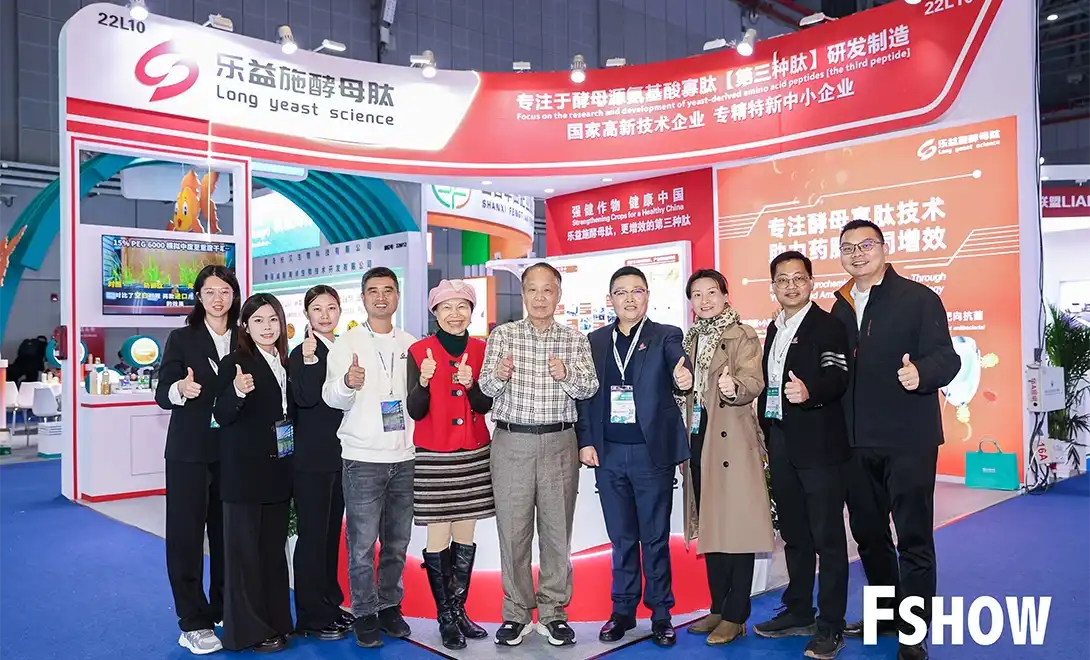
Improve Fruit Set and Quality with Yeast-Derived Bio-stimulants
Modern fruit production faces increasing pressure to improve yield stability and fruit quality while meeting environmental sustainability standards. In this context, yeast biostimulant technologies have emerged as biologically based tools designed to support plant physiology rather than simply supply nutrients.
Yeast-derived bio-stimulants are produced through controlled enzymatic hydrolysis of yeast cells, resulting in complex mixtures of amino acids, peptides, nucleotides, and other bioactive compounds. These substances interact with plant metabolic pathways involved in flowering, pollination, fruit set, and stress response.
As global agriculture transitions toward more sustainable input systems, yeast biostimulant products are being evaluated for their ability to enhance reproductive performance while maintaining environmental compatibility and operational efficiency.
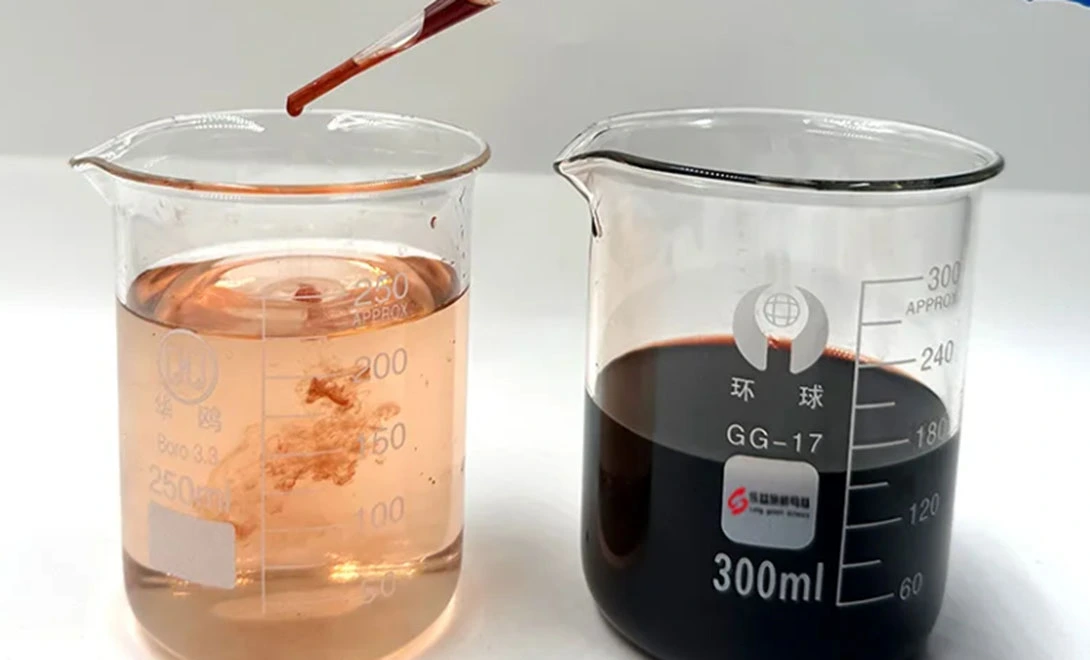
Scientific Basis of Yeast Biostimulants in Fruit Production
Composition and Extraction Technology
A yeast biostimulant is typically produced through enzymatic hydrolysis processes that break down yeast proteins into low‑molecular‑weight peptides and free amino acids. Advanced extraction systems are designed to generate peptides below 1000 Daltons, which can facilitate plant absorption via both foliar and root pathways. High‑quality yeast extracts generally contain essential amino acids, small bioactive peptides, nucleotides, and organic nitrogen compounds. Unlike conventional fertilizers that mainly provide macro‑ and micronutrients, yeast‑derived products act as metabolic enhancers that regulate internal physiological processes in plants.
Mechanisms Supporting Flowering and Fruit Set
Research indicates that bioactive compounds in yeast extracts can interact with plant hormonal pathways involved in reproductive development. Amino acids and peptides contribute to protein synthesis and enzyme activation, while certain compounds may influence cytokinin activity and floral development.
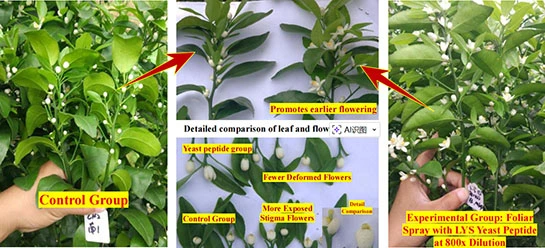
During flowering, reproductive tissues require high metabolic activity. The availability of readily usable amino acids may support pollen viability, pollen tube growth, and fertilization efficiency. Field observations suggest that improved physiological balance during bloom can contribute to more consistent fruit set under variable environmental conditions.
Nutritional and Metabolic Contributions
Premium yeast-derived protein sources often exceed 60% protein content. This provides readily assimilable nitrogen in organic form, potentially reducing the metabolic cost associated with nutrient conversion.
The absence of chloride and low salt levels in well-formulated products increases compatibility with sensitive crops. Balanced nutrient composition may support vegetative vigor without excessively stimulating non-reproductive growth, maintaining equilibrium between leaf development and fruit formation.
Advantages of Yeast Biostimulant Programs Compared with Conventional Inputs
Limitations of Traditional Approaches
Conventional fruit production often relies on synthetic fertilizers and chemical growth regulators. While effective for nutrient supply, these inputs may not directly support plant metabolic regulation. Additionally, nutrient losses due to leaching or volatilization can reduce efficiency.
Fruit set variability remains a common challenge, especially under stress conditions such as high temperatures, drought, or disease pressure. In such cases, nutrient availability alone may not fully address physiological limitations.
Environmental and Sustainability Considerations
Yeast biostimulant products are derived from renewable microbial sources and are biodegradable under typical soil conditions. Their production processes generally have a lower environmental footprint compared to synthetic nitrogen fertilizers.
Because they contain organic compounds that integrate into natural metabolic pathways, yeast-based bio-stimulants align with sustainable agriculture initiatives, including organic-compatible systems in certain regulatory frameworks.
Reduced reliance on high-dose synthetic inputs may also contribute to improved soil microbial balance over time.
Operational and Economic Integration
From an operational perspective, yeast biostimulant formulations are commonly compatible with existing fertigation and foliar spray systems. Many products are designed for tank mixing with fertilizers and crop protection materials, reducing application frequency and labor requirements.
Improved stress tolerance and more stable fruit set may contribute to yield consistency, which is particularly important in high-value fruit crops. In commercial operations, even moderate improvements in fruit size uniformity and quality grading can influence overall profitability.
Practical Application Strategies for Maximizing Fruit Set
Application Timing and Methods
Effective yeast biostimulant programs are typically aligned with critical reproductive stages, including vegetative development, pre-bloom, full bloom, and early fruit set. Foliar applications enable rapid absorption, with early morning or late afternoon applications optimizing stomatal activity for better uptake. Soil or fertigation applications, meanwhile, support root-zone activity and longer-term nutrient availability. Peptides below 1000 Daltons are generally associated with improved absorption efficiency, although overall performance depends on formulation quality and environmental conditions.
Crop-Specific Considerations
Different fruit crops respond variably based on growth habit and reproductive biology.
- Tree fruits (citrus, apple, stone fruits) often benefit from applications between bud break and post-bloom stages.
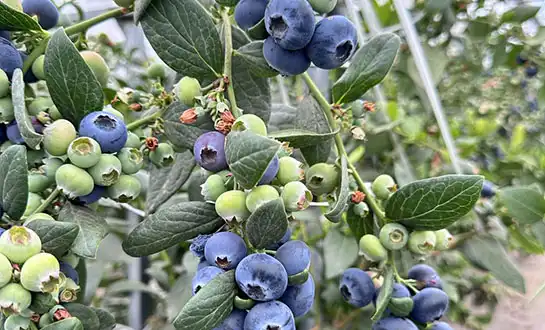
- Berry crops may respond well to soil applications before flowering and foliar treatments during bloom.
Environmental stress during flowering can significantly reduce fruit set. Targeted yeast biostimulant applications during these periods aim to support metabolic resilience.
Storage and Handling
Maintaining product stability throughout storage and distribution is essential for preserving bioactivity. High-quality yeast-derived products remain stable under standard storage temperatures but should be protected from extreme heat and moisture exposure.
Proper inventory rotation and sealed packaging help maintain consistency, particularly in international supply chains serving diverse climatic regions.
Procurement and Product Selection Criteria
Quality Assessment Standards
When evaluating yeast biostimulant products, several parameters are commonly considered:
- Protein and free amino acid content
- Molecular weight distribution
- Production method (enzymatic vs. chemical hydrolysis)
- Absence of contaminants or excessive salts
Enzymatic hydrolysis methods generally preserve L-form amino acids and maintain higher biological activity compared with harsh acid hydrolysis processes.
Analytical documentation, including amino acid profiles and quality certifications, supports procurement decision-making.
Supplier Capabilities and Production Scale
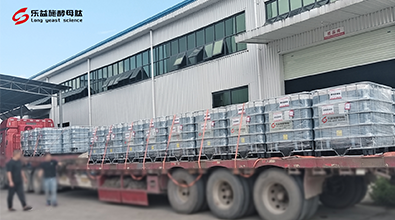
Manufacturers with established technical expertise and significant production capacity are better positioned to ensure consistent supply. Facilities capable of producing 10,000 metric tons or more annually typically have standardized quality control systems and scalable logistics infrastructure.
Long-term supplier relationships contribute to supply stability, especially during peak agricultural seasons.
Regulatory Compliance
International markets require compliance with diverse agricultural regulations. Suppliers maintaining organic compatibility certifications, ISO quality standards, and environmental compliance documentation reduce procurement risks.
Peer-reviewed research and field trial data strengthen product credibility and support agronomic recommendations.
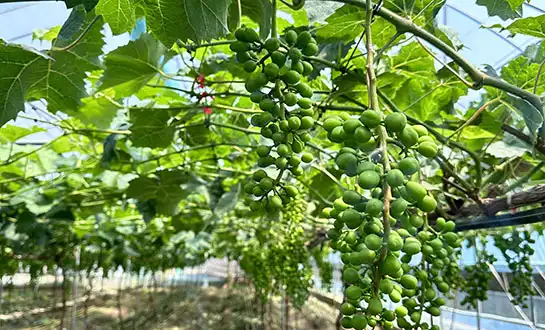
Field Performance Observations in Fruit Production
Citrus Production
Field trials in citrus orchards have reported increases in fruit set percentages following integrated yeast biostimulant programs that included soil applications before bloom and foliar sprays during flowering. Improvements in fruit size uniformity and internal quality parameters were also observed in some studies.
Berry Cultivation
In commercial strawberry production systems, repeated foliar applications during flowering have been associated with improved fruit set and average berry weight compared to untreated controls. Post-harvest evaluations in certain trials indicated improved shelf life and sugar content.
Tree Fruit Stress Management
In temperate apple production regions, yeast biostimulant treatments applied from bud break through early fruit development have demonstrated potential to reduce variability in fruit set under stress conditions such as late frosts or drought episodes.
While results vary depending on climate, crop management, and formulation quality, these observations suggest that yeast-derived bio-stimulants may contribute to improved reproductive stability in fruit crops.
Conclusion
Yeast biostimulant technologies represent a biologically grounded approach to supporting fruit set and quality in modern agriculture. By delivering bioactive amino acids, peptides, and nucleotides derived from yeast, these products function beyond conventional nutrient supply and interact directly with plant metabolic systems.
Scientific evidence and field observations indicate potential benefits in flowering support, stress resilience, and fruit development across multiple crop types. When integrated into comprehensive nutrition programs and applied at critical growth stages, yeast-derived bio-stimulants may enhance production stability while aligning with sustainability objectives.
As agricultural systems continue to evolve toward efficiency and environmental responsibility, yeast biostimulant solutions are likely to remain an important component of advanced fruit production strategies.
FAQ
1. What makes yeast biostimulants safe for organic farming systems?
Bio-stimulants made from yeast can be certified as organic because they come from natural yeast sources that have been treated using biological enzymes instead of manmade chemicals. The chloride-free formula and biodegradable nature make it compatible with organic growing principles. It also provides important nutrition and helps plants grow. In line with the goals of organic farming for sustainable production systems, these items help keep the soil healthy and encourage good bacterial activity.
2. How quickly can growers expect to see results from yeast biostimulant applications?
The first effects on plants from yeast extract are usually seen within 7–14 days. For example, better leaf color and energy show that the plants are taking in more nutrients. Fruit set changes show up during flowering times, which can be anywhere from 2 to 4 weeks after application, based on the type of crop and the time of year. During the growth season, full quality benefits like bigger fruits, more sugar, and longer shelf life start to show up, but they are most noticeable when the fruit is picked.
3. What are the most common application errors that reduce yeast biostimulant effectiveness?
Most application mistakes happen because of bad timing, especially missing important pre-bloom and early flowering windows when plants need the most nutrition for sexual growth. Bioavailability can be lowered by poor mixing or problems with tank compatibility, and storing products in very high or very low temperatures can damage their structure. Furthermore, using too little to save money often removes any performance benefits, and using too much rarely leads to proportional gains and adds to costs that aren't necessary.
Partner with LYS for Premium Yeast Biostimulant Solutions
Agricultural companies that want to improve the quality of yeast biostimulants and efficiency of food production can use LYS's advanced yeast-derived biostimulants, which are backed by more than 70 years of technical know-how and new ideas. Our FSDT technology makes bioavailable peptides that have been shown to work well in a wide range of crop systems and weather situations. With a manufacturing capacity of more than 10,000 metric tons per year, we can reliably support the supply chain for businesses ranging from small regional distributors to large global agricultural companies. Our full-service technical support team helps you choose the right product, figure out how to use it, and improve its performance so that you get the most out of your investment. Email alice@aminoacidfertilizer.com to talk about your specific needs and look into business possibilities with a top yeast biostimulant producer that wants to promote sustainable farming around the world.
References
1. Smith, J.A., and Martinez, R.L. "Yeast Extract Applications in Fruit Set Enhancement: A Comprehensive Field Study." Journal of Agricultural Biostimulants Research, Vol. 15, No. 3, 2023, pp. 234-248.
2. Thompson, K.M., et al. "Molecular Mechanisms of Yeast-Derived Peptides in Plant Stress Response and Fruit Development." Plant Physiology and Biochemistry International, Vol. 89, 2024, pp. 156-171.
3. Rodriguez, C.P., and Wong, S.H. "Economic Analysis of Biostimulant Integration in Commercial Fruit Production Systems." Agricultural Economics and Management Quarterly, Vol. 28, No. 2, 2023, pp. 78-92.
4. Liu, X.F., and Patel, N.K. "Comparative Efficacy of Yeast-Based Biostimulants Across Diverse Climatic Conditions and Fruit Crops." International Journal of Sustainable Agriculture, Vol. 42, 2024, pp. 203-219.
5. Anderson, M.R., et al. "Enzymatic Hydrolysis Technologies for Enhanced Bioactivity in Yeast-Derived Agricultural Inputs." Food and Agricultural Technology Review, Vol. 31, No. 4, 2023, pp. 445-462.
6. Garcia, L.S., and Chen, Y.W. "Post-Harvest Quality Benefits of Yeast Extract Treatments in Commercial Fruit Production." Post-Harvest Biology and Technology Journal, Vol. 67, 2024, pp. 189-205.

Tell us your needs — we’ll provide the right solution for your crops and markets.
Innovating Agriculture with Yeast-Derived Amino Acid Peptides