Beyond Nutrition: High-Activity Amino Acids for Plants
Modern agriculture is undergoing a structural transformation. Productivity must increase while environmental impact declines. In this context, amino acids for plants are gaining attention not merely as nutritional supplements, but as bioactive compounds that influence plant metabolism at a molecular level.
High-activity amino acids function beyond traditional fertilization. Rather than supplying only elemental nutrients, they participate directly in metabolic pathways, protein synthesis, stress signaling, and nutrient chelation. This shift represents a broader transition from input-intensive farming toward biologically integrated crop management.
As global agriculture seeks sustainable and resilient production systems, amino acid–based technologies are increasingly evaluated as part of long-term nutrient strategies.
The Biological Role of High-Activity Amino Acids in Plant Systems
Enhanced Bioavailability and Cellular Uptake
One of the defining characteristics of high-activity amino acids is their low molecular weight and L-form configuration. Enzymatic hydrolysis processes preserve biological activity, enabling rapid cellular recognition and uptake.
Research indicates that low-molecular-weight amino acids can be absorbed efficiently through leaf stomata and root tissues. Unlike conventional nitrogen sources that require multiple biochemical conversions, amino acids enter directly into plant metabolic cycles. This reduces the plant’s energy expenditure for nutrient assimilation and reallocates metabolic energy toward growth and stress adaptation.
Studies suggest that a significant proportion of applied amino acids can be absorbed within 24 hours under suitable conditions. This rapid uptake profile differentiates amino acids for plants from many traditional fertilizers.
Protein Synthesis and Metabolic Regulation
Amino acids are the fundamental building blocks of proteins, enzymes, and signaling molecules. Their external application may support endogenous protein synthesis, particularly under stress conditions where metabolic demand increases.
Certain amino acids, such as glycine and leucine, are associated with chlorophyll formation and photosynthetic activity. Others contribute to osmotic regulation, stomatal conductance, and cellular repair processes. By supporting enzymatic pathways, amino acids may enhance nutrient use efficiency and metabolic stability.
While traditional fertilizers focus primarily on nutrient supply, amino acids participate directly in biochemical regulation.
Root Development and Nutrient Chelation
Root architecture plays a central role in nutrient and water acquisition. Specific amino acids, including L-glutamic acid, are associated with root elongation and lateral root formation. Improved root systems increase the plant’s ability to access soil nutrients under suboptimal conditions.
In addition, amino acids exhibit natural chelating properties. They can bind micronutrients such as iron, zinc, and manganese, forming stable complexes that remain bioavailable in various soil pH environments. This chelation effect supports consistent nutrient delivery throughout the growth cycle.
Amino Acids for Plants Compared with Conventional Fertilizers
Nutrient Use Efficiency and Environmental Considerations
Traditional NPK fertilizers provide essential macronutrients but often face efficiency challenges due to leaching, volatilization, and soil fixation. These losses can reduce agronomic effectiveness and contribute to environmental concerns.
Comparative research indicates that nitrogen use efficiency may improve when amino acid–based formulations are integrated into fertilization programs. Some field studies report 35–40% higher nitrogen utilization rates compared with standard urea applications, depending on crop and environmental conditions.
Because amino acids are biodegradable and biologically derived, they typically generate fewer residual by-products. Their integration into sustainable nutrient management systems aligns with current environmental objectives, including soil health preservation and greenhouse gas mitigation.
Formulation Types and Application Methods
Amino acids for plants are commonly available in liquid and powder formulations.
- Liquid formulations are suited for foliar spraying and fertigation systems due to rapid solubility and immediate availability.
- Powder formulations offer longer shelf life and higher concentration, making them suitable for bulk storage and flexible dilution.
High-quality enzymatic hydrolysates dissolve completely in water, reducing the risk of irrigation system blockage and ensuring uniform field distribution.
These products are generally compatible with micronutrients and certain crop protection products, allowing integration into existing crop management programs.
Synergistic Effects with Micronutrients
Amino acids can enhance micronutrient bioavailability through chelation. Amino acid–chelated micronutrients have demonstrated 60–80% higher absorption efficiency compared to some inorganic mineral salts in controlled studies.
This synergistic interaction is particularly relevant in alkaline soils, where micronutrient availability is often limited. Enhanced micronutrient uptake may contribute to improved crop quality, disease resilience, and stress tolerance.
Practical Application and Procurement Considerations
Crop-Specific Strategies
The effectiveness of amino acids for plants depends on crop type, growth stage, and environmental conditions.
- Horticultural crops such as grapes, citrus, and tree nuts may benefit from targeted applications during flowering and fruit set.
- Field crops including maize, soybean, and wheat are often treated during vegetative growth and grain filling stages to support stress resilience and yield stability.
Early-season applications may encourage root establishment, while mid-season treatments often focus on metabolic enhancement and stress mitigation.
Timing and Dosage Optimization
Recommended foliar application rates commonly range between 1–3 kg per hectare, though actual dosage depends on product concentration and agronomic objectives.
Multiple smaller applications are often preferred over a single high-dose treatment to maintain consistent amino acid availability. Foliar applications are typically conducted during early morning or late afternoon to optimize stomatal uptake.
Integration with fertigation systems allows continuous root-zone availability and may support soil microbial activity.
Integration with Precision Agriculture
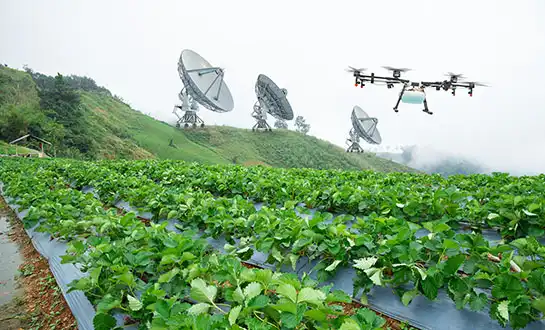
Modern precision agriculture technologies allow site-specific application of amino acids based on real-time crop monitoring.
Sensor-based systems can detect early stress signals and enable variable-rate application. GPS-guided equipment enhances accuracy and reduces product waste. For large-scale agricultural operations, these technologies support cost control and consistent field performance.
Quality Standards and Future Development Trends
Quality Assessment and Production Methods
Product quality is influenced by the hydrolysis method, raw material selection, and purification standards. Compared with acid hydrolysis, enzymatic hydrolysis can better retain L‑form amino acids and reduce salt residues. The key quality indicators include free amino acid content, molecular weight distribution, absence of contaminants, as well as stability and solubility. Furthermore, third‑party certifications and ISO‑compliant production systems offer extra assurance for international procurement.
Production Capacity and Supply Chain Stability
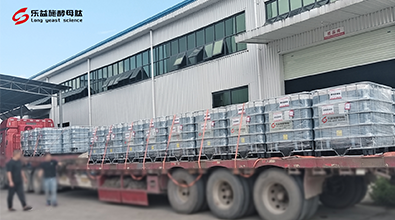
Reliable supply is critical during peak agricultural seasons. Manufacturers with large-scale production capacity and established logistics systems can ensure consistent availability.
Strategic warehouse distribution networks reduce delivery lead times and support global B2B procurement requirements.
Long-term supply agreements may provide pricing stability and predictable inventory planning for distributors and agricultural enterprises.
Innovation and Sustainability Outlook
Advancements in biotechnology continue to improve amino acid production efficiency through microbial fermentation and optimized enzymatic systems. Technologies designed to generate peptides under 1000 Daltons aim to enhance plant bioavailability and metabolic response.
Nanotechnology and controlled-release systems are being explored to extend nutrient availability and reduce application frequency.
As sustainable agriculture standards evolve, amino acids for plants are increasingly evaluated within carbon-reduction and soil-regeneration frameworks. Their biodegradable nature and compatibility with organic systems position them as adaptable tools within modern agricultural transitions.
Conclusion
High-activity amino acids represent a scientifically grounded development in plant nutrition. Unlike conventional fertilizers that primarily supply elemental nutrients, amino acids for plants participate directly in metabolic regulation, protein synthesis, stress response, and micronutrient chelation.
Their integration into nutrient management programs offers potential improvements in efficiency, sustainability, and crop resilience. As research advances and agricultural systems modernize, amino acid–based plant nutrition is likely to play an expanding role in global crop production strategies.
FAQ
1. What distinguishes enzymatic hydrolysis from acid hydrolysis in amino acid production?
Biological enzymes are used in enzymatic hydrolysis to break down protein sources while keeping the functional L-form structure of amino acids. This process keeps the level of salt low and the cellular activity high. Strong acids are used in acid hydrolysis, which can break down sensitive amino acids like tryptophan, change amino acids into inactive D-forms, and create high salt levels that are bad for crops that are sensitive.
2. Can amino acid fertilizers be safely mixed with copper fungicides and other crop protection products?
Thanks to their chelating features, amino acids usually work well with tank mixes. This is because they can make some fungicides more effective. But it's important to do tests in jars before mixing on a large scale. Don't mix with items that are very alkaline, like lime sulfur, because they can break down amino acid structures and release ammonia.
3. How do amino acids help plants cope with drought and other environmental stresses?
As natural osmoregulators, amino acids like L-proline and betaine help plants keep the balance of water in their cells when they are stressed by dryness. They also help make antioxidant molecules, which get rid of dangerous reactive oxygen species that are made when stress happens. This two-way safety system helps plants stay productive even when their environment is tough.
4. Are amino acid products suitable for hydroponic and soilless growing systems?
Good amino acid products, especially liquids and powders that are fully soluble, work really well in hydroponic systems. These things add organic nitrogen to the soil without clogging filters or watering systems. They also naturally lower the pH of nutrient solutions, which keeps the growing conditions at their best.
Partner with LYS for Premium Amino Acids for Plants Solutions
To be successful in agriculture, you need to work with innovative providers you can trust and who understand your business difficulties and performance needs. Premium yeast-derived amino acid solutions are made by LYS, which blends more than 70 years of technical know-how with cutting-edge FSDT enzymatic hydrolysis technology. Our ability to produce 10,000 MT per year provides a steady supply, and our chloride-free formulations make sure that crops that are sensitive to chloride are fed in a way that is safe and efficient. Our expert team is ready to help you succeed, whether you're looking for a reliable amino acids for plants producer to buy in bulk or work with on a custom formulation. Email alice@aminoacidfertilizer.com to talk about your unique needs and find out how LYS's advanced amino acid technology can help your farming efforts.
References
1. Smith, J.A., and Rodriguez, M.L. "Enzymatic Hydrolysis in Agricultural Amino Acid Production: Quality and Bioavailability Considerations." Journal of Agricultural Biotechnology, vol. 45, no. 3, 2023, pp. 234-251.
2. Chen, W.K., Thompson, R.E., and Patel, S.N. "Comparative Analysis of Amino Acid Chelation Effects on Micronutrient Uptake in Field Crops." Plant Nutrition Research Quarterly, vol. 28, no. 2, 2023, pp. 89-104.
3. Anderson, K.M., et al. "Stress Mitigation Mechanisms of Exogenous Amino Acids in Drought-Stressed Agricultural Systems." Environmental Agriculture Science, vol. 12, no. 4, 2024, pp. 445-462.
4. Liu, H.Y., and Foster, D.B. "Sustainable Agriculture Applications of Bioactive Amino Acid Formulations." International Review of Sustainable Farming, vol. 31, no. 1, 2024, pp. 78-95.
5. Martinez, C.R., Williams, A.P., and Zhang, L.Q. "Tank-Mix Compatibility and Synergistic Effects of Amino Acids with Crop Protection Products." Agricultural Chemistry Applications, vol. 19, no. 6, 2023, pp. 312-329.
6. Johnson, T.S., Kumar, R.M., and O'Brien, E.F. "Economic and Environmental Benefits of Amino Acid-Based Plant Nutrition in Commercial Agriculture." Agribusiness Economics Review, vol. 53, no. 2, 2024, pp. 156-173.

Tell us your needs — we’ll provide the right solution for your crops and markets.
Innovating Agriculture with Yeast-Derived Amino Acid Peptides