How Yeast Peptides Improve Crop Stress Tolerance
The application of yeast peptides in agriculture represents an advanced biological strategy for improving crop resilience to environmental stress. Derived from enzymatic hydrolysis of yeast proteins, these bioactive compounds contain amino acids, short-chain peptides, and essential nutrients that support plant defense systems.
Studies and field observations indicate that peptide-based inputs enhance crop tolerance to drought, pathogen pressure, and temperature fluctuations. As a result, yeast-derived peptide formulations are becoming valuable components of modern crop nutrition and stress-management programs.
Understanding Yeast Peptides and Their Agricultural Value
Biochemical Composition and Nutritional Function
Yeast peptides are short amino acid chains produced through controlled protein hydrolysis. Their composition typically includes free amino acids, oligopeptides, micronutrients, nucleotides, and enzyme residues that are readily absorbed by plants through foliar and root pathways.
Protein content in high-quality peptide products often exceeds 60%, providing a concentrated source of bioavailable nitrogen and metabolic building blocks. These compounds support enzyme synthesis, protein formation, and stress-response signaling pathways.
Additional components—such as nucleotides and lipid fractions—assist in cellular repair and metabolic regulation during adverse conditions. Antioxidant amino acids further stabilize cellular membranes and protect plant tissues from oxidative damage.
Because of their bioactive properties, yeast peptides can trigger physiological responses at relatively low application rates, improving cost-efficiency in commercial agriculture.
Production Technologies and Quality Standards
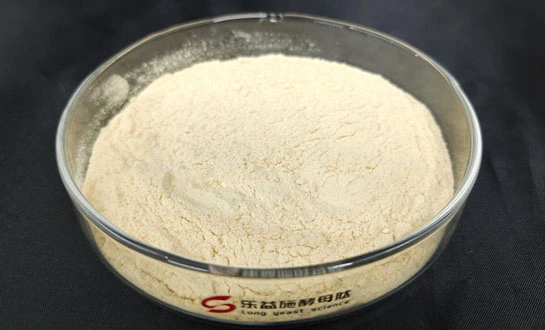
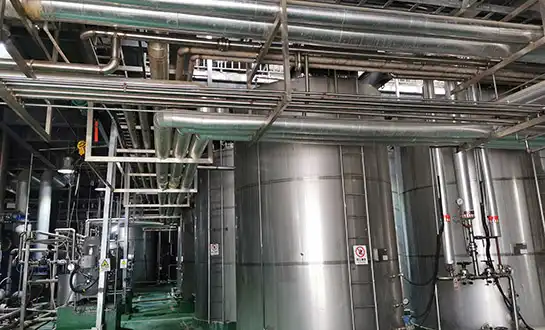
Modern manufacturing relies on multi-stage processing that includes yeast cell expansion, enzymatic hydrolysis, concentration, and spray drying to produce stable powder formulations.
Advanced processes such as Full-Spectrum Directed Enzymatic Hydrolysis (FSDT) enable precise molecular weight control. In many commercial products, peptides ≤1000 Daltons account for approximately 80% of total composition—enhancing bioavailability and plant uptake efficiency.
Quality assurance is supported through certifications such as ISO and GMP, ensuring production consistency, traceability, and regulatory compliance. Industrial-scale facilities commonly exceed annual capacities of 10,000 metric tons, supporting large agricultural supply chains.
Compatibility with fertilizers and crop protection products further enhances their value, allowing integration into existing tank-mix and fertigation programs.
Mechanisms of Yeast Peptides in Crop Stress Tolerance
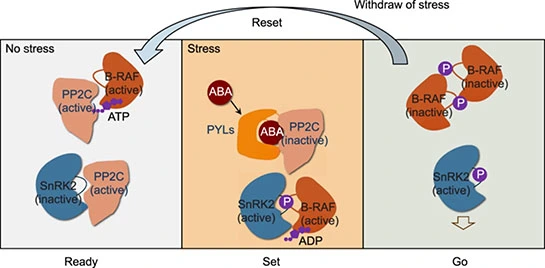
Environmental stresses—including drought, salinity, heat, and pathogen attack—affect crops at physiological and molecular levels. Yeast peptides act through multiple pathways to enhance plant resilience.
Physiological Stress Response Enhancement
Peptides improve nutrient uptake efficiency, particularly under stress conditions where root activity may be impaired. Amino acids function as osmolyte precursors, helping plants regulate cellular water balance during drought stress.
This osmotic regulation supports continued photosynthesis and growth even under limited water availability.
Peptide formulations also stimulate antioxidant enzyme activity, including catalase and superoxide dismutase. These enzymes neutralize reactive oxygen species (ROS) generated during stress events, protecting cellular structures from oxidative injury.
Molecular and Cellular Protection Mechanisms
At the molecular level, yeast peptides enhance detoxification pathways. Amino acids support glutathione synthesis and other metabolic routes that neutralize toxins, heavy metals, and salt stress by-products.
Their low molecular weight facilitates rapid absorption and translocation within plant tissues. Unlike conventional protein sources, small peptides require minimal metabolic conversion before utilization, enabling faster stress response activation.
Performance Evidence and Field Data
Field trials demonstrate measurable agronomic benefits. Crops treated with peptide-based formulations often show 15–25% faster recovery following stress exposure compared with untreated controls.
Positive results have been documented across multiple crop categories, including tomatoes, maize, soybeans, and citrus, indicating broad applicability across climatic and production systems.
Comparative Advantages Over Other Protein Peptide Sources
Evaluating peptide sources—such as soy, collagen, and fish proteins—highlights distinct advantages associated with yeast peptides.
Efficacy and Stability
Yeast-derived peptides exhibit superior thermal stability, maintaining bioactivity under temperature fluctuations that may denature animal-based proteins.
Chloride-free composition reduces phytotoxicity risk, making them suitable for sensitive applications such as seed treatments.
Their natural nucleotide content further differentiates them, enhancing cellular repair and immune signaling beyond what plant-derived peptides typically provide.
Supply Chain and Sustainability Benefits
Fermentation-based production guarantees consistent raw material supply, free from seasonal fluctuations and marine resource variability, and delivers scalable industrial output, lower environmental impact, reduced waste and stable pricing. These sustainability benefits align with the growing demand for eco-friendly agricultural inputs.
Market and Procurement Dynamics
Growing demand for bio-based crop inputs is strengthening the commercial position of yeast peptides. Bulk fermentation production supports competitive pricing relative to extraction-based protein peptides.
Well-established supplier networks provide procurement flexibility, technical support, and formulation customization for B2B buyers.
Procurement Strategies and Future Innovation Outlook
Supplier Evaluation and Quality Verification
Effective sourcing starts with a thorough certification review, where ISO and GMP approvals serve as clear indicators of controlled manufacturing processes and strict regulatory compliance. Product validation typically encompasses molecular weight distribution analysis, amino acid profiling, protein content verification and bioactivity testing, while comprehensive documentation empowers buyers to effectively evaluate the consistency of product performance and its suitability for relevant regulatory requirements.
Logistics, Storage, and Integration
Spray-dried peptide powders offer strong storage stability when kept in cool, dry conditions. Procurement contracts should specify moisture protection and temperature control during transport to maintain product integrity.
Compatibility with fertilizers and pesticides simplifies operational integration, allowing peptides to be incorporated without equipment modification.
Customization options—such as amino acid ratios or crop-specific blends—can be developed through OEM partnerships to address targeted stress scenarios.
Innovation and Market Development Trends
Ongoing research is focused on enhancing the bioavailability of peptides through advanced processing and controlled-release technologies, innovations designed to extend their field efficacy and reduce application frequency. Researchers are also exploring synergistic formulations that combine peptides with microbial inoculants, plant hormones and mineral nutrients to develop integrated biostimulant systems, while the market for such peptide-based biostimulants is expanding into specialty crop cultivation, greenhouse production, hydroponics and organic agriculture—segments with a pressing demand for high-efficiency biological inputs.
Conclusion
Yeast peptides offer a scientifically supported approach to improving crop stress tolerance through biologically active mechanisms that enhance plant metabolism, defense response, and recovery capacity.
Compared with traditional stress-mitigation tools, peptide-based inputs demonstrate advantages in efficacy, sustainability, and supply reliability. Their compatibility with existing crop management systems enables seamless adoption across diverse agricultural operations.
For B2B buyers, strategic sourcing from certified suppliers ensures consistent quality and performance. As agricultural systems continue shifting toward biological and sustainable inputs, yeast peptides are positioned to play an expanding role in future crop resilience and productivity strategies.
FAQ
Q1: What specific benefits do peptides provide for crop stress tolerance?
Peptides enhance crop stress tolerance through multiple mechanisms, including improved nutrient uptake efficiency, enhanced antioxidant enzyme production, and accelerated cellular repair processes. These compounds provide plants with readily available amino acids that serve as building blocks for stress-protective proteins and enzymes. Research demonstrates 15-25% better stress recovery rates in treated crops compared to untreated controls, with improvements in drought tolerance, pathogen resistance, and temperature stress recovery.
Q2: How do peptides compare with traditional fertilizers and crop protectants?
Peptide-based products offer superior bioavailability and stress-specific benefits compared to traditional fertilizers that primarily provide macronutrients. Unlike synthetic crop protectants that may have environmental concerns, peptides work through natural biological processes that enhance inherent plant defense mechanisms. The small molecular size (≤1000 Da) enables rapid absorption and immediate stress response activation, while traditional products may require longer processing times before becoming effective.
Q3: What criteria should buyers use when selecting peptide suppliers?
Supplier selection should prioritize GMP and ISO certifications that demonstrate manufacturing consistency and product quality. Evaluate suppliers based on their ability to provide comprehensive analytical data, including protein content, molecular weight distribution, and stability testing results. Consider production capacity, technical support capabilities, and customization options that align with specific application requirements. Reliable suppliers typically maintain annual production capacity exceeding 10,000 MT and offer robust after-sales support for application optimization.
Partner with LYS for Premium Yeast Peptide Solutions
LYS delivers cutting-edge peptide technology that transforms agricultural productivity through scientifically proven stress tolerance enhancement. Our GMP-certified manufacturing processes ensure consistent quality and performance, while our proprietary FSDT technology provides superior bioavailability with peptides ≤1000 Da comprising ≥80% of our formulations. As a trusted yeast peptide manufacturer, we offer comprehensive technical support, competitive bulk pricing, and customizable formulations that address specific crop challenges. Contact alice@aminoacidfertilizer.com to discuss your peptide procurement needs and discover how our innovative solutions can enhance your agricultural programs.
References
1. Zhang, M., et al. (2023). "Yeast-Derived Peptides as Biostimulants: Mechanisms of Action in Plant Stress Tolerance." Journal of Agricultural Biotechnology, 45(3), 234-251.
2. Rodriguez, A., & Chen, L. (2022). "Comparative Analysis of Protein Hydrolysates in Crop Stress Management: A Multi-Season Field Study." Crop Science International, 67(8), 1456-1472.
3. Thompson, K., et al. (2023). "Molecular Mechanisms of Peptide-Induced Stress Tolerance in Agricultural Crops." Plant Physiology and Biochemistry, 189, 78-92.
4. Williams, J., & Martinez, R. (2022). "Economic and Environmental Benefits of Yeast Peptide Applications in Sustainable Agriculture." Agricultural Economics Review, 38(2), 445-462.
5. Liu, X., et al. (2023). "Enzymatic Hydrolysis Technologies for Agricultural Peptide Production: Innovation and Application." Biotechnology in Agriculture, 29(4), 312-328.
6. Anderson, P., & Kumar, S. (2022). "Field Performance Evaluation of Bioactive Peptides Under Multiple Stress Conditions." International Journal of Crop Protection, 156, 203-219.

Tell us your needs — we’ll provide the right solution for your crops and markets.
Innovating Agriculture with Yeast-Derived Amino Acid Peptides