Fruit Tree Fertilizers: Nutrition Strategies for Long-Term Yield
Developing effective feeding programs for commercial orchards requires a comprehensive understanding of how proper fertilization influences long-term productivity. Modern fruit tree fertilizers are formulated to deliver balanced macronutrients and micronutrients essential for sustained vegetative growth, reproductive performance, and premium fruit quality.
Successful orchard operations depend on structured fertilization strategies that account for annual nutrient demand, soil fertility status, crop variety, and climatic conditions. Selecting the right fertilizer formulations ensures consistent performance across diverse growing environments while maintaining cost efficiency for large-scale production systems.
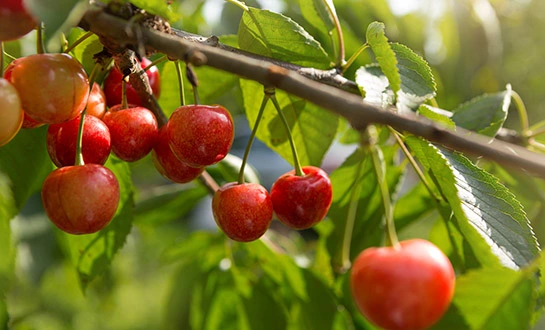
Understanding Fruit Tree Nutritional Requirements
Meeting the precise nutritional demands of fruit trees is fundamental to building productive, long-lasting orchards. Nutrient imbalances can reduce fruit set, impair quality, and limit tree vigor over time.
Essential Macronutrient Functions
Nitrogen, phosphorus, and potassium form the nutritional foundation of fruit tree fertilizers.
- Nitrogen (N) drives vegetative growth and canopy development, directly influencing photosynthetic capacity. However, excessive nitrogen can stimulate foliage growth at the expense of fruit production.
- Phosphorus (P) plays a critical role in root establishment, flowering, and early fruit formation—particularly important for young trees during orchard establishment.
- Potassium (K) enhances fruit size, coloration, sugar accumulation, and disease resistance while improving tolerance to drought and temperature stress.
Balanced N-P-K ratios are therefore essential for aligning vegetative and reproductive growth.
Critical Micronutrient Roles
In addition to macronutrients, micronutrients are indispensable in commercial fruit production systems.
- Iron deficiency often results in chlorosis, especially in alkaline soils.
- Zinc deficiency restricts shoot growth and flower formation.
- Manganese deficiency contributes to interveinal chlorosis and reduced photosynthesis.
- Boron is essential for pollen tube development and fruit set.
- Calcium supports cell wall strength and prevents disorders such as blossom-end rot and bitter pit.
High-performance fruit tree fertilizers incorporate chelated micronutrients to ensure bioavailability under varying soil pH conditions.
Seasonal Fertilization Timing
Nutrient uptake efficiency is closely linked to phenological growth stages.
- Early spring applications stimulate bud break and flowering.
- Mid-season feeding supports fruit enlargement and canopy maintenance.
- Late-season fertilization helps trees store reserves for dormancy and the following season.
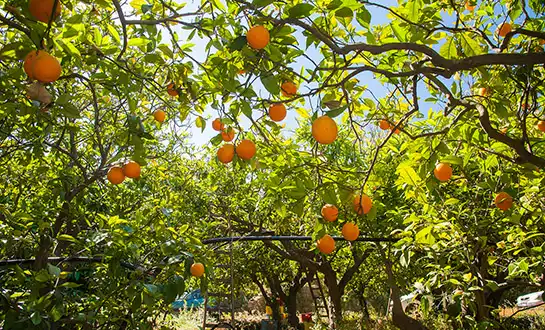
Crop type influences timing strategies. Citrus trees benefit from split applications throughout the year, while deciduous species such as apples and pears respond well to concentrated spring fertilization followed by supplemental summer feeding.
Selecting the Right Types of Fruit Tree Fertilizers
Choosing suitable fertilizer systems requires evaluating crop requirements, soil conditions, and orchard management goals.
Organic vs. Synthetic Fertilizers
Organic fertilizers improve soil structure, microbial activity, and long-term fertility through inputs such as compost and manure. They release nutrients gradually and align well with sustainable or certified organic production systems.
Synthetic fertilizers, by contrast, provide precise nutrient ratios and rapid nutrient availability. They are particularly effective for correcting acute deficiencies or supporting high-demand growth phases.
Many commercial orchards integrate both sources to balance soil health and productivity.
Advantages of Slow-Release Technologies
Slow-release fruit tree fertilizers feature coated granules that release nutrients according to soil moisture and temperature, delivering reduced application frequency, lower nutrient leaching risk, higher uptake efficiency and consistent nutrient supply during key growth stages. These technologies are particularly valuable for large orchards aiming to save labor and meet environmental standards.
Crop-Specific Formulations
Specialized blends tailored to individual fruit crops enhance fertilization precision.
- Apple fertilizers often emphasize calcium to reduce storage disorders.
- Stone fruit programs prioritize potassium for fruit firmness and sugar content.
- Citrus blends include micronutrient packages to address common regional deficiencies.
Targeted formulations enable growers to optimize yield and fruit marketability.
Advanced Fertilization Strategies for Sustainable Yield Growth
Modern orchard nutrition programs extend beyond conventional fertilization to include precision technologies and sustainability frameworks.
Precision Agriculture Integration
Soil testing is the foundation of nutrient planning, with advanced tools enabling GPS-guided variable-rate fertilizer application, soil nutrient mapping and tree vigor monitoring. Leaf tissue analysis further optimizes fertilization programs by identifying in-season nutrient uptake trends and supporting timely corrective measures.
Sustainable Nutrient Management
Sustainability initiatives combine fruit tree fertilizers with ecological practices including nitrogen-fixing cover cropping, organic matter incorporation and inter-row erosion control. Compost amendments improve soil structure and water retention while providing slow-release nutrients, and these integrated systems cut long-term input costs and boost orchard resilience.
Technology-Enhanced Application Methods
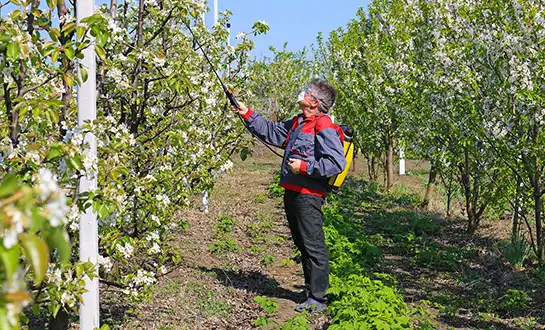
Fertigation systems deliver nutrients through irrigation networks, allowing frequent, low-dose feeding aligned with tree uptake patterns.
Foliar nutrition complements soil fertilization by correcting micronutrient deficiencies rapidly. Foliar sprays are particularly effective during peak vegetative growth and fruit development stages.
Procurement Considerations for Commercial Orchard Fertilizers
Reliable sourcing of fruit tree fertilizers is essential for operational continuity and agronomic performance.
Supplier Evaluation Criteria
Professional suppliers feature consistent product specifications, certified manufacturing standards, reliable logistics capabilities and dedicated agronomic technical support, while partnership-focused suppliers also provide formulation customization and on-site field troubleshooting assistance.
Product Quality Indicators
High-quality fertilizers feature uniform nutrient distribution, consistent granule size and stable storage properties, while chelated micronutrients (especially iron, zinc and manganese) perform far better than sulfate forms in alkaline orchard soils.
Bulk Purchasing Strategies
Bulk procurement boosts cost efficiency and secures seasonal supply, with effective strategies including aligning order volumes to storage capacity, maintaining multi-supplier networks and standardizing specifications across vendors—these practices stabilize pricing and preserve agronomic consistency.
LYS Advanced Solutions for Fruit Tree Nutrition
LYS specializes in developing innovative fruit tree fertilizer technologies tailored to commercial orchard systems, combining biological science with scalable manufacturing.
FSDT Peptide Technology
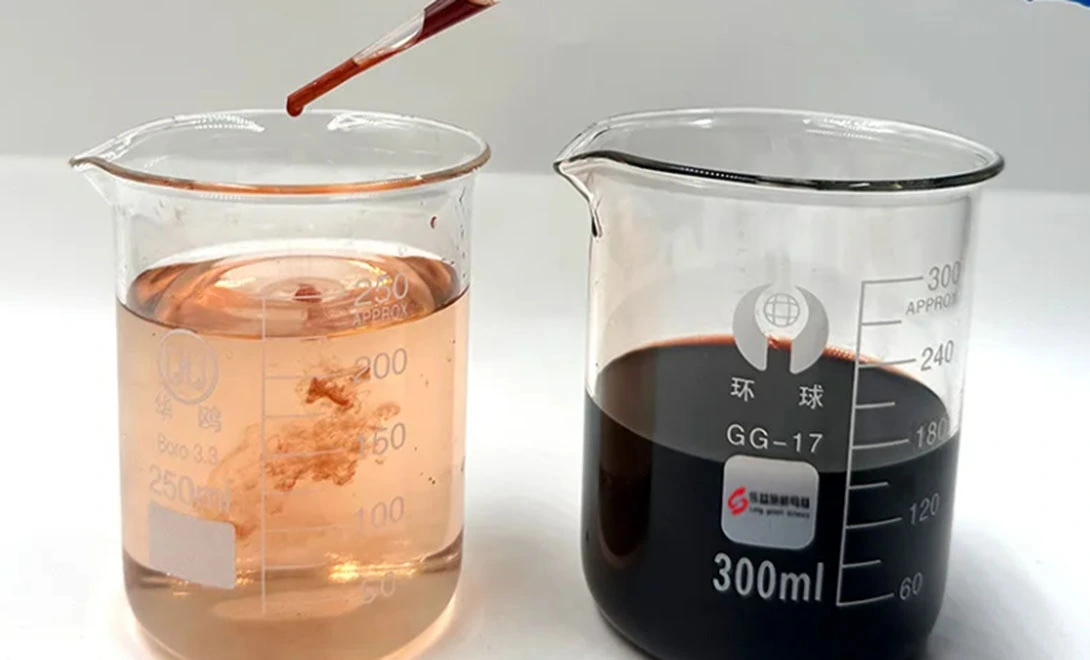
The proprietary Full-Spectrum Directed Enzymatic Hydrolysis (FSDT) platform produces small-molecule peptides (<1000 Da) with high bioavailability. These peptides are rapidly absorbed and remain stable under environmental stress conditions.
The technology enhances nutrient utilization and supports compatibility in complex tank-mix operations.
Yeast-Derived Nutritional Formulations
LYS fertilizers utilize premium yeast protein sources exceeding 60% protein content, providing a high-quality amino acid base that supports plant metabolism and soil microbial activity.
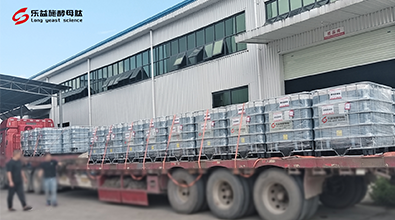
With annual production capacity exceeding 10,000 MT, supply reliability is ensured for global commercial operations.
Performance and Compatibility Advantages
Key functional benefits include thermal stability in all storage conditions, compatibility with fertilizers and crop protection products, chloride-free safety for sensitive crops, and enhanced plant stress tolerance; nucleotide components also boost plant defense systems, improving fruit size, uniformity and market value.
Conclusion
Optimizing fruit tree fertilization requires an integrated strategy that balances immediate nutritional needs with long-term orchard sustainability. Advances in fruit tree fertilizers—ranging from slow-release technologies to bioactive peptide formulations—provide new opportunities to enhance productivity while supporting environmental stewardship.
By aligning crop requirements, precision application methods, and high-quality fertilizer sourcing, commercial orchards can achieve stable yields and superior fruit quality. Strategic collaboration with technology-driven suppliers enables growers to implement scientifically validated nutrition programs that sustain profitability in competitive global fruit markets.
FAQ
Q1: When is the optimal time to apply fertilizer to fruit trees?
Early spring application timing proves most effective for fruit trees, typically coinciding with bud break and initial root activity. Apply fertilizer around the drip line where feeder roots are most active, ensuring nutrients reach the tree's primary uptake zone. Multiple smaller applications throughout the growing season often provide better results than single large applications, particularly for quick-release formulations.
Q2: How can I identify nutrient deficiencies in my fruit trees?
Nutrient deficiencies manifest through various visual symptoms that appear on leaves and fruits. Nitrogen deficiency causes overall yellowing of older leaves, while iron deficiency results in yellowing between leaf veins. Poor fruit set, reduced fruit size, or abnormal fruit development often indicates potassium or phosphorus deficiencies. Regular soil testing and leaf tissue analysis provide more accurate deficiency diagnosis than visual symptoms alone.
Q3: What advantages do slow-release fertilizers offer for fruit trees?
Slow-release fertilizers provide extended nutrient availability that matches natural tree uptake patterns, reducing application frequency while maintaining consistent feeding. These formulations minimize nutrient leaching, improve fertilizer efficiency, and reduce labor costs associated with multiple applications. The controlled release mechanism also reduces the risk of over-fertilization and associated problems such as excessive vegetative growth at the expense of fruit production.
Partner with LYS for Superior Fruit Tree Nutrition Solutions
LYS combines advanced FSDT technology with premium yeast-derived ingredients to deliver exceptional fruit tree fertilizer solutions for commercial operations. Our chloride-free formulations provide stable, bioavailable nutrition while maintaining compatibility with various tank-mix applications. Commercial growers and distributors seeking reliable fruit tree fertilizer suppliers can access our comprehensive product portfolio backed by decades of research and development experience. Contact alice@aminoacidfertilizer.com to discuss customized formulations, bulk procurement opportunities, and technical support services.
References
1. International Society of Horticultural Science. "Nutrient Management in Intensive Fruit Production Systems." Acta Horticulturae, 2023.
2. American Society of Agronomy. "Soil Fertility and Fertilizers: An Introduction to Nutrient Management in Fruit Crops." 8th Edition, 2024.
3. Journal of Plant Nutrition. "Micronutrient Requirements and Deficiency Symptoms in Temperate Fruit Trees." Agricultural Research Foundation, 2023.
4. FAO Agricultural Development Economics Division. "Sustainable Fertilization Practices for Commercial Orchards." Technical Paper Series, 2024.
5. European Journal of Agronomy. "Precision Agriculture Applications in Fruit Tree Nutrition Management." Research Publication, 2023.
6. International Fertilizer Industry Association. "Best Practices for Fruit Tree Fertilization in Commercial Production." Technical Bulletin, 2024.

Tell us your needs — we’ll provide the right solution for your crops and markets.
Innovating Agriculture with Yeast-Derived Amino Acid Peptides