How Amino Acid Peptide Fertilizers Improve Nutrient Uptake?
Modern agriculture increasingly relies on advanced biostimulants to improve crop performance while maintaining environmental sustainability. Among these innovations, amino acid peptide fertilizer has gained attention for its ability to enhance nutrient absorption and plant resilience. Unlike conventional fertilizers that mainly supply mineral nutrients, peptide-based formulations deliver bioactive molecules that plants can readily assimilate.
These fertilizers contain small bioactive peptides, amino acids, and other organic compounds that interact with plant physiological processes. By facilitating direct nutrient transport into plant cells and improving metabolic efficiency, amino acid peptide fertilizer products can support stronger growth, higher yields, and improved tolerance to environmental stress.
Understanding Amino Acid Peptide Fertilizers
Amino acid peptide fertilizers represent an advanced form of plant nutrition derived from enzymatic hydrolysis of natural protein sources such as soybeans, yeast, or other organic materials. Through controlled hydrolysis processes, proteins are broken down into short-chain peptides and free amino acids that are more easily absorbed by plants.
Traditional fertilizers mainly supply nutrients such as nitrogen, phosphorus, and potassium in mineral forms. Plants must convert these inorganic compounds into usable organic molecules through energy-consuming metabolic pathways. In contrast, amino acid peptide fertilizer provides nutrients in biologically active forms that can be utilized more efficiently by plant cells.
These formulations typically consist of a mixture of small-molecule peptides (generally below 1000 Daltons), free amino acids, organic nitrogen, and bioactive compounds obtained through natural fermentation or enzymatic processes.
Because of their molecular size and biological compatibility, peptide-based nutrients can move rapidly within plant tissues and participate directly in metabolic processes.
Molecular-Level Nutrient Transport Mechanisms
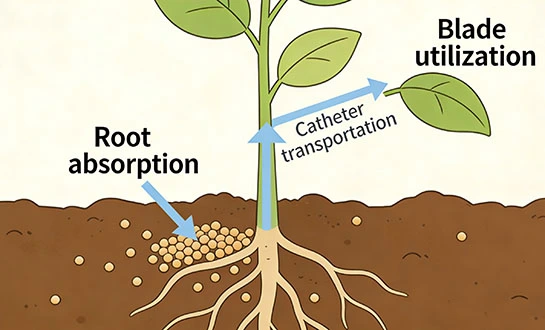
One of the key advantages of amino acid peptide fertilizer lies in its transport mechanisms. Plants possess specialized membrane transport proteins known as peptide transporters, which facilitate the movement of small peptides into plant cells.
These peptides act as carriers for nutrients and can improve the mobility of micronutrients such as iron, zinc, and manganese. Their natural chelating properties help prevent nutrient fixation in the soil and maintain availability for plant uptake.
Research also shows that amino acids such as glutamic acid, proline, and glycine play important roles in plant metabolism. These compounds contribute to chlorophyll synthesis, osmotic regulation, and enzyme activation. When delivered through peptide-based fertilizers, these molecules can support plant metabolic processes and improve nutrient utilization efficiency.
Physiological Effects on Crop Growth
The benefits of amino acid peptide fertilizer extend beyond basic nutrient supply. Because these formulations contain biologically active compounds, they can influence several physiological processes in plants.
Enhanced Nutrient Absorption
Peptides improve the mobility of nutrients within plant tissues and facilitate faster nutrient transport through vascular systems. This can result in improved nutrient uptake efficiency compared with conventional fertilization programs.
The presence of amino acids also supports protein synthesis and enzymatic reactions, which are essential for plant growth and development.
Improved Stress Tolerance
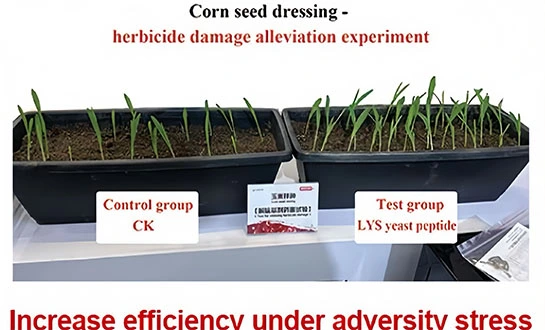
Environmental stresses such as drought, salinity, temperature fluctuations, and nutrient deficiencies often limit agricultural productivity. Amino acid peptide fertilizer products contain compounds that may help plants maintain metabolic activity under stressful conditions.
Certain amino acids function as osmoprotectants, helping plant cells maintain stable osmotic pressure during water deficit or saline conditions. This mechanism allows plants to sustain cellular activity and continue absorbing nutrients even when environmental conditions are unfavorable.
Support for Soil Microbial Activity
Peptide-based fertilizers also contribute to improved soil biological activity. Their organic composition provides carbon sources that stimulate beneficial microorganisms in the rhizosphere.
A more active microbial community can improve nutrient cycling, enhance soil structure, and support healthier root development. These effects contribute to more sustainable soil fertility over time.
Advantages Compared with Conventional Fertilizers
As agriculture faces increasing pressure to improve productivity while reducing environmental impact, alternative nutrient strategies are becoming more important. Amino acid peptide fertilizer offers several potential advantages over traditional chemical fertilizers.
Higher Nutrient Use Efficiency
Conventional nitrogen fertilizers such as urea or ammonium nitrate may experience significant nutrient loss through leaching or volatilization. In some cases, a substantial portion of applied nitrogen may not be utilized by crops.
Peptide-based fertilizers provide organic nitrogen and amino acids that plants can absorb more directly. Their chelating properties also help keep micronutrients available in challenging soil conditions, including saline or alkaline soils.
Reduced Environmental Impact
Improved nutrient use efficiency may help reduce fertilizer losses to groundwater and surrounding ecosystems. Lower nutrient runoff can contribute to improved environmental protection and compliance with increasingly strict agricultural regulations.
Additionally, peptide-based fertilizers are often produced from renewable biological sources, which may reduce the overall environmental footprint compared with some synthetic fertilizers.
Improved Crop Quality
In high-value crops such as fruits, vegetables, and horticultural plants, balanced nutrition plays a critical role in determining product quality. Some studies and field observations indicate that peptide-based nutrition programs can support improved fruit development, more uniform crop growth, and enhanced post-harvest quality characteristics.
However, the magnitude of these benefits can vary depending on crop species, environmental conditions, and overall management practices.
Application Strategies for Amino Acid Peptide Fertilizer
To achieve optimal results, amino acid peptide fertilizer should be integrated into a well-designed crop nutrition program. Application methods, timing, and dosage can influence the effectiveness of peptide-based formulations.
Foliar Application
Foliar spraying allows peptides and amino acids to be absorbed directly through leaf tissues. This method is particularly useful during periods of rapid growth or when crops experience temporary stress conditions.
Under suitable environmental conditions, nutrients applied through foliar sprays can enter plant tissues relatively quickly and support metabolic recovery.
Soil Application and Fertigation
Soil application through irrigation systems or fertigation allows peptides to interact with the root zone and surrounding soil microorganisms. This approach supports long-term soil fertility and root development.
Peptide fertilizers may also help improve nutrient availability in saline or alkaline soils by reducing ion toxicity and supporting balanced nutrient uptake.
Integration with Crop Management Programs
Amino acid peptide fertilizer products are often compatible with other agricultural inputs, including many crop protection products and conventional fertilizers. Their surfactant-like properties can sometimes improve spray coverage and adhesion.
Nevertheless, compatibility tests and agronomic recommendations should always be considered before mixing different products in tank applications.

Key Considerations When Selecting Amino Acid Peptide Fertilizers
For agricultural distributors, agronomists, and growers, selecting a high-quality amino acid peptide fertilizer is essential to achieve consistent performance.
Composition and Peptide Content
Effective peptide fertilizers generally contain a high percentage of total amino acids and a significant proportion of low–molecular-weight peptides. Smaller peptides are more easily absorbed and transported within plants.
A balanced amino acid profile—particularly with functional amino acids such as proline, glycine, and glutamic acid—can enhance the biological effectiveness of the product.
Solubility and Salt Index
High-quality peptide fertilizers should dissolve completely in water and leave minimal residue. Good solubility ensures compatibility with various application systems, including drip irrigation and foliar spraying.
Low salt index values are also important, especially for sensitive crops and seedling stages where excessive salts may cause phytotoxicity.
Manufacturing and Supply Stability
Manufacturing technology, quality control systems, and production capacity can influence product consistency. Suppliers with established enzymatic hydrolysis technologies and reliable supply chains are generally better positioned to provide stable product quality for large-scale agricultural applications.
For B2B buyers, factors such as technical support, product documentation, and long-term supply capability are also important considerations.
Environmental and Economic Implications
The adoption of amino acid peptide fertilizer can have broader implications for both agricultural sustainability and farm profitability.
Soil Health and Microbial Diversity
Organic peptide compounds may support the development of beneficial microbial communities in soil. Increased microbial activity can contribute to improved nutrient cycling, better soil aggregation, and enhanced water retention capacity.
Over time, these improvements may lead to more resilient soil systems that support long-term crop productivity.
Reduced Nutrient Losses
Because peptide fertilizers can improve nutrient uptake efficiency, they may reduce the need for excessive fertilizer application. Lower nutrient losses help protect surrounding ecosystems from nitrogen and phosphorus pollution.
This aligns with the increasing emphasis on environmentally responsible agricultural practices worldwide.
Economic Performance
Field observations and agronomic trials in various cropping systems have reported yield improvements when peptide fertilizers are integrated into crop nutrition programs. While results vary depending on crop type and growing conditions, improved nutrient efficiency and crop quality may contribute to better economic returns for growers.
Conclusion
Amino acid peptide fertilizer represents an emerging approach to improving plant nutrition through biologically active compounds. By supplying nutrients in forms that are readily absorbed and metabolized by plants, these fertilizers can enhance nutrient uptake efficiency and support plant growth under diverse agricultural conditions.
In addition to improving nutrient utilization, peptide-based fertilizers may contribute to better soil health, improved crop resilience, and reduced environmental impact. When integrated into balanced crop management programs, they provide a promising option for modern agriculture seeking both productivity and sustainability.
As research and field experience continue to expand, amino acid peptide fertilizer technologies are likely to play an increasingly important role in optimizing nutrient management strategies for a wide range of crops.
FAQ
1. How quickly can I expect to see results from amino acid peptide fertilizer applications?
Within 7 to 14 days of foliar treatment, changes are usually clear, with plants growing stronger and their colors changing. It may take two to three weeks for soil applications to have a noticeable effect, but root growth changes usually happen sooner. Under ideal conditions, stress healing apps can show results within 24 to 48 hours.
2. Can peptide fertilizers completely take the place of chemical fertilizers?
Peptide nutrients work best when they are part of integrated feeding programs and not when they are used instead of all other inputs. They are great at adding organic nitrogen and making it easier for plants to absorb nutrients, but based on the soil and the crop's needs, they may need to be supplemented with certain macro or micronutrients.
3. Are these fertilizers suitable for hydroponic and greenhouse production systems?
Yes, peptide fertilizers are great for soilless growth methods because they dissolve completely in water and have a low salt index. The chelated types of nutrients work especially well in controlled environment farming, where exact nutrition management is needed to get the best results.
4. What storage and handling considerations apply to peptide fertilizers?
Products stay stable and bioactive as long as they are stored properly in cool, dry places. Most peptide nutrients are very stable at low and high temperatures, so they keep working well across normal storage temperature ranges. To keep the product working at its best, keep it away from high heat or moisture.
Partner with LYS for Premium Amino Acid Peptide Fertilizer Solutions
LYS is a leading maker of amino acid peptide fertilizer. They have over 70 years of experience in bioengineering and their own FSDT enzymatic hydrolysis technology. Our products made from yeast are very stable, compatible, and bioactive, and we can make more than 10,000 metric tons of them every year. Experience better crop growth with our chloride-free, high-bioavailability goods that help plants take in nutrients and support environmentally friendly farming methods. Get in touch with alice@aminoacidfertilizer.com to talk about buying in bulk and getting full technical help for your farming activities. You can see all of our products at lyspeptide.com and learn how our cutting-edge peptide technologies can help you improve your crop feeding plans.
References
1. Smith, J.R., et al. "Mechanisms of Amino Acid and Peptide Uptake in Agricultural Crops: A Comprehensive Review." Journal of Plant Nutrition and Soil Science, vol. 45, no. 3, 2023, pp. 287-304.
2. Chen, L., and Martinez, A. "Comparative Analysis of Organic vs. Synthetic Nitrogen Sources in Modern Agriculture." Agricultural Biochemistry and Biotechnology Review, vol. 28, no. 7, 2024, pp. 156-173.
3. Thompson, K.D., et al. "Environmental Impact Assessment of Peptide-Based Fertilizers in Sustainable Crop Production Systems." Environmental Agriculture and Soil Management, vol. 12, no. 4, 2023, pp. 412-429.
4. Rodriguez, M.P., and Johnson, B.A. "Economic Analysis of Amino Acid Fertilizer Implementation in Commercial Horticulture Operations." Journal of Agricultural Economics and Management, vol. 31, no. 2, 2024, pp. 78-95.
5. Wang, H., et al. "Yeast-Derived Biostimulants: Mechanisms of Action and Agricultural Applications." International Review of Plant Biology and Biotechnology, vol. 19, no. 8, 2023, pp. 234-251.
6. Anderson, R.L., and Davis, S.M. "Peptide Fertilizer Applications in Stress Management and Crop Recovery Protocols." Applied Agricultural Research Quarterly, vol. 7, no. 1, 2024, pp. 45-62.

Tell us your needs — we’ll provide the right solution for your crops and markets.
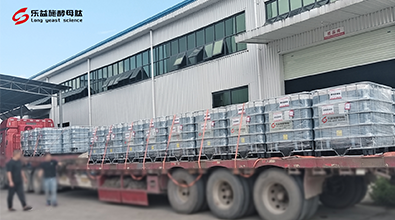
Innovating Agriculture with Yeast-Derived Amino Acid Peptides