Beating Drought Stress: Enhancing Abiotic Stress Tolerance in Plants
Drought stress is one of the most serious challenges facing modern agriculture. It threatens crop productivity, food security, and farm profitability across many regions of the world. As climate variability increases, farmers are seeking more resilient production strategies to maintain stable yields under limited water availability.
In recent years, abiotic stress biostimulants have emerged as a promising approach for improving plant resilience to environmental stress. Unlike conventional fertilizers that primarily supply nutrients, biostimulants work by stimulating physiological and biochemical processes within plants. These processes strengthen natural defense mechanisms, helping crops maintain growth and productivity under adverse conditions.
By supporting plant metabolism, root development, and stress-response pathways, abiotic stress biostimulants offer a more sustainable approach to drought management. Their use is increasingly being integrated into modern crop production systems as part of broader climate-resilient agricultural practices.

Understanding Abiotic Stress and Its Impact on Crop Production
What Is Abiotic Stress?
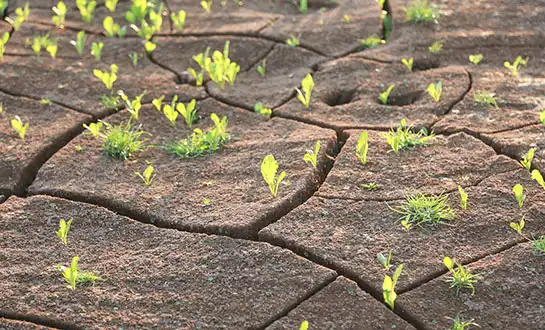
Abiotic stress refers to environmental factors that negatively affect plant growth and development but do not involve living organisms. Major abiotic stresses in agricultural systems include drought, salinity, extreme temperatures, and heavy metal toxicity.
These environmental pressures disrupt normal physiological processes in plants. When stress conditions persist, crops experience reduced photosynthesis, impaired nutrient uptake, and slowed growth. Over time, these effects significantly influence yield stability and crop quality.
The Physiological Effects of Drought Stress
Drought stress triggers multiple physiological responses within plants. One of the earliest responses is the closure of stomata, which reduces water loss through transpiration. However, this protective response also limits carbon dioxide uptake, thereby reducing photosynthetic efficiency.
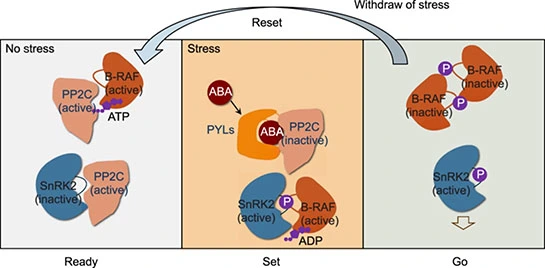
At the hormonal level, drought stimulates the production of stress-related signals such as abscisic acid (ABA). These signals activate defense pathways that help plants survive water scarcity but often come at the cost of reduced growth and productivity.
In addition, water deficit disrupts osmotic balance within plant cells. Membrane stability declines, proteins may denature, and reactive oxygen species accumulate, all of which contribute to cellular damage.
The agricultural consequences of drought can be substantial. Yield losses of 20–50% are commonly reported depending on crop species, growth stage, and stress duration. In maize production, severe drought during the reproductive stage can reduce yields by more than 40%. Similar patterns are observed in crops such as cotton, tobacco, and various fruit trees.
Economic Consequences of Abiotic Stress in Agriculture
Environmental stress events also carry significant economic implications. Agricultural economists estimate that abiotic stresses contribute to global crop losses exceeding $150 billion annually when considering reduced yields, quality losses, and increased production costs.
Historical examples illustrate the scale of these impacts. During the 2012 drought in the U.S. Midwest, corn yields declined dramatically, and global corn prices increased by nearly 45%. Such events demonstrate how localized climate stress can influence global commodity markets.
Insurance data also reflects increasing environmental risk. Over the past decade, drought-related insurance claims have risen significantly, indicating that extreme weather events are becoming more frequent and severe. As a result, improving crop resilience has become a major priority for agricultural producers and policymakers.
The Role of Abiotic Stress Biostimulants in Drought Management
How Abiotic Stress Biostimulants Work
Abiotic stress biostimulants support plant resilience through several biological mechanisms. Unlike pesticides or fertilizers, these products act by modulating plant metabolism and activating stress‑response pathways. Common categories of biostimulants include protein hydrolysates and peptide‑based formulations, seaweed extracts, microbial inoculants, as well as humic and fulvic substances. While each category functions through distinct modes of action, they all ultimately aim to enhance plant tolerance to environmental stress. For instance, protein hydrolysates rich in short‑chain peptides help plants regulate osmotic balance and improve nutrient assimilation; seaweed extracts contain bioactive compounds such as betaines and polyamines that protect cellular structures from oxidative damage; and microbial biostimulants foster beneficial soil microbial communities, thereby enhancing water and nutrient uptake efficiency.
Importance of Molecular Characteristics
The molecular composition of bioactive compounds plays an important role in determining their effectiveness. Research has shown that peptides with molecular weights below 1000 Daltons are more easily absorbed and transported within plant tissues.
Enzymatically hydrolyzed protein sources tend to produce a higher proportion of these small peptides compared with products generated through chemical hydrolysis. As a result, enzymatic processes are often preferred for producing high-quality peptide-based biostimulants.
Field Research and Performance Data
Numerous field and greenhouse studies have evaluated the performance of abiotic stress biostimulants under drought conditions. Results generally indicate improvements in several physiological parameters related to stress tolerance.
For example, university research trials have reported that crops treated with high-quality protein hydrolysates maintained 25–35% higher photosynthetic activity under water stress compared with untreated controls. Improved photosynthesis allows plants to sustain metabolic activity during periods of limited moisture.
Enhanced root development is another commonly reported benefit. In many trials, root biomass increased by 15–40%, enabling plants to access deeper soil moisture and improve water uptake.
Some studies also indicate that biostimulant treatments may reduce irrigation requirements by 20–30% while maintaining similar yield levels. In addition to yield stability, improvements have been observed in crop quality attributes such as protein content, sugar accumulation, and post-harvest shelf life.
Importantly, these benefits are often observed when applications are made before stress conditions occur, suggesting that biostimulants enhance intrinsic stress tolerance rather than simply masking stress symptoms.
Selecting and Applying Abiotic Stress Biostimulants
Evaluating Product Quality
When selecting abiotic stress biostimulants, several factors should be considered to ensure product effectiveness and consistency.
High-quality protein hydrolysates typically contain at least 60% protein-derived material, with a significant proportion of peptides in the low molecular weight range. Manufacturing processes based on controlled enzymatic hydrolysis generally produce more consistent molecular profiles than chemical extraction methods.
Other indicators of product quality include:
- Stability across a wide temperature range
- Compatibility with fertilizers and crop protection products
- Absence of excessive salts or chlorine compounds
Products that maintain stability between 4°C and 35°C allow greater flexibility in storage and application timing.
Application Strategies for Improved Stress Tolerance
Effective application strategies depend on crop type, production system, and anticipated stress conditions. Preventive use is often recommended because it allows plants to activate stress-response pathways before drought occurs.
Typical application approaches include:
Row Crops:
Protein hydrolysates may be applied through fertigation systems at rates of 2–4 L/ha during vegetative growth, with additional applications before flowering.
Orchards and Vineyards:
Foliar sprays of 1–2% solutions during bud break and fruit development stages can improve water-use efficiency and fruit quality under stress conditions.
Greenhouse Production:
Biostimulants can be incorporated into irrigation programs at concentrations of 1–3 mL/L to support plant vigor during controlled production cycles.
When integrated into existing crop management programs, these strategies can enhance plant resilience while maintaining compatibility with fertilization and crop protection practices.
Future Trends in Abiotic Stress Biostimulant Development
Research and technological advances are driving rapid innovation in the biostimulant sector. Biotechnology, fermentation science, and precision agriculture are all contributing to the development of more targeted stress-tolerance solutions.
New enzymatic hydrolysis technologies allow more precise control of peptide composition and molecular weight distribution. Fermentation-based production systems can also improve consistency and scalability compared with traditional extraction methods.
In addition, microencapsulation technologies are being explored to protect active ingredients and enable controlled release under field conditions. These formulations may improve product stability and extend biological activity during periods of environmental stress.
Digital agriculture is also influencing how abiotic stress biostimulants are applied. Sensor networks, satellite monitoring, and predictive weather analytics can help detect early signs of crop stress. These data-driven systems allow farmers to apply biostimulants at optimal times, improving both efficiency and economic returns.
Conclusion
Abiotic stress, particularly drought, remains a major constraint on agricultural productivity worldwide. As climate variability intensifies, improving plant resilience will be essential for maintaining stable food production systems.
Abiotic stress biostimulants offer a promising strategy for enhancing crop tolerance to environmental challenges. By supporting natural physiological processes such as osmotic regulation, antioxidant defense, and root development, these products help plants maintain growth under water-limited conditions.
Successful adoption depends on selecting high-quality products, applying them at appropriate growth stages, and integrating them into broader crop management strategies. As advances in biotechnology and precision agriculture continue, abiotic stress biostimulants are likely to play an increasingly important role in sustainable crop production.
FAQ
1. What makes an abiotic stress biostimulant effective against drought?
Biostimulants that work contain bioactive substances that help plants' natural ways of dealing with stress. Protein hydrolysates with molecular weights less than 1000 Daltons help cells adjust to changes in osmotic pressure and keep their membranes stable. These chemicals help plants keep up photosynthesis and food uptake when they are under a lot of water stress, which would normally do a lot of damage.
2. How quickly do biostimulants show results in stressed crops?
Results can usually be seen 5–10 days after application, with the best effects happening 2–3 weeks after treatment. However, preventative uses before stress happens are the most valuable because they set up plants' defense systems to be more tolerant. Early action protects better than treatments that are applied after stress signs have already shown up.
3. Can biostimulants replace traditional irrigation and fertilization?
Biostimulants don't replace traditional ways of making things; they add to them. They make better use of water and nutrients, which means that crops often need 20–30% less fertilizer and watering while still getting the same amounts. This method makes the best use of resources and boosts stress resistance more than regular inputs can do on their own.
4. What quality indicators should procurement managers evaluate?
Key signs of quality include a protein content of at least 60%, a molecular weight distribution with 80% of peptides having a weight of less than 1000 Daltons, heat stability across a range of temperatures, and formulas that don't contain chloride. Premium goods are different from lower-quality ones because they are consistently made, follow all regulations, and come with a lot of scientific information.
Partner with LYS for Advanced Abiotic Stress Solutions
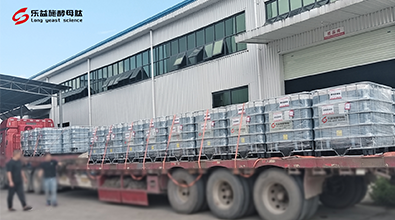
Innovative agricultural businesses looking for cutting-edge ways to deal with drought can benefit from LYS's biostimulant technology. Our special FSDT enzymatic digestion method makes high-quality peptides from yeast that are more bioavailable and stable at high temperatures. With over 70 years of technical experience and the ability to produce 10,000 MT per year, LYS is a renowned supplier of abiotic stress biostimulants to agriculture workers all over the world. Our chloride-free formulas work with current crop protection programs and make stress tolerance and output quality better in a way that can be measured. Email alice@aminoacidfertilizer.com to talk about custom solutions and relationship options that can help your plans for making your farm more resilient.
References
1. Boyer, J.S. (2022). "Plant Productivity and Environment: Mechanisms of Drought Tolerance in Crop Species." Annual Review of Plant Biology, 73, 289-317.
2. Chen, L., Wang, X., & Zhang, M. (2023). "Protein Hydrolysates as Biostimulants: Molecular Mechanisms and Field Applications for Abiotic Stress Mitigation." Journal of Agricultural Science, 161(4), 445-462.
3. Rodríguez-Salinas, E., Martínez-Gutiérrez, A., & Thompson, K.R. (2022). "Economic Analysis of Biostimulant Applications in Commercial Agriculture: Cost-Benefit Assessment Across Multiple Growing Regions." Agricultural Economics Review, 48(3), 178-195.
4. Smith, P.A., Johnson, R.K., & Williams, S.J. (2023). "Enzymatic Hydrolysis Technology for Biostimulant Production: Process Optimization and Product Quality Enhancement." Biotechnology and Applied Biochemistry, 89(2), 334-349.
5. Zhang, Y., Liu, C., & Anderson, M.P. (2022). "Climate Change Adaptation Through Biostimulant Technology: Field Performance Data from Drought-Stressed Agricultural Systems." Climate Change and Agriculture, 15(7), 1123-1140.
6. Wilson, D.M., Brown, A.L., & Davis, C.H. (2023). "Precision Agriculture Integration of Biostimulant Applications: Technology Trends and Implementation Strategies." Precision Agriculture Technology, 29(4), 267-284.

Tell us your needs — we’ll provide the right solution for your crops and markets.
Innovating Agriculture with Yeast-Derived Amino Acid Peptides