Amino Acid Peptide Biostimulant: Boost Crop Stress Tolerance and Yield
An amino acid peptide biostimulant represents an important development in modern crop management, designed to enhance plant stress tolerance and productivity. Unlike traditional fertilizers that mainly supply nutrients, these advanced biostimulants focus on improving plant metabolism and physiological responses. By delivering bioactive peptides and amino acid intermediates directly to plant tissues, they may help plants respond more effectively to environmental stresses such as drought, temperature fluctuations, and salinity.
In recent years, agricultural researchers and growers have increasingly recognized the role of biostimulants in sustainable crop production. As global agriculture faces pressure to increase yields while reducing environmental impact, amino acid peptide biostimulants are being explored as tools to support plant resilience and improve nutrient efficiency across a wide range of crops.
Understanding Amino Acid Peptide Biostimulants
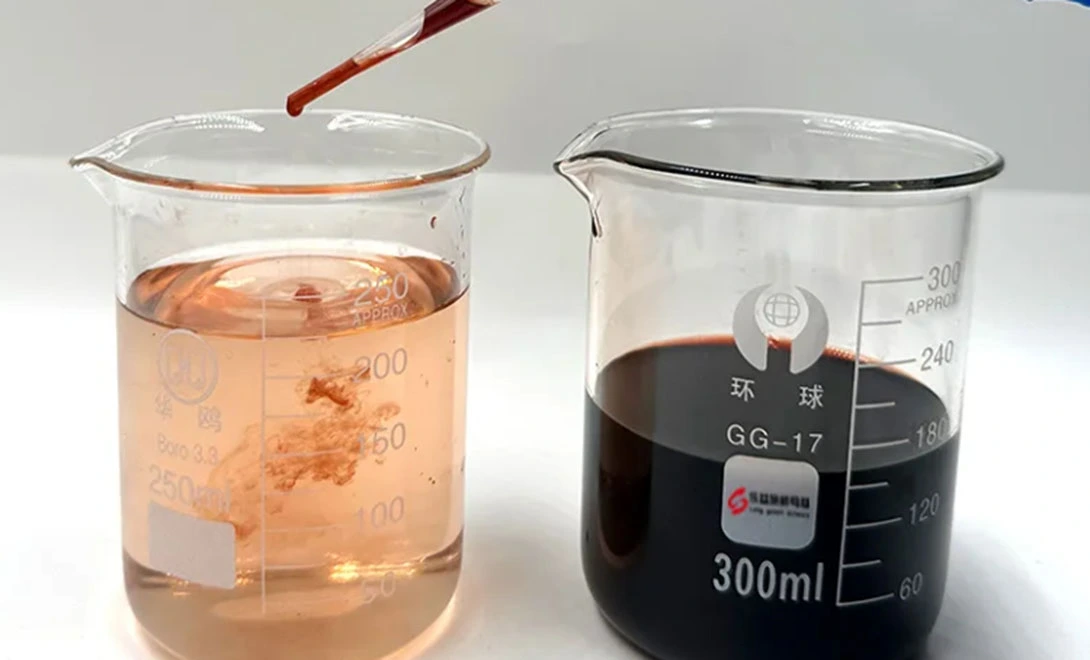
An amino acid peptide biostimulant is typically composed of short-chain peptides and free amino acids derived from the enzymatic hydrolysis of protein sources. These molecules participate in various plant metabolic processes, including stress response, enzyme activation, and protein synthesis.
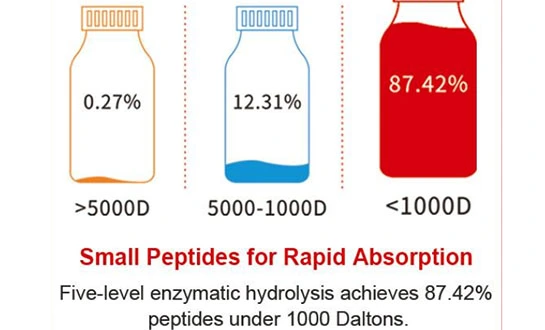
Through controlled production processes, protein materials are broken down into smaller molecules—often with molecular weights below 1,000 Daltons—which can be more easily absorbed and transported within plant tissues. This molecular structure allows peptides and amino acids to function not only as nutrients but also as signaling compounds that influence plant metabolism.
The Science Behind Peptide-Based Biostimulation
The biological activity of peptide-based biostimulants differentiates them from conventional nutrient products. Traditional fertilizers primarily deliver macronutrients such as nitrogen, phosphorus, and potassium, whereas peptide biostimulants influence metabolic pathways that regulate plant growth and adaptation.
Research indicates that peptides containing L-amino acids are particularly important because plants readily utilize these forms during metabolic processes. In contrast, D-amino acids are generally less biologically active in plant systems.
Molecular size also plays an important role in bioavailability. Peptides with molecular weights below approximately 1,000 Daltons can be absorbed more efficiently through plant leaves and roots, allowing faster transport to active metabolic sites.
Biochemical Mechanisms and Plant Responses
When applied to crops, an amino acid peptide biostimulant may influence several physiological processes. These include stimulating enzyme activity, enhancing nutrient uptake, and supporting the synthesis of protective compounds during stress conditions.
Application method can also influence plant responses. Foliar sprays typically allow rapid absorption through stomata and the cuticle layer, providing relatively quick metabolic stimulation. Soil applications, on the other hand, interact with the rhizosphere environment and may support microbial activity and root development over longer periods.
For growers and agricultural input distributors, understanding these mechanisms can help determine the most appropriate product formulations and application strategies for specific crops and environmental conditions.
Comparing Amino Acid Peptide Biostimulants with Other Biostimulant Categories
A variety of biostimulant products are available in the agricultural market, including seaweed extracts, humic substances, and protein hydrolysates. Each category functions through different biological pathways and may provide unique agronomic benefits.
Differences from Protein Hydrolysates and Seaweed Extracts
Protein hydrolysates contain amino acids and peptides produced through chemical or enzymatic hydrolysis. While they can provide valuable nutrients, some hydrolysate products contain larger protein fragments that require additional metabolic energy for plants to utilize.
Seaweed extracts are widely used for their natural plant hormones, vitamins, and polysaccharides. These components may stimulate growth and improve plant resilience. However, their amino acid concentrations are typically lower than those found in peptide-focused formulations.
An amino acid peptide biostimulant is often designed with a more controlled molecular profile, allowing smaller peptides to be delivered directly to plant metabolic systems.
Role of Humic Substances
Humic and fulvic acids primarily improve soil structure and nutrient availability. They enhance soil microbial activity and increase the capacity of soils to retain water and nutrients.
Although humic substances contribute to soil health, they do not directly supply the metabolic building blocks provided by amino acids and peptides. For this reason, many nutrient management programs integrate multiple biostimulant categories to address different agronomic goals.
Economic and Environmental Considerations
From a cost–benefit perspective, growers and procurement managers often evaluate both short-term crop responses and long-term sustainability outcomes. While peptide-based biostimulants may involve higher production costs, their concentrated formulations and targeted biological activity may allow lower application rates.
Improved nutrient efficiency can potentially reduce the need for certain conventional fertilizers, contributing to both economic and environmental benefits in some production systems.
Application Methods and Best Practices
To maximize the benefits of an amino acid peptide biostimulant, application strategies should consider crop type, environmental conditions, and growth stage. Proper dosage and timing are key factors in achieving consistent results.
Foliar Application Strategies
Foliar spraying is one of the most common application methods for peptide biostimulants. In this approach, diluted solutions are applied directly to plant leaves, allowing rapid absorption through stomatal openings and the cuticle.
Application rates vary depending on crop species, formulation concentration, and stress intensity. In many agricultural systems, treatments are applied during periods of active growth or prior to anticipated stress events such as drought or heat waves.
Environmental conditions also affect foliar uptake. Applications during cooler periods of the day with moderate humidity may improve absorption and reduce evaporation losses.
Soil Application and Fertigation
Soil-based applications deliver amino acid peptides directly to the root zone. These treatments can be applied through irrigation systems or conventional soil drenching methods.
In fertigation systems, the biostimulant is introduced into irrigation water and distributed through drip or sprinkler systems. This approach allows precise control of nutrient delivery and is widely used in greenhouse and high-value horticultural crops.
Peptide-based formulations are generally designed to remain soluble in nutrient solutions, helping maintain system stability and reducing the risk of precipitation in irrigation lines.
Crop-Specific Application Considerations
Different crops may respond differently to biostimulant treatments. Vegetable crops often benefit from repeated low-dose applications during flowering and fruit development stages. Cereal crops may respond more strongly when applications are timed during tillering or grain-filling phases.
Because amino acid peptide biostimulants are typically derived from natural protein sources, some formulations are compatible with organic farming systems, depending on local certification standards.

Sourcing and Procurement Considerations
Selecting a reliable supplier is an important aspect of implementing a successful amino acid peptide biostimulant program. Product quality, production consistency, and regulatory compliance all influence long-term supply reliability.
Supplier Evaluation Criteria
Manufacturers of peptide biostimulants generally rely on enzymatic hydrolysis technologies to produce small peptide molecules from protein sources. The efficiency of these processes determines peptide composition, purity, and biological activity.
Procurement managers often evaluate suppliers based on several factors, including technical expertise, research support, manufacturing capacity, and compliance with regulatory standards in target markets.
Suppliers that offer formulation customization or OEM production services may provide additional flexibility for distributors and agricultural brands seeking to develop private-label products.
Quality Assurance and Testing
Quality verification typically includes analytical testing such as amino acid profiling, molecular weight distribution analysis, and bioactivity evaluation. These tests help ensure product consistency and confirm that formulations meet performance specifications.
Pilot trials and field demonstrations are also commonly used to validate agronomic effectiveness before large-scale commercial adoption.
Logistics and Bulk Procurement
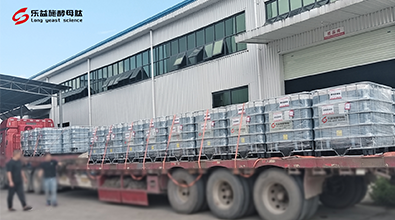
Large-scale agricultural operations often benefit from bulk purchasing strategies that reduce transportation costs and ensure supply availability during peak application periods.
For international procurement, logistics planning may include customs documentation, shipping conditions, and storage requirements. Maintaining appropriate temperature and humidity levels during storage can help preserve product stability and prevent degradation.
Future Trends in Amino Acid Peptide Biostimulants
Research into peptide-based biostimulants continues to evolve, driven by advances in biotechnology, plant physiology, and precision agriculture technologies.
Integration with Precision Agriculture
Modern farming increasingly relies on digital tools such as remote sensing, sensor networks, and data analytics to monitor crop health. These technologies can help identify early stress indicators and guide targeted applications of biostimulants.
In the future, automated application systems may adjust dosage and timing based on real-time environmental data, improving both efficiency and sustainability.
Advances in Peptide Engineering
Ongoing research in peptide chemistry and protein hydrolysis technologies is enabling more precise control over peptide structures and molecular sizes. These developments may allow the design of biostimulants that target specific plant metabolic pathways.
Improved formulations could extend product stability, enhance compatibility with other agricultural inputs, and broaden the range of crops that benefit from peptide-based treatments.
Market and Regulatory Developments
Global demand for sustainable agricultural solutions is expected to continue driving growth in the biostimulant sector. Many regions are also introducing regulatory frameworks specifically designed for biostimulant products, providing clearer pathways for product registration and commercialization.
For agricultural input distributors and procurement managers, staying informed about regulatory developments and emerging technologies can support long-term sourcing strategies and competitive market positioning.
Conclusion
An amino acid peptide biostimulant represents a promising tool in modern crop management, offering potential benefits in improving plant stress tolerance, metabolic efficiency, and productivity. By delivering bioactive peptides and amino acids that participate directly in plant physiological processes, these formulations differ from conventional fertilizers that primarily provide nutrients.
Although research and field evaluation are ongoing, many growers are exploring peptide-based biostimulants as part of integrated nutrient and stress management programs. As agricultural systems continue to evolve toward greater sustainability and efficiency, innovations in peptide technology may play an increasingly important role in supporting stable crop production and meeting global food security challenges.
FAQ
1. What distinguishes enzymatic from chemical hydrolysis in amino acid peptide biostimulant production?
Some enzymes are used in enzymatic hydrolysis to break down protein sources in a controlled way. The natural L-amino acid structure and substances that can't be damaged by heat, like tryptophan, are kept. Chemical breakdown methods can make D-amino acid types that aren't useful and raise sodium levels. This gentle method, on the other hand, makes sure that the substance is more bioavailable and drops the amount of salt that is made.
2. Can amino acid peptide biostimulants be tank-mixed with copper- or sulfur-based fungicides?
To avoid damaging the cells, be careful when putting them in a tank with fungicides that are based on copper or sulfur. When plants take in too many of these chemicals, especially when the weather is hot, they can turn deadly. You can keep bad events from happening by testing the jars and not using them when it's very hot outside.
3. How does molecular weight affect biostimulant performance and plant uptake?
Peptides with a molecular weight of less than 1,000 Daltons are quickly taken in by the body through both the leaf and root routes. This has an immediate impact on the metabolism. Parts with a higher molecular weight mostly clean the soil and feed microbes. In the long run, they're better, but plants take longer to react.
4. Do amino acid peptide biostimulants replace traditional NPK fertilizers?
Because they help plants use nutrients better, these biostimulants work better with regular NPK fertilizers than on their own. They allow you to use less bulk fertilizer, but they don't give plants enough of the main macronutrients they need to grow well.
5. Why do peptide biostimulant powders sometimes clump during storage?
Proteins called amino acids and peptides naturally take water from the air, which makes them stick together. This function really does lead to real high-content items. Keeping the product in cool, dry places with lidded cases will protect its quality by keeping it from getting wet.
Contact LYS for Premium Amino Acid Peptide Biostimulant Solutions
The company LYS has been making amino acid peptide biostimulants for over 70 years and has a patent for its FSDT enzymatic hydrolysis technology, so you can trust it. When used on farms, our high-quality yeast-based goods always work well in a wide range of settings. To make sure they are as bioavailable as possible, their molecular weights are less than 1000 Da. LYS gives farm workers and distributors good supply chain choices because it can make 10,000 MT of product per year and guarantees its quality. Email Alice at alice@aminoacidfertilizer.com right away to find out more about our new line of biostimulants and how we can help you grow your plants better.
References
1. Colla, G., Hoagland, L., Ruzzi, M., Cardarelli, M., Bonini, P., Canaguier, R., & Rouphael, Y. (2017). Biostimulant action of protein hydrolysates: unraveling their effects on plant physiology and microbiome. Frontiers in Plant Science, 8, 2202.
2. Ertani, A., Schiavon, M., Muscolo, A., & Nardi, S. (2013). Alfalfa plant-derived biostimulant stimulate short-term growth of salt stressed Zea mays L. plants. Plant and Soil, 364(1-2), 145-158.
3. Lucini, L., Rouphael, Y., Cardarelli, M., Canaguier, R., Kumar, P., & Colla, G. (2015). The effect of a plant-derived biostimulant on metabolic profiling and crop performance of lettuce grown under saline conditions. Scientia Horticulturae, 182, 124-133.
4. Matsumiya, Y., & Kubo, M. (2011). Soybean peptide: novel plant growth promoting peptide from soybean. In Soybean and Nutrition (pp. 215-230). InTech Publications.
5. Rouphael, Y., & Colla, G. (2018). Synergistic biostimulatory action: designing the next generation of plant biostimulants for sustainable agriculture. Frontiers in Plant Science, 9, 1655.
6. Yakhin, O. I., Lubyanov, A. A., Yakhin, I. A., & Brown, P. H. (2017). Biostimulants in plant science: a global perspective. Frontiers in Plant Science, 7, 2049.

Tell us your needs — we’ll provide the right solution for your crops and markets.
Innovating Agriculture with Yeast-Derived Amino Acid Peptides